
Best Composite Toe Tactical Boots for Duty Work: A Buying Guide for 2026
Disclosure: We may earn a commission when you buy through links on this page, at no extra cost to you. As an Amazon Associate I earn from qualifying purchases. Learn more

Security staff, EMTs, and responders can compare closures, ratings, and fit to find the best composite toe tactical boots for long shifts.
Tactical boots have to do two jobs at once: look the part on a duty roster and protect your feet on a real shift. The best composite toe tactical boots add a non metal safety cap to the familiar side zip, lace up military style, which means lighter protection for security staff, corrections officers, EMTs, range instructors, and anyone whose uniform code rules out a plain work boot. The comparison table below gives you a quick view of the main styles, and the sections here explain what separates a good pair from one that fails by the end of the first month.
This guide covers the checks that matter most for duty footwear: the cap rating, the closure, shaft height, the sole, the upper, and the dress code your employer applies. It also explains how tactical boots differ from ordinary composite toe work boots, so you do not pay for the wrong features.




How Composite Toe Tactical Boots Differ From Work Boots
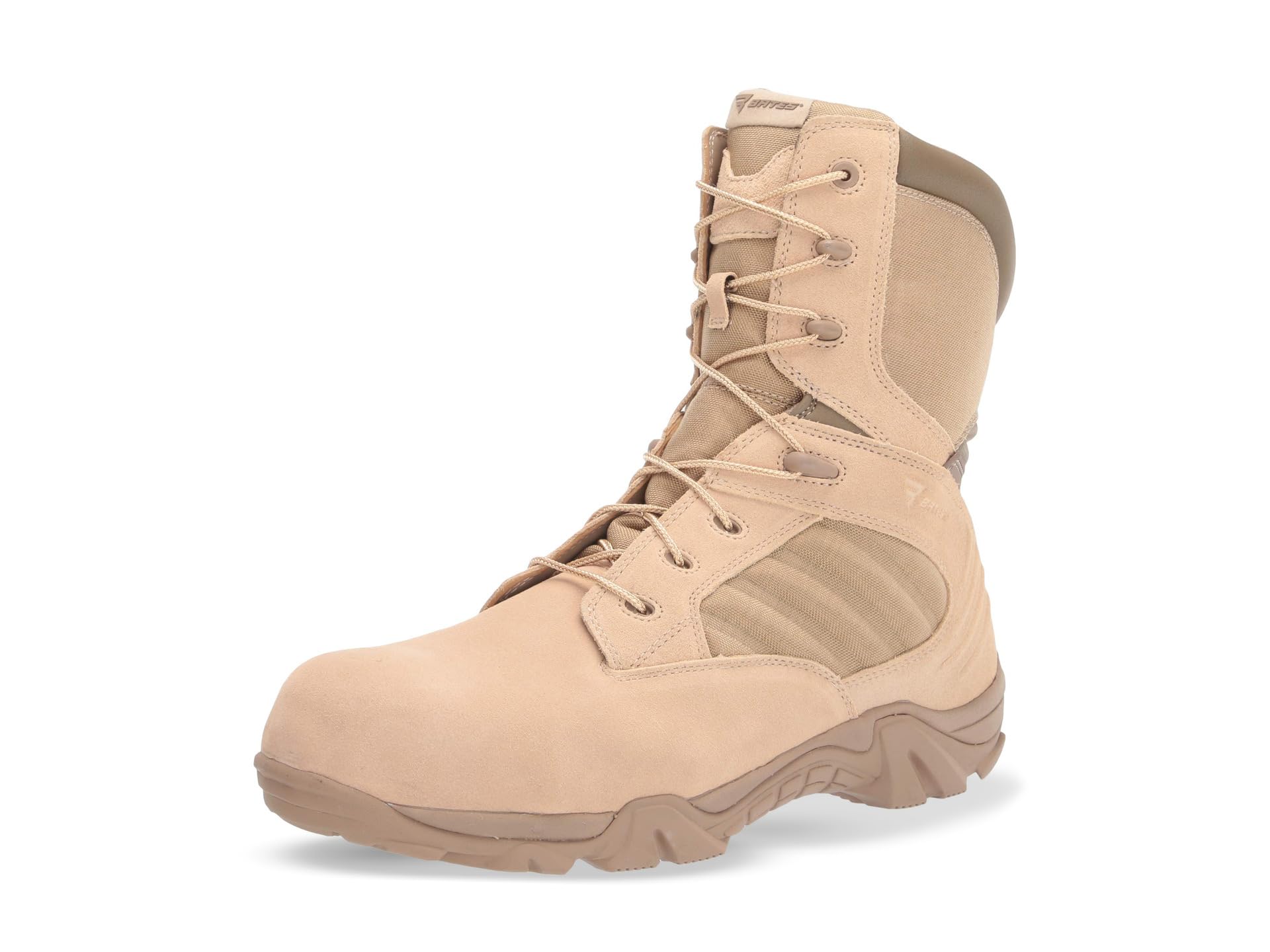
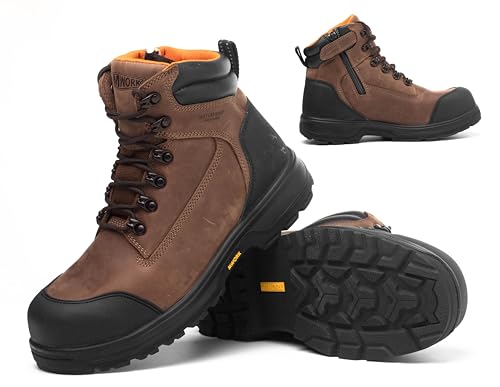
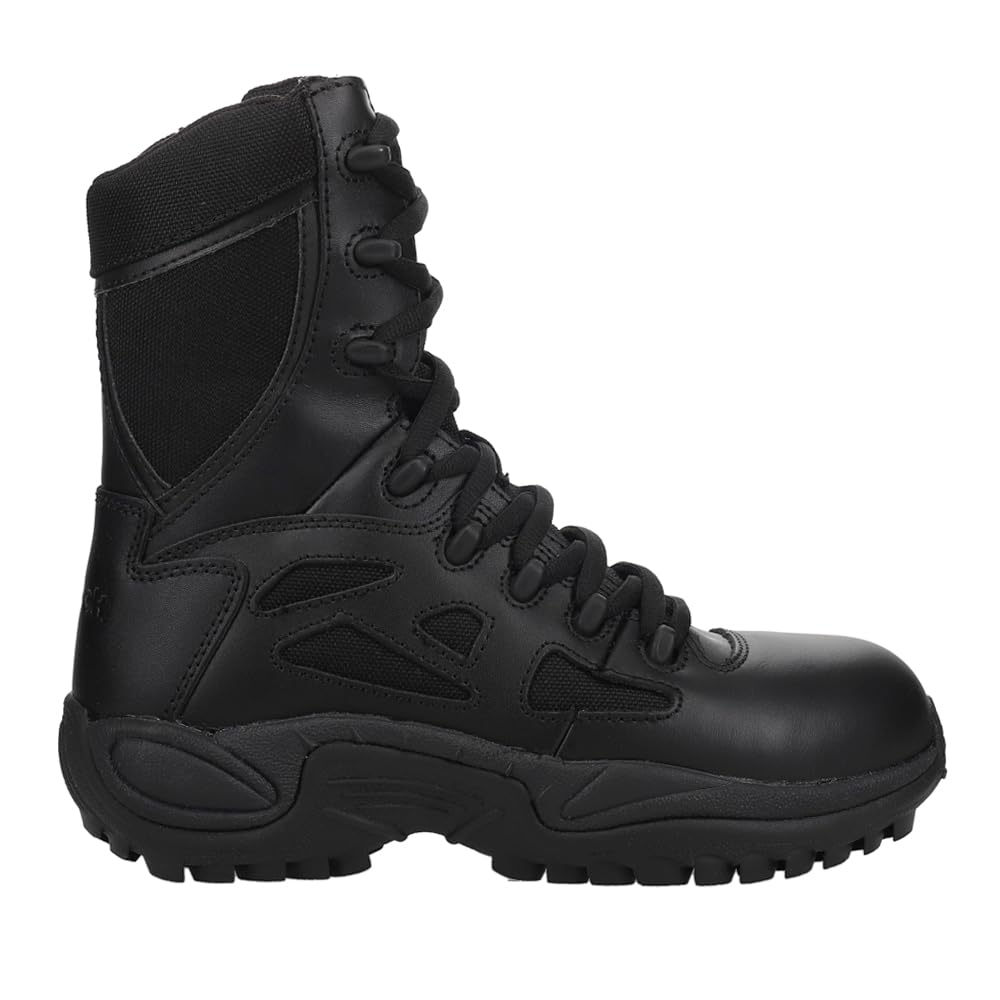
A composite safety toe is a cap made from fibers, plastics, or resins instead of steel. It is rated for impact and compression in the same classes as a steel cap, it weighs less, and it does not set off a metal detector. Tactical boots wrap that cap in a different package: a higher shaft for ankle support, a slim profile for stairs and vehicles, a side zipper for fast on and off, and an upper that polishes or wipes clean for uniform standards.
Standard work boots lean toward thick soles and heavy leather made for rough ground. Tactical boots lean toward agility, so expect a more flexible forefoot, a lower stack height, and a lighter overall feel. If your job is mostly construction or heavy trades, our guide to the best composite toe work boots may suit you better. If you spend your shift walking, standing, climbing stairs, and moving quickly, the tactical style is the better match.
Choosing the Best Composite Toe Tactical Boots by Duty
Security, Corrections, and Patrol Work
Long hours on hard floors reward cushioning and a stable heel. A side zipper saves time at checkpoints and when you change between shifts, and a polishable leather toe keeps a pair looking neat under inspection. Check your department or employer rules before you buy, because some require a specific color, a plain toe, or a particular sole pattern. Black is the common default for indoor duty, while coyote and desert tan fit outdoor and field roles.
EMTs, Fire, and First Responders
Responders move from clean floors to wet pavement and debris within minutes, so waterproof construction, a slip resistant outsole, and quick closure matter. A composite cap plus a side zipper gives you protection without the weight of a steel cap on long calls. A fire and safety style with an extra rating tag is worth a look if your role involves electrical or heat hazards, but confirm the exact rating on the label rather than assuming it.
Range, Training, and Field Use
Instructors and trainees need grip on gravel, grass, and mud, plus comfort over many hours standing. A tougher outsole lug pattern and a sturdy toe cap suit these jobs, and a desert or coyote color hides dust better than black. For uniform standards that mention a specific army regulation, read the boot description closely, since not every pair meets every rule.
Key Features to Compare in Composite Toe Tactical Boots
Safety Cap and Ratings
Look for the printed standard inside the boot or on the product page, and match it to what your employer requires. A composite cap is rated by impact and compression class, and added letters can mean electrical hazard resistance or a puncture resistant plate. Treat the label as the only proof of protection, because the word tactical describes a style, not a safety level. A cap that has taken a heavy blow should be retired even if the boot looks fine.
Closure: Side Zip, Laces, or Both
A side zipper is the main reason many buyers choose tactical boots, because it cuts dressing time to seconds. The trade off is that a zipper is one more part that can fail, so look for a covered zip with a storm flap and a lace system that still lets you tighten the fit around the ankle. Pairs with zipper plus laces let you set the fit once and then use the zip every day. Keep the zip clean and lubricated as the maker advises, since grit is its main enemy.
Shaft Height and Ankle Support
Six inch shafts feel lighter and cooler, which suits vehicle based work and long walks. Eight inch shafts add ankle support and keep gravel and water out, which suits patrol and field work. Pick the height that matches your terrain, and make sure the collar does not press on the ankle bone when you flex.
Fit, Sizing, and Toe Box
A composite cap does not stretch, so toe room on day one is the room you keep. Try boots on late in the day with your duty socks, leave a thumb width in front of your longest toe, and check that your heel stays seated when you climb stairs. Several brands run long or narrow, and wide widths exist in some lines, so buy the width your feet need rather than going up a half size.
Outsole and Slip Resistance
A tactical sole should grip tile, wet pavement, and grass without being so aggressive that it feels clumsy on smooth floors. Check for a slip resistance rating on the product page, and look for an oil resistant compound if you work near vehicles or kitchens. Worn tread is a safety problem, so inspect the heel and ball of the foot every month.
Upper Materials and Breathability
Full grain leather polishes well and lasts, but it runs warm and needs conditioning. Leather and nylon blends are lighter and breathe better, which helps in hot climates and long shifts. Waterproof membranes keep water out and slow drying, so they suit wet climates more than dry indoor work.
Weight and Break In
Composite caps save weight, but the whole boot still matters, so compare the weight of the pair rather than the cap alone. Most tactical boots need a few shifts to settle. Wear a new pair for short stretches first, treat any hot spot as a sizing warning, and keep your old pair as backup until the new one feels natural.
Styles of Tactical Boot at a Glance
Side Zip Duty Boots
These are the classic choice for police, security, and corrections work. They emphasize quick closure and a clean look, and many accept a polish. They suit mostly indoor and pavement duty, and they are the style to pick if your uniform code mentions black leather.
Lightweight Field Boots
Field boots swap some leather for nylon panels, which cuts weight and dries faster. They suit training days, range work, and warm climates, though they scuff sooner on rough ground and offer less protection from abrasion.
Fire and Safety Style Boots
These pairs focus on electrical and heat related ratings and often carry extra labels. They suit roles near live equipment or hot surfaces, but they should match the exact rating your employer names, not a general claim of safety.
Women's and Unisex Fits
Some lines are cut on women's lasts with a narrower heel, while others sell one unisex model across a wide size range. Check the size chart and the width options, because a boot built for a wider men's last often leaves a narrow heel slipping. If you also want a lighter option, see our guide to the best lightweight composite toe boots.
Care and Replacement
- Wipe leather after each shift, condition it every few weeks, and polish only the areas the finish allows.
- Dry wet boots at room temperature, away from heaters, and pull the insoles out overnight.
- Keep the zipper track free of dirt, and replace a split pull tab before it fails on shift.
- Rotate two pairs if you work long weeks, so the cushioning has a day to recover.
- Retire any pair after a heavy impact to the toe, a cracked sole, or a smooth worn tread.
Readers who also want broader options can compare best composite toe boots, outdoor styles in best composite toe hiking boots, and western looks in best composite toe cowboy boots.
Composite Toe Tactical Boots: Your Questions Answered
Are composite toe tactical boots as safe as steel toe?
When rated to the same impact and compression class, a composite cap gives the same listed protection as steel, with less weight and no metal. Always read the rating on the label for your exact pair, and follow your employer's rules about the class required.
Do composite toe tactical boots set off metal detectors?
The cap itself will not, because it has no metal. A side zipper, eyelets, or a shank can still trigger a sensitive gate in some builds, so check the product details if you pass through screening every shift.
How should composite toe tactical boots fit?
Snug at the heel and midfoot, with a thumb width of space in front of the toes and no contact with the cap when you crouch or take stairs. Try them on with your duty socks and walk on a hard floor before you commit.
How long is the break in period?
Most pairs settle within a week or two of regular wear. Sharp pinching that continues after two weeks usually means the size or width is wrong, so exchange the pair while the return window is open.
How often should I replace tactical boots?
Replace them when the tread wears smooth, the midsole feels flat, the upper cracks at the flex point, or after a heavy impact to the toe. For daily use that often means every one to two years, though duty on hard floors can wear a sole faster.
The Bottom Line
Match the boot to your duty first: side zip leather for indoor and patrol work, lightweight field boots for training and warm climates, and rated fire and safety styles where your employer names a hazard rating. Then confirm the cap rating, the fit with your work socks, and the sole for your floors. Compare your shortlist against the product table above, and the best composite toe tactical boots will be the pair that passes your uniform check and still feels comfortable at the end of the shift.


