
Best Composite Toe Cowboy Boots: A First Time Buyer's Guide for 2026
Disclosure: We may earn a commission when you buy through links on this page, at no extra cost to you. As an Amazon Associate I earn from qualifying purchases. Learn more

Shopping for the best composite toe cowboy boots for the first time? Learn the terms, compare options, and avoid rookie mistakes with this easy guide.
Buying protective footwear for the first time gets confusing fast, because every label seems to use a new term and every boot looks similar in photos. If your job requires a safety toe and you prefer a western style that pulls on without laces, learning how best composite toe cowboy boots are built will make the choice much simpler.
Note your work conditions first, such as wet floors, concrete, ladders, or long hours standing, because those details decide which features matter for you. Then use the comparison table below to see how boots differ on toe shape, shaft height, waterproofing, and outsole type.


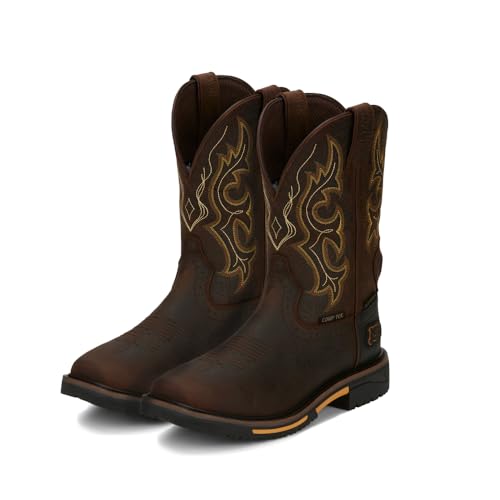
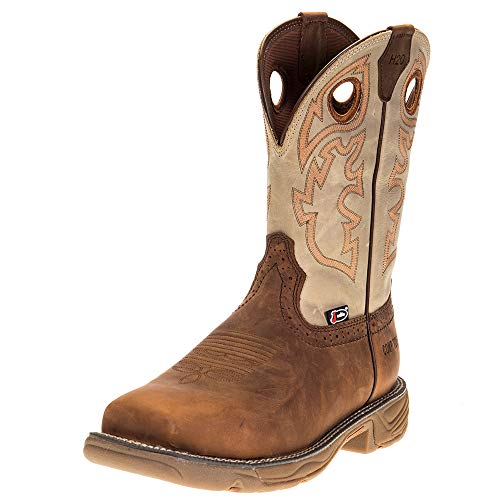


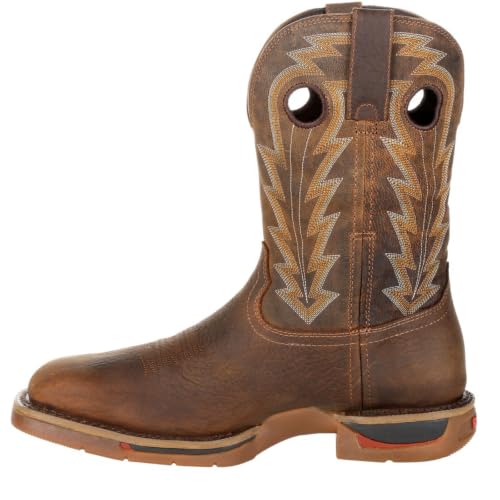
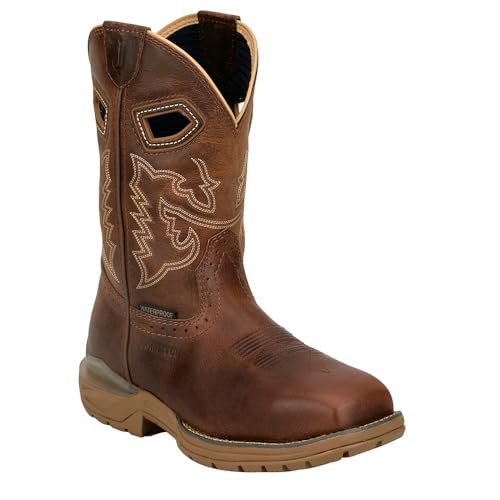
Composite Toe Cowboy Boots 101: The Basics for New Buyers
A composite toe cowboy boot pairs a classic western pull on design with a protective toe cap made from materials such as fiberglass, carbon fiber, or strong plastic blends. The cap sits inside the front of the boot and shields your toes if a heavy object drops or rolls onto your foot. Because the cap contains no metal, the boot stays lighter than steel toe models and transfers less cold in winter.
Protection is not just a claim on the box, so look for a safety rating marked inside the boot or on its product page. Safety toe boots are tested for impact and compression under one standard that steel, alloy, and composite caps all must meet at the same levels. That means choosing the best composite toe cowboy boots is mostly about fit, weight, and your work setting rather than chasing a stronger cap material. Many models also add electrical hazard protection for accidental contact with energized circuits under dry conditions.
The western shape brings practical benefits, since a tall shaft protects your lower leg from brush, sparks, and splashes, and the design has no laces to snag on equipment. If you are still deciding between cap materials, see our guide to the best steel toe cowboy boots to understand what you gain and give up with steel. If your work is general warehouse or factory labor rather than western settings, you can also compare shapes and ratings in our guide to the best composite toe work boots once you know your key specs.
Key Specs Explained in Plain English
The five specs below decide whether a pair feels good at hour eight or becomes the pair you dread putting on, so read each one with your own job in mind.
Fit, Sizing, and the Toe Box
Cowboy boots fit differently from sneakers, because the instep does most of the work of holding the boot on. A new pair should feel snug across the instep, allow slight heel slip, and leave enough room in the toe box for your toes to lie flat without pressing the sides. Measure both feet late in the day, when feet are largest, and wear your normal work socks for the fitting.
Toe shape changes fit as much as size does, so think about the shape of your own forefoot before choosing a style. Pointed toes look classic but crowd wider feet, while round and square shapes give your toes more room to spread. If your feet are wide or you stand all day, look at the options in our guide to the best cowboy boots square toe for a roomier front end. Also check calf fit, since a tight shaft will annoy you long before the footbed does.
Waterproofing With Gore Tex and Other Membranes
Waterproof boots use a thin membrane inside the boot that blocks liquid water while letting some sweat vapor escape. Gore Tex is the best known membrane, but many brands use their own versions that work in a similar way, and all add warmth and a little stiffness. Choose waterproofing if you work outdoors in rain, wash down areas, or wet grass and mud on most days. Skip it for dry indoor work, because unlined leather will feel cooler and more breathable.
Waterproofing only works below the top of the shaft and only while the leather stays in decent shape, since deep water, cracked leather, and unsealed seams will eventually let moisture in. Treat the leather as directed by the maker so it sheds water and stays flexible. Trapped heat is the complaint new buyers mention most after buying waterproof boots for dry indoor work.
Outsole Traction and Terrain
The outsole is the bottom layer that meets the ground, and its material and tread pattern decide how safely you move through your day. Rubber outsoles grip wet concrete and resist oil and chemicals better than smooth leather outsoles, which suit riding more than job sites. Deeper lugs shed mud and hold on dirt and gravel, while flatter tread works better on smooth warehouse floors. Match the tread to the surface you walk on most.
Stability also comes from the heel and the shank, a stiff support piece in the sole under your arch, which reduces wobble on ladders and uneven ground. If your days mix pavement with trails or farm ground, the tread guidance in our guide to the best composite toe hiking boots shows how lug patterns change with terrain. For most first time buyers on mixed surfaces, a rubber outsole with medium lugs is the safest all around choice.
Arch Support and Your Foot Type
Arch support matters because cowboy boots often come with a basic insole, and your arch shape decides whether that insole is enough. Flat feet tend to roll inward as you walk, so you need a firmer insole and a stable heel to control that motion. High arches contact the ground on a smaller area, so you need more cushioning to spread pressure and prevent soreness. Knowing your foot type can save you from blaming the boot for a problem an insole swap could fix.
Many boots have removable insoles, so you can fit an aftermarket insole shaped for your arch without changing boot size, as long as the toe box still has room for the extra height. If you have lasting foot, knee, or back pain, talk with a clinician about your personal needs. Persistent numbness, sharp pain, or swelling that does not settle overnight deserves professional advice rather than a new boot alone.
Upper Materials and Breathability
Most uppers in this category are leather, and the grade of leather decides how the boot ages, how it resists scuffs, and how much it costs. Full grain leather is the strongest option and molds to your foot over time, while corrected or split leathers cost less and usually wear out sooner. Some models add fabric panels at the shaft to cut weight and improve airflow, which helps in hot climates but offers less protection against sparks and sharp edges. For most job sites, an all leather upper remains the safer choice.
Breathability comes from the leather, the lining, and any fabric panels, and it affects comfort more than many new buyers expect. Unlined leather boots breathe best and dry faster, while insulated and waterproof linings hold heat in. In a hot kitchen, foundry, or summer roofing crew, prioritize airflow and moisture wicking socks over extra lining. You can also compare materials across the wider category in our guide to the best composite toe boots.
Rookie Mistakes to Avoid
Most first purchase regrets come from a handful of simple errors rather than from a bad boot, so check each one below against the pair you are about to buy.
- Ordering your sneaker size without measuring, which often leaves the instep too loose and causes blisters from the boot shifting as you walk.
- Choosing a pointed toe for looks when your feet are wide, which crowds your toes and can leave them sore and numb by the end of a shift.
- Ignoring the safety rating label, which can leave you with a boot your employer rejects because it lacks the required impact or electrical hazard rating.
- Buying waterproof boots for a dry indoor job, which traps heat and sweat and makes the boots feel clammy through the whole day.
- Wearing a brand new pair for a full shift on day one, which turns normal break in stiffness into blisters and sore spots that take days to heal.
Getting Started: Setup and First Use
When your boots arrive, inspect the stitching, check that both boots match in size and toe shape, and read the care notes from the maker. Try them on indoors with your work socks, walk on carpet and hard floors, and confirm the instep feels snug and your toes never hit the front when you crouch. Keep the tags on until you are sure, so you can still exchange sizes.
Break the boots in with short wears first, such as an hour around the house, then a half day of light work, then a full shift once the leather flexes with your foot. The shaft and the area across the toes soften gradually, and the insole compresses to match your stride. Wear thick socks during this stage and cover any hot spot with a bandage before it becomes a blister.
Early care is simple. Let wet boots air dry at room temperature away from direct heat, because heaters can crack leather and weaken glues in the sole, and stuff damp boots loosely with newspaper to hold their shape. Brush off dried mud, apply conditioner only as the maker directs, and store the boots upright so the shafts do not fold and crease.
Frequently Asked Questions
How should composite toe cowboy boots fit when they are new?
New composite toe cowboy boots should feel snug across the instep, with slight heel slip and toes that lie flat without touching the front. That instep snugness holds a pull on boot in place, so a loose fit there will only get looser as the leather relaxes. Your heel should lift slightly with each step at first, then settle as the sole flexes. If your toes press the cap, go wider or change toe shape rather than sizing up.
How long is the break in period for composite toe cowboy boots?
The break in period for composite toe cowboy boots usually lasts about one to two weeks of regular wear. Most stiffness sits in the shaft and across the toes, and those areas soften as the leather warms and flexes with your stride. Building up from short wears to full shifts shortens the sore stage. If the fit still feels harsh after two weeks of steady wear, the shape probably does not match your foot.
Can you wear composite toe cowboy boots all day?
Yes, you can wear composite toe cowboy boots all day once the fit and break in are right. The composite cap weighs less than steel, which reduces leg fatigue over long shifts on concrete. For very long days, change into dry socks at midday, because damp socks are a leading cause of friction and achy feet. Rotating between two pairs on back to back days also gives each pair time to dry.
How often should you replace composite toe cowboy boots?
Replace composite toe cowboy boots when the protection or support is worn out, which for daily work use is often after about twelve to eighteen months. Replace them sooner if the toe cap takes a heavy impact, because a cap that has absorbed one serious hit may not protect as well again. Other signs include tread worn smooth, a sole separating from the upper, and cracked leather at the flex points.
Do you need waterproof composite toe cowboy boots?
You need waterproof composite toe cowboy boots only if your work regularly exposes your feet to rain, standing water, wash downs, or wet ground. A membrane keeps outside water out, but it cannot help with sweat, so dry indoor workers usually stay more comfortable without one. Water resistant leather treatments differ from a true membrane, since treatments shed light splashes while a membrane blocks steady exposure. For occasional splashes only, treated leather plus good socks is often enough.
Are expensive composite toe cowboy boots worth the money?
Expensive composite toe cowboy boots can be worth the money when the higher price buys better leather, stronger stitching, and a sole that can be replaced. Welted construction, where the sole is stitched to the upper, lets a cobbler resole the boot and extend its life beyond a glued sole model. Lower priced pairs suit light duty and occasional use, while daily heavy use justifies spending more. Judge value by cost per year of safe use, not by the price tag alone.
Final Thoughts
For a first purchase, focus on three things: a verified safety rating, a snug instep fit with room in the toe box, and an outsole matched to your floors or ground. Get those right and most pairs of best composite toe cowboy boots will serve you well. Use the product table above to compare your shortlist against the specs you noted, and measure your feet before you order. Take the break in slowly and care for the leather from the first week.


