
Best Composite Mountain Bike Pedals: Budget, Midrange, and Premium Picks for 2026
Disclosure: We may earn a commission when you buy through links on this page, at no extra cost to you. As an Amazon Associate I earn from qualifying purchases. Learn more

Compare the best composite mountain bike pedals by price tier, platform size, pin grip, bearings, and durability with this practical buying guide and checklist.
Composite pedals can cost under $30 or well over $100, and the price gap is not always obvious from a product photo. Both pairs may look wide, dark, and covered in pins, yet they can ride very differently once mud, rock strikes, and wet shoes enter the picture. This guide to the best composite mountain bike pedals shows you where extra money actually helps and where it does not.
You will learn how platform size, pin design, and bearing quality change across tiers, plus how to match a pedal to your shoes and riding style. Use the comparison table below to narrow your shortlist, then check the tier notes before you buy.


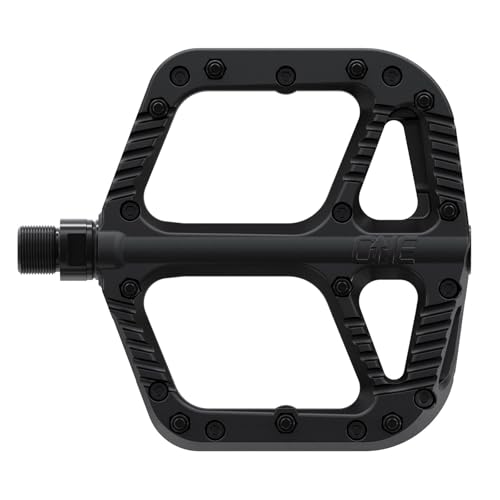

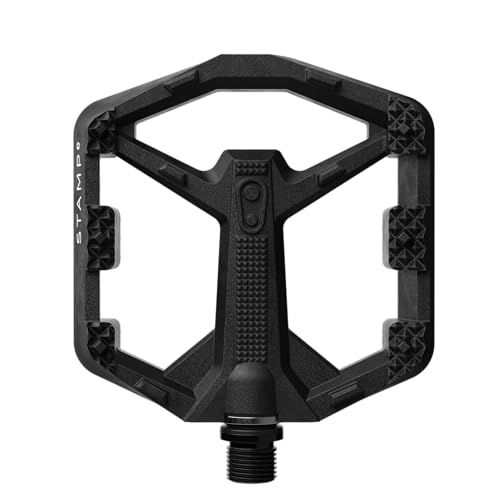

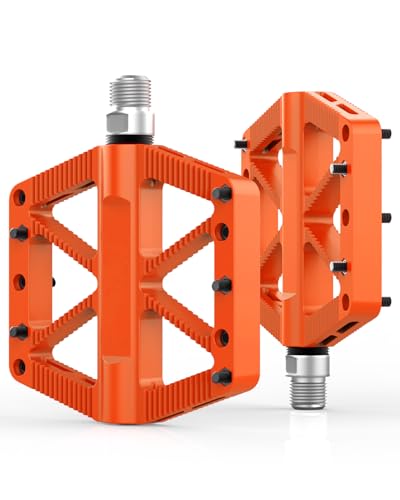
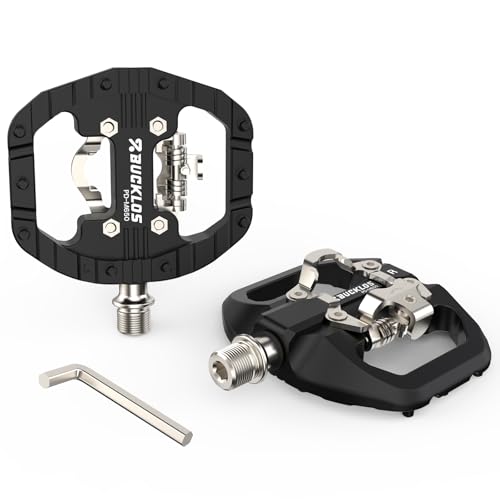
What Your Money Gets You at Each Price Tier
Price tiers in this category are less about the body material, since nearly every option here uses a nylon composite body, and more about the details around it. Pins, axles, bearings, and finishing quality are what separate a pedal that feels solid for three seasons from one that develops play by spring. Think of the tiers below as a map of trade offs rather than a ladder you must climb.
Budget Tier: What to Expect
Budget pedals usually cost around $25 to $45. You typically get a reasonably wide platform, molded pins or short metal pins, and basic bushings or a simple bearing and bushing mix. Grip is fine for dry trail riding and bike park laps on a loaner bike, but molded pins wear down and cannot be replaced. Axle finishing is plainer, so threads may need grease and care during install. For a spare bike, a growing teen, or your first season on flat pedals, this tier makes sense and leaves money for good shoes, which matter just as much.
Midrange Tier: The Sweet Spot for Most Buyers
Midrange pedals usually cost around $50 to $80, and this is where most riders should shop. You get replaceable metal pins that you can raise, lower, or swap after a rock strike, plus sealed cartridge bearings that spin smoothly and resist trail grime. Platforms tend to have a slightly concave shape, so your shoe settles into the middle instead of skating toward the edges. Concavity is a small detail with a big effect on rough descents. If you are comparing shapes in this tier, our guide to the best composite flat mountain bike pedals explains how flat profiles differ in feel.
Premium Tier: When Spending More Pays Off
Premium pedals usually cost around $90 to $140. The gains are refinement rather than a new category of performance: thinner profiles that clear rocks more easily, precisely machined axles, multiple sealed bearings per pedal, and pin kits with spares in the box. Weight drops a little, often by 30 to 60 grams per pair, which you will barely feel. What you will feel is a pedal that stays tight and smooth after two wet winters. Riders who race, ride rocky terrain weekly, or keep one bike for many years get the most from this tier.
Features Worth Paying For and Ones to Skip
Marketing copy for pedals leans hard on pin counts and platform dimensions, but neither number tells the whole story. A pedal with ten well placed pins can grip better than one with fourteen short pins crowded near the axle. The four checks below help you spend on the details that change your ride and skip the ones that only change the spec sheet.
Compatibility With Your Bike or Gear
Nearly all mountain bike pedals use a standard 9/16 inch thread, so fitting your cranks is rarely a problem, but check anyway if your bike has older or specialty cranks. The bigger decision is flat versus clipless. Flat composite pedals pair with stiff soled flat pedal shoes, while clipless systems need compatible cleats and shoes, a different commitment entirely. If you are still weighing that choice, read our overview of the best pedal for mountain bike setups before you spend. Also confirm the pedal installs with a hex key or a pedal wrench, whichever you own.
Weather Resistance and Durability
Composite bodies shrug off rock strikes that would gouge and bend a thin metal cage, and they do not corrode. The weak points are the moving parts: unsealed bearings ingest gritty water and develop play, and cheap axles can rust at the threads. Sealed cartridge bearings are worth paying for if you ride in rain or hose your bike down often. Look for a rubber or labyrinth style seal at the crank side of the pedal, where spray hits hardest. One easy habit: spin each pedal by hand monthly, and service or replace it when the spin feels gritty rather than smooth.
Value and Warranty
Value here means cost per season, not the sticker alone. A pedal around $60 with replaceable pins and rebuildable bearings can outlast two budget pairs, which flips the math in its favor. Check whether the maker sells pin kits and bearing kits, and what they cost, before you buy. A warranty of two years or more signals confidence in the axle and body. Keep your receipt and note the purchase date, because warranty claims on wear parts often turn on proof of age. If replacement parts are unavailable or nearly half the price of a new pair, treat the pedal as disposable and price it that way.
Fit, Sizing, and Comfort
Platform size should match your shoe size and riding style. Riders with shoes above US size 10 usually prefer platforms around 110 mm long, while smaller riders can use compact platforms around 100 mm and gain rock clearance. Width matters too: a wide platform supports the ball of your foot and reduces hot spots on long descents. Concave shape and pin height shape comfort as much as raw size, since pins that are too tall feel harsh on thin soles. For a deeper look at platform shapes, see our guide to the best mountain bike platform pedals and how their footprints compare.
Long Term Costs to Factor In
The purchase price is only the start. Budget for a pin kit at around $8 to $15 every season or two if you ride rocky trails, since pins bend and shear. Bearing or bushing service kits cost around $10 to $25, and a tube of waterproof grease serves many installs. Flat pedal shoes are the biggest companion cost, often around $80 to $140, and worn soles grip poorly no matter how good the pedal is. If you are new to flats, our guide to the best flat pedal for mountain bike riding covers the shoe and pedal pairing in more depth. Add these costs together and a midrange pedal with serviceable parts often wins on total ownership cost.
Frequently Asked Questions
Are composite pedals strong enough for hard trail riding?
Yes, quality composite bodies handle aggressive trail riding well because the material flexes slightly on impact instead of cracking. The axle and bearings are the parts that decide long term strength, so choose steel axles and sealed bearings. Inspect the body after a hard rock strike for deep gouges near the axle, and replace the pedal if cracks radiate from that area.
Clipless or flat pedals for beginners?
Flat pedals are usually the better starting point because you can put a foot down instantly, which builds confidence on technical climbs and corners. Many coaches teach core skills on flats first for exactly that reason. If you later want a connected feel for racing or long climbs, our guide to the best clip pedals for mountain bike explains what that switch involves. Neither choice is permanent, and many riders own both.
How do I choose the right pedal size?
Start with your shoe size, then think about terrain. Large feet and long descents favor longer platforms around 110 mm, while tight, rocky trails favor shorter platforms that strike less often. Stand on the pedal in your riding shoes before a ride if a shop allows it. Your foot should feel supported from the ball to just behind it, without hanging far off the front edge. When in doubt between two sizes, the smaller one usually feels more nimble.
How often should I replace composite pedals?
Replace them when the body cracks, the axle develops side to side play that service cannot fix, or molded pins wear smooth. With replaceable pins and serviceable bearings, a good pair can last several seasons. A practical check: grip the pedal body and rock it against the crank. Noticeable clunking means the internals are worn. Many riders find their best composite mountain bike pedal lasts longest when they grease the threads at install and keep high pressure water away from the seals.
What should I check before my first ride on new pedals?
Confirm the left and right pedals are on the correct sides, since the left pedal uses a reverse thread and forcing it damages cranks. Torque them snugly, set pin heights evenly on both sides, and do a short parking lot ride to test foot position. Carry the small hex key for pin tweaks on your first trail ride, because one adjustment stop often gets your stance exactly right.
The Bottom Line
Choose platform size for your shoes first when comparing the best composite mountain bike pedals, then sealed bearings and replaceable pins, then price tier. Most riders land happily in the midrange, while premium pedals reward rocky terrain and long ownership. When you are ready to compare options side by side, look back at the product table above and match it against the best composite mountain bike pedals criteria in this guide.


