
Best Composite Toe Boots for Walking: Comfort Over Distance for 2026
Disclosure: We may earn a commission when you buy through links on this page, at no extra cost to you. As an Amazon Associate I earn from qualifying purchases. Learn more

Composite toe boots for walking: how cushioning, flex, toe room and weight keep your feet comfortable over long distances on the job.
A protective boot that feels fine while you stand still can punish your feet after two miles of steady walking. Weight, stiffness, and thin cushioning add up with every step, and a toe cap that crowds your toes turns a long shift into a countdown. That is why the best composite toe boots for walking are judged by comfort over distance, not by protection alone.
There is no single pair that suits every walker, because your surface, your mileage, and your weather change what matters most. A warehouse picker on smooth concrete needs different support than a delivery driver climbing in and out of a truck all day. Use the comparison table below to see how pairs differ, then read on to match those differences to the way you actually walk.

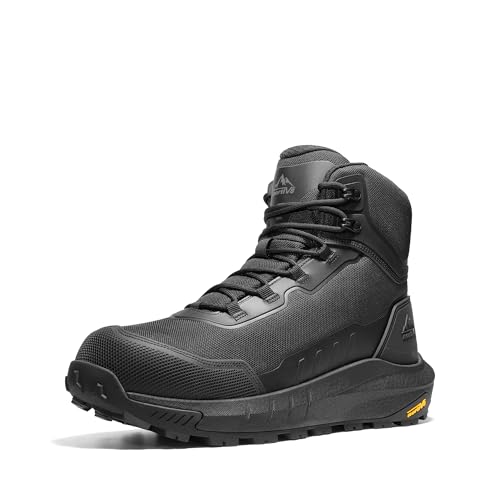

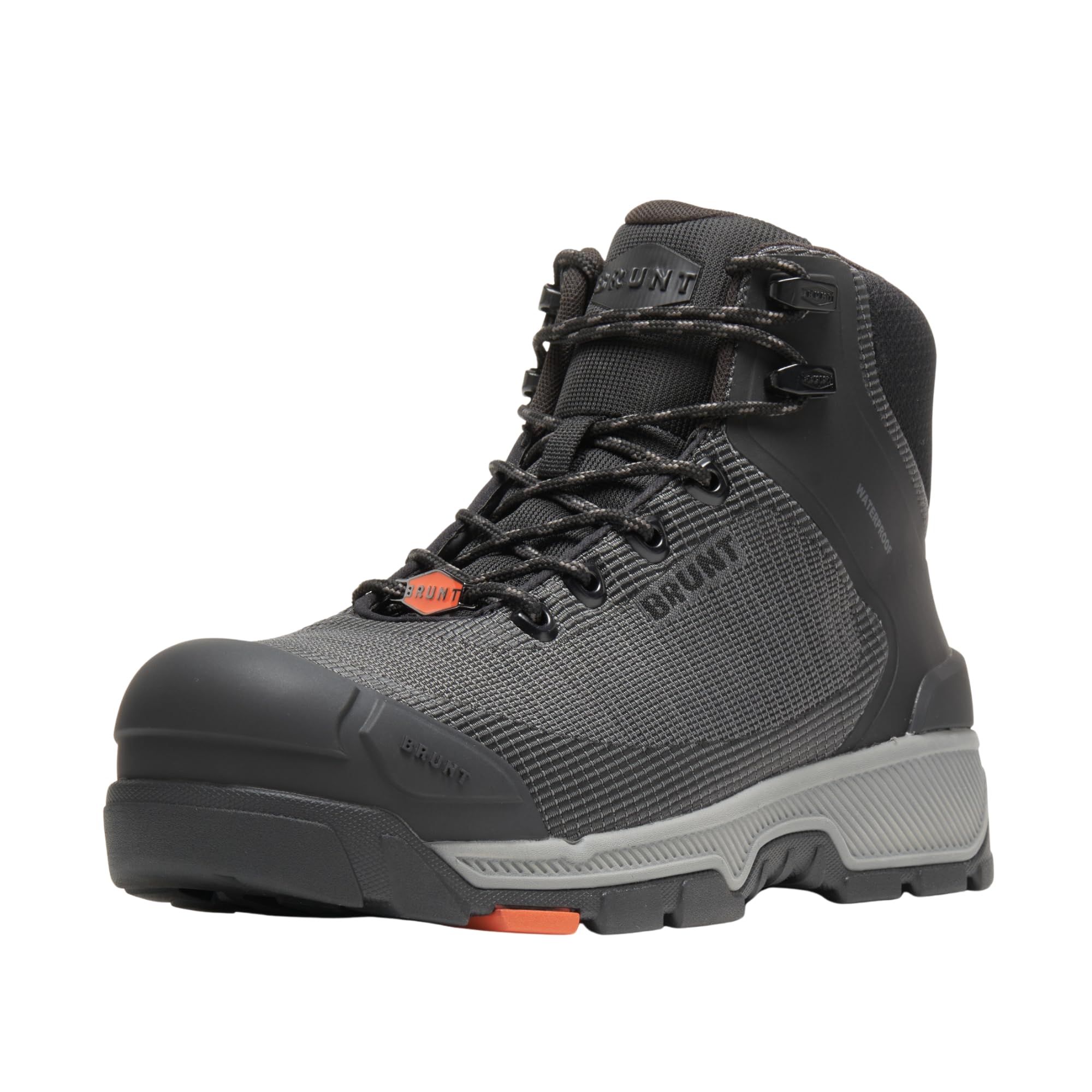

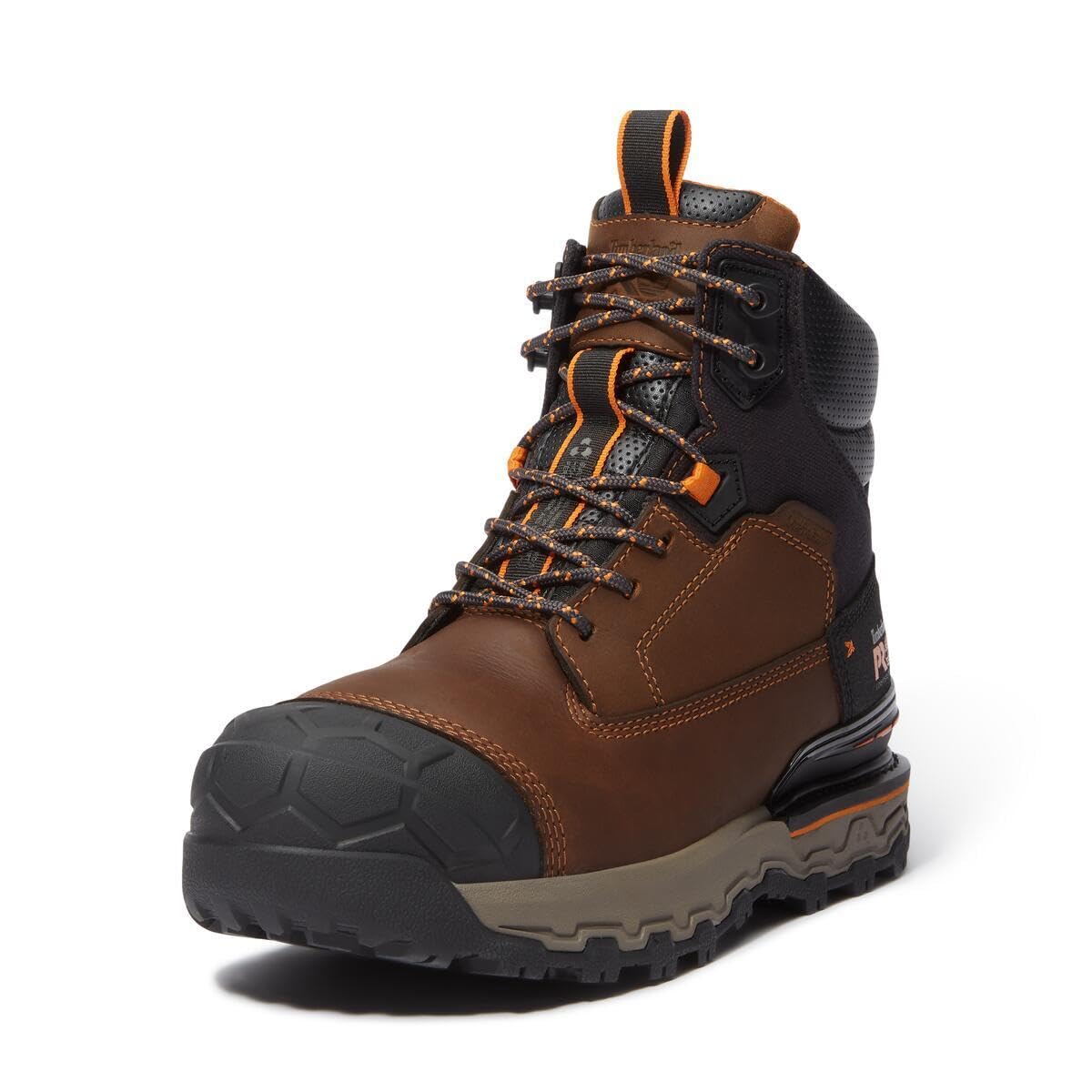
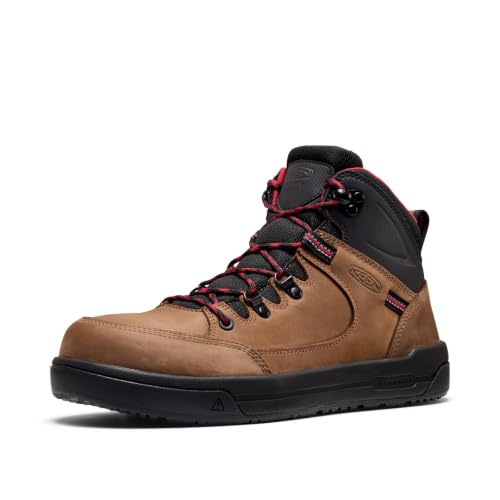


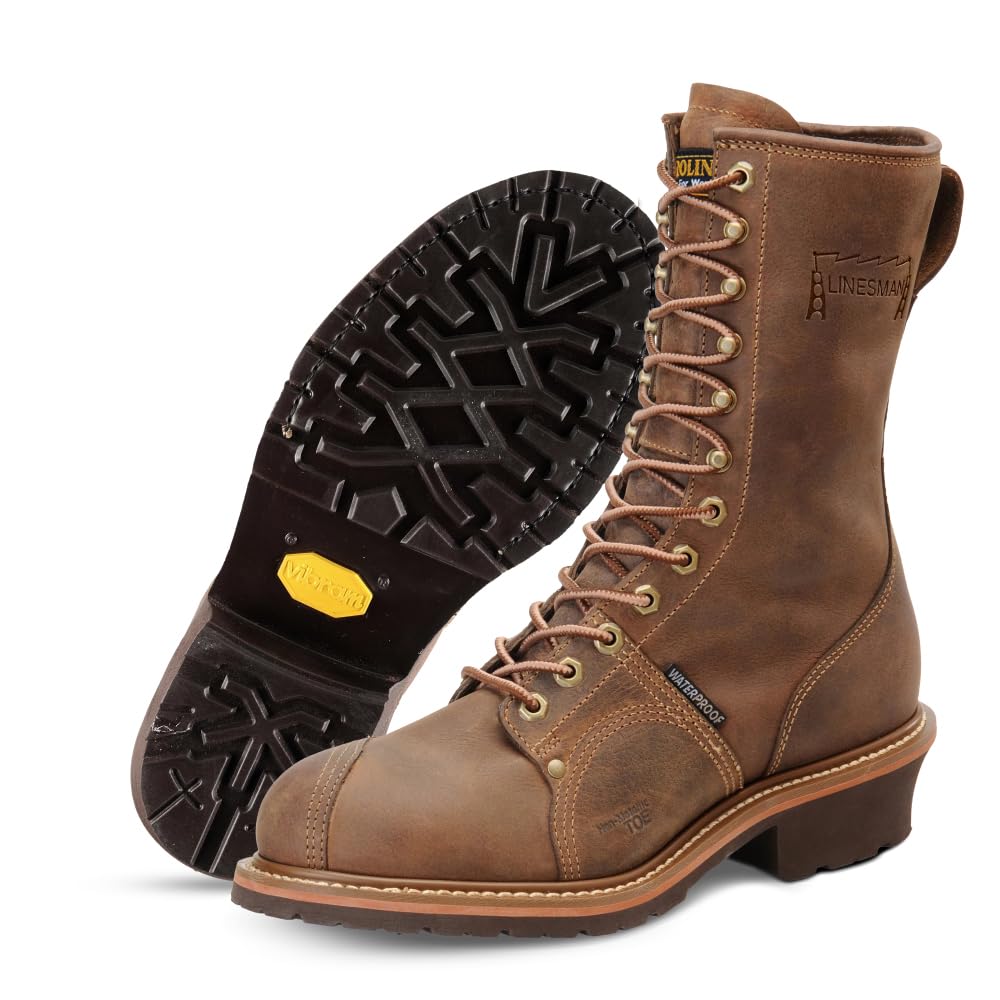
Who Should Buy Which Composite Toe Boots for Walking?
Start with your use, not with a brand or a price tag. Count how far you walk on a typical day and note the surfaces under your feet. If you want the broader picture before you narrow by use, see our guide to the best composite toe boots and then come back to the walking needs in this section.
For Bad Weather and Tough Conditions
Wet ground changes everything about a walking boot, from grip to drying time. Look for a waterproof membrane such as Gore Tex, sealed seams, and an upper that sheds rain instead of soaking it up. Deep lugs help on mud and wet grass, while a gusseted tongue keeps grit and puddle water from sneaking in at the laces. Readers whose routes mix trails, yards, and slick loading areas may also want to see our guide to the best composite toe hiking boots for more on grip and ankle support outdoors.
For Weekend Beginners
If you need protection only for occasional projects, volunteer work, or a part time job, you do not need the most rugged boot on the shelf. A mid height pair with moderate cushioning and a flexible sole will feel friendly from the first wear and will not punish you for low weekly mileage. Focus on an easy fit, a fair price, and a return window that lets you walk around at home before you commit. Simple care and a proven safety rating matter more at this level than premium materials.
For Frequent or Serious Users
Daily walkers who log serious miles need durability that casual pairs cannot match. Prioritize a midsole that resists packing down, stitching and overlays that survive constant flexing, and a warranty that covers defects beyond the first season. Your feet also change across a long day, so a fit that stays secure without squeezing swollen toes is worth real money. If most of your miles happen during a work shift, see our guide to the best composite toe work boots for workplace focused buying advice.
For Small Spaces and Easy Storage
Boots take up room, and that matters when your gear lives in a small locker, a car trunk, or a crowded entryway closet. Lower shaft heights and softer uppers store more easily than tall, rigid pairs, and lighter boots are simpler to carry as a spare set. A slim profile also helps if you change footwear at work and stash your street shoes in the same tight space.
Key Features to Compare
Use the product table above to compare weight, height, and waterproofing at a glance, then use the points below to judge what those details mean over miles. Shoppers comparing the best composite toe boots for walking often start with the toe rating and stop there, but your feet notice the midsole, the fit, and the flex long before a shift ends. Work through each feature with your own route in mind.
Cushioning and Support
Cushioning absorbs the repeated impact of heel strike, which happens thousands of times on a long walking day. A thicker midsole softens concrete, while a very soft midsole can feel unstable when you carry a load or step onto uneven ground. Arch support matters just as much, because tired arches shift pressure to your heels and the balls of your feet. Think in terms of stability versus neutral designs, much like stability and neutral shoes, since stability features guide a foot that rolls inward while neutral cushioning suits a steadier stride. Heel to toe drop also shapes your gait, and a moderate drop often feels natural for walkers who spend hours on hard floors.
Features That Matter for Walking
Walking is a rolling motion, so a boot built for walking must bend where your foot bends. Look for clear flex at the forefoot, a slightly rounded heel that smooths each landing, and a tread pattern that grips without feeling sticky on smooth floors. Breathable linings and moisture managing socks help because feet heat up over distance, and hot, damp skin blisters far more easily than cool, dry skin. Slip resistance on wet tile or sealed concrete matters more for most walkers than aggressive trail lugs, so match the outsole to the floors you cross most often.
Fit, Sizing, and Toe Box
Measure your feet late in the day, when they are at their largest, and wear the socks you plan to walk in. Your toes need room to spread as you push off, so the toe box should feel wide and tall enough that the composite cap never presses on your longest toe. A roomy front means little if your heel lifts with every step, since that sliding builds friction and blisters. Most walkers want roughly a thumb width of space ahead of their toes, a snug heel, and no pinching across the widest part of the foot.
Break In Period and Comfort Out of the Box
Some boots feel ready on day one, while others need a gradual break in period before the upper softens and the footbed molds to your stride. Synthetic uppers and padded collars usually settle quickly, while thick leather can take a week or more of short wears. Plan that ramp up honestly, because forcing a brand new stiff pair through a full shift invites hot spots and sore ankles. Comfort out of the box is a real advantage for walkers, yet a slightly firm boot that fits your shape well often wins after the first fortnight of use.
Weight and Flexibility
Every ounce on your foot is lifted thousands of times a day, so boot weight quietly decides how fresh your legs feel by evening. Composite caps help here because they deliver rated protection without the heft of steel, and they do not conduct cold the way metal can. Flexibility matters alongside weight, since a light boot that bends like a board still fights your stride. If low weight sits at the top of your list, see our guide to the best lightweight composite toe boots for more on trimming weight without giving up protection.
Common Mistakes to Avoid When Buying Composite Toe Boots
Most regrets come from a short fitting session and a long first shift. Watch for these frequent errors before you spend.
- Buying on the safety rating alone leaves you with a protective boot that hurts to walk in, so every long day becomes a struggle.
- Ordering your sneaker size without checking means the wider composite cap can crowd your toes and cause blackened nails on long walks.
- Testing boots with thin dress socks hides fit problems that your thicker work socks will expose within the first mile.
- Choosing deep trail lugs for smooth warehouse floors reduces contact with the ground and can make each step feel less secure.
- Ignoring the return policy means a poor fit discovered during your first full week becomes money you cannot recover.
Setup and Care Tips
A few simple habits keep a walking boot comfortable and protective for far longer. Set your lacing so the heel locks in place without cutting off circulation, and swap the stock insole for a supportive one if your arches need more help. After wet walks, pull the insoles out, loosen the laces, and air dry your boots away from direct heat, since radiators and heaters crack uppers and warp adhesives.
Brush off dried mud before it grinds into seams, and treat leather uppers with a conditioner suited to the material so they stay supple. Rotating two pairs on alternating days lets the cushioning rebound fully between shifts, which extends the life of both pairs. Retire a pair when the tread runs smooth at the heel, the midsole feels flat and dead, or the cap takes a heavy impact.
- Loosen laces fully before pulling boots off so the heel counter keeps its shape.
- Store boots upright in a ventilated spot rather than sealed in a bag while damp.
- Check lace eyelets and hooks monthly, since a failed eyelet changes fit and stride.
Frequently Asked Questions
What features matter most in composite toe boots for walking?
Cushioning, forefoot flex, and a toe box with real spreading room matter most for walking comfort. Support through the arch and a secure heel come next, because they keep your stride aligned as fatigue builds. One point many buyers miss is the rating label inside the boot, so confirm that the impact and compression ratings printed there satisfy your employer before you rely on the product name alone.
Do composite toe boots for walking need to be waterproof?
Composite toe boots for walking only need to be waterproof if your routes regularly cross rain, puddles, or wet work areas. Dry indoor walkers usually stay more comfortable in breathable pairs that vent heat across a long shift. Remember that once water pours over the collar of a waterproof boot, the membrane slows drying, so tall socks and trousers that shed water over the shaft help in heavy rain.
How should composite toe boots fit for walking?
Composite toe boots should fit snugly at the heel and midfoot with clear space ahead of your toes. Your longest toe should never touch the cap when you walk downhill or press the front of the boot. If you use custom orthotics or thick aftermarket insoles, bring them to the fitting, because they lift your foot inside the boot and can create pressure on top of your toes that plain socks never reveal.
Can you wear composite toe boots for walking all day?
Yes, you can wear composite toe boots for walking all day when the fit, cushioning, and weight suit your mileage. Build up gradually over the first week so your feet and calves adapt to the support and shaft height. A fresh pair of socks at midday is a small trick with an outsized payoff, since dry socks cut friction, reduce odor, and make the second half of a long day feel noticeably easier.
How often should you replace composite toe boots used for walking?
You should replace composite toe boots used for walking when the cushioning feels flat, the tread wears smooth, or your feet ache in ways they did not before. High mileage walkers may reach that point in about a year of daily use, while occasional users get far longer. After any heavy object strikes the cap, retire the pair even if the upper looks fine, because hidden cap damage can reduce protection.
Are expensive composite toe boots worth it for walking?
Expensive composite toe boots can be worth it for walking when the extra cost buys lighter materials, better cushioning, and stronger construction. Daily walkers often save money over time because a durable pair outlasts two cheaper pairs. Judge value by cost per month of real use rather than by the sticker, and remember that a modest pair with fresh replacement insoles can serve occasional walkers perfectly well.
Final Thoughts
Comfort over distance comes from the match between your feet, your surfaces, and your mileage. Put cushioning, honest fit, and sensible weight at the top of your list, and let weather and storage needs settle the rest. Look back at the comparison table above with those priorities in hand, and choose the best composite toe boots for walking for the days you actually live, not for a job you imagine.


