
Best Compound Crossbows: A Buyer Checklist for 2026
Disclosure: We may earn a commission when you buy through links on this page, at no extra cost to you. As an Amazon Associate I earn from qualifying purchases. Learn more

Compare the best compound crossbows with a clear buyer checklist on speed, draw weight, size, safety features, warranty, value, and long term care.
Choosing a compound crossbow gets easier when you judge every model against the same short checklist instead of chasing the biggest speed number on the box. The best compound crossbows balance honest performance, safe handling, a size that fits your hunting spots, and parts support you can actually reach. This guide walks through the criteria that matter, the price tiers, and the warning signs worth avoiding.
Use the comparison table below to line up the specs side by side, then read on for what each number means in the field. By the end you will know which questions to ask about draw weight, axle width, trigger feel, and warranty coverage before you spend anything.


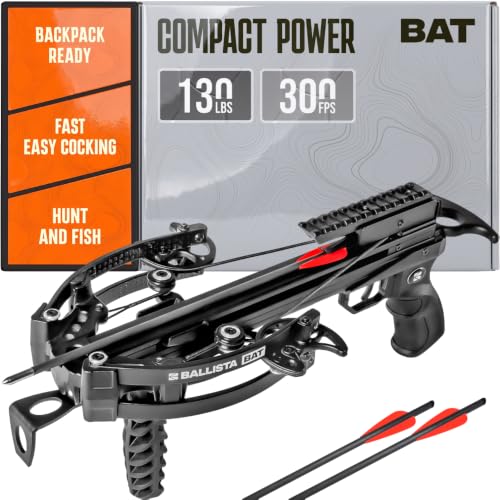

How to Judge a Compound Crossbow Before You Buy
A simple scoring habit keeps the search honest. Rate each model on use, fit, safety, support, value, and upkeep.
Intended Use and Who It Is For
Start with the job the crossbow has to do. A deer hunter who sits in a tight blind needs a narrow bow and a quiet shot, while a target shooter at a range can accept more width in exchange for a steady hold. If whitetail hunting is your main plan, see our guide to the best crossbows for deer for season specific advice. Naming your main use first stops you from paying for speed or features that your situation never calls on.
Size, Weight, and Fit for Your Space
Two widths matter on a listing. The uncocked width tells you how the bow carries through brush and fits in a vehicle, while the cocked width tells you how much room you need beside a tree or inside a blind. Total weight matters too, because a heavy bow on a long walk or a long hold at full draw wears you out fast. If space is your tightest limit, our guide to the best mini crossbows covers compact options built for small blinds and thick cover.
Safety Features and Build Standards
Look for a dry fire prevention system, an automatic safety that engages when the bow is cocked, and a fore grip shape that keeps your fingers below the string path. The string should track straight in the rail with no visible lean, and the limbs should show clean, even edges with no splinters or lifting fibers. If you are new to crossbows, take a lesson or at least a supervised first session at a local range, and always follow the manual for your exact model.
Warranty and Customer Support
Limbs, cams, and strings live under heavy load, so the warranty is part of the product, not fine print. Check how long the limbs are covered, whether string wear counts as normal upkeep, and how you reach support when a part fails close to opening day. Strong coverage and a stocked parts counter are a big part of what separates the best quality crossbows from models that look similar on paper but leave you waiting weeks for a simple fix.
Price Compared With Value
Value means what you get for the money across the whole package, not the lowest sticker. A ready to hunt kit that includes a decent scope, quiver, bolts, and a cocking aid can cost less in total than a bare bow that needs each item bought apart. Budget models often sit under $400, mid range bows run about $400 to $900, and premium options climb above that. Judge each tier by trigger quality, included gear, and support, and let durability claims earn their price.
Maintenance and Long Term Costs
Ownership costs continue after checkout. Strings and cables need wax and eventual replacement, scopes can lose zero and need fresh batteries on lighted models, and bolts get lost or damaged in normal use. Ask what a string change costs at a local shop and whether the bow needs a press for that work. A model with common, easy to find parts will cost less to keep shooting over five or six seasons than one built around rare fittings.
Matching a Crossbow to Your Budget and Shooting Style
Price tiers buy different things, and none of them buys accuracy by itself. The guidance below replaces any ranking with the trade offs you actually make at each level, so you can pick the tier that fits your hunting style and stop there.
What Matters Most at Lower Prices
At the low end, put safety features and a sound trigger ahead of headline speed. A bow that shoots a little slower but groups tightly at 30 yards serves a new hunter better than a fast bow with a gritty trigger that pulls shots off line. Composite rails and basic scopes are normal here and work fine within modest ranges. If low cost is the whole point of your search, our guide to the best inexpensive crossbows focuses only on that end of the market.
What Mid Range Money Should Buy You
The middle tier is where most hunters get the best balance of features and price. Expect a smoother trigger, a quieter shot, better scope glass with markings for several distances, and a cocking device that cuts the effort of a heavy draw. Metal rails and adjustable stocks also show up here, and both help the bow fit more than one shooter. This is also the tier where warranty terms improve, which matters once the bow sees real seasons instead of a few sighting sessions.
When Premium Features Earn Their Cost
Premium money should buy clear gains you can feel, such as a very narrow cocked width, a built in crank that makes cocking quiet and even, and a trigger that breaks cleanly with little creep. Brand ecosystems matter at this level too, since matched bolts, cases, and service networks keep the bow running for years. If one maker draws you in, see our guide to the best tenpoint crossbows for a brand focused look. Skip premium pricing when the gains are only a few extra feet per second.
Quick Buyer Checklist
Run through these questions before you order, and treat any no as a reason to keep looking or to budget for the missing piece.
- Does the cocked width fit the blind, stand, or range lane where you will shoot most?
- Can you cock the bow safely with the included aid, every time, without rushing?
- Does the bow have dry fire protection and a safety that engages on its own?
- Is the total weight, with scope and quiver fitted, comfortable for your walk in?
- Does the kit include bolts, a quiver, and a scope you would keep for a full season?
- Are replacement strings, cables, and bolts easy to order for this exact model?
- Does the warranty cover the limbs for several years, with clear support contact details?
- Have you checked your state and local rules for crossbow seasons and minimum draw weight?
Red Flags to Watch For
Weak products usually announce themselves in the listing, if you know where to look. Walk away or dig deeper when you spot any of these signs.
- Speed claims with no bolt weight stated, since a very light bolt inflates the number and your hunting bolts will fly slower.
- No mention of dry fire protection or of how the safety works, which suggests safety gear was an afterthought.
- A warranty of only a few months on limbs that carry hundreds of pounds of stored energy.
- Reviews that repeat the same phrases and praise everything, with no mention of noise, weight, or any drawback at all.
- No manual, parts list, or support contact anywhere on the maker site, which leaves you stranded when a string wears out.
Choosing Compound Crossbows for Your Situation
Shopping With a Cap Near $700
A budget cap of about $700 still reaches the strong part of the mid range, so spend it on the trigger, the cocking system, and the scope before anything else. At this level you can expect a metal rail, an adjustable stock, and a crank or rope aid in the box, which covers most deer hunting inside 40 yards. Put the money you save against higher tiers toward quality bolts, broadheads, and a spare string, since those items shape your groups more than a small speed gain would.
Care and Maintenance Tips
Read the manual before the first shot, because string routing, bolt seating, and safety steps differ between models. After each session, wipe the rail, check the string and cables for fraying, and look over the limb tips and cam edges for nicks. Apply rail lube and string wax only as the maker directs, since excess wax gathers grit that speeds wear.
Store the bow uncocked, in a dry room, away from heat sources and direct sun, which age limbs and string fibers. Never leave a cocked bow sitting for days, and never dry fire one even once to unload it, since a single dry fire can crack limbs. Have a shop press check the bow before each season, and replace the string on the schedule the manual gives rather than waiting for visible damage.
Compound Crossbows: Your Questions Answered
What features matter most when buying a compound crossbow?
The features that matter most are a safe and clean trigger, a cocking system you can work without strain, and a width that fits your hunting spot. After those, look at scope clarity and warranty length. One point buyers often miss is bolt retention: a firm brush or spring that holds the bolt against the string keeps groups consistent and prevents a partial dry fire if the bow gets bumped on the way to your stand.
Are expensive compound crossbows worth the money?
Expensive compound crossbows are worth it when the price buys a narrower profile, a quieter crank, and a trigger you can feel improve your groups. They are not worth it when the only gain is a small speed increase you cannot use at normal hunting ranges. A useful test is to split the price gap across the seasons you expect to hunt: a bow kept for eight seasons spreads even a large gap thin, while a one season experiment does not.
How long does a compound crossbow last with regular care?
A compound crossbow can last many seasons, often a decade or more, when strings are replaced on schedule and the bow is stored dry and uncocked. Limbs and cams rarely wear out from shot count alone at hunting volumes. The part most owners overlook is the scope mount: check its screws each season, because a mount that loosens a fraction will shift your zero slowly enough that you blame your shooting instead of the hardware.
How much should you spend on a compound crossbow?
Spend enough to cover safe cocking, a decent scope, and solid limbs, which for most hunters lands somewhere between about $400 and $900. Going below that range usually means giving up trigger quality or support, while going above it buys comfort and compact size more than raw results. Set aside roughly ten percent of the bow price each year for strings, bolts, and shop checks, so the total cost of ownership never surprises you mid season.
How do you maintain a compound crossbow between seasons?
Between seasons, clean the rail, wax the string, and store the bow uncocked in a dry place inside a padded case. Remove the scope batteries on lighted models so a leaking cell cannot ruin the contacts over the off season. Before the next opener, shoot a short session at close range first and confirm your zero at each scope marking, since a settled string can shift your point of impact, and that is easier to catch at 20 yards than in the woods.
Final Thoughts
The right crossbow is the one that scores well on fit, safety, and support, not the one with the loudest speed claim. Use the product table above to compare widths, weights, and kit contents against this checklist, and let your hunting spot and budget do the narrowing. Chosen that way, the best compound crossbows stop being a guess and become a simple match between your needs and a bow built to meet them.


