Best Compact Photography Cameras: Buying Guide for 2026
Disclosure: We may earn a commission when you buy through links on this page, at no extra cost to you. As an Amazon Associate I earn from qualifying purchases. Learn more

Best compact photography cameras compared by sensor, lens, autofocus and battery life for travel, family photos and street scenes.
A compact camera earns its place when your phone feels limiting but a large camera stays home too often. The best compact photography cameras give you a real lens, stronger low light results, and physical controls in a body you can carry every day. The comparison table below gathers the key specs side by side so you can spot the differences that matter before you spend anything.
This guide walks through sensor size, lens reach, autofocus, battery life, and handling in plain language. You will learn which tradeoffs suit travel, family photos, street scenes, and video, and which specs you can safely ignore.
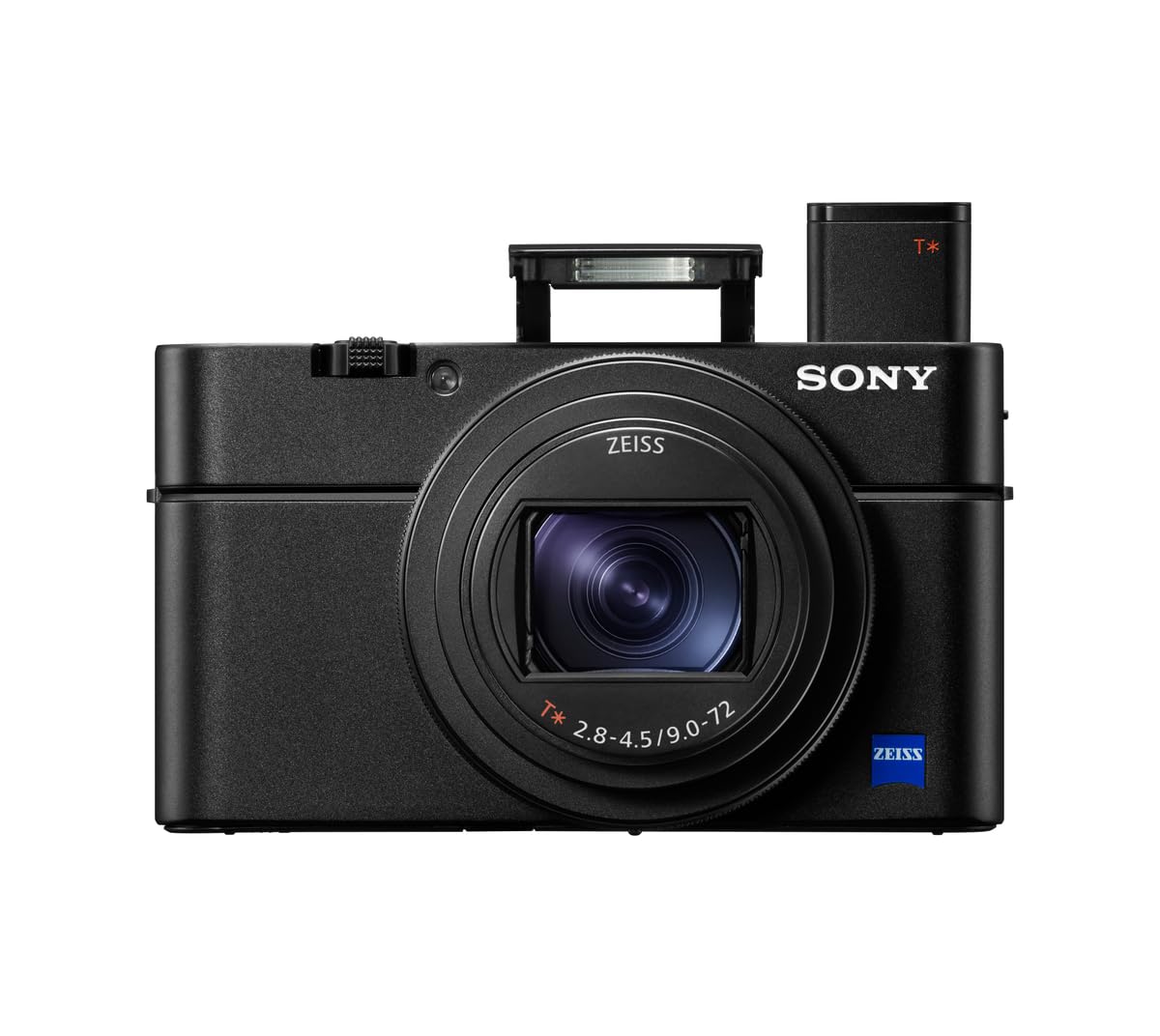


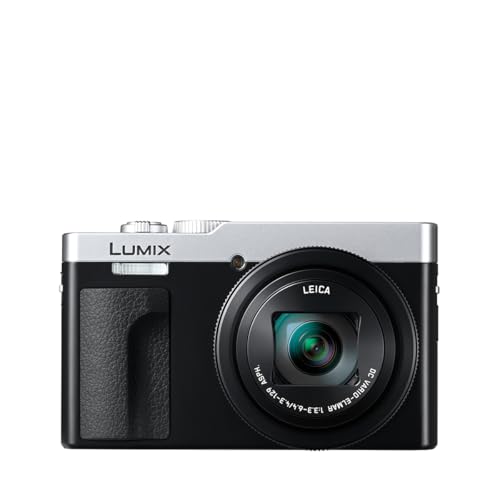




How to Shop With Confidence and Skip the Guesswork
Start with your habits instead of a spec sheet. Use the product table above to narrow your list to two or three bodies that fit your carry style, then compare those finalists on lens, sensor, and battery.
Start With How You Will Carry the Camera
Daily carry shooters need a body that slips into a jacket pocket or a small belt pouch without a second thought. If the camera feels like a chore to bring, it will sit in a drawer no matter how strong its sensor is. Travelers can accept a bit more size in exchange for a longer zoom and a firmer grip. Think honestly about your last ten photo outings and choose the size you actually carried with ease.
Match the Camera to Your Main Subjects
Parents photographing kids indoors need fast autofocus and good results at higher sensitivity settings more than extreme zoom. Hikers and city walkers often value reach, because wildlife and distant details punish a short lens. If your subjects sit still, like food, products, or buildings, almost any current compact will do, and handling matters more than speed. Naming your main subject first prevents paying for strengths you will never use.
Budget for the Whole Kit, Not Just the Camera
Your real cost includes a memory card, a spare battery, a small padded case, and sometimes a strap or a mini tripod. Set aside roughly a tenth of your budget for those basics so the camera is ready on day one. If you later find that you need interchangeable lenses and larger sensors, see our guide to the best cameras for photography for the wider picture. For most people, though, a well chosen compact covers years of everyday shooting.
How to Choose a Compact Camera for Photography
Measuring for Size and Portability
Check three numbers before anything else: width, depth with the lens closed, and weight with the battery inside. A body under about 300 grams disappears in a day bag, while heavier models start to feel like a commitment. Depth matters most for pockets, because a protruding lens grip can make a slim camera awkward. If packing light is your priority, our guide to the best compact cameras for travel photography goes deeper on travel ready kits.
Sensor Size and Image Quality
Sensor size shapes image quality more than megapixel count does. Small sensors around 1/2.3 inch suit bright daylight snapshots, while 1 inch sensors gather more light and hold detail better indoors and at dusk. APS C sensors in compact mirrorless bodies go further still, with cleaner shadows and softer background blur. Extra megapixels mainly help with large prints and heavy cropping. Landscape shooters who print big will find more scene specific advice in our guide to the best compact cameras for landscape photography.
Battery Life and Charging
Manufacturers rate battery life in shots per charge, and real world results usually land a bit lower when you review photos often or shoot video. Look for ratings around 250 shots or more if you spend full days away from outlets. USB C charging is a genuine convenience, because you can top up from a power bank or a car adapter between stops.
Grip, Controls, and Comfort in the Hand
A tiny body is only an advantage if you can hold it securely and reach its controls without fumbling. A shaped grip, a textured surface, and a control dial you can turn with one finger all reduce missed shots. Touch screens help with tapping to focus, but physical buttons work better with gloves or wet hands. If possible, hold a similar body in a store and practice changing settings by feel before you commit.
Video Capabilities
Many compacts now record 4K video, and the details separate casual clips from creator ready footage. A frame rate of 60 frames per second gives smoother motion for sports and kids, while log profiles preserve more room for color work later. A screen that flips forward helps vloggers frame themselves, and a microphone input matters if voices are central to your clips. Image stabilization also counts here, because steady handheld footage looks far more polished.
Lens and Zoom Range
The objective lens defines what you can frame without moving your feet. Optical zoom ranges are written as equivalents, such as 24 to 72 mm for a versatile walk around reach or 24 to 200 mm for travel and distant subjects. Wider maximum apertures, shown by smaller f numbers like f/1.8 or f/2.8, let in more light and soften backgrounds. Digital zoom only crops the image, so judge a camera by its optical zoom and ignore inflated digital figures. Close focus ability varies widely too, and if near subjects fascinate you, see our guide to the best compact cameras for macro photography for cameras that focus just centimeters away.
Types of Compact Cameras for Photography
Point and Shoot Compacts
Point and shoot compacts are the classic pocket cameras, with a fixed zoom lens and simple automatic modes that anyone can use within minutes. Better models add a 1 inch sensor, manual controls, and raw file support for more editing freedom. They suit travelers, parents, and anyone who wants better photos than a phone without learning a complex system. Their quiet, discreet style also fits unobtrusive shooting, and our guide to the best compact cameras for street photography covers that use in depth.
Action Cameras
Action cameras trade photo finesse for toughness, with weatherproof and waterproof bodies that survive rain, dust, snow, and shallow dives. Their very wide lenses capture the whole scene during hikes, rides, and water sports, and strong electronic stabilization keeps footage watchable. Still photos are serviceable rather than superb. Choose one when durability and mounting options matter more than print quality or zoom reach.
Compact Mirrorless Cameras
Compact mirrorless cameras pair small bodies with interchangeable lenses and larger APS C sensors. They deliver the strongest image quality in this guide and grow with you as you add a portrait lens or a longer zoom later. The tradeoff is size, because even a small lens makes the kit thicker than a true pocket camera. Pick this type if photography is becoming a serious hobby and you accept carrying a small bag.
Premium Fixed Lens Compacts
Premium fixed lens models put a large sensor and a sharp, bright prime lens in a pocketable body, and you zoom by moving closer or farther away. That single focal length simplifies decisions and often produces the cleanest images of any compact type. Magnification is limited by design, so wildlife and distant sports are poor fits.
Compact Cameras for Specific Needs
Most buyers fall into a few clear patterns. Travelers want reach and light weight, families want speed and simplicity, and creators want video tools and a flip screen. The budget pattern below is the most common of all, because it decides how much sensor and lens quality your money can realistically buy.
Best Compact Photography Cameras under 500
Spending under $500 still buys a capable camera if you prioritize well. At this level, favor a 1 inch sensor when you can find one, or accept a smaller sensor paired with a longer optical zoom for travel use. Expect solid autofocus, 4K video on many models, and plastic bodies that keep weight down. Skip paying extra for very high megapixel counts or bundled accessory kits of dubious quality, and put the savings toward a fast memory card and a spare battery instead.
Care and Maintenance Tips
A compact camera needs little upkeep, but small habits prevent most damage and keep image quality high for years.
- Clean the lens with a microfiber lens cloth, not your shirt, because shirt fabric can trap grit that scratches coatings.
- Carry a spare battery and rotate both batteries, since a battery stored empty for months loses capacity faster.
- Store the camera in a dry, padded bag away from bathroom steam and car heat, which stress seals and electronics.
- Update the firmware when the maker releases it, because updates often improve autofocus accuracy and fix small bugs.
- Wipe the body after beach or rain use with a slightly damp cloth to remove salt and grit before it reaches the lens barrel.
- Format the memory card in the camera after backing up photos, which keeps the file system healthy and reduces card errors.
Frequently Asked Questions
Is a smartphone enough instead of a compact photography camera?
A smartphone is enough for casual snapshots in good light, but a dedicated compact camera pulls ahead in several everyday situations. Its optical zoom reaches distant subjects without the softness of digital cropping, and its larger sensor handles dim restaurants and evening streets more cleanly. Physical dials also make exposure changes faster than digging through screen menus. One point many buyers overlook is battery independence, because a long photo day will not drain the phone you need for maps and messages.
How much should you spend on your first compact photography camera?
Most first time buyers do well with a budget of about $450, which covers a solid sensor, a useful zoom, and dependable autofocus. Spending much less often gives results close to a good phone, while spending far more pays for build quality and niche features. Reserve part of the budget for a card, a case, and a spare battery. Buying one step above the cheapest option usually delays the urge to upgrade within a year.
Which compact photography camera features matter most for low light photos?
A larger sensor and a bright lens aperture matter most for low light photos, ahead of any special night mode. Look for a 1 inch or larger sensor and a maximum aperture near f/1.8 or f/2.8 at the wide end of the zoom. Image stabilization also helps by allowing slower shutter speeds for still subjects like buildings and interiors. For moving people in dim light, though, only more light or a higher sensitivity setting will freeze the action cleanly.
What specs matter most for beginners choosing a compact photography camera?
Beginners should rank autofocus reliability, lens range, and simple menus above raw spec sheet numbers. A zoom covering roughly 24 to 70 mm equivalents handles most daily scenes, from group photos to travel details. Scene modes and a good automatic setting let you shoot confidently while you learn. One underrated beginner feature is a helpful in camera guide mode or clear on screen explanations, which teach settings in the moment instead of sending you to a manual later.
How long does a compact photography camera battery usually last on a trip day?
A compact photography camera battery usually lasts about 250 to 350 shots, which covers a moderate trip day for most people. Video drains power far faster, and ten minutes of 4K recording can equal dozens of still photos. Cold weather shortens battery life too, sometimes noticeably on mountain or winter trips. Carry the spare battery in an inside pocket in cold conditions, because keeping it warm restores some of the capacity you would otherwise lose.
Final Thoughts
The right choice comes down to three questions: how small must the camera be, how much light will you usually shoot in, and how far away are your subjects? Answer those honestly and the comparison table above becomes easy to read. When you are ready to pick the best compact photography cameras option for your own routine, revisit the product table above and match it against the subjects you photograph most. Prices and availability can change, so check the product page before ordering.