Best Compact Cameras for Macro Photography in 2026: Which Type Is Right for You?
Disclosure: We may earn a commission when you buy through links on this page, at no extra cost to you. As an Amazon Associate I earn from qualifying purchases. Learn more

Compare the best compact cameras for macro photography by focus distance, magnification and focus tools, then pick the type that fits your subjects.
A compact camera that focuses close is not always a true macro camera, and that gap causes most buying mistakes. The best compact cameras for macro photography pair a short minimum focus distance with useful magnification and controls you can adjust while working inches from your subject. This guide compares camera types first, then the specs behind detailed images of insects, flowers, and crafts.
Use the comparison table below to see how each type trades size, lens choice, and close focus. The sections that follow explain working distance, sensor size, autofocus at close range, and the lighting limits that spec sheets rarely mention.

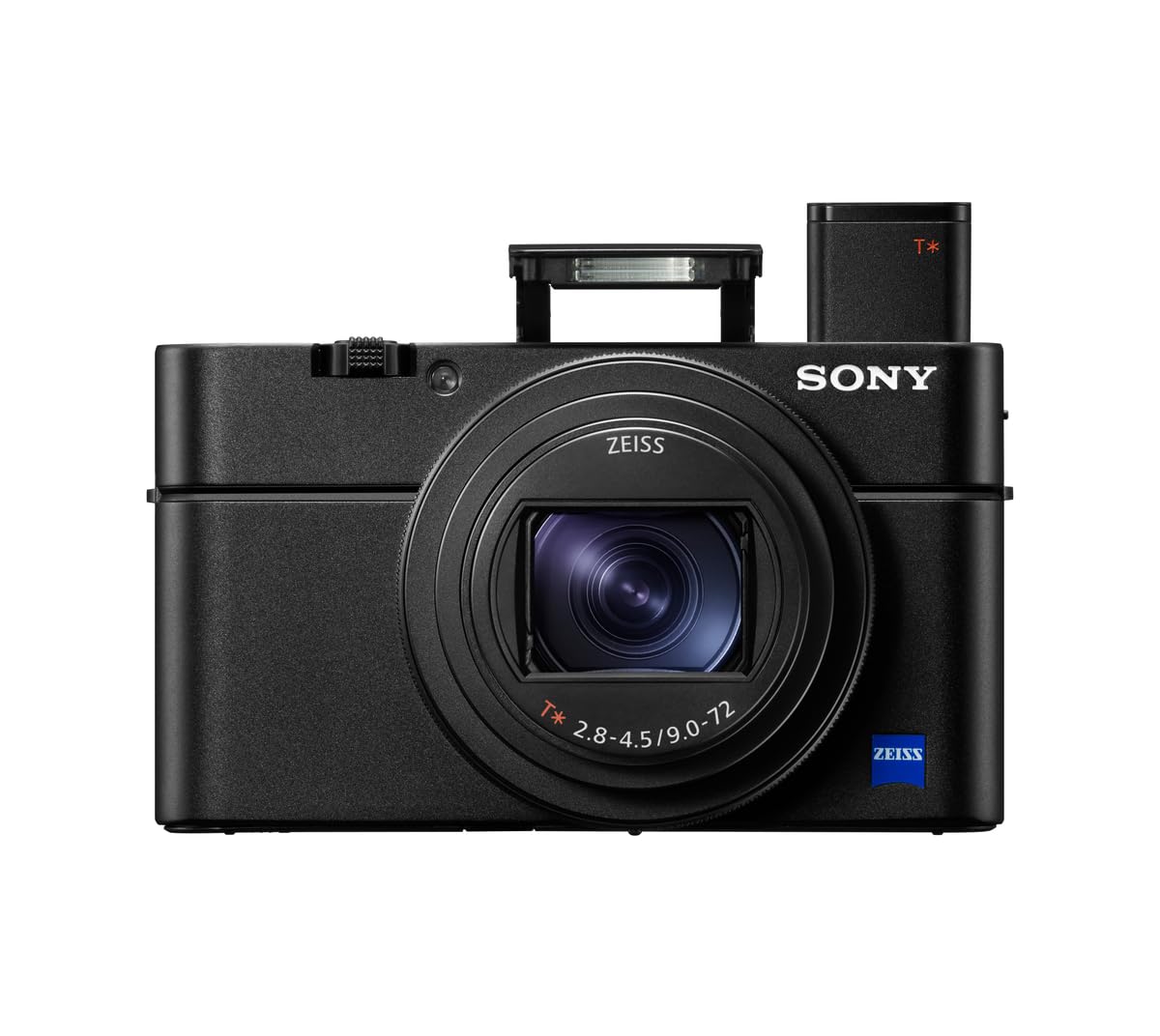


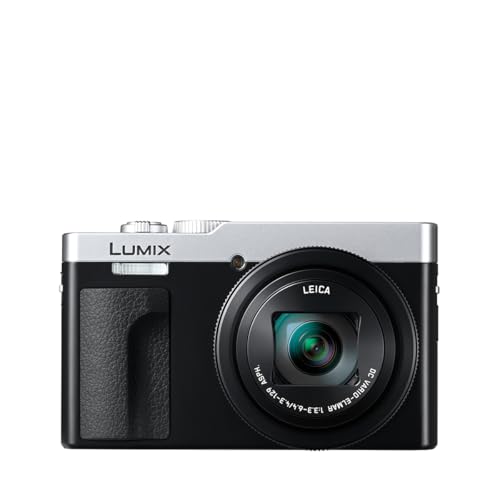


Types of Compact Cameras Compared
The word compact covers four different designs, and the product table above sums them up side by side. Fixed lens models rely on a built in close focus mode, mirrorless bodies pair with a separate macro lens, and action and vlogging models focus close as a side use.
Fixed Lens Advanced Compacts
These cameras keep one lens attached and stay small enough for a jacket pocket. Many use a 1 inch sensor and a lens that focuses very close at its wide end, so flowers and craft work fill the frame. Magnification usually stays below life size, but the sharp files crop well.
The main limit is working distance, because the lens may sit an inch or two from your subject, shading it and startling live insects. Quick startup and a quiet shutter also suit everyday shooting, so if you split time between close subjects and street scenes, see our guide to the best compact cameras for street photography for fast and discreet models.
Compact Mirrorless Cameras
The smallest mirrorless cameras use interchangeable lenses, and a dedicated macro objective lens unlocks life size magnification in a kit that still fits a small bag. You gain manual focus tools and stronger lighting options. The trade is size and cost, because the lens, not the body, decides how large the kit feels.
This type suits patient shooters of insects, product details, or plants who want the sharpest results a compact kit can give. Focus bracketing support is more common here, which helps with stacked images. If your interest grows toward larger dedicated systems, see our guide to the best macro photography cameras for the wider range.
Action Cameras
Action cameras are small, rugged, and usually weatherproof without a housing. Most use a fixed focus and very wide lens that keeps a whole scene sharp. That design is the opposite of what macro work needs, because a small subject stays small and fine detail is limited.
Choose this type only when toughness matters more than magnification. It can show a tide pool creature in context in bright light, but it will not give you a frame filling portrait of a bee or the texture of a coin.
Vlogging Cameras
Vlogging cameras are compacts shaped around video creators, with a screen that flips to face forward, strong continuous autofocus, and clear 4K video. Many include a close focus mode for showing a product at desk distance, which suits narrated craft videos and demos.
For still macro photos the picture is mixed, because close focus ability varies a lot and working distance is often short. This type fits creators who film first and take stills second, rather than photographers chasing shy insects outdoors.
Action Cameras vs Mirrorless Cameras: Which Should You Choose?
These two types sit at opposite ends of the compact range. For magnification, mirrorless wins by a wide margin because a macro lens reaches life size. For lens choice, mirrorless lets you swap lenses and add lights, while an action camera gives one fixed wide view. For size, the action camera is far smaller and tougher.
For control, mirrorless offers manual focus and aperture control, while an action camera automates nearly everything. Pick the action camera for rugged video with occasional close views, and pick mirrorless for serious still macro work, even though it costs more.
How to Choose the Right Compact Camera
Shoppers comparing the best compact cameras for macro photography often start with size and price, but macro results depend more on focus distance, magnification, and light. The five checks below follow the order that matters most. If you also shoot general subjects beyond close work, see our guide to the best compact cameras for photography once you know which macro features you cannot give up.
Ease of Use for Your Skill Level
Beginners do best with a clear macro scene mode, touch focus, and menus that show focus tools without digging. Auto modes handle exposure well in even light, and WiFi transfer to a phone makes sharing quick. Pick a screen you can read in bright sun, because a dim screen hides missed focus until later.
Experienced shooters should confirm full manual control and saveable custom settings. Macro work rewards repeatable changes to aperture, focus point, and drive mode. A button for focus enlargement saves time, while manual focus hidden in long menus gets used less.
Features That Matter for Macro Photography
Minimum focus distance is measured from the sensor, so the useful number is working distance, the gap between the lens front and your subject. More working distance leaves room for light and keeps shy subjects calm. Magnification tells you how large a subject appears on the sensor, and a rating of 1:1, also called life size, marks a true macro lens. Many compacts reach about half that, which still suits larger subjects.
Focus bracketing takes frames at shifting focus points, and some cameras merge them in camera for deeper sharpness. Manual focus with focus peaking and an enlarged view helps when autofocus hunts. A filter thread opens the door to add on close up lenses, so check whether the camera can fire an external flash or run a continuous light.
Autofocus and Stabilization
At high magnification, depth of field shrinks to a sliver and autofocus can hunt as the subject or your hands move. A small single focus point or touch focus lets you place sharpness on an eye or a petal edge. Focus limiters on mirrorless macro lenses speed things up by locking out distant focusing.
Image stabilization, in the body or in the lens, steadies framing at moderate magnification in soft light. It cannot freeze a moving subject, and at the closest distances its effect fades because tiny shifts change the framing itself. A faster shutter speed or added light does more there.
Sensor Size and Image Quality
Compact choices use a 1 inch sensor, an APS C sensor, or, in larger premium bodies, a full frame sensor. Bigger sensors gather more light and give cleaner files in shade, where macro subjects often sit. Smaller sensors have a real advantage too, because they show deeper depth of field at the same framing.
Megapixel counts matter less than lens quality at close range. A modest sensor behind a sharp macro lens beats a high megapixel sensor behind a soft close up mode. If you want larger systems for all your shooting, see our guide to the best cameras for photography to compare full size bodies.
Measuring for Size and Portability
Weigh the full kit you will carry: the body, the lens, a small light, and a spare battery, not the body alone. Test whether that kit fits the bag you already use on walks, because gear that stays home takes no photos. Many compact lenses extend when powered on, so the working size is larger than the listed stored size.
A tilting screen helps with ground level subjects like mushrooms. If this camera will also be your main travel camera, see our guide to the best compact cameras for travel photography to weigh battery life and charging options for long days out.
Common Mistakes to Avoid
Most disappointing macro results come from a few repeat errors rather than weak gear.
- Trusting a macro mode label without checking magnification, so small subjects stay tiny in the frame.
- Working so close that the camera shades the subject, so exposures turn dark and colors go flat.
- Shooting only at the widest aperture, so most of the subject falls outside the sharp zone.
- Ignoring working distance with live insects, so your approach scares them off before focus locks.
- Skipping a light or a support on dull days, so slow shutter speeds leave images soft.
- Buying a rugged action camera for insect portraits, so the wide lens never delivers the detail you wanted.
Care and Maintenance Tips
Clean the front lens element with a blower first to lift grit, then wipe with a lens cloth rather than your shirt, which can drag dust across the coating. Keep lens caps on during walks, and check around an extending lens barrel for pollen and sand before you power off, because grains in the barrel cause many lens errors.
Carry a spare battery, because screen based close focus work drains power fast. Store the camera in a dry and padded bag, and let a wet camera dry fully before sealing it away. On mirrorless bodies, change lenses with the opening facing down and never touch the sensor.
Frequently Asked Questions
What features matter most in a compact camera for macro photography?
Magnification and working distance matter most in a compact camera for macro photography. One detail listings bury is that the closest focus distance often applies only at the widest focal length, and it grows longer as you zoom. Judge close focus at the framing you plan to use, because a camera that focuses close while slightly zoomed gives calmer subjects.
What specs matter most for beginners buying a compact camera for macro photography?
A clear macro scene mode and a sharp rear screen matter most for beginners buying a compact camera for macro photography. Ignore digital zoom figures, because they only crop the image and add no detail. A bright screen lets you confirm focus on the spot, and touch focus lets you tap the exact spot you want sharp.
Is a smartphone enough instead of a compact camera for macro photography?
A smartphone is enough for casual close ups, but a compact camera for macro photography gives you more control and more honest detail. Phones apply heavy processing and automatic stacking, which can smooth textures like wing scales into a painted look. A dedicated camera also holds focus settings between shots and pairs with real lights and supports.
Which compact camera type is better for low light macro photography?
A compact mirrorless camera with a macro lens is better for low light macro photography because its larger sensor stays cleaner at high sensitivity settings. Before you spend more on a bigger sensor, try adding light, since a small LED panel often improves macro results more at the same budget.
Do compact cameras for macro photography need a tripod?
Compact cameras for macro photography benefit from support, but a full size tripod is not always the best choice. A small tabletop tripod or a beanbag places the camera at ground level where many subjects live. Use the self timer or a remote release so pressing the shutter does not shake the frame.
How much should I spend on a first compact camera for macro photography?
Most beginners should plan on about $300 to $700 for a first compact camera for macro photography, which covers capable fixed lens models and entry mirrorless kits on sale. Reserve part of your budget for a small light and a simple support, because those items improve close up results right away.
Final Thoughts
Start with the subjects you love, then match the type to them. Insects and fine detail point you toward a compact mirrorless kit, flowers and crafts suit a fixed lens model, and video and rugged outdoor shooters have their own lanes. The product table above pulls the key numbers together for your short list.
Choosing among the best compact cameras for macro photography comes down to magnification, working distance, and a size you will happily carry on every walk. Get those three right and the camera will teach you the rest, one close subject at a time. Prices and availability can change, so check the product page before ordering.