Best Component Speakers without Amp: Efficient Sets for Head Unit Power for 2026
Disclosure: We may earn a commission when you buy through links on this page, at no extra cost to you. As an Amazon Associate I earn from qualifying purchases. Learn more

Component speakers without amp: why sensitivity matters on head unit power, which layouts suit low power and how to get fuller sound.
Skipping an external amplifier keeps a car audio upgrade simple and affordable, but it changes which speakers make sense. A head unit sends only modest clean power to each speaker, so the best component speakers without amp are efficient ones that turn limited wattage into satisfying volume and clear sound. This guide explains how to judge efficiency, which layouts work best on low power, and how to get the most from a set that runs straight from the stereo.
Use the product table above for sizes and ratings, and read the sections below before you decide.






Why Sensitivity Matters Most Without an Amplifier
Sensitivity tells you how loud a speaker plays for a given amount of power. Every extra few decibels of sensitivity is volume you do not need wattage to buy. On head unit power, a more sensitive set sounds fuller and holds its clarity at highway volume, while a low sensitivity set can sound thin and strained.
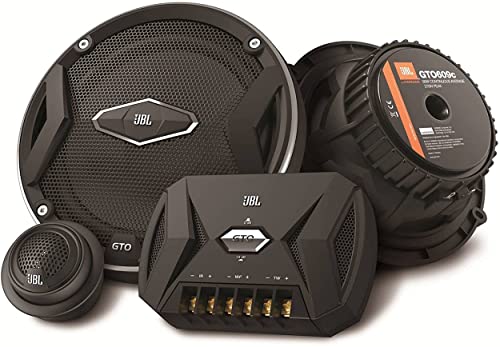
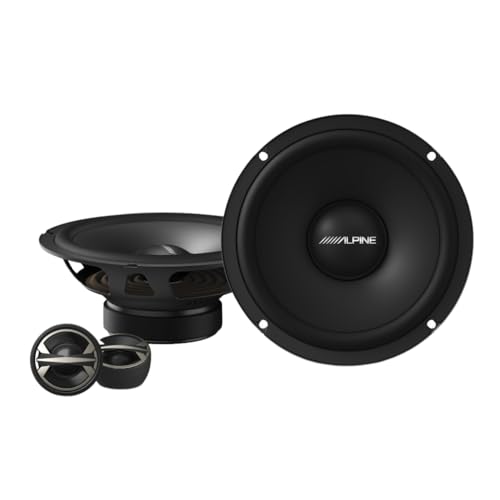
When choosing the best component speakers without amp, look for sensitivity near the top of what component sets offer, and pair it with a modest RMS rating that sits comfortably above what your head unit delivers. A set rated for far more power than you will ever send it is not a bonus, because those designs are usually less efficient.
Layouts That Suit Head Unit Power
Two Way Component Sets
A two way set with one woofer and one tweeter per side is the natural choice without an amplifier. It is easy to power, easy to fit, and the separate tweeter gives clearer vocals than a factory coaxial speaker. Most listeners get the best results from this layout.
Three Way Sets
Three way sets split the sound further, but they are generally built for an amplifier and often need more power than a head unit can supply. They make sense if you plan to add an amplifier soon, not as a starting point on factory power.
Convertible Sets
A convertible set lets you mount the tweeter on the woofer like a coaxial or separately like a component set. That flexibility helps if you are unsure about tweeter locations and want to start simple.
Features to Check on Low Power
Impedance
Most car head units expect a 4 ohm load, and a 4 ohm set draws the power the unit was designed to give. Some sets are rated at 3 ohms to pull a little more power from a head unit. That can work, but confirm that your unit tolerates it before buying.
Tweeter Character
Head unit equalizers offer limited control, so choose a tweeter you like from the start. Soft domes sound smoother and forgiving, while metal domes sound brighter. A crossover with a tweeter level switch gives you one valuable tuning tool after fitting.
Woofer Size and Cone
The largest woofer your door accepts will play lower on limited power, and a stiff, light cone helps efficiency. Rubber surrounds last longer in hot doors and allow the cone to move freely.
Getting More From a Low Power System
Placement matters even more when power is limited, because direct sound reaches your ears with less effort than reflected sound. Mount the tweeters high and angled toward the listeners when the car allows it. Seal the woofer to the door with a foam ring so bass does not leak around the speaker, and add a little deadening to the outer door skin to stop panel buzz.
Keep the equalizer restrained. Pushing bass boost on a head unit adds distortion faster than it adds depth, and clipped power is the most common way efficient speakers get damaged. If you want more output later, a small four channel amplifier is the natural next step, and a set rated for amplifier power will take it without replacement.
Think about who rides with you as well. If rear passengers matter, a front component set alone can leave the back seat quiet, so matching coaxial speakers for the rear doors at modest cost may suit you better than a pricier front set.
Fitting and First Listening
Take your time with the first installation. Fit one door, play familiar music, and check that the woofer and tweeter are in phase, meaning both move outward together. A reversed wire makes the bass sound thin and the center image vague, and it is easy to fix before the door card goes back on.
Set the balance and fade for your seat and keep the loudness control modest. Listen at normal volume first, then at highway volume, and note whether the highs sound harsh or the bass muddy. A small tweeter level change or a different tweeter angle usually solves both without touching the equalizer.
Finally, give the set a few hours of playing before you judge it. Suspensions loosen with use, and your ears adjust to a clearer sound. Many owners find the set smooths out in the first week, so reassess after that before making large changes.
Mistakes to Avoid
- Buying power hungry speakers that a head unit cannot drive properly.
- Choosing by peak wattage rather than sensitivity and RMS rating.
- Ignoring impedance and connecting a load the head unit dislikes.
- Mounting tweeters low in the door where the seat blocks the highs.
- Boosting bass on the equalizer to make up for leaky mounting.
Component Speakers Without Amplifier: Questions Answered
Can component speakers run without an amplifier?
Yes. Many sets are designed to run from a factory or aftermarket head unit, and a high sensitivity set sounds clear and full at normal listening volume.
How much power does a head unit supply?
Typically a modest amount per channel, far less than the peak figures printed on speaker boxes. That is why sensitivity matters so much on low power.
Will I lose bass without an amplifier?
You will get punchy midbass but not deep rumble. A set sealed to the door and a modest equalizer setting give the best bass on head unit power, and a subwoofer is the answer for the lowest notes.
Can I add an amplifier later?
Yes. Choose a set with RMS handling above your current power so that it can take an amplifier later, and match the amplifier's output to that rating.
Do I need special wiring?
Factory speaker wire is often fine for head unit power. If you upgrade to an amplifier later, run speaker wire of a suitable gauge at the same time.
Our Verdict
Prioritize sensitivity, honest fit, and a tweeter you can tame, and choosing the best component speakers without amp becomes straightforward. Compare the ratings in the product table above, check door depth, and mount the set with a proper seal. Drivers comparing related options can also read our guide to the best car speakers without amp and the best amp for component speakers if they plan an upgrade.