Best Compact Cameras for Landscape Photography by Budget: Smart Picks for 2026
Disclosure: We may earn a commission when you buy through links on this page, at no extra cost to you. As an Amazon Associate I earn from qualifying purchases. Learn more

Learn how to choose the best compact cameras for landscape photography by budget, sensor size, lens range, stabilization, and controls that matter.
Compact cameras for landscapes span a wide price range, and spending more does not always buy you better photos. What matters is knowing which features change your results outdoors and which ones only raise the price. This guide to the best compact cameras for landscape photography sorts that out by budget so you can spend where it counts.
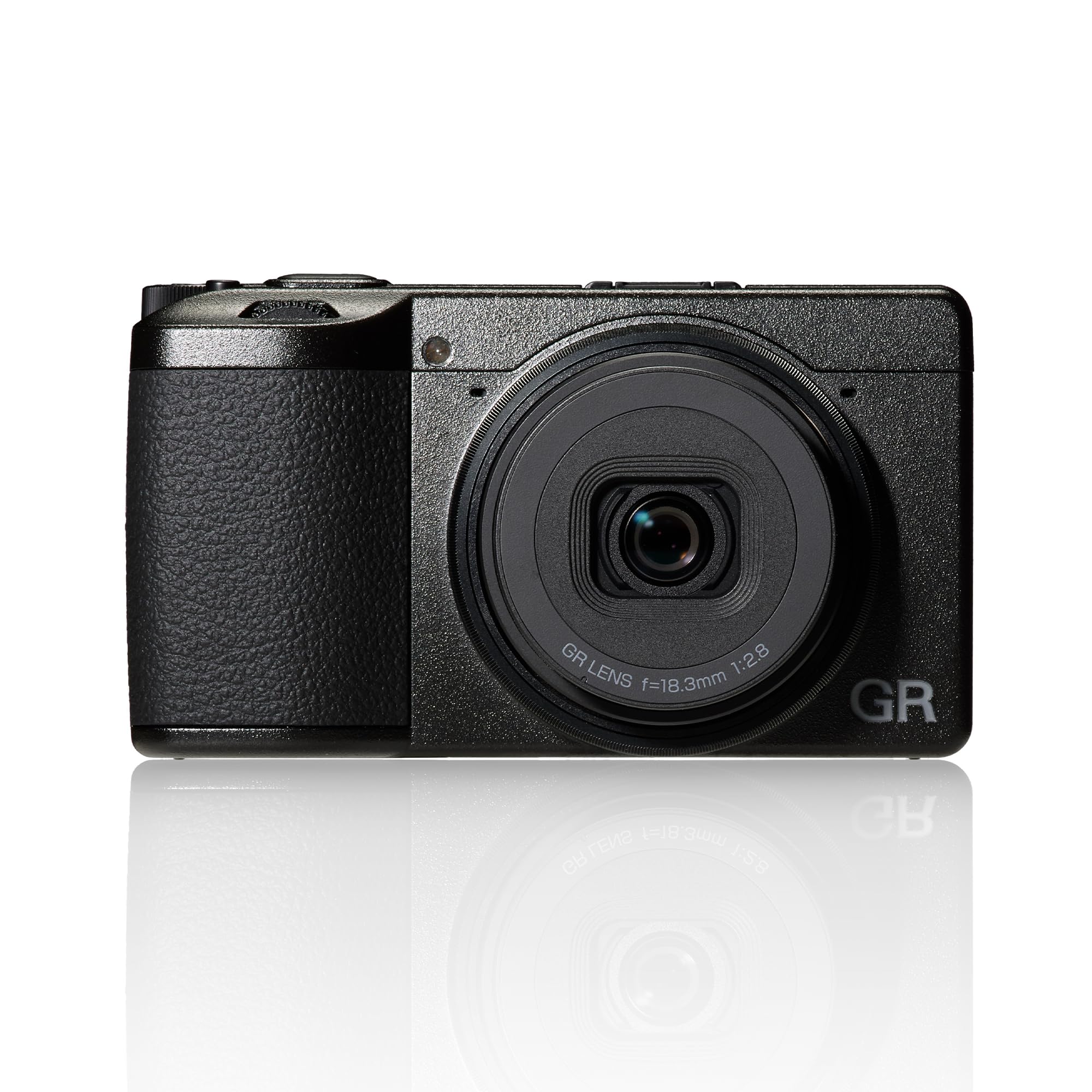
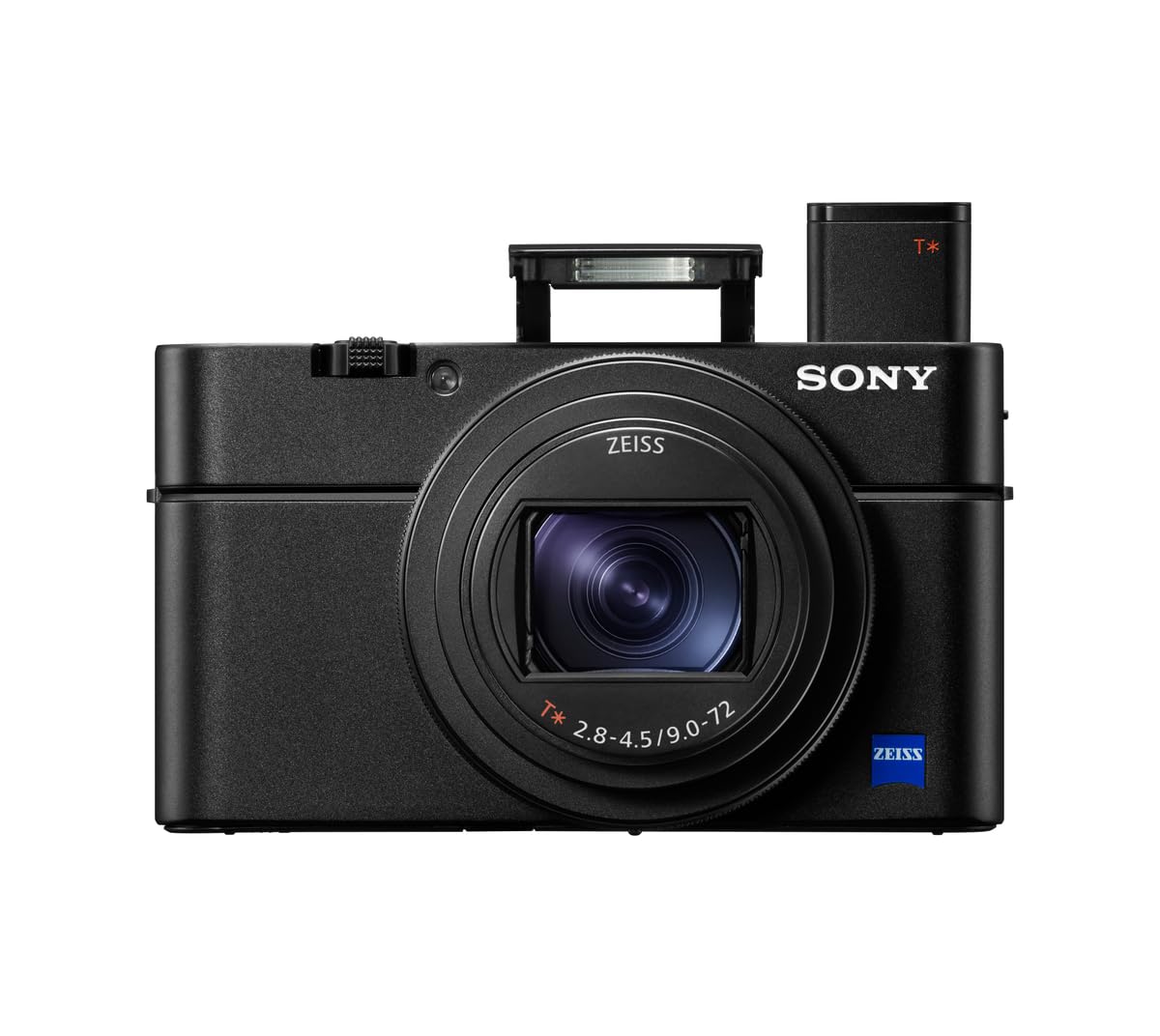
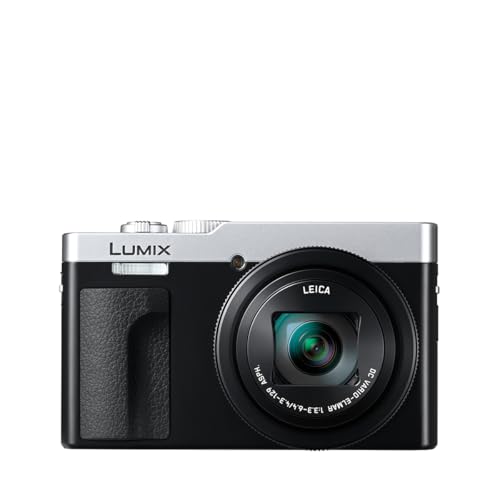
Use the comparison table below to see how models differ on sensor, lens range, and size at a glance. Then read on for plain guidance on tiers, controls, and long term costs before you decide.





Who Should Buy a Compact Camera for Landscapes
Your shooting style and travel habits should set your budget. The three groups below cover most landscape buyers, each needing a different mix of sensor, lens, and size.
Travelers Who Want Big Scenes in a Small Bag
You hike, wander cities, and shoot viewpoints you reach on foot, so every ounce in your pack matters. A compact body you carry all day beats a larger camera you leave at the hotel. Look for a lens that starts wide enough for valleys and coastlines, and a grip you can hold securely with cold or gloved hands. If you also shoot general travel scenes, see our guide to the best compact cameras for photography for a broader view.
Serious Hobbyists Who Print Large and Crop
You plan shoots around sunrise and sunset, you edit raw files, and you may print your best work for the wall. That workflow rewards a larger sensor, clean detail at low ISO settings, and manual controls you can adjust without digging through menus. A fixed lens model with a sharp optic often suits you better than a long zoom with a smaller sensor.
New Buyers Learning Landscape Basics
You are moving beyond a phone and want better detail, better dynamic range, and real control over aperture and shutter speed. Start with a camera that has clear menus, helpful automatic modes you can grow out of, and a lens that covers wide scenes plus moderate detail shots. Simple handling now will teach you more than advanced features you never touch.
What Your Money Gets You at Each Price Tier
Price tiers in this category map fairly well to sensor size and lens quality. As you compare options in the product table above, use the tiers below to judge whether a higher price buys a real gain for landscape work or just extra extras.
Budget Tier: What to Expect
Cameras around $300 to $500 usually pair a smaller sensor with a versatile zoom and simple controls. They handle bright daylight scenes well and stay truly pocketable, which encourages you to carry them often. In deep shade or after sunset, image noise rises sooner and shadow detail is thinner. If low cost is your main filter, see our guide to the best affordable cameras for landscape photography for more on that end of the market.
Midrange Tier: Strong Value for Most Buyers
Models around $600 to $1,000 often step up to a 1 inch sensor, a brighter lens, and raw file support. That combination gives you cleaner shadows, more room to crop, and better results at dawn and dusk. For most landscape shooters, this tier is where the best compact cameras for landscape photography deliver the clearest jump in quality per dollar.
Premium Tier: When Spending More Pays Off
Premium compacts above about $1,000 may offer an APS C or full frame sensor, a very sharp fixed lens, and robust manual controls. Files hold up to large prints and heavy editing. The tradeoff is size and price, since some models approach the bulk of small mirrorless cameras. Choose this tier when you know you will use the extra file quality, not just admire it on a spec sheet.
Features Worth Paying For and Ones to Skip
Spec sheets list dozens of features, but only a handful shape landscape results. This section explains each key factor once, in detail, so you can weigh the product table above with confidence.
Sensor Size and Image Quality
Sensor size is the single biggest driver of landscape image quality in a compact body. A larger sensor gathers more light, which means cleaner shadows, smoother color gradients in skies, and more detail you can recover when editing raw files. Megapixel count matters less, since a modest count on a large sensor usually beats a high count on a tiny one. Larger sensors pull ahead at dawn, dusk, and in forests.
Lens Range and Optical Zoom
Landscapes reward a lens that starts wide, around 24 mm in full frame terms, so you can fit foreground and sky into one frame. Optical zoom then lets you isolate a ridge, a lighthouse, or a pattern in the fields without moving your feet. Judge zoom by optical range only, because digital zoom simply crops the image and discards detail.
Manual Controls and Raw Files
Direct dials for aperture, shutter speed, and exposure compensation let you react quickly when light changes over a valley. Aperture control also sets depth of field, which keeps both near rocks and distant peaks sharp. Raw files matter because they preserve far more highlight and shadow information than JPEG files, giving you real room to fix a bright sky later.
Size, Weight, and Handling
A compact camera only helps if you actually carry it to the viewpoint. Check the weight with the battery fitted, and picture it in the coat pocket or small bag you really use. A secure grip, well placed dials, and a screen that tilts for low tripod work all make long sessions more comfortable. Very small bodies can feel cramped with gloves on, so handling matters for winter and mountain trips.
Durability and Weather Sealing
Landscape shooting means dew, drizzle, sea spray, and dust, so sealing around dials, doors, and the lens barrel is worth paying for. Weather sealing is not the same as being waterproof, and a sealed camera still needs a cover in steady rain. Skip paying extra for extreme depth ratings meant for diving, since that protection adds bulk that landscape work rarely needs.
Features You Can Safely Skip
Very long digital zoom figures, huge megapixel counts on small sensors, and elaborate video effects add cost without helping still landscapes. Basic 4K video is a nice bonus for short clips of moving water or clouds, but it should not drive your choice. If you shoot animals alongside scenery, see our guide to the best cameras for landscape and wildlife photography instead, since that need changes the lens brief.
How to Check Size, Fit, and Compatibility Before You Buy
Before ordering, measure the pocket, pouch, or bag slot where the camera will live and compare it with the listed body dimensions. Check that the camera accepts standard tripod plates, since a quick release plate that stays attached speeds up every stop on a trail. Finally, verify that your computer and editing software support the raw format the camera writes.
If you already use interchangeable lens gear, a compact can serve as your light travel option rather than a full replacement. For that bigger picture, see our guide to the best cameras landscape photography and our overview of the best cameras for photography to place this purchase in context.
Long Term Costs to Factor In
The body price is only part of what you will spend. Budget for a spare battery, fast memory cards, a small sturdy tripod, and a padded case that fits the camera with its strap. A polarizing filter is a common early purchase for cutting glare on water and wet leaves. Over a few years, these extras often total under $300, depending on tripod quality.
Common Mistakes to Avoid
- Choosing by megapixel count alone, which can leave you with a tiny sensor and noisy shadows in your landscape files.
- Paying for a very long zoom you rarely use, which often means a dimmer lens and softer corners in wide scenes.
- Skipping raw file support, which limits how much bright sky and dark foreground you can balance later.
- Buying the largest compact you can afford, then leaving it behind because it no longer fits your day bag.
- Ignoring screen and viewfinder quality, which makes careful composition in bright sunlight frustrating and error prone.
- Spending the entire budget on the body, which leaves nothing for the tripod that landscape work depends on.
How to Make Your Compact Camera Last Longer
Wipe the lens and screen with a clean microfiber cloth after outings, and brush grit from the lens barrel before it retracts so sand does not grind inside. Store the camera dry, with the battery partly charged, and keep a small silica gel pack in its case after wet trips. When you return from the coast, wipe the body with a slightly damp cloth to remove salt residue.
Frequently Asked Questions
What features matter most in compact cameras for landscape photography?
Sensor size, a wide and sharp lens, and raw file support matter most in compact cameras for landscape photography. Together they decide how much detail and editing room your files have. One point buyers often miss is highlight recovery, because landscape skies frequently sit near the exposure limit. A camera that warns you about clipped highlights on its display helps you correct exposure on the spot.
Which compact camera sensor size is better for low light landscape photos?
A larger sensor is better for low light landscape photos because it records cleaner files at higher ISO settings. In practice, an APS C compact will hold fine detail in blue hour cityscapes and forest scenes where a small sensor turns grainy. Pair that sensor with a tripod and you can keep ISO low anyway. The sensor advantage then shows up as smoother skies rather than just less noise.
How much should a beginner spend on a first compact camera for landscape photography?
A beginner should spend enough to reach the 1 inch sensor class, which is often around $600 to $900, rather than buying the cheapest option available. That step buys raw support and a brighter lens you will not outgrow in a season. Keep part of the budget for a tripod and a spare battery from day one. Spending slightly less on the body to fund those basics produces better landscapes sooner.
What specs matter most for beginners choosing a compact camera for landscapes?
Beginners choosing among the best compact cameras for landscapes should focus on sensor size, a lens that starts around 24 mm, and simple manual controls. Those three specs shape nearly every landscape photo you will take. Ignore long lists of scene modes, since aperture priority mode plus exposure compensation covers most learning situations. A tilting screen is the one comfort spec worth seeking, because it eases low and high compositions.
Is a smartphone enough instead of a compact camera for landscape photography?
A smartphone is enough for casual landscape snapshots shared online, but a compact camera gives you real optical zoom, larger files, and manual control. The gap shows most in prints, in cropped compositions, and in scenes with both bright sky and dark ground. Phones also struggle with long exposures unless you add accessories. If you enjoy planning shoots and editing files, the compact earns its place quickly.
Can a compact camera for landscape photography use filters and a tripod?
Yes, most compact cameras for landscape photography can use a tripod, and many accept filters directly or through a small adapter ring. A polarizer is the most useful filter for landscapes, since it deepens skies and removes reflections from water. Check the filter thread size in the specs before ordering, because adapter rings add a small extra cost. Using a two second self timer on the tripod also avoids shake from pressing the shutter.
Final Thoughts
Start with sensor size, lens range, and honest portability, and let those three factors set your tier. The comparison table above will then narrow your shortlist to models that truly fit your trips and your editing habits. Chosen that way, the best compact cameras for landscape photography option for you is simply the one you will carry often and enjoy using in changing light.