Best Component Speakers: Sizing, Power and Installation for 2026
Disclosure: We may earn a commission when you buy through links on this page, at no extra cost to you. As an Amazon Associate I earn from qualifying purchases. Learn more

Component speakers for car audio: how woofer and tweeter separation, power matching, sizing and installation shape clear, spacious sound.
Choosing best component speakers starts with how you listen in the car, because the comparison table below shows the main configurations side by side. Component systems separate the woofer and tweeter, with a crossover directing low and high frequencies to the right driver, which usually gives clearer vocals and more detailed treble than a single coaxial speaker.
That separation also allows better placement, because tweeters can be mounted higher in the door or pillar for a wider soundstage, while woofers handle midbass in the door. The result is a more spacious sound, although installation is more involved and the total cost can be higher than a simple speaker swap.


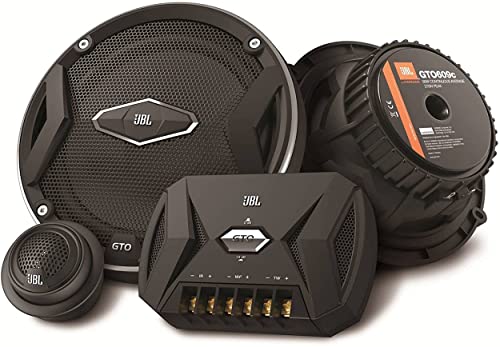


This guide explains drivers, crossovers, power, and installation, and it helps you decide whether a component set is worth the extra effort for your car, your music, and your budget.
How Component Systems Work
A component set typically includes a woofer for midbass and lower midrange, a tweeter for high frequencies, and a crossover that splits the signal between them. The crossover prevents the tweeter from receiving low frequencies that could damage it, and it prevents the woofer from trying to reproduce very high frequencies poorly. That division lets each driver work in its best range, which improves clarity and reduces distortion at higher volumes.
Some sets include a separate midrange driver as well, which handles vocals more directly and can improve imaging in a larger car. A two way set is simpler and suits most cars, while a three way set offers more detail but needs more mounting space and careful tuning. The crossover may be passive, using coils and capacitors, or active, using a digital processor for finer control.
- Woofer: handles midbass and lower midrange, mounted in the door for most cars.
- Tweeter: handles high frequencies, best mounted higher for a wider soundstage.
- Crossover: splits frequencies, protects the tweeter, and improves clarity.
- Two way sets: simpler, best for most cars and straightforward installs.
- Three way sets: more detail and imaging, needs more space and tuning.
Size, Power, and Sensitivity
Size must match your car door openings, with common sizes including 6.5 inch and 6x9 inch sets, although adapters can help in some cars. Measure the mounting depth as well, because a deep woofer may hit the window mechanism or door panel. Check whether your car needs a mounting bracket or a spacer, and whether the tweeter fits the factory location or needs a surface mount.
Power handling should match your amplifier or head unit, with RMS power being more meaningful than peak power for daily listening. Sensitivity describes how loud a speaker plays with a given amount of power, so a higher sensitivity speaker sounds louder on a factory head unit. If you plan to add an amplifier later, choose a set with power handling that suits that future upgrade.
- Size: match diameter and mounting depth to your door, and check for adapters.
- RMS power: use continuous power rating, not peak, for realistic matching.
- Sensitivity: higher sensitivity sounds louder on low power head units.
- Impedance: most car speakers are 4 ohm, so check amplifier compatibility.
- Amplifier: an external amplifier improves dynamics and bass control noticeably.
Sound Quality and Tuning
Sound quality in a component set depends on driver materials, crossover design, and installation as much as on price. Silk dome tweeters often sound smooth and forgiving, while metal dome tweeters can sound brighter and more detailed but may feel harsh on poor recordings. Woofer materials such as polypropylene, paper, and composite blends each offer a different balance of bass, detail, and durability in a car environment.
Tuning after installation matters, because tweeter angle, crossover settings, and equalizer adjustments all affect imaging. Aim tweeters toward the listening position for a focused soundstage, and avoid boosting bass excessively, which can muddy vocals. Listen to familiar tracks at moderate volume first, then adjust in small steps until vocals sound natural and instruments are clear.
Installation and Car Fit
Installation is more involved than a coaxial swap, because tweeters and crossovers need mounting locations and wiring. Many owners use a professional installer for component sets, especially when door panels, pillars, or factory wiring are involved. A good installer can also add sound deadening to doors, which reduces rattles and improves midbass by giving the woofer a more solid baffle.
If you install yourself, plan wire routing, crossover placement, and tweeter mounting before you start, and keep factory wiring intact where possible. Test the system before reassembling door panels, because fixing a loose connection later takes much longer. Keep the crossover away from moisture and moving parts, and secure it so it does not rattle while driving.
Budget and Common Mistakes
Component speaker prices range from about $100 to $400 per set, with entry level sets offering a clear upgrade over factory speakers and higher priced sets offering better materials and crossovers. Installation and sound deadening can add to the total cost, so budget for those parts if you want the full benefit. A mid priced set with a good amplifier often sounds better than a premium set running on a weak head unit.
A common mistake is buying a set that does not fit the door depth or tweeter location, which leads to extra adapters or a compromised install. Another mistake is ignoring power matching, which can leave a good set sounding quiet or strained. Measure first, plan the install, and choose a set that matches your amplifier and your music.
For related component choices, see best component speakers for car for car focused sets, best 6x9 component speakers for larger oval sets, best sound quality component speakers for sound focused models, best component speakers for bass for bass focused sets, and best 6x8 component speakers for another common size.
Matching the Set to Your Car
Small hatchbacks, large sedans, and trucks all use different door sizes, and some cars hide the factory tweeter in a spot that suits a component set while others offer none. Look up your vehicle in a fitment guide and note the woofer diameter, the mounting depth, and any adapter plates. If your car has a shallow door cavity, a slim set can solve problems that a standard one cannot.
Decide early whether an amplifier is in your plans. A sensitive set suits head unit power, while a set with generous power handling gives you room to grow. Either way, a front stage upgrade plus a sealed, deadened door gives most of the benefit, and you can improve the rear and add a subwoofer later.
Frequently Asked Questions
Are component speakers better than coaxial speakers?
Component speakers usually offer clearer vocals and a wider soundstage, because the tweeter can be placed higher and the crossover is more refined. Coaxial speakers are simpler and cheaper to install, with the tweeter mounted in the woofer center. Choose component sets for sound quality and coaxial sets for a simple, budget friendly upgrade.
Do I need an amplifier for component speakers?
You can run component speakers on a factory head unit, but an external amplifier usually improves dynamics, bass control, and clarity at higher volumes. A higher sensitivity set will sound louder on low power, while a lower sensitivity set benefits more from an amplifier. Plan for an amplifier if you want the full potential of a good component set.
Where should tweeters be mounted?
Tweeters sound best when mounted higher in the door or on the pillar, aimed toward the listening position, because that creates a wider and more focused soundstage. Factory tweeter locations are a good starting point, while surface mounts offer more flexibility. Avoid mounting tweeters too low, because the sound can feel buried under midbass.
What size component speakers fit my car?
Check your car manual or a fit guide for diameter and mounting depth, because door openings vary by model. Common sizes include 6.5 inch and 6x9 inch, with adapters available for some cars. Measure depth carefully, because a deep woofer can hit the window mechanism even if the diameter matches.
Can I install component speakers myself?
You can install component speakers yourself if you are comfortable removing door panels and routing wires, but professional installation is safer for complex cars or pillar tweeter mounts. A professional can also add sound deadening and tune the system. If you install yourself, test everything before reassembling panels.
Final Thoughts
Component speakers reward careful sizing, power matching, and installation with clearer vocals and a more spacious sound than a basic speaker swap. Focus on fit, sensitivity, and crossover quality, and budget for installation if you want the best result.
When you compare best component speakers in the product table above, match size and depth to your car first, then choose a set that suits your amplifier and your music.