
Best Component to HDMI Converter: A Buyer Checklist for 2026
Disclosure: We may earn a commission when you buy through links on this page, at no extra cost to you. As an Amazon Associate I earn from qualifying purchases. Learn more
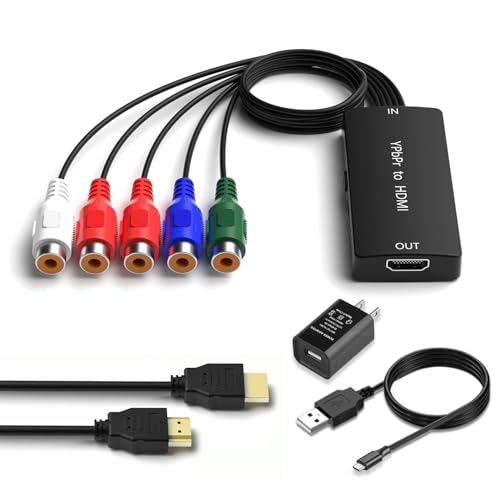
Component to HDMI converters for older consoles, DVD players and cable boxes: check inputs, output resolution, audio handling and build.
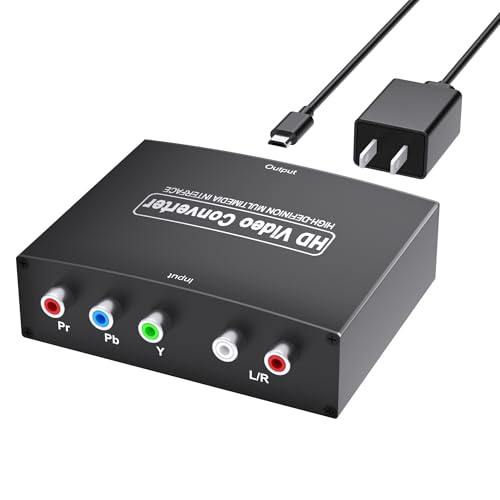
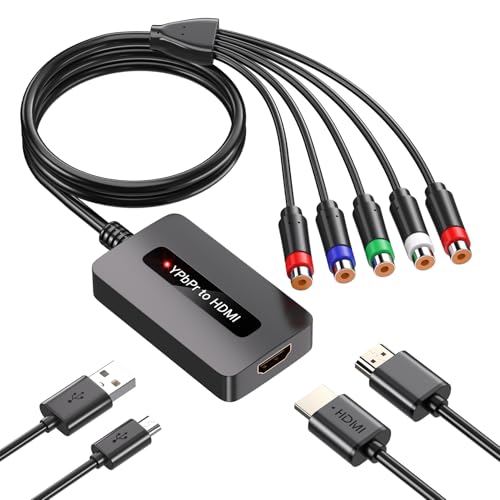
An older game console, DVD player, or cable box can still work well, but many modern televisions no longer include the red, green, and blue component inputs those devices need. A best component to hdmi converter bridges that gap by taking the analog component signal and turning it into a digital HDMI signal your television can accept. The comparison table below summarizes the main types, so you can narrow the choice before you compare details.
This guide walks through a practical checklist instead of naming products. You will learn which inputs to check, which output resolution makes sense for your screen, how audio is handled, and which warning signs suggest a weak design. Work through the checklist in order, and you will avoid the most common mistake, which is buying a converter that fits the plug but not the signal.
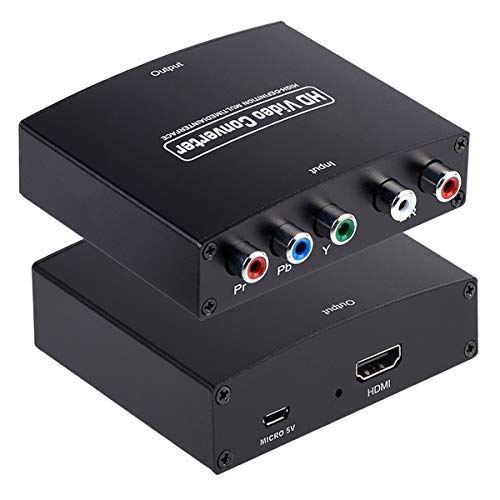
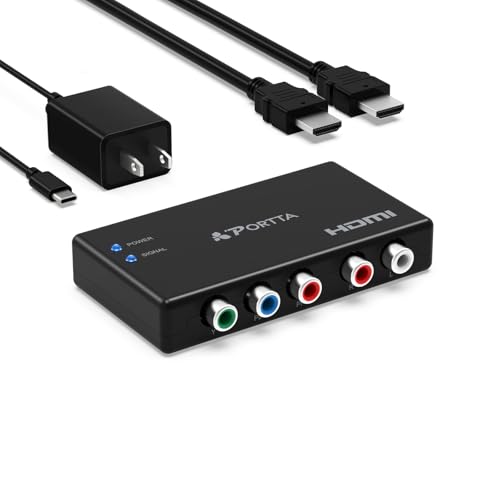
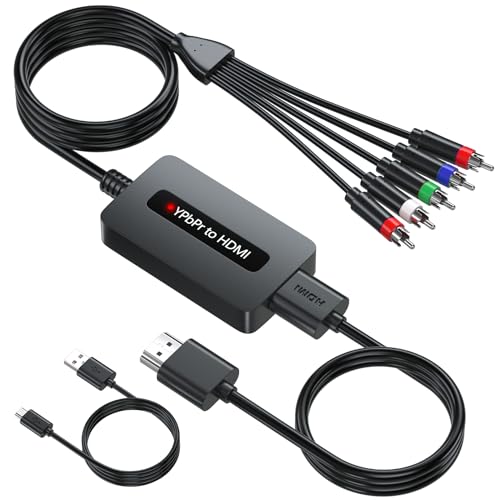


Buyer Checklist for the Best Component to HDMI Converter
Use the sections below as a checklist, not as a scorecard. A converter does not need to win every category. Start with compatibility, then check picture and sound, and finish with build, warranty, and support.
Intended Use and Who It Is For
Component converters suit people who want to keep using a working source device with a newer television. That group includes owners of older game consoles, early DVD players, and set top boxes that still output through component cables. If your source already has an HDMI output, you do not need this kind of converter at all, and a simple cable is the better choice. A related point is worth checking early: if your laptop is the device you plan to connect, see our guide to the best laptops with hdmi for how its output options compare with an older analog source.
Warranty and Customer Support
A clear warranty matters more here than it does for a passive cable, because a converter contains active electronics that can fail. Look for a stated warranty length, a clear way to contact support, and a returns policy you can understand before you order. Vague promises such as lifetime support with no contact details should count against a product. Keep the packaging and receipt until you have tried the converter with your own devices, since problems often show up only with a particular combination of source and television.
Safety and Certifications
Check for recognized safety certifications and for a power supply that matches your household voltage. A converter that runs hot, smells unusual, or buzzes loudly should be unplugged and returned, since those signs can point to a faulty power circuit. Follow the maker guidance on ventilation, and do not bury the converter behind a television where heat can build up. If the listing gives no certification information at all, treat that silence as a warning sign rather than a neutral detail.
Size, Weight, and Fit for Your Space
Most component converters are small boxes, but their shape still matters once cables are attached. Component cables are thick, and three video plugs plus two audio plugs can push a light converter off a shelf or strain its ports. Measure the space behind or beside your television, and leave room for cables to bend gently rather than at a sharp angle. If the converter will sit in a closed cabinet, choose a spot with airflow and easy access to its power switch.
Key Performance Specs
The most important spec is the output resolution the converter can actually produce, not just the resolution printed on the box. Many units accept a 480p or 1080i component signal and output 720p or 1080p over HDMI, while some only pass the signal through at its original resolution. Match the output to your television, and remember that upscaling cannot add detail that was never in the original signal.
Check whether the converter handles both 50 and 60 hertz signals if you play imported discs or consoles. For the cable on the television side, see our guide to the best hdmi cable so the short run from converter to television does not become a weak link.
Audio handling is the second spec to verify, because component video cables carry no sound. Most converters accept separate left and right analog audio inputs and embed that sound into the HDMI output. Some also offer a separate digital audio output for a sound system.
If you plan to use external speakers, check whether the converter passes stereo sound only or also handles surround formats from your source. If a separate sound system is part of your plan, see our guide to the best soundbars with hdmi for how HDMI audio connections usually work.
Maintenance and Long Term Costs
A component converter has almost no running costs beyond its power draw, which is small. The real long term cost is replacement if a cheap unit fails or if you later change televisions and need a different output. Buy a unit with standard connections rather than a proprietary power adapter, so a lost adapter does not force a full replacement. Clean the vents occasionally and check cable seating every few months, since a slowly loosening plug is a common cause of flicker that looks like a failing converter.
Spending Levels Instead of Product Picks
Budget units, usually around $20 to $35, suit a single older device used occasionally in a spare room. At this level, expect basic upscaling, stereo audio, and a plastic case. Mid range units, about $40 to $80, tend to offer sturdier cases, clearer specs, better audio handling, and longer warranties.
This level suits a main living room setup or a console you use every week. Premium units, about $90 to $150, add features such as more flexible scaling, wider signal compatibility, or a digital audio output.
Quick Buyer Checklist
- Does your source output component video, and does it also need separate audio inputs?
- Does the converter accept your source resolution and frame rate?
- Does its HDMI output match your television, and does it upscale or only pass the signal through?
- Is audio embedded into HDMI, and is a separate audio output offered if you need one?
- Does the power supply suit your household, and is ventilation adequate?
- Is the warranty stated clearly, with a reachable support contact?
- Will the case stay put once thick component cables are attached?
- Can you return it easily if it does not work with your exact source and television?
Red Flags to Watch For
Watch for listings that promise a resolution far above what the source can produce, such as claiming to turn a standard definition signal into a true 4K picture. That claim confuses upscaling with real detail, and it usually signals loose marketing rather than honest specs. Other warning signs include no stated input resolutions, no certification information, and reviews that repeat the same vague praise without mentioning a specific device. A very short warranty combined with no support contact is another flag, as is a power adapter that is not rated for your region.
How to Make Your Component HDMI Converter Last Longer
Read the manual before first use, even though setup looks simple, because input selection and output settings vary between units. Clean and inspect the converter regularly, and check that vents are clear and cables sit firmly. Store it in a dry place if you move it between rooms, and avoid wrapping cables tightly around the case. Small habits like these matter because most converter failures come from heat, strain on connectors, or a damaged power supply rather than from the conversion chip itself.
Component HDMI Converters: Your Questions Answered
How long does a component hdmi converter last?
A component HDMI converter usually lasts several years in normal home use, provided it is kept cool and its cables are not strained. Heat is the main enemy, so a unit tucked into a closed cabinet without airflow may fail sooner than one on an open shelf. Power surges and a damaged adapter can also end its life early, which is why a standard power connection is worth preferring. If the picture starts flickering, check cable seating and try a different HDMI cable before assuming the converter itself has failed.
What features matter most when buying component hdmi converters?
The features that matter most are input compatibility, honest output resolution, and reliable audio handling, in that order. A converter must accept your source signal and frame rate before anything else matters, since a mismatch can mean no picture at all. Output resolution matters next, because it decides how cleanly the picture fills a modern screen. Audio handling matters because component cables carry no sound, so the converter must embed stereo audio into HDMI or offer a separate output.
How do I maintain a component hdmi converter?
Maintain a component HDMI converter by keeping it cool, dry, and free of cable strain. Dust the vents gently every few months, and reseat the component and HDMI plugs if the picture flickers or the sound drops out. Avoid stacking heavy equipment on top of the converter, since pressure can crack solder joints over time. Label the cables if you move the unit between rooms, so the red, green, and blue video plugs return to the correct sockets.
How much should I spend on a component hdmi converter?
Most buyers should spend about $20 to $80, depending on how often the converter will be used. A budget unit near the low end suits occasional use with a single older device in a spare room. A mid range unit suits a main television or a console used every week, where sturdier build and clearer specs are worth the extra cost. Spending above that range makes sense only for a specific need, such as a digital audio output or wider signal compatibility.
Are expensive component hdmi converters worth it?
Expensive component HDMI converters are worth it only when their extra features match a real need in your setup. A higher price can buy a sturdier case, a better power supply, a longer warranty, or a digital audio output, and those gains matter in a main living room system. The same price buys little extra value for a spare room television used once a month, where a basic unit performs the same job. Compare the spec sheet against your source and television before deciding, and ignore claims about picture quality that go beyond what the source signal can deliver.
Wrapping Up
The best choice is the converter that matches your source signal, embeds your audio cleanly, and fits your space without heat or cable strain. Check inputs and output resolution first, then audio, then build and warranty, and use the checklist above before you order. A best component to hdmi converter chosen this way should let an older device keep working on a modern television for years. Review the product table above once more against your own devices, and you will know whether a budget, mid range, or premium unit is the right fit.


