Best Cameras for Photography: What Actually Matters Before You Buy in 2026
Disclosure: We may earn a commission when you buy through links on this page, at no extra cost to you. As an Amazon Associate I earn from qualifying purchases. Learn more

Shop the best cameras for photography by starting with your subjects: portraits, landscapes, sports and low light, plus lens costs and total budget checks.
Camera listings lead with spec sheets, but the photos you want to make should lead instead. A portrait shooter and a sports shooter can spend the same money and need almost opposite gear, because their subjects punish different weaknesses. This checklist for the best cameras for photography starts with your subjects and scenes, then turns to sensors, lenses, autofocus and the true total cost of owning the system.
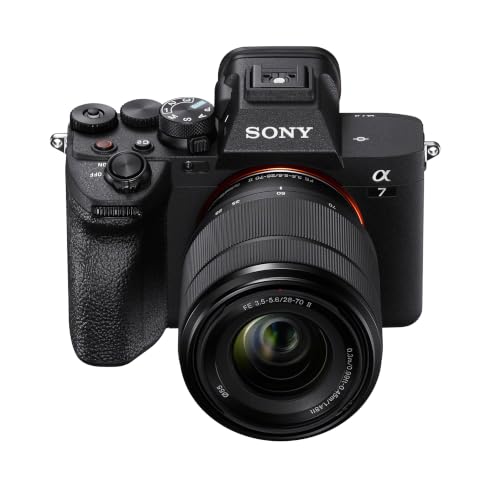
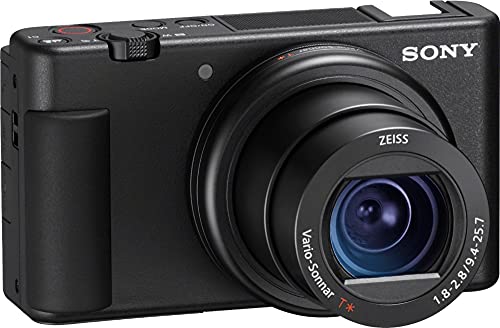
Work through the goals first and the feature list second, and most models will sort themselves into place. The comparison table below sets the main camera classes side by side, so you can see where each class spends its money before you read the detail sections.





Start With the Photos You Want to Take
Portraits and Everyday People Pictures
Portraits reward soft background blur, pleasing skin tones and autofocus that finds eyes without hunting. A moderate sensor with a fast prime lens beats a flagship sensor behind a slow kit zoom for this work, because aperture does the visible magic. Look for reliable eye detection autofocus, a lens mount with affordable portrait primes around 35 mm and 50 mm, and a screen that flips for low or high angles.
Skin tone handling differs between brands and shows up in every frame, so study unedited sample photos of people, not landscapes, when you compare systems. Flash support matters more than beginners expect: a hot shoe and simple off camera triggering let one small flash transform window light portraits. Budget for that flash before you budget for extra megapixels.
Landscapes, Cities and Travel
Landscape work rewards dynamic range, since one frame often holds bright sky and dark foreground at once. Resolution earns its keep here, because large prints and careful cropping eat pixels quickly, and a 24 megapixel file crops to a still usable size where a small file falls apart. Weather sealing, a solid tripod socket and long battery life matter outdoors more than burst speed ever will.
Travel adds a weight test that spec sheets hide: a camera left at the hotel takes no photos at all. Compact systems with small lenses often produce more keepers on a trip than a heavy kit that hurts your shoulder by noon. If you shoot cities at dusk, in body stabilization lets you handhold slower shutter speeds and leave the tripod behind.
Sports, Wildlife and Fast Action
Action photography is an autofocus and lens game before it is a sensor game. You need subject tracking that holds a runner or a bird through clutter, a burst rate fast enough to catch the peak moment, and a buffer that does not stall after two seconds. Reach costs money in glass: long telephoto lenses dominate this budget, and the body is often the smaller purchase.
Our guide to the best cameras for sports photography goes deeper on tracking modes and telephoto choices if action is your main goal. For occasional school games or park birds, a crop sensor body stretches every lens further and keeps the kit affordable. Judge systems by their lens catalog for your sport, not by body reviews alone.
Low Light, Indoors and Evening Events
Dim rooms, concerts and evening streets punish small sensors and slow lenses first. A larger sensor gathers more light per pixel, so images stay cleaner when you raise sensitivity, and a fast lens at f/1.8 or f/2.8 buys shutter speed that no setting can fake. Stabilization helps with still subjects, but it cannot freeze a dancing guest or a child crossing a room.
Honest low light shopping means looking at sample photos taken at the sensitivity settings you will really use, not the clean daylight shots in every gallery. Noise looks different in skin, hair and shadow, so check examples that resemble your scenes. A modest sensor with a fast prime often beats a big sensor stuck behind a slow zoom once the light drops.
Key Features to Compare
Sensor Size and Honest Image Quality
Sensors come in a ladder: small compact sensors, the 1 inch class, APS C, and full frame, which is roughly the size of a 35 mm film frame. Bigger sensors gather more total light, which shows up as cleaner shadows, gentler highlight roll off and better high sensitivity files. They also demand bigger, pricier lenses, so the sensor decision quietly sets your whole system budget.
Megapixels are not image quality, and treating them that way is the most expensive beginner error. More pixels help big prints and heavy crops, but cramming tiny pixels onto a small sensor can hurt low light results. Judge cameras by sample images at full size, in light like yours, and weight the lens used for those samples as heavily as the body.
Lenses Decide Your Long Term Budget
A camera body is a three to five year purchase, while good lenses stay in your bag for a decade or more. Every system locks you into a lens mount, so count the lenses you will want in two years, priced as real products, before you choose a body. Kit zooms are fine teachers, but their slow apertures limit portraits and low light work, which is why a second lens usually arrives within a year.
Plan that second lens now: a fast prime around $150 to $350 transforms most kits more than a body upgrade does. Readers hunting value should look at our guide to the best inexpensive photography cameras, which keeps the lens math in view. A system with three affordable lenses you own beats a premium body you can only feed with rentals.
Autofocus Speed, Tracking and Eye Detection
Autofocus has two jobs: locking on quickly in good light, and holding a moving subject while the background changes. Modern mirrorless systems track eyes, faces, animals and vehicles with a reliability that older DSLR focus systems cannot match, and that gap matters most for action and family work. For still subjects, even basic systems focus well, so do not pay a tracking premium you will never use.
Focus points spread across the whole frame change how you compose, because you can place a subject at the edge without a focus and recompose dance. Test reports that quote lock times in bright labs flatter every brand, so weight real scene examples, like players under stadium lights, more heavily. A camera that misses focus wastes its resolution entirely.
Stabilization in Body and in Lens
Stabilization counteracts hand shake, and makers quote its strength in stops, with about 5 stops being a common honest figure on modern systems. In body stabilization works with every lens you mount, including old manual glass, while lens based systems tune the correction to that lens. Either way, stabilization sharpens still subjects at slow shutter speeds and does nothing for moving ones.
Video shooters feel stabilization differently, since it smooths walking shots and handheld pans. Combined body and lens systems can pair their corrections on the same brand of glass, which is one more reason to keep lens and body in one family. Treat the printed stop rating as a best case and expect one stop less in real hands.
Video Specs, Including 4K
Most photography cameras now record capable video, and 4K recording has become the standard expectation rather than a luxury. For stills first shooters, video specs should rank below sensor, lens and autofocus, because an unused cinema menu adds cost and complexity. What matters if you do record: clean 4K without heavy cropping, a microphone input, and record times that do not stop mid scene from heat.
Oversampled 4K, where the camera reads a wider area and shrinks it down, looks visibly sharper than basic line skipped output. Rolling shutter shows when you pan fast, bending straight lines, and it varies a lot between models. If video is a side interest, these points decide satisfaction more than the headline resolution number.
Size, Weight and Controls You Will Actually Use
Ergonomics decide whether a camera comes along or stays home, and no review can measure your hands. Dials for aperture, shutter and sensitivity that you can turn without menus make shooting faster and more fun, which quietly improves your photos. Deep grips suit long lenses and long days, while flat compact bodies suit pockets and street work.
Menu systems and button layout differ sharply between brands, and frustration here is a real reason people sell cameras. If a store visit is possible, hold two finalists with the lens class you plan to buy, not the pancake lens on display. Weight quoted for the body alone understates a working kit by half once lens, battery and strap are on.
Matching Specs to Your Situation
Best Cameras for Photography and Why
The best cameras for photography and why they earn that label comes down to matching, not ranking. A body earns its place when its sensor size fits your light, its mount holds the lenses your subjects need, and its autofocus matches your subjects speed. That is why a crop sensor action kit can outshoot a full frame portrait kit at the same price: each spends money where its photos demand it.
When you read any recommendation, ask which subject the writer assumed, because the reasoning only transfers when your goals match theirs. Write your top two subjects at the top of your shopping list and score every candidate against them. A camera that wins both columns is your answer, whatever its position in a general chart.
Best 4K Cameras for Photography
Shoppers asking about best 4k cameras for photography usually shoot stills first and want video that does not embarrass the photos. The criteria narrow to three: 4K that is oversampled or full width rather than heavily cropped, a microphone input for usable sound, and record limits long enough for a school play scene. Focus that stays smooth and quiet during recording matters more than an extra resolution mode.
Heat is the hidden limit, since compact bodies can stop recording early in warm rooms, and makers state limits in the fine print. A flip screen earns its place for tripod and low angle clips. If those boxes are ticked, stills features should make the final call, because you will take far more photos than videos.
Camera Classes in Brief
Mirrorless cameras are the current mainstream: they focus with the main sensor, preview exposure in the viewfinder and pack strong video into smaller bodies. Their lens catalogs now cover every subject from street to wildlife. Battery life trails DSLRs, so plan on spares.
DSLR cameras use a mirror and optical finder, feel familiar to film era shooters and run for well over a thousand shots per charge. New development has slowed as brands invest in mirrorless mounts, which makes used DSLR bodies and lenses genuine bargains. The penalty is size and weaker video autofocus.
Compact and bridge cameras trade sensor size for reach and simplicity, with fixed lenses that zoom from wide scenes to distant subjects. A 1 inch compact is the honest step up from a phone for travel, while long zoom bridge models suit daylight wildlife on a budget. Small sensors limit them once light falls.
Film cameras remain a deliberate creative choice rather than a value pick, with per shot cost and lab time shaping a slower style. Our guide to the best film photography cameras covers what still works well and what to check on aging bodies. Buy film for the process and the look, not for resolution bragging rights.
The True Total Cost of a System
Add the whole kit before you judge any body price: body, first lens, spare battery, two memory cards, a padded bag and, within a year, one more lens. That honest total commonly runs about 40 to 60 percent above the body sticker, which reshuffles which model counts as affordable. Our guide to the best cameras for starter photography builds sample kits at several totals so you can copy the math.
Used gear stretches the budget furthest in lenses, where a clean copy of a proven zoom often costs half its new price. Buy used from sellers with return windows, and inspect in person when you can. Keep about 10 percent of your budget unspent for the small items every system needs, from a strap that suits your shoulder to a rocket blower for dust.
Quick Buyer Checklist
Run these questions before you pay. Every yes means the camera fits your stated goals, and any no deserves a pause.
- Can I name the two subjects I will shoot most, and does this system serve them first?
- Have I priced the lens I will want next year inside this mount?
- Does the autofocus cover my fastest subject, a child, a pet or a player?
- Have I seen full size sample photos taken in light like mine?
- Does the total kit cost, with cards and a spare battery, stay inside my budget?
- Can I hold this body comfortably with a lens of the size I plan to carry?
- Does the return window let me shoot a real weekend before I commit?
Red Flags and Used Camera Checks
Walk away from listings that advertise digital zoom numbers as if they were optical reach, since digital zoom only crops and enlarges. Vague phrases like pro level image quality without sample files, mounts with almost no native lenses, and warranties shorter than a year all signal weak value. Sample galleries shot by skilled hands in perfect light flatter every camera, so hunt for ordinary user photos in dull light before trusting a gallery.
On a used body, ask for the shutter count and compare it with the rated shutter life for that class, which often falls between about 100,000 and 200,000 actuations. Shoot a plain bright surface at a small aperture, such as f/16, and look for dark spots: that test shot reveals sensor dust and some sensor faults clearly. Check the mount contacts, dials, screen and card slot, and confirm the battery holds a charge through a hundred frames.
Simple Care That Protects Image Quality
Wipe lenses with a clean microfiber lens cloth, never your shirt, because grit trapped in clothing fabric scratches coatings. Carry a spare battery and rotate the pair so neither sits flat for months, and keep a charged spare in the bag, not the drawer. Store the kit in a dry, padded bag away from steamy bathrooms and hot car trunks, and let a cold camera warm up inside a sealed bag after winter shoots so condensation forms on the bag instead of the glass.
Frequently Asked Questions
Are more megapixels always better for photography?
Only when you print large or crop hard, because megapixels measure file size, not file quality. A simple rule helps: a 24 megapixel file prints cleanly at common poster sizes, and doubling pixels adds width you may never use. Extra resolution even backfires handheld, since it magnifies camera shake and lens softness that smaller files hide. Spend first on the lens and your own practice, and let resolution follow your printing habits.
Is a smartphone enough instead of a real camera?
For daylight snapshots and social sharing, yes, and modern phones hide their limits well with computational tricks. The gap opens when you need real zoom reach, fast action tracking, flash control or consistent results in dim rooms, where small phone sensors and fixed lenses run out of physics. Many photographers keep both: the phone for always there moments and the camera for planned shoots. Our guide to the best beginning photography cameras shows where the step up starts to pay.
Should a beginner buy a body only or a kit lens bundle?
The bundle, in most cases, because kit zooms cost far less inside a bundle than bought later, and they teach you which focal lengths you actually use. After a few months, your photo library tells the truth: if most frames sit at the wide end, buy a wide prime next, not a telephoto. Body only purchases make sense when you already own lenses in that mount. Skipping the kit lens to save money usually delays learning, not spending.
What does a high shutter count mean on a used camera?
It estimates wear on the mechanical shutter, the part most likely to fail first on many bodies. Counts well under half the rated life leave room for years of hobby use, while counts near the rating should cut the price sharply, because a shutter replacement can cost about $250 to $400. Mirrorless cameras that shoot with an electronic shutter may show low counts despite heavy use, so check overall condition too. Ask the seller directly, since honest sellers log the number.
Do I need a full frame camera for good low light photos?
No, because the lens aperture you can afford often matters more than the last step of sensor size. An APS C body behind an f/1.8 prime gathers more usable light than a full frame body behind an f/4 zoom, at a lower total price. Full frame still wins at the extremes, with cleaner files at very high sensitivity settings and shallower blur. Buy the pairing you can fund this year rather than the sensor you hope to grow into someday.
How much should a first photography camera cost in total?
Plan the total kit, not the body: about $600 to $1,000 covers a capable new entry kit with a kit zoom, cards, bag and spare battery, and used shopping cuts that by roughly a third. Below that range, a good phone plus practice often beats a compromised camera. Above it, money should flow to lenses and a tripod before a fancier body. Set the ceiling before you shop, because camera pricing climbs in small, tempting steps.
Final Thoughts
The best cameras for photography for you are the ones matched to your subjects, your light and your lens budget, in that order. Start from the goals sections, test finalists against the checklist, and use the product table above to compare the classes that fit your list. Skill grows faster than gear improves, so buy the system you will carry daily and spend the savings on time spent shooting.