Best Compact Cameras for Street Photography in 2026: A Buying Guide
Disclosure: We may earn a commission when you buy through links on this page, at no extra cost to you. As an Amazon Associate I earn from qualifying purchases. Learn more

Compare the best compact cameras for street photography by sensor, lens, handling speed and size, with plain guidance for quiet and quick street shooting.
Street photography rewards the camera nobody notices. The best compact cameras for street photography are small and quiet enough to raise, use and lower again before a scene changes or a stranger objects. This guide explains the features that shape that kind of shooting, and the comparison table below sets the main classes side by side.
Discretion is only half of it. A compact earns its place by being carried, because the camera left at home takes no photographs at all, while the one in a coat pocket is ready on every walk. Speed matters the same way: moments on the street last a second or two, so handling that answers instantly decides whether the shot exists. Judge every class in this guide by those three tests: unnoticed, carried, fast.




How to Choose a Compact Camera for Street Work
The wider market, including larger interchangeable lens bodies, sits in our guide to best cameras for street photography; this section narrows the field to compacts and the traits that matter once you are standing on a pavement with seconds to react.
Features That Matter for Street Photography
What separates the best compact cameras for street photography from general purpose compacts is intent: every control serves a fast, quiet frame. Look for near instant startup, a shutter with a silent electronic option, and autofocus that locks without hunting in shade. Zone focus settings, where offered, let you preset a distance and shoot without waiting at all. One courtesy note: public places still carry consent and courtesy expectations, so learn the local rules and respect anyone who signals they do not want to be photographed.
Measuring for Size and Portability
Weigh the camera as you will carry it, with battery and card fitted, and aim for roughly 200 to 350 grams so a coat pocket or small belt pouch stays realistic. Check the grip with cold or gloved hands, because a body that feels fine in a shop can turn slippery on a winter street. A camera that needs a dedicated bag gets left behind on short errands. The same carry logic drives our guide to best compact cameras for travel photography, where pocket size decides entire kits.
Sensor Size and Image Quality
Compact sensors come in three broad classes: small sensors around 1/2.3 inch, the 1 inch class, and larger APS C class sensors in a few premium bodies. Each step up gathers more light and holds shadow detail better when you lift dark street scenes in editing. Megapixel counts matter less than this ladder, since a modest count on a larger sensor usually beats a big count on a tiny one. The format trade offs are compared across our guide to best cameras for photography for readers weighing other camera types.
Lens and Focal Length
Street shooters mostly live at wide to normal views, so fixed lens compacts commonly offer a 28 mm or 35 mm equivalent field, while zooms trade brightness for framing choice. Aperture is the figure to watch: a fixed lens around f/1.8 to f/2.8 keeps shutter speeds healthy at dusk, where a compact zoom may sit near f/4 or slower at the same framing. If you often shoot markets and interiors after dark, the fast fixed lens is the stronger tool.
Battery Life and Charging
Rated endurance for compacts runs roughly 220 to 400 shots per charge, and street days with the screen off and short bursts can stretch that further. USB C charging is worth real money, because a power bank in your bag doubles as a spare battery. Still, carry one charged spare on long walks: a dead camera at golden hour is a lesson nobody needs twice. Turn off constant image review to save power for shooting.
Low Light Performance
After sunset the street turns into mixed neon, shop windows and shadow, and two figures decide your results: lens aperture and usable high ISO. Judge sample galleries by whether faces stay clean at the sensitivity you need, not by the maximum ISO printed on the box. Stabilization steadies your hands for static scenes, but it cannot freeze a walking subject, so shutter speed still rules. A fast lens plus a sensor you trust at high settings is the low light formula.
Autofocus and Stabilization
Modern compacts offer face and eye detection that helps when a subject crosses the frame, yet the street often moves faster than any tracking system. Many experienced shooters prefocus with a zone setting or tap the screen once and wait for the moment to arrive. Optical or sensor stabilization earns its keep for still subjects at dusk and for smooth pans. Test whichever class you choose in dim shop light before trusting it at night.
Types of Compact Cameras
Buyers comparing compacts for everyday use can start from our guide to best compact cameras for photography and then weigh the street specific traits in this section. Film compacts sit outside this comparison entirely: our guide to best film cameras for street photography covers a separate medium class that records on film, with a cost for every frame and no screen to review.
Point and Shoot Zoom Compacts
These are the familiar pocket cameras with a zoom lens that retracts into the body. They suit beginners and casual shooters who want framing freedom at a modest price, about $150 to $400. Their small sensors and slower lenses limit dusk work, and menus can slow handling, but as an always carried starter they teach composition cheaply.
Fixed Lens Compacts
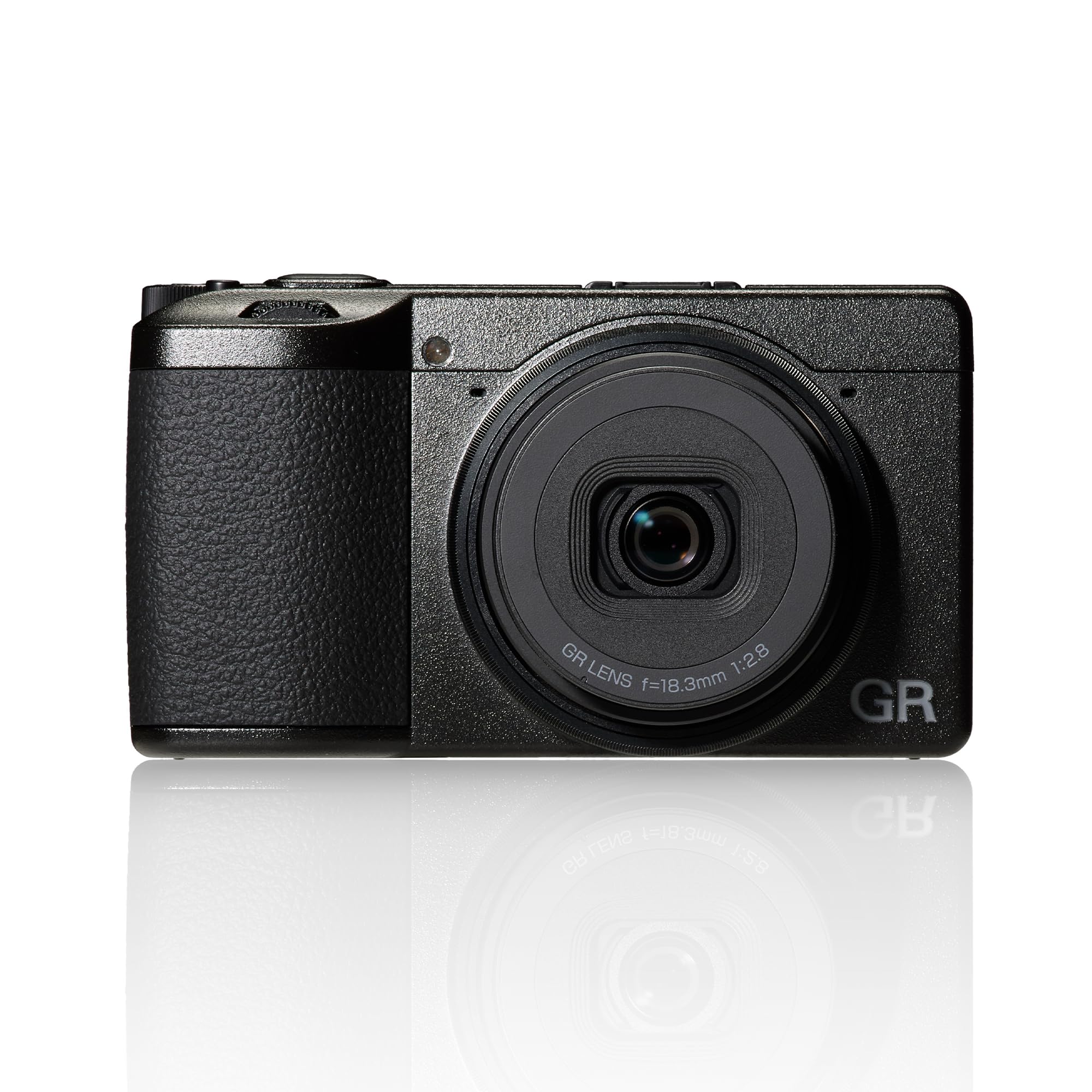
A fixed lens compact pairs a larger sensor with one bright prime lens, usually a 28 mm or 35 mm equivalent. You zoom with your feet, which simplifies decisions and speeds every frame. Prices run about $700 to $1,500, and the payoff is image quality and low light reach that zooms cannot match at this size. This is the classic street tool.
Advanced Compacts with Manual Controls
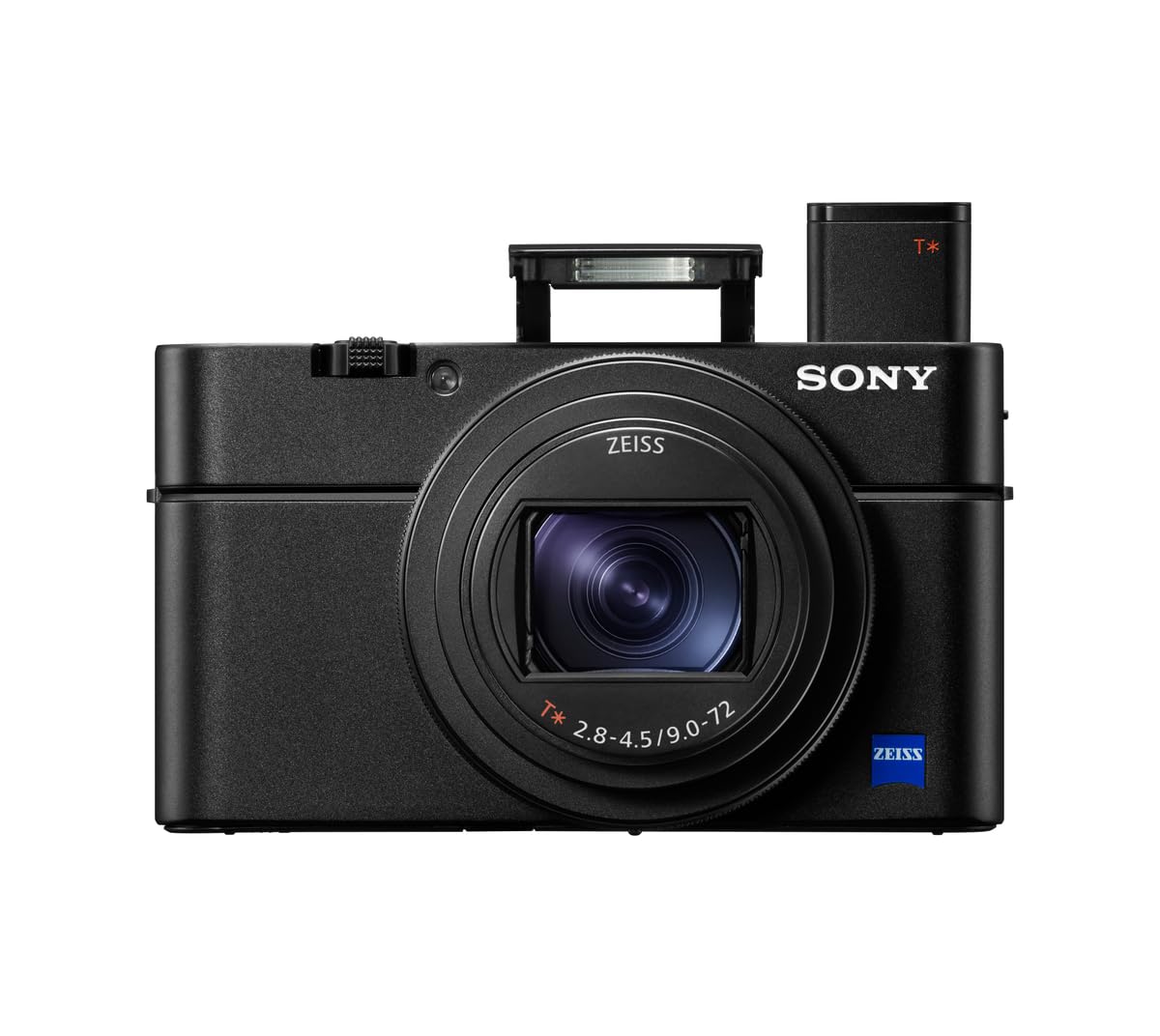
This class adds dials for aperture and shutter, a hot shoe, and often a larger 1 inch or APS C sensor behind a moderate zoom. It suits photographers who want deliberate control without carrying a system camera, at about $400 to $900. The handling is slower than a fixed lens model but far more flexible when light and subjects vary across a day.
How to Make Your Compact Camera Last Longer
- Clean the lens with a proper lens cloth, never a shirt, because grit trapped in fabric leaves fine scratches on coatings.
- Carry a charged spare battery and rotate the two, so neither sits empty for months in a drawer.
- Store the camera in a dry padded pouch, away from radiators and damp bags, to protect the lens and electronics.
- Update the firmware when the maker releases it, since updates often improve autofocus speed and battery behavior.
- Use the wrist strap on every walk, because most compact camera deaths are drops onto pavement.
Frequently Asked Questions
What features matter most in compact cameras for street photography?
Beyond speed and size, a tilting screen earns more praise than any other extra, because it allows waist level framing that draws less attention than raising the camera to your eye. A small viewfinder helps on glaring days when screens wash out. Ignore long feature lists that center on video modes you will never open while walking the street.
Is a smartphone enough for street photography?
For learning composition, yes: a phone is always with you and its pictures are fine in daylight. Its limits show at dusk, where small sensors smear detail, and in handling, since a flat slab offers no grip, no dials and constant interruptions from messages. Many shooters start on a phone, then move to a compact when they want quiet, speed and files that survive editing.
What specs matter most for beginners choosing a compact camera?
Start with three: a sensor of at least the 1 inch class, a lens you understand, and controls that keep you in automatic modes while you learn. A single fixed focal length teaches framing faster than a long zoom, because your feet do the composing. Skip maximum ISO and megapixel races entirely; they describe spec sheets, not the photographs a beginner actually brings home.
Is a fast lens or a larger sensor better for low light street photography?
They solve different halves of the problem. A fast lens admits more light, so shutter speeds stay high enough to freeze people in motion, while a larger sensor keeps quality cleaner when sensitivity rises. If your subjects move, prioritize the lens; if you shoot still scenes such as lit storefronts, the sensor matters more. The strongest compacts simply refuse the choice and offer both.
What focal length works best for street photography on a compact camera?
A 35 mm equivalent is the traditional answer because it matches how a scene feels to the eye, but working distance is the real variable. A 28 mm view lets you include context from closer in, which suits markets and transit, while 40 mm or so gives subjects more personal space across a street. Try one length for a month before judging it, since fluency beats variety here.
Final Thoughts
Choose by the three tests: unnoticed in use, carried every day, and fast enough to catch a second long moment. The product table above lines the classes up for a last look before you decide. Start with the class that fits your pocket, and let your feet learn the rest. Matched to your streets and your light, the best compact cameras for street photography become the camera you forget you are carrying, until the exact second you need it.