Best Compact Dishwasher in 2026: Formats and Buying Guide
Disclosure: We may earn a commission when you buy through links on this page, at no extra cost to you. As an Amazon Associate I earn from qualifying purchases. Learn more

Opening, faucet and dish load decide the best compact dishwasher: built in, countertop or drawer formats compared.
Picture a small kitchen on a weeknight, with dinner dishes stacked beside a sink that is already full. A compact model can clear that pile without taking the cabinet space a full size machine demands. Finding the best compact dishwasher comes down to your floor plan, your household size, and how often you cook at home.
This guide walks through sizes, formats, and features in plain terms, then compares three types side by side. Use the product table to see how the main formats differ, and use our broader guide to the best dishwasher if you are still weighing compact against standard models.
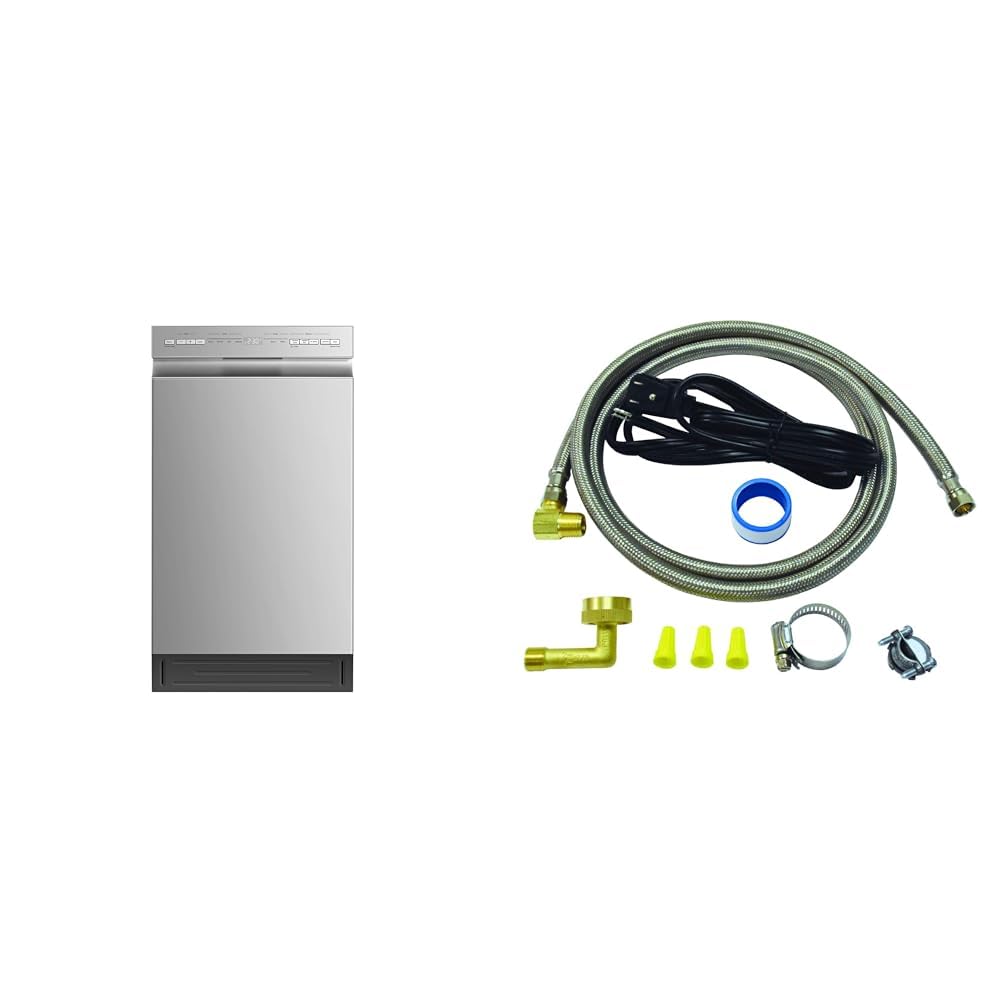
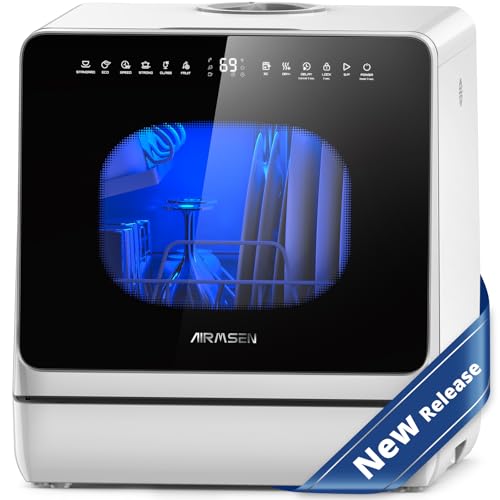

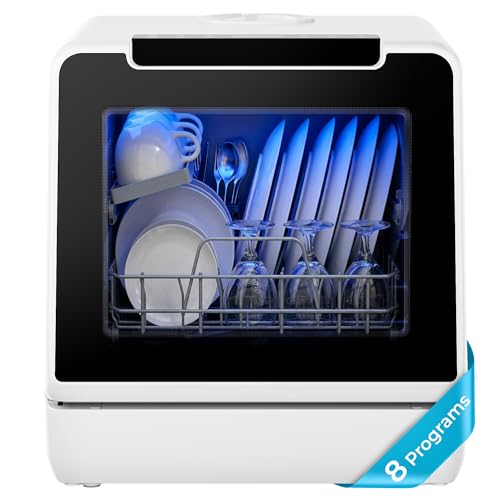

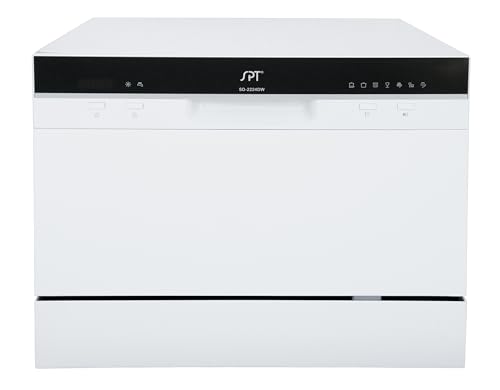

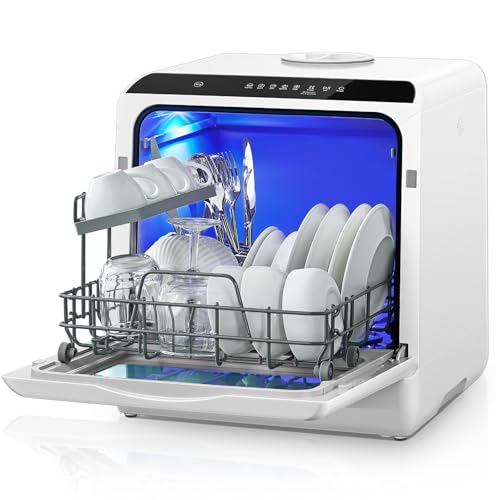
Quick Answer: Three Formats in 30 Seconds
Think of the choice as three formats rather than three brand names. A slim built in model suits a permanent kitchen with a narrow cabinet opening. A countertop model suits renters and tiny kitchens with no cabinet to spare. A portable model on wheels suits homes where the machine must move to the sink, then roll out of the way.
Before You Buy: A Quick Checklist for Choosing a Dishwasher
Size: Match It to Your Space
Compact covers several widths, so start with the opening you actually have. An 18 inch built in model fits a narrow cabinet bay and handles the daily load of a small household. Our guide to the best 18 inch dishwasher covers that width in detail. A 24 inch model is the standard width, so it is compact only in shallower or shorter designs, as the best 24 inch dishwasher options show.
Countertop and drawer formats trade capacity for flexibility. Countertop units sit on the work surface and hold a few place settings, while a single drawer fits below a counter and runs small loads often.
Which Type Fits Your Routine
Built in models stay plumbed in place, which suits owners who run a load most days. Portable models connect to the faucet for each wash and store in a corner between uses, which suits renters who cannot alter plumbing. Countertop models drain into the sink and need no permanent connection at all.
Controls matter for daily ease too. Top control panels hide the buttons under the counter edge for a clean look, while front control panels let you read the cycle status at a glance. A stainless steel tub resists stains and odors better than a plastic tub, though plastic keeps the price lower.
Features Worth It (and Ones to Skip)
A third rack earns its space if you wash many utensils, lids, and small bowls, because it frees the lower racks for plates and pans. Bottle jets help if sports bottles and tall glasses come out cloudy from a standard cycle. Heated dry and auto open dry both improve drying, with auto open designs releasing steam at the end of the cycle.
You can skip some extras with confidence. WiFi controls add little if you start the machine by hand each evening anyway, and a food disposer matters less if you scrape plates well.
Measurements and Compatibility With Your Setup
Measure the cabinet opening in three places, since floors and older cabinets are rarely square. Record width, depth, and height, then compare each figure with the product dimensions and leave room for hoses behind the unit. Check the door swing as well, because a door that opens into a walkway or hits an island will annoy you daily.
Confirm the basics of your hookup before ordering. Most built in models need a hot water line, a drain path, and a grounded electrical supply within reach. Countertop and portable models need a faucet shape that accepts their adapter, so check your faucet threads before you shop.
Certifications
Look for an Energy Star label if lower utility bills matter to you, since certified models use less water and energy per load than standard models. Safety marks from a recognized certifier tell you the appliance passed electrical and fire safety checks. Some models also cite NSF or ANSI standards for sanitation cycles, which matters if you want a hotter rinse for baby bottles or canning jars.
DIY vs Pro Installation Cost
Swapping a built in model into an existing opening is a manageable project if the plumbing and wiring are already in place. Adding a new water line, drain, or circuit is work for a licensed plumber or electrician in most areas. Our breakdown of dishwasher installation cost explains what pros typically charge and which fees to expect.
Countertop and portable models skip installation cost entirely. You connect them by hand, run a short test cycle, and check the hose joints for drips before the first full load.
Realistic Budget Ranges
Under $500 usually buys a countertop or portable model with basic cycles and a plastic interior. About $500 to $700 opens up slim built in models with more place settings and a better range of cycles. About $700 to $1000 adds quieter operation, a stainless steel tub, and a third rack on many models.
About $1000 to $1500 tends to buy panel ready designs and lower sound levels, while about $1500 to $2000 sits at the top of the compact market. Above the mid range, you mostly pay for finish, quiet, and convenience rather than cleaner dishes.
Compact Dishwasher Formats Compared
Slim Built In Models
A slim built in model is the closest thing to a standard dishwasher in a smaller footprint. It stays connected, holds enough for a small family dinner, and runs quietly enough for open plan living spaces. The trade off is commitment, since it needs a cabinet bay, a fixed hookup, and a level floor.
Choose this format if you own your home and cook most nights. It handles pots and baking trays better than the other two formats.
Countertop Models
A countertop model costs the least to buy and nothing to install. It suits one or two people who produce a modest pile of dishes each day and have clear counter space near the sink. Capacity is the clear trade off, because large pans and oversize plates often will not fit.
Choose this format if you rent, live in a studio, or want a second machine for a cabin or office kitchen. Check the interior height against your tallest everyday plate before you order.
Drawer and Premium Built In Models
A drawer model lets you run a small load without bending to a low door, and a premium slim built in model adds sound insulation and stronger racks. Both cost more up front, and drawer parts and service can cost more later as well. The payoff is daily comfort and a finish that matches custom cabinetry.
Choose this format if the dishwasher will run daily for years in a kitchen you are remodeling. A panel ready front can blend the appliance into the cabinets.
How the Formats Are Compared
Formats are compared using the factors in the checklist above, starting with installation and compatibility, then build quality and finish. The notes draw on manufacturer specifications for dimensions, capacity, sound ratings, and cycle options, and on patterns in verified buyer reviews about leaks, rack wear, and drying results.
Warranty length and parts availability count as well, since a dishwasher is a long term purchase.
Is a Compact Dishwasher the Right Size for You?
A compact model is right if your kitchen lacks a standard opening or your household fills a small load each day. Singles, couples, and small families who cook simple meals usually fill one quickly. A household that hosts large dinners weekly may run two compact loads where one standard load would do, which erases much of the space saving.
Think about your bulkiest items, not just your plate count. Stock pots, sheet pans, and tall mixing bowls decide whether the smaller interior frustrates you. If those items go in the sink by hand anyway, a compact interior stops being a problem.
Apartment and RV use adds two more checks. Confirm the building rules allow an added appliance, and confirm the water supply and drain arrangement match the format you plan to use.
Common Buying Mistakes to Avoid
- Measuring once and rounding up: a unit that is even slightly too wide will not slide into the opening, and forcing it can damage the sides.
- Counting place settings only: a high setting count means little if your tall plates and pans do not fit the rack spacing.
- Ignoring sound ratings in a studio: a loud model running at night can disturb sleep in a single room home.
- Forgetting the faucet adapter: a portable or countertop model is useless until its connector matches your tap.
- Paying for cycles you never run: extra programs add cost, while most households settle on two or three cycles within a month.
Cost of Ownership and Care
Running costs stay modest when you wash full loads and choose the eco cycle for everyday dishes. Detergent pods cost more per load than powder, so compare the cost per load if you run the machine daily. Rinse aid is a small ongoing cost that pays off in fewer spots and faster drying on glass.
Budget for a few wear items over the life of the machine. Rack wheels, door seals, and inlet hoses wear out first. Wipe the door seal monthly and leave the door ajar after a load so the interior dries and stays fresh.
Your Questions, Answered
What is the most reliable dishwasher brand?
No single brand wins for every compact format, and published reliability rankings rarely separate compact models from standard ones. Judge reliability by the service network in your area, the length of the parts warranty, and how long the maker keeps racks and seals in stock. Register the warranty when the machine arrives, and keep the receipt and model number together so a service visit starts with the right information already in hand.
How do you clean a dishwasher?
Start by pulling out the bottom rack and removing food debris from the filter at the base, then rinse the filter under the tap. Wipe the spray arm holes clear with a soft brush, run an empty hot cycle with a dishwasher cleaner, and wash the door edges by hand. Our step by step guide on how to clean a dishwasher covers stubborn odors and cloudy glassware in more depth.
Is a dishwasher worth it compared with washing by hand?
For most small households, yes, because a compact machine uses a set amount of water per load while a running tap varies with your habits. The fuller comparison in our dishwasher vs hand washing guide looks at water, energy, and time side by side. One habit helps either way, and that is running the machine only when it is full, since half loads double your cost per plate.
How long does a dishwasher last?
Most dishwashers serve for about nine to thirteen years, and compact models follow a similar span when the filter stays clean and the hoses stay sound. Warning signs that the end is near include rust spreading on the racks, a door latch that needs force, and repeated error codes after a reset. At that point, compare the repair quote with the price of a new unit before you commit to the fix.
What size dishwasher do I need for my household?
Match the size to your tallest and widest cookware first, then to your headcount. A household that bakes weekly needs interior height for trays, while a household that reheats simple meals needs far less. Also check stemware height if you drink wine at home, because tall glasses often set the real limit on the upper rack. When two sizes both fit your kitchen, the one that swallows your biggest pan usually proves the better daily choice.
Final Thoughts
The right choice starts with your opening, your faucet, and the dishes you wash most. Slim built in models serve most small kitchens, countertop models keep costs and commitment low, and drawer or premium designs reward a long stay. Before you order the best compact dishwasher for your home, look back at the product table and confirm the dimensions one last time.
Prices and availability can change, so check the product page before ordering.