
Best 18 Inch Dishwasher for 2026: A Guide for Real Homes
Disclosure: We may earn a commission when you buy through links on this page, at no extra cost to you. As an Amazon Associate I earn from qualifying purchases. Learn more

Narrow cabinet opening? See how to pick an 18 inch dishwasher by capacity, noise, tub material and realistic budget.
A narrow cabinet opening or a small apartment kitchen is usually what sends you shopping for a best 18 inch dishwasher. The right slim model ends daily hand washing without a full remodel, but only if its capacity, noise level, and rack layout match how your household cooks and eats. The comparison table below gathers the key specs side by side.
This guide focuses on fit for real homes. You will work through measurements, capacity, tub material, drying methods, and realistic budgets, then match those points to three common buying profiles.


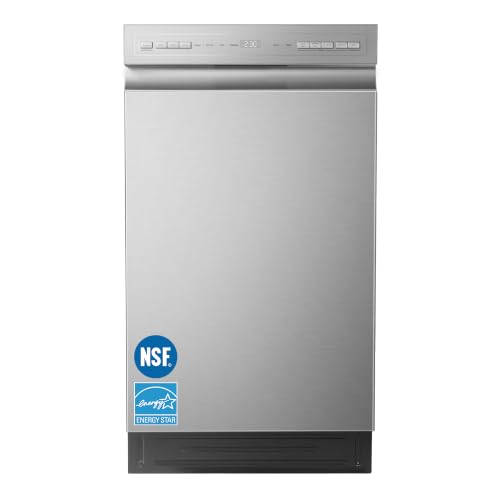
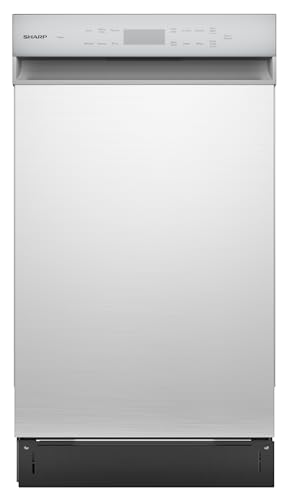
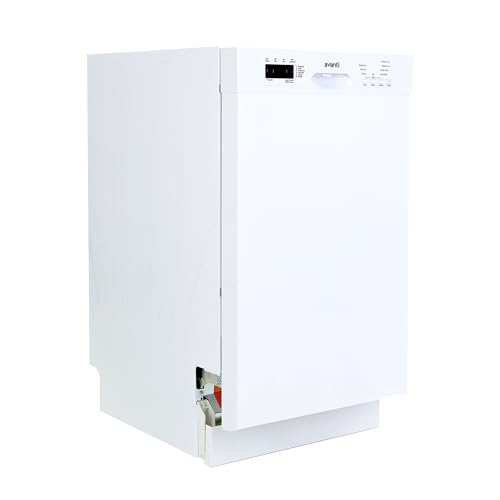
Quick Answer: Three Buying Profiles in Brief
Start with the profile that sounds most like your home, then confirm the details in the checklist that follows. Most small households do best with a stainless steel tub and adjustable racks, while open plan homes benefit most from a low decibel rating and a delayed start for night runs.
- Everyday small household: stainless steel tub, adjustable racks, and a soil sensor that adjusts water use to the load.
- Quiet apartment or condo: sound rating at or below about 48 decibels, plus a delay start timer.
- Remodel or design led kitchen: panel ready front or a finish that resists fingerprints, with racks that fold for serving pieces.
Before You Buy: A Quick Checklist for Choosing a Dishwasher
An 18 inch dishwasher is a long term appliance bought to solve a space problem, so measuring or planning errors are expensive to undo. Work through each point below and write your numbers down before you order.
Size: Match It to Your Space
Standard dishwashers are 24 inches wide, while slim models are about 18 inches wide, roughly 32 to 35 inches tall, and about 22 to 24 inches deep. That saves about six inches, which can be the difference between keeping a drawer bank and losing it. Capacity is the trade, since most 18 inch models hold about 8 to 10 place settings compared with about 12 to 16 in a full size unit. If your opening could go either way, compare your daily load with our guide to the best 24 inch dishwasher first.
Which Type Fits Your Routine
Most 18 inch models are built in units that slide under the counter and connect to permanent plumbing, which suits owners and long term renters. Top controls hide the panel when the door closes for a clean look, while front controls let you check the cycle at a glance. If you are matching custom cabinetry, a best panel ready dishwasher accepts a cabinet panel so the appliance blends into the run of cabinets. Portable and countertop units hold far less and need faucet access, so treat them as a separate category.
Features Worth Paying For and Ones to Skip
A third rack, where fitted, gives cutlery its own shallow tray and frees space below, though true third racks are less common at this width. A stainless steel tub resists staining, helps drying, and usually signals a longer lasting build than a plastic tub. Heated dry and automatic door opening both improve drying on plastics, which slim models can otherwise leave damp. WiFi alerts and specialty jets matter less for most buyers, so skip paying extra for them unless you will use them weekly.
Measurements and Compatibility With Your Setup
Measure the opening width at front and back, the height to the underside of the counter, and the depth to the back wall, then compare all three with the product cutout sheet rather than the headline dimensions. Check that the door can open fully without hitting a stove handle or island, and leave room behind the unit for the water line, drain hose, and power cord. Confirm whether your setup needs a hardwired connection or an outlet, and note where the shutoff valve sits.
Certifications and Efficiency Ratings
Look for Energy Star certification, which signals that the model meets federal efficiency limits, often using around 3 to 4 gallons per normal cycle at this size. Listings from safety bodies such as UL or ETL show the appliance has passed electrical and fire safety testing. Sanitise cycles meeting NSF and ANSI Standard 184 heat water hot enough to reduce bacteria on dishes, which can matter for baby bottles. Compare the yearly energy use figure on the rating label rather than trusting marketing copy.
Doing It Yourself Versus Professional Installation
A like for like swap in an existing opening is within reach for a confident homeowner with basic plumbing and electrical skills and a helper to slide the unit into place. New openings, moved plumbing, added circuits, or custom panel work call for a licensed professional, and some areas require permits, so check local rules before you start. Budget for supply lines and fittings on top of the appliance price. Our breakdown of dishwasher installation cost walks through typical labour and parts ranges.
Realistic Budget Ranges
Entry level slim models at under $500 usually pair a plastic tub with basic cycles and a louder sound rating, which can still suit a rental or a lightly used second kitchen. The middle of the market, about $500 to $900, is where stainless steel tubs, better racks, and quieter operation become common. Models at about $900 to $1,500 add panel ready fronts, lower decibel ratings, and stronger drying. Above that level you are mostly paying for design finishes and support networks rather than cleaner dishes.
Three Buying Profiles and What to Prioritise
Instead of chasing a single winner, match the spec sheet to the way your household lives. The three profiles below cover most 18 inch buyers and show which specs deserve your money.
Profile One: Small Household, Daily Use
Couples and small families who cook most nights will run a slim dishwasher almost every day, so rack flexibility matters more than exotic cycles. Prioritise an adjustable upper rack for tall glasses, fold down tines for pots, and a soil sensor that shortens light loads to save water. A stainless steel tub helps dishes dry between the evening run and the morning unload. You will run the machine more often than a full size owner would, so choose a normal cycle time you can live with.
Profile Two: Quiet Apartment or Open Plan Living
When the kitchen shares air with the living room or a bedroom wall, the sound rating decides whether you enjoy owning the appliance. Look for ratings around 44 to 48 decibels, tub insulation, and a delay start so the loudest stages happen while you are out or asleep. A half load option helps too, since small households often choose between running a part full load or leaving dishes to sit.
Profile Three: Long Term Remodel Investment
If the dishwasher is part of a remodel you plan to keep for a decade, build quality and parts support should outweigh a low purchase price. Prioritise a stainless steel tub and door, sturdy rack components, and a warranty that covers racks and the wash system for several years. Keep the cutout standard and the plumbing accessible, because the next replacement will be far cheaper if the opening needs no carpentry.
How to Evaluate an 18 Inch Dishwasher
Start with verified specifications from the manufacturer, including dimensions, capacity, sound rating, and energy use, since those numbers are tested to shared standards. Next, read owner feedback for patterns rather than single stories, looking for repeated comments about drying, rack breakage, or leaks at the door seal. Check warranty terms in writing, including whether labour is covered. If you are still weighing sizes, our overview of the best dishwasher options in standard sizes gives useful context.
Is an 18 Inch Dishwasher the Right Size for You?
An 18 inch model is the right call when the cabinet opening is fixed, the household is one to three people, and dishes are mostly plates, bowls, glasses, and everyday cookware. It also works well as a second unit in a pantry or guest suite, where loads are small but frequent. Running it daily is normal, and modern slim models use less water per cycle than hand washing the same load in most cases.
It is the wrong call when you regularly host large dinners, wash oversized sheet pans and stockpots, or have four or more people generating dishes at every meal. In those homes the tub fills before the day ends and loads wait on the counter. Judge by your largest weekly load, not your average one.
Common Mistakes to Avoid
- Measuring only the front of the opening: cabinets that narrow at the back can stop a unit sliding in.
- Assuming capacity from width alone: rack design and tub height change what a slim model actually holds.
- Ignoring the sound rating in an open plan home: a loud cycle every evening becomes a daily irritation.
- Forgetting the door swing: a door blocked by a corner cabinet makes loading the lower rack awkward for years.
- Skipping the installation budget: valves, hoses, and a new outlet can add a real share to the project cost.
- Buying cycles you will never use: specialty programs are a poor trade for weaker racks you touch daily.
Cost of Ownership and Care
Running costs are modest, since a modern slim unit uses only a few gallons of water per cycle and a small amount of electricity to heat it. Your main ongoing costs are detergent, rinse aid, and occasional parts such as rack wheels and door seals. Hard water raises costs over time by leaving scale on heating elements, so suitable detergent matters in hard water areas. Prices and availability can change, so check the product page before ordering any part.
Care is simple but regular. Scrape plates rather than rinsing them, clean the filter every few weeks, and run an empty hot cycle with a dishwasher cleaner every month or two. Our step by step guide to how to clean a dishwasher covers the filter, spray arms, and door seal in detail. Leave the door slightly open after a cycle when the manual allows it, since trapped moisture lets odours build up.
Your Questions, Answered
What is the most reliable dishwasher brand?
No single brand wins on reliability for every size, and published rankings change as models are redesigned. A more useful test is the warranty length on the tub and racks, the size of the local service network, and whether parts stay available for ten years or more. Ask local repair shops which brands they can service quickly in your area, since fast local support often matters more than a national reputation.
How do you clean an 18 inch dishwasher?
Start by removing and rinsing the filter under the lower spray arm, since trapped food there is the most common cause of poor cleaning and odour. Wipe the door seal, clear any blocked spray arm holes, and run an empty hot cycle with cleaner. One point many owners miss is the drain hose loop, which can clog slowly and cause standing water. If drainage problems return soon after cleaning, that hose path is the next place to inspect.
Is an 18 inch dishwasher worth it for a small household?
Yes, for most one to three person households it is worth it, because it saves time and usually uses less water than washing the same dishes by hand. The case is strongest when you cook at home often and would otherwise let dishes pile up. It is weaker if you eat out most nights and generate only a few items a day, when simple hand washing may cost less to own and run.
How long does an 18 inch dishwasher last?
Most dishwashers last about 9 to 13 years, and slim models follow the same range when installed level and maintained. Lifespan depends more on water quality, filter cleaning, and fixing small leaks early than on purchase price alone. Hard water and heavy daily use shorten that range. When a repair quote approaches about half the cost of a comparable new unit, replacement usually makes better financial sense.
What size dishwasher does a household of three need?
A household of three that cooks most meals at home usually does well with an 18 inch model rated at about 8 to 10 place settings, run once a day. The deciding factor is cookware, not headcount, since one large pan takes the space of several plates. If you rely on sheet pans or a stockpot most days, check those pieces against the rack dimensions before buying.
What should you look for first in the best 18 inch dishwasher?
Look first at fit and capacity, because a model that cannot slide into your opening or hold your daily cookware fails no matter how strong its other specs are. Next check the sound rating against where people sit and sleep, then the tub material and drying method. Only after those four points should you compare extra cycles, finishes, and smart features. This order keeps your money on what you will notice every day.
Final Thoughts
The right slim dishwasher fits your opening, swallows your largest normal load, and runs quietly enough for your layout. Use the product table above to compare capacity, sound ratings, and tub material, then confirm your measurements and installation plan one last time before you order. Chosen that way, a best 18 inch dishwasher stops being a compromise for a small kitchen and becomes the appliance that quietly keeps it running.


