Best Dishwasher: A Complete Buying Guide
Disclosure: We may earn a commission when you buy through links on this page, at no extra cost to you. As an Amazon Associate I earn from qualifying purchases. Learn more

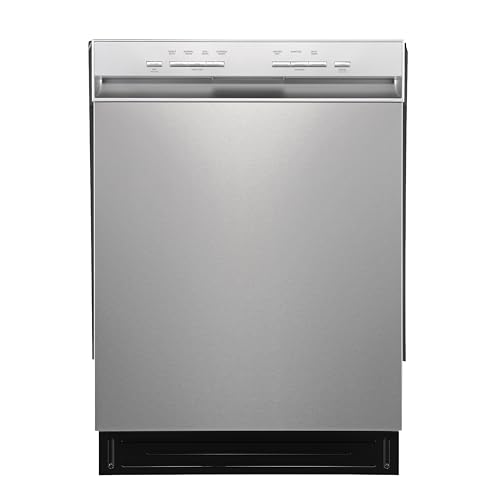
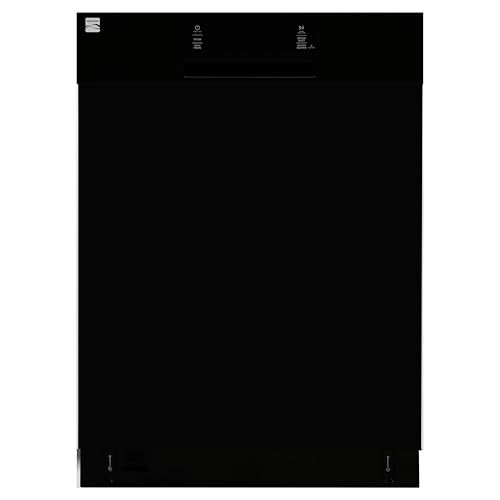
Choosing the best dishwasher for your kitchen comes down to matching real features to your daily habits, not chasing the flashiest control panel. A quiet cycle matters more in an open-concept home than it does in a house with a separate kitchen. A third rack only earns its keep if you actually own enough long utensils to fill it. Before you compare specs, it helps to know which numbers are worth your attention and which ones are marketing noise. This guide walks through decibel ratings, sizing, cycle options, installation types, and efficiency so you can narrow the field with confidence and shop for the right fit instead of the most expensive model.


How Loud Is Too Loud? Decoding Decibel Ratings
Dishwasher noise is measured in decibels, or dBA, and the number on the spec sheet tells you almost everything about how disruptive the machine will be. Anything in the high 30s to low 40s runs quiet enough that you can hold a conversation in the next room without raising your voice. Models in the mid-40s are noticeable but tolerable for most households. Once you climb past 50 dBA, you will hear the wash cycle from adjoining rooms, which matters a lot if your kitchen opens into a living or dining area.
Two design choices drive most of that noise. A hard food disposer grinds larger scraps inside the tub, which adds a grinding sound partway through the cycle, while a manual-clean filter catches debris quietly but needs you to rinse it out by hand every so often. Extra sound insulation around the tub also helps, though it is not always listed clearly, so checking the dBA rating directly is more reliable than reading marketing copy about "whisper quiet" performance.
Finding the Right Size and Capacity for Your Household
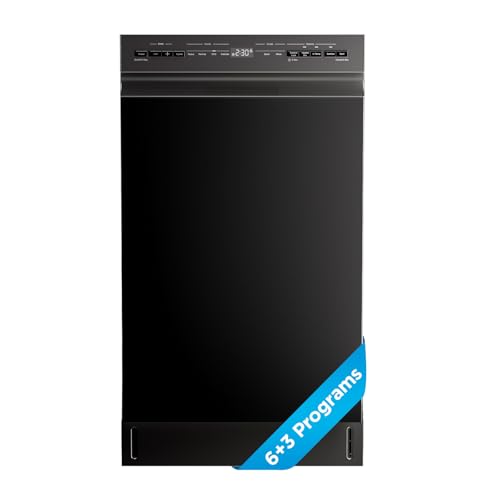
Most dishwashers sold for kitchens are a standard 24 inches wide, and that width holds a full course of place settings for a family of four to six without a second load. If your kitchen is smaller, or you live alone or with one other person, an 18-inch compact model saves cabinet space while still handling a normal week of dishes.
Capacity is usually described in place settings, and it is worth thinking in terms of your actual routine rather than the raw number. Someone who cooks daily with a lot of pots and pans needs more usable rack space than someone who mostly runs plates and glasses. If you regularly host or cook for a larger household, prioritize adjustable racks and generous tine spacing over a marginally higher place-setting count, since flexible loading often matters more than raw capacity.
Wash Cycles, Rack Design, and Smart Features That Matter
Every dishwasher comes with a normal cycle, but the extras vary widely. A heavy or pots-and-pans cycle uses hotter water and a longer run time for baked-on food. A quick or express cycle trims wash time for lightly soiled loads when you need dishes back fast. Sensor or auto cycles use a soil sensor to gauge how dirty the water is and adjust wash time on the fly, which saves water on lighter loads without you having to guess the right setting.
Third Racks and Adjustable Tines
A third rack sits above the standard two and is built for shallow items like spatulas, ladles, and serving utensils that otherwise clutter the silverware basket. It is genuinely useful if you own a lot of cooking tools, but it adds height to the tub, so double check that your tallest items still fit underneath. Adjustable or fold-down tines on the middle rack let you fit taller items like wine glasses or mixing bowls without rearranging the whole load.
Built-In, Portable, or Drawer: Picking the Right Installation Type
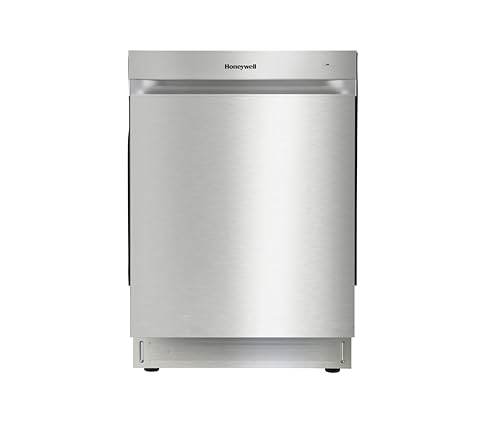
Most kitchens use a built-in under-counter dishwasher that slides into an existing cutout and connects to your water line, drain, and electrical supply. If you are replacing an old unit in the same spot, installation is usually straightforward for anyone comfortable with basic plumbing, though hardwiring a new electrical connection or running a fresh water line is a job for a licensed plumber or electrician.
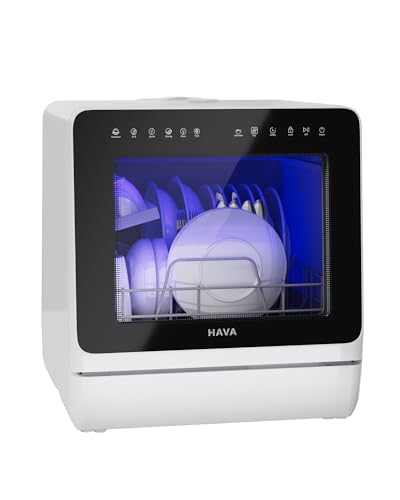
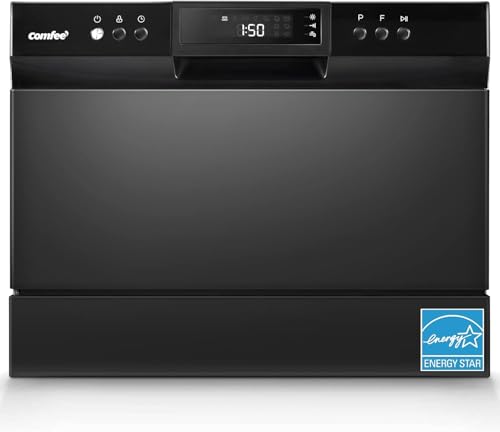
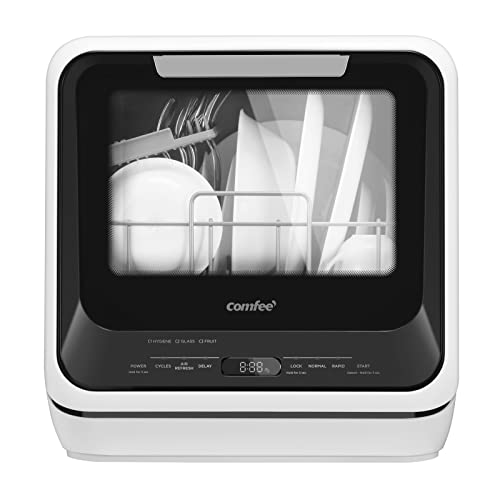
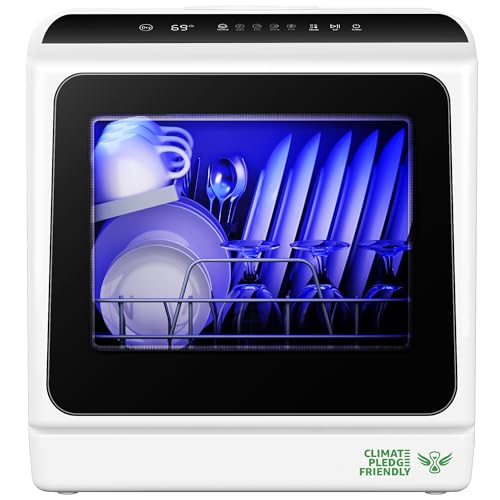
Renters or anyone without a dedicated cutout have two other paths. A portable or countertop dishwasher rolls up to your sink and connects through a faucet adapter, so it needs no permanent plumbing and can move with you. A drawer dishwasher installs like a built-in model but splits the interior into one or two pull-out drawers, which lets you run a small load without powering the whole unit, a genuine advantage for a household of one or two people.
Energy Star Ratings and Water Usage
An Energy Star certification means a dishwasher meets federal efficiency targets for both electricity and water use per cycle, and certified models typically use meaningfully less water than older or uncertified units. Soil sensors play a direct role here too, since a machine that can detect a lightly soiled load and shorten the cycle uses less hot water than one that always runs a fixed, longer program.
Water usage differences mostly come down to spray arm design, filtration, and how well the sensor technology avoids unnecessary rewashing. If keeping utility bills down is a priority alongside finding the best dishwasher for a small household, comparing rated water consumption per cycle is a more reliable signal than the price tag or the number of buttons on the control panel. Shoppers who also want to keep upfront costs low can compare options in a budget-focused dishwasher buying guide for models that balance efficiency with a lower price point.
Frequently Asked Questions
How long does a normal dishwasher cycle take?
Most standard cycles run two to three hours. That longer runtime actually helps efficiency, since lower water temperatures and gentler spray pressure over more time use less energy than a fast, high-heat cycle.
Do I need rinse aid if I already use pod detergent?
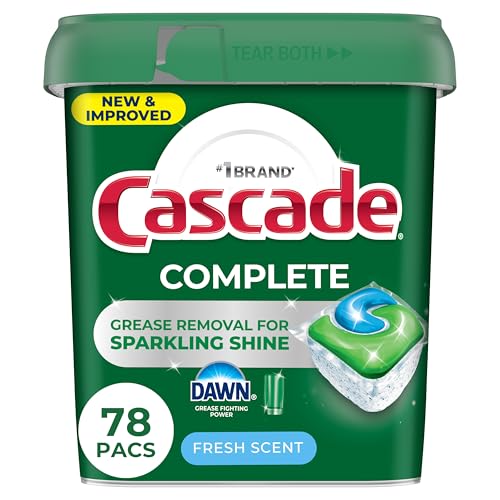
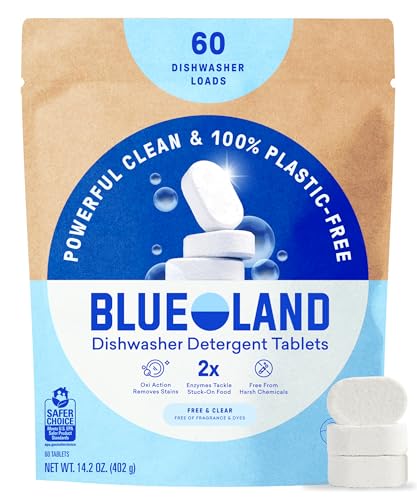
Yes. Rinse aid helps water sheet off dishes during drying, which prevents spotting and cloudiness. Pod detergent handles cleaning, but most pods do not include enough rinse aid to fully prevent water spots on glassware.
Why are my glasses coming out cloudy?
Cloudy glasses are usually caused by hard water mineral deposits or etching from repeated washes. Adding rinse aid and lowering the wash temperature slightly can reduce buildup, though heavy etching from years of hard water is not reversible.
Can I use dish soap instead of dishwasher detergent?
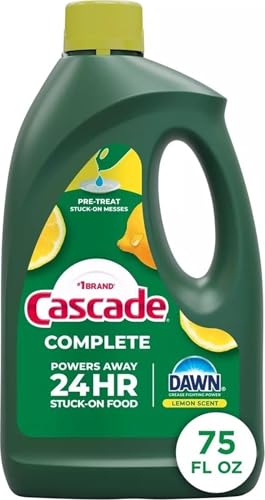
No. Regular dish soap creates far too much suds for a dishwasher and can cause it to overflow. Always use detergent formulated specifically for dishwashers, whether powder, liquid, or tablet.
How often should I clean the filter?
If your model has a manual-clean filter, rinse it under running water every one to two weeks, more often if you run heavily soiled loads. A clogged filter is one of the most common causes of poor cleaning performance and lingering odors.
Is a bigger dishwasher always the better choice?
Not necessarily. A larger capacity only helps if you consistently generate enough dishes to fill it, otherwise you are running partial loads that waste water. Matching size to your household's real routine matters more than maximizing capacity.
What is the ideal water temperature for washing dishes?
Most dishwashers heat incoming water internally, but starting with hot water from your home's supply, generally around 120 degrees Fahrenheit, helps the unit reach optimal wash temperature faster and clean more effectively.
Making Your Final Decision
Narrowing down the right model gets much easier once you know which specs actually affect your daily routine, from decibel ratings to rack layout to installation type. Write down your must-haves, whether that is a quiet cycle for an open kitchen or a third rack for a drawer full of cooking tools, and compare models against that short list rather than a spec sheet. The best dishwasher for your home is the one that fits your space, your household size, and your water and energy priorities, not the one with the longest feature list.