Best 24 Inch Dishwashers in 2026: Types and Buying Guide
Disclosure: We may earn a commission when you buy through links on this page, at no extra cost to you. As an Amazon Associate I earn from qualifying purchases. Learn more

Compare the best 24 inch dishwasher types by noise level, rack layout, tub material and install cost to fit a standard cabinet opening.
Picture a weeknight dinner for five. Pots crowd the stove, plates stack in the sink, and everyone wants the kitchen clean before bed. A best 24 inch dishwasher pick for a home like yours swallows that whole load in one cycle, so nobody washes up by hand. This guide helps you choose by the things that matter at home: your cabinet opening, your household size, your daily routine, and your total budget including installation.
Rather than pushing one model on every reader, we group 24 inch dishwashers into three types that suit different homes, then walk through the specs that separate a good fit from an expensive mistake. Start with the three types above, then use the checklist that follows to narrow your shortlist. For a wider look at every size and style, see our guide to the best dishwasher options available.






Quick Answer: Three Types That Cover Most Homes
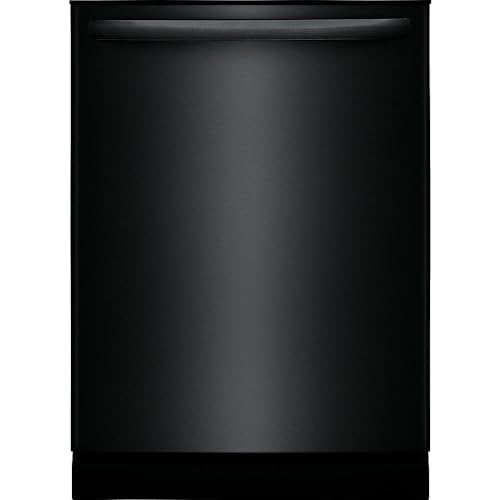
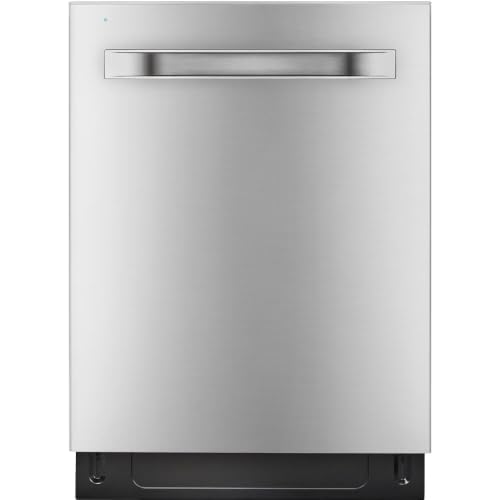
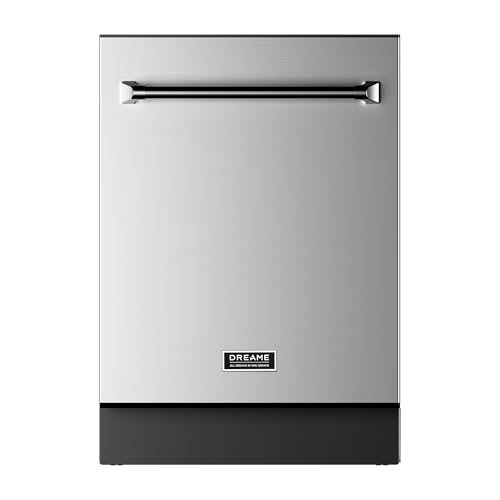
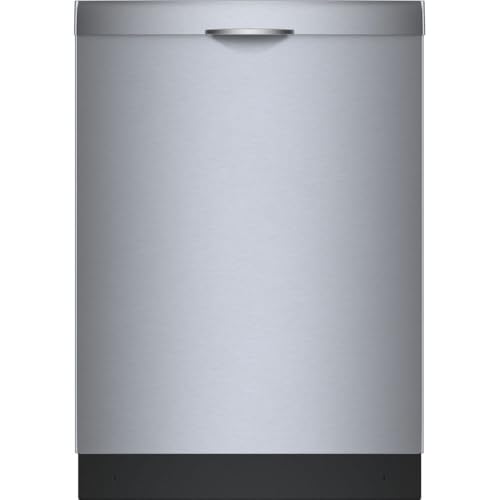
Most shoppers land on one of three types. The first is the straightforward front control model with a plastic or stainless steel tub, two racks, and a handful of cycles. It suits smaller households and tighter budgets. The second adds a third rack, a stainless steel tub, and quieter operation around 44 to 48 dBA, which fits busy family kitchens and open floor plans. The third is the premium type: panel ready or pocket handle styling, noise ratings near 39 to 42 dBA, and flexible racks with fold down tines for bulky cookware.
None of these types is best for everyone. A couple running half loads gains little from the largest racks, while a family of six will outgrow a basic two rack layout fast. Match the type to your household first, then compare features inside that type.
Before You Buy: A Quick Checklist for Choosing a Dishwasher
Size: Match It to Your Space
The 24 inch width is the standard size for a reason. It fits the cabinet opening in most kitchens and holds about 12 to 16 place settings, enough for a full family dinner plus cookware. If your opening measures closer to 18 inches, a full size model will never slide in, and forcing the issue wastes money on cabinet work. In that case, look at the best 18 inch dishwasher models instead, which hold about 8 to 10 place settings and suit apartments, small kitchens, and couples. Drawer and countertop units serve niche spaces, but they hold far less per load.
Which Type Fits Your Routine
Start with installation style. Built in models sit under the counter and connect to your water line and drain, while portable units roll to the sink and countertop units suit renters who cannot alter plumbing. Next, controls: top control panels hide the buttons for a clean look, while front control panels let you check the cycle at a glance. A stainless steel tub resists stains and odors, dries dishes better than plastic, and usually signals a quieter machine. If matching your cabinetry matters, a best panel ready dishwasher accepts a custom front panel that blends into the kitchen.
Features Worth It (and Ones to Skip)
A third rack earns its keep if you wash many utensils, lids, and small items, because it frees the lower racks for plates and pans. Bottle jets help families with water bottles and baby gear, and a sanitize cycle suits households that want a hotter final rinse. Heated dry and auto open dry both improve drying, with auto open using less energy. A built in food disposer grinds soft scraps so you can skip prerinsing, though models with a removable filter often run quieter. WiFi alerts sound handy, but many owners stop using the app within months, so treat it as a bonus. If your tap water leaves white spots on glassware, read our guide to the best dishwasher for hard water before you buy, because a built in water softener solves the problem at the source.
Measurements and Compatibility With Your Setup
Measure the opening three ways: width, height from floor to the underside of the counter, and depth from the wall to the front of the cabinets. Most 24 inch models need an opening about 24 inches wide, 33.5 to 35 inches tall, and 24 inches deep. Check that the door can swing fully open without hitting a handle, an island, or a corner cabinet pull. Confirm you have a water supply line, a drain connection, and a grounded electrical outlet within reach. Older kitchens sometimes hide shut off valves that no longer turn, so check yours before delivery day.
Certifications That Matter
Look for the ENERGY STAR label, which signals that the machine meets federal efficiency standards for energy and water use. Efficient models use about 3 to 5 gallons per cycle, far less than older units. A sanitize cycle certified to NSF/ANSI 184 follows a recognized standard for rinse temperature, a detail worth having for baby bottles and cutting boards. Also check the warranty terms: parts and labor coverage of one year is typical, while longer coverage on racks and the tub signals confidence from the maker.
DIY vs Pro Installation Cost
Swapping a like for like dishwasher is within reach for a confident homeowner with a drill, an adjustable wrench, and a free afternoon. The job involves shutting off water and power, disconnecting three lines, sliding the old unit out, and reversing the steps. Hiring a pro typically costs about $150 to $400 depending on your area, and the fee climbs if the installer must add an outlet, replace a valve, or modify cabinets. Our breakdown of dishwasher installation cost explains what drives the quote, so you can judge whether a bundled installation deal is fair before you accept it.
Realistic Budget Ranges
Under about $500, expect two racks, basic cycles, and noise ratings near 50 to 55 dBA, fine for a closed kitchen. Between about $500 and $700, you gain stainless steel tubs on many models and better rack adjustability. The about $700 to $1,000 band is where third racks, quiet operation under 45 dBA, and strong drying systems cluster, and it suits most families. Above about $1,000, you pay for panel ready styling and premium rack hardware. Past about $1,500, spending mostly buys design details rather than cleaner dishes.
How We Built This Guide
Our criteria came from manufacturer specification sheets, federal efficiency data, and patterns in verified buyer reviews, with a focus on installation and compatibility, build quality and finish, useful features, certifications, and warranty coverage. We weighed everyday ownership factors: how loudly a machine runs during dinner, how easily racks handle tall pots, and how much upkeep the filter and tub demand. This guide gives you a clear framework for comparing the product table above against your own kitchen and habits.
Is a 24 Inch Dishwasher the Right Size for You?
Choose 24 inches if you cook most nights, host guests, or run the machine daily. The capacity handles a dinner party load without a second cycle, and the wide racks accept sheet pans, stockpots, and mixing bowls that frustrate owners of compact units. Households of three or more usually fill this size at a healthy rate, which matters because full loads wash more efficiently than half loads.
Choose a smaller size if you live alone, rarely cook, or have a galley kitchen where every inch of cabinet storage counts. An 18 inch model reclaims six inches of cabinet space and still beats hand washing for water use. If a remodel is coming soon, confirm the new layout keeps a 24 inch opening before investing in a premium model today.
Common Buying Mistakes to Avoid
- Guessing the opening size. Assuming your opening is standard leads to a delivery refusal and a restocking fee when the unit will not fit.
- Ignoring the noise rating. Buying a 55 dBA model for an open plan kitchen means raising your voice over every evening cycle.
- Paying for features you will never use. Steam cycles, smart controls, and specialty jets add cost that could have gone toward a better tub or racks.
- Forgetting the full cost. Skipping the installation kit, delivery, and old unit removal from your budget makes a good deal look better than it is.
- Overlooking door clearance. A door that cannot open fully past a drawer pull turns unloading into a daily annoyance.
Cost of Ownership and Care
Running costs stay modest. An efficient model uses roughly 250 to 300 kilowatt hours per year, plus about 3 to 5 gallons of water per load, so detergent and rinse aid often cost more than utilities do. Clean the filter monthly by rinsing it under the tap, wipe the door seal weekly to stop odor buildup, and run an empty hot cycle with a dishwasher cleaner every few months. Leave the door slightly ajar between loads so the tub dries and stays fresh. These habits protect the pump and racks, the parts that decide how long the machine serves you.
Your Questions, Answered
What is the most reliable dishwasher brand?
Reliability depends more on the specific model line and your local service network than on the badge alone. Simpler models with fewer electronic extras tend to need fewer repairs, and brands with strong parts availability nearby get fixed faster when something fails. Before buying, search for authorized service providers near you and read recent owner reviews for the exact model, since quality can shift between product generations.
How do you clean a dishwasher?
Start by pulling out the bottom rack and removing food debris from the tub floor and drain area. Check the spray arm holes for stuck seeds or glass, clearing them with a toothpick. Run an empty cycle on the hottest setting with a bowl of white vinegar on the top rack to cut grease and mineral film. For a deeper routine, follow our guide on how to clean a dishwasher.
Is a dishwasher worth it compared with washing by hand?
For most households, yes. A modern machine uses about 3 to 5 gallons per full load, while washing the same load by hand under a running tap can use several times that amount. It also saves roughly 30 minutes of daily labor and sanitizes with hotter water than hands can tolerate. The math weakens for a single person who generates only a few dishes daily and would wait days to fill the racks.
How long does a dishwasher last?
Most dishwashers last about 9 to 13 years with normal use. Hard water shortens that span by coating heating elements and valves, while gentle habits extend it: scrape rather than prerinse, avoid overloading racks so arms spin freely, and keep the filter clean. When repair quotes approach half the price of a comparable new model, or when the tub itself rusts or cracks, replacement usually makes more financial sense than another service call.
What size dishwasher do I need for a family of four?
A 24 inch model with 14 to 16 place settings handles a family of four comfortably, including the pots and pans from a cooked dinner. Look for an adjustable upper rack so tall glasses and stemware fit without forcing the door. If your family also washes bulky items like roasting pans and blender jars daily, prioritize interior height and fold down tines over extra wash cycles, because loading flexibility matters more than program count at this household size.
What is the best 24 inch dishwasher for a quiet kitchen?
The quietest type pairs a stainless steel tub with sound insulation and a rating near 39 to 44 dBA, about the volume of a quiet conversation in the next room. Beyond the rating itself, look for a delay start option so cycles can run overnight, and a status light that shines on the floor, since top control models give no visible countdown. Fit matters too: a machine wedged tightly against cabinets transmits more vibration noise than its rating suggests.
Final Thoughts
The right choice comes down to fit, routine, and honest priorities. Measure your opening, pick the type that matches your household, and spend on quiet operation and rack flexibility before decorative extras. Use the product table above to compare your finalists against the checklist in this guide. When the best 24 inch dishwasher for your home slides into place and runs its first quiet load, the nightly sink pile becomes a problem you used to have.