Best Compact Cameras with Zoom in 2026: First Buyer Guide
Disclosure: We may earn a commission when you buy through links on this page, at no extra cost to you. As an Amazon Associate I earn from qualifying purchases. Learn more

How far do your subjects sit? Start there to pick among the best compact cameras with zoom, from pocket models to long reach bodies.
Buying a first camera with real reach feels confusing because every box leads with a large zoom number and very little else. The calmer way to compare best compact cameras with zoom is to start with how far your subjects usually sit, then work down to sensors, light and handling. The product table lines the main classes up side by side so you can see the trade offs before the detail starts.
This guide assumes no prior camera knowledge and explains each term in plain English as it appears. It focuses on the classes, the features that separate them and the price bands they sit in. By the end you should be able to read any listing and know which class it belongs to and whether that class fits your days out. Keep your last few outings in mind as you read, because your own subjects are the best specification sheet.





Compact Cameras 101: The Basics
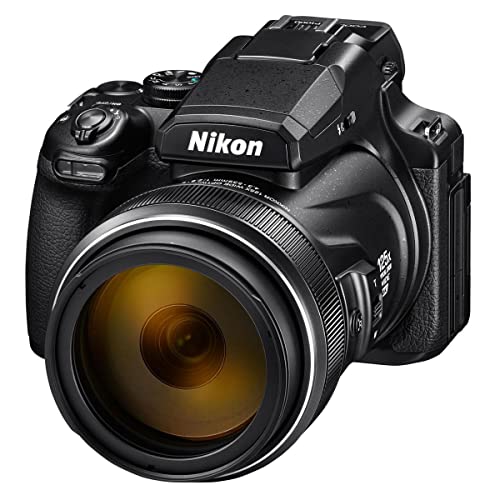
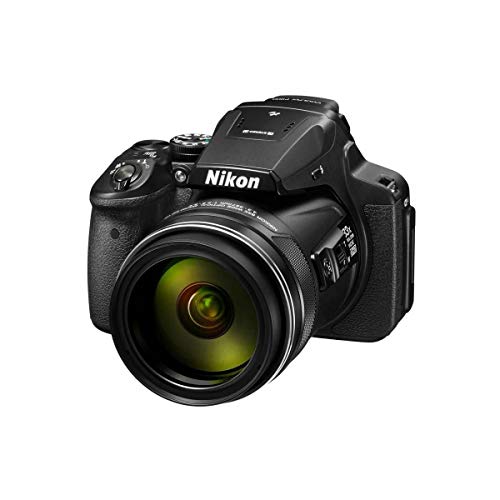
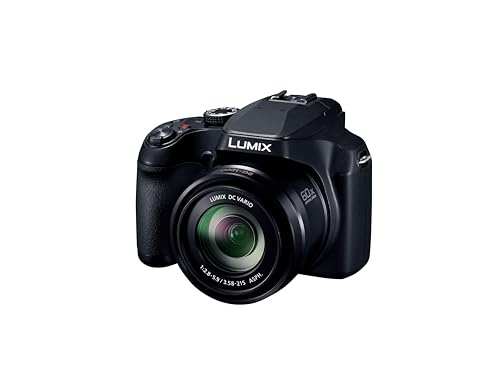
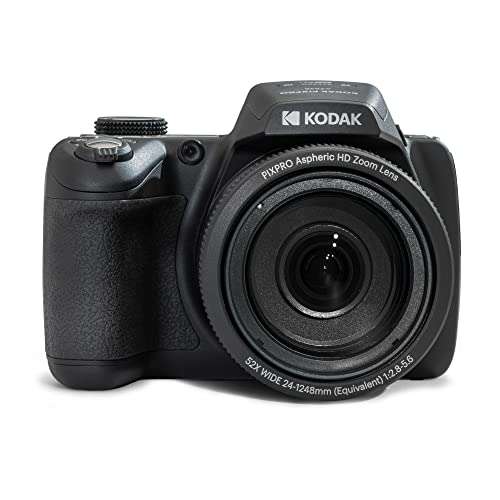
Start with reach, because reach decides the class before any other feature matters. Pocket reach covers arm length subjects, table scenes and street views a few steps away, and it suits a camera that must vanish into a jacket. Travel reach stretches to landmarks, stage performers and animals behind a fence at a zoo, and it is the class most first buyers actually need. Wildlife reach reaches birds on a branch and players on the far side of a field, and it asks for a larger body, a steadier hand and more patience.
A compact camera is a complete camera with a fixed lens that cannot be swapped, a sensor smaller than the ones in interchangeable lens cameras and controls simplified for quick shooting. The lens folds or telescopes into the body, which is why the whole camera can ride in a coat pocket or a small bag. Readers who want the wider shelf first can start with our guide to best cameras compact and then return here for the zoom classes.
Optical zoom is real reach. The lens elements move and the subject genuinely grows larger in the frame with its detail intact.
Digital zoom is cropping. The camera enlarges the middle of the picture and throws the edges away, so detail falls and the result looks soft on a larger screen. Listings under best compact zoom digital cameras mix both numbers freely, so always look for the optical figure and treat the digital figure as a convenience, not a capability.
Most first buyers land in the travel reach class, because it covers holidays, family events and days out without a bag of lenses. Our guide to best compact travel zoom cameras looks at that class on its own. If your subjects are mostly people nearby, the pocket class will feel faster and lighter. If your subjects sit far away and small, read the sections on long zoom and light before you spend anything.
A point and shoot compact earns its place by being present. If the camera needs a special bag and a settings check before every shot, it will stay home on the ordinary days when most family pictures happen. Judge every class in this guide by whether you would carry it on a normal weekday, not only on a holiday.
Key Specs Explained in Plain English
Five specifications decide how a compact zoom camera behaves in your hands. Read them in this order and the product table becomes much easier to use, because each line on a listing maps to one of these five points.
Measuring for Size and Portability
Measure the bag or pocket the camera must live in, then check the camera depth with the lens closed, because a folded lens still leaves a body that has to fit. Weight matters on a full day out more than it does in a shop, so add the case, a spare battery and a card to the listed weight in your head. A smaller body usually means smaller buttons and a shorter lens, which is the honest trade off for pocketability. If you wear gloves in winter, favor a slightly larger body with controls you can feel.
Why Choose a Compact Camera With Zoom
A built in zoom lens saves the cost and bulk of separate lenses and lets you frame a subject from where you stand, which matters at fences, stages and viewpoints where you cannot walk closer. The limit is light and size, because one lens covering every distance cannot gather as much light as a lens built for one distance. Readers comparing the wider zoom shelf can also see our guide to best cameras for zoom for the non compact side of the same question. Choose this class when convenience and reach together matter more than the last measure of image quality.
Sensor Size and Image Quality
The sensor is the light sensitive surface that records the picture, and its size shapes quality more than the megapixel count does. Most compact zoom cameras use a small sensor or a one inch class sensor, and the one inch class gathers more light and holds detail better as light fades. Larger classes such as APS C live in bigger cameras and rarely pair with a long zoom in a pocket body. Megapixels decide how large you can print, and for sharing and family albums every current class has enough.
Autofocus and Stabilization
Autofocus is the system that locks onto your subject, and the useful questions are whether it finds faces and eyes reliably and whether it follows a moving child or pet. Stabilization, often listed as image stabilization, counters hand shake, and it matters more as zoom grows, because at full zoom the shake grows with the magnification and small movements swing the frame widely. Optical stabilization inside the lens or body is the kind to look for. Even with good stabilization, brace your elbows or lean on a wall at the longest settings.
Low Light Performance
Low light performance describes what happens at dusk, indoors and under stage lighting, and this is where long zoom compacts are weakest. A long lens on a small sensor is a daylight tool, because the lens passes little light at full zoom and the small sensor adds grain when it compensates. A camera with a shorter zoom and a larger sensor will usually beat a long zoom rival after sunset. Plan evening subjects around the wider end of the zoom, where every compact gathers its most light.
Our guide to best long zoom compact cameras treats that long reach class on its own terms, including the patience and the steady support it asks for.
Picking the Right Compact Cameras for Different Uses
With the basics settled, match the class to the job. The two groupings below cover the questions first buyers ask most, and the product table shows where each grouping sits on price.
Best Compact Cameras for Zoom: Tips for First Time Buyers
Shoppers searching for best compact cameras for zoom usually mean one thing: reach they can carry every day. Judge that class by three points.
First, check the optical zoom range at both ends, because a useful wide end matters as much as the long end. Second, confirm stabilization is optical, since this class lives at long settings. Third, handle the zoom control, because a smooth lever you can feather beats a jumpy one you overshoot.
Best Compact Cameras with Zoom and Video: Tips for First Time Buyers
Video changes the shopping list in three ways. Sound comes first, because a built in microphone near the zoom motor can record the motor itself, so look for a microphone socket or plan for quiet zooming. Heat comes second, because long clips in warm weather can stop a small body recording, so check the stated clip length.
Stabilization comes third, because walking footage at any zoom setting exaggerates every step. A flip screen helps filming yourself, and 4K video gives cropping room later at the cost of larger files.
Rookie Mistakes to Avoid
First buyers tend to repeat the same five errors. Each one below costs money or pictures, and each one is easy to sidestep once named.
- Buying on the digital zoom figure, so the long reach promised on the box turns out to be cropping with lost detail.
- Choosing the longest zoom for subjects that sit nearby, so the camera is larger, slower in low light and still mostly used at its wide end.
- Ignoring the wide end of the range, so group photos and interiors feel cramped because the lens cannot step back.
- Skipping the spare battery and card in the budget, so the first full day out ends early with a flat battery or a full card.
- Judging the camera only in bright shop light, so its dusk and indoor behavior stays unknown until the first evening event.
Getting Started: Setup and First Use
Charge the battery fully before the first outing and set the date and time, because correct dates keep your library in order later. Format the memory card inside the camera rather than on a computer, so the card matches the camera file system exactly. Fit the wrist strap and use it, because a compact camera is at its most droppable in its first excited week.
Clean the lens with a lens cloth, not your shirt, because shirt fabric carries grit that can mark the coating. Carry a spare battery on any full day out, since zoom motors and screens draw power steadily. Spend one evening at home photographing pets, plants and family at every zoom setting, so the controls feel familiar before a moment that matters arrives.
Turn off the digital zoom in the menu if the camera allows it, so you always know your real reach. Keep the storage habit simple, and keep the camera dry and out of a hot car. Few cameras in this class are weatherproof, so a small cover in the bag is cheap insurance in rain. A small case that fits the camera with its strap attached is the case you will actually use.
Compact Cameras: Your Questions Answered
The answers below add points the main sections did not cover, so read them as the second half of the guide.
How much should I spend on a first compact zoom camera?
Most first buyers should plan on about $200 to $450 for the camera itself. That band covers the pocket and travel reach classes with optical stabilization and a one inch class sensor at its top end. Add about $40 to $80 for a spare battery, a card and a case, because a camera without those is not ready for a full day. Spending beyond the band mainly buys longer reach or a larger sensor, not better memories.
Is a smartphone enough instead of a compact zoom camera?
A smartphone is enough for nearby subjects in good light, and it wins on sharing speed. A compact zoom camera pulls ahead when the subject sits far away, because optical reach keeps detail that phone cropping discards. A separate camera also saves your phone battery on trips and gives you real buttons and a grip. Many owners keep both, using the phone daily and the camera on planned outings.
What does a 10x or 24x zoom number mean on a compact camera?
The number compares the longest focal length with the shortest, so a 10x lens reaches ten times farther than its own wide view. It says nothing about how wide the starting view is, which is why two 10x cameras can frame a room very differently. For travel, a range that starts genuinely wide and ends at 10x or more covers most subjects. Check both ends of the range on the listing, not the headline number alone.
Which compact zoom class handles low light better?
The larger sensor class with the shorter zoom handles low light better. Its lens passes more light and its sensor adds less grain, so faces stay cleaner at dusk and indoors. If evenings matter, sit or stand closer and use the wide half of the zoom rather than the far end. A camera flash helps a near subject but flattens the scene, so treat it as a last resort for people pictures.
What specs matter most for beginners in a compact zoom camera?
Reach class, sensor size and optical stabilization matter most, in that order. A listing that advertises the best compact cameras with great zoom but hides its sensor size or lists only digital reach is telling you what to skip. After those three, look for a simple automatic mode that still allows a scene choice, a screen you can read in sunlight and a menu you can search without the manual. Controls you understand beat features you never find.
Final Thoughts
A first compact zoom camera should match your subjects, your light and your bag, in that order. Use the product table to place each candidate in its reach class, then check its sensor and its optical reach against the sections you have just read.
If most of your subjects are near and your evenings are busy, favor the larger sensor and the shorter zoom. If your subjects sit far away in daylight, favor reach and stabilization. Either way, the right choice among the best compact cameras with zoom is the class you will carry daily, because the camera in your pocket takes more pictures than the finer camera left at home.