
Best Compact Zoom Digital Cameras 2026: A Practical Buying Guide
Disclosure: We may earn a commission when you buy through links on this page, at no extra cost to you. As an Amazon Associate I earn from qualifying purchases. Learn more

Compare the best compact zoom digital cameras by zoom range, sensor size, stabilization, and price, with plain guidance for travel, family, and video use.
A phone is always in your pocket, but its zoom still leans on cropping, and distant subjects quickly turn soft. The best compact zoom digital cameras fix that with a real optical zoom lens in a body that still fits a jacket pocket. This guide explains the specs that actually change your photos, compares the main types, and shows where money matters and where it does not. The comparison table below gives a quick overview before the detail sections.
Start with how far away your subjects usually are. Travel scenes, school stages, wildlife at a park, and kids playing sports all ask for different zoom ranges and focusing speeds. Sensor size, stabilization, and autofocus then decide how clean and sharp those zoomed shots look, especially indoors and at dusk.
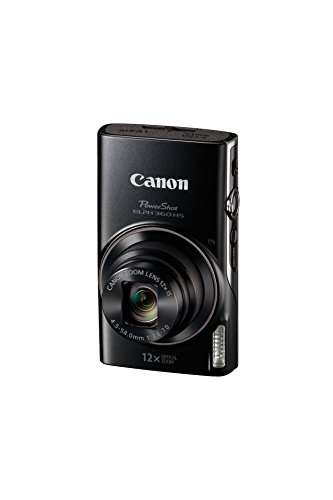


How to Choose the Best Compact Zoom Digital Cameras: Buying Guide
Zoom range gets the headlines, but it is only one of six factors that decide whether a small camera earns its place next to your phone. Work through each factor below in order, and the right class of camera becomes clear.
Measuring for Size and Portability
Most compact zoom cameras weigh about 200 to 400 grams with the battery in, and the lens folds flat into the body for storage. A model at the light end disappears into a coat pocket, while a heavier one with a deep grip and a viewfinder needs a small bag but handles better at full zoom. Check the grip depth as well as the weight, since a slippery flat body is hard to hold steady on a long lens. If pocket size matters more than reach, the best compact cameras with zoom keep the same idea in smaller bodies.
Sensor Size and Image Quality
Sensor size shapes image quality more than the megapixel count on the box. Many travel zoom models use a small 1/2.3 inch sensor, which keeps the body tiny but adds grain in dim light. Models built around a one inch sensor cost more and grow a little larger, yet they hold cleaner detail indoors and at dusk.
Extra megapixels mainly help with cropping and large prints, so a moderate count on a bigger sensor usually beats a high count on a tiny one. Readers comparing formats beyond compacts can browse our broader guide to the best digital cameras.
Autofocus and Stabilization
Autofocus decides how many zoomed shots come back sharp. Eye detection focus locks onto people and holds them as they move, and subject tracking helps with pets, wildlife, and sports. Stabilization matters just as much, because a long zoom magnifies every hand shake along with the subject.
Optical stabilization in the lens is the standard to look for, and it can save several stops of shutter speed on still subjects. For moving subjects, a faster shutter speed still does the real work, so good autofocus and stabilization work as a pair.
Durability and Weather Sealing
Weather sealed compact cameras use gaskets around doors and dials to shed light rain, dust, and beach sand, but sealed does not mean waterproof unless the maker rates the body for underwater use. A lens barrier or an automatic cap keeps the front glass safer in a pocket or bag. Look for a metal tripod socket rather than plastic if you plan to use a small tripod often. A wrist strap sounds minor until the camera is hanging over a boat rail or a cliff path, so use the one in the box.
Low Light Performance
Low light results depend on the lens aperture at the zoom setting you actually use. Many compact zooms offer a wide lens aperture at the wide end but a much narrower one at full zoom, and that narrower opening forces higher ISO settings and grainer photos. A one inch sensor handles those settings with less noise than a small sensor does. Stabilization helps with still scenes in dim rooms, but it cannot freeze a moving child or player, so expect to trade a little grain for a fast enough shutter.
Lens and Zoom Range
Optical zoom is the number that matters, since it uses real glass movement and keeps full detail, while digital zoom only crops and enlarges the image. Compact models range from about 10x to 30x or more, often described as a 24 to 720 mm equivalent range. A wider starting point helps with interiors and group shots, and the long end suits wildlife and stage photos.
Our guide to the best compact optical zoom digital cameras focuses only on models where optical reach is the main event. One safety note: if your camera has an optical viewfinder, never use it to look directly at the sun, because the concentrated light can damage your eyes.
Types of Compact Zoom Digital Cameras
Three groups cover most of the market, and they differ mainly in how much zoom, video help, and ruggedness they trade for size.
Point and Shoot Compacts
Classic point and shoot models put ease first, with full auto modes, scene presets, and a moderate zoom that covers family events and travel days. They cost the least of the three groups and ask almost nothing of the user. Shoppers who want the smallest bodies with shorter zoom ranges can also compare the best compact digital cameras, which trade reach for pocket size. Choose this group if you want better zoom than a phone without learning manual controls.
Vlogging Cameras
Vlogging models add a flip screen that faces forward, a microphone input on many bodies, and strong video autofocus that tracks faces while you talk. Their lenses lean wide rather than long, so the zoom range is shorter than on travel models. That trade suits creators who film themselves at arm length and want clean sound. If your photos matter more than your video, a travel zoom body gives you more reach for similar money.
Action Cameras
Action cameras are rugged and waterproof, with a fixed wide lens made for mounting on bikes, helmets, and boards. They appear in zoom searches, but their zoom is digital cropping only, so distant subjects lose detail fast. Treat them as a different tool: excellent for close, moving, wet subjects, and a poor fit for wildlife or stage photos. If your subjects stay far away, spend the same money on a true optical zoom compact instead.
Care and Maintenance Tips
- Clean the lens with a soft lens cloth, not your shirt, since grit in fabric can scratch the coating.
- Carry a spare battery on long days out, because heavy zoom and screen use drain a small battery faster than you expect.
- Store the camera in a dry, padded bag so the lens mechanism stays safe from knocks and moisture.
- Update the firmware when the maker releases it, since updates often improve autofocus speed and accuracy.
- Keep sand and dust away from the lens barrel, and brush grains off before the lens retracts into the body.
Compact Zoom Digital Cameras: Your Questions Answered
How much should I spend on my first compact zoom camera?
Most first time buyers land between about $250 and $450, which covers a solid travel zoom with optical stabilization and a good auto mode. Spending less usually means a smaller sensor and slower focus, while spending more mainly buys a one inch sensor and a viewfinder. Set aside a little of the budget for a memory card and a small case, since most boxes include neither. Buy for the zoom range you need rather than the largest number on the shelf.
What does 30x optical zoom mean on a compact camera?
A 30x rating means the longest focal length is thirty times the widest one, so a lens starting at 24 mm reaches about 720 mm. That reach brings distant wildlife and stage performers up close without cropping. Check the wide end as well as the zoom number, because a camera starting at 28 mm fits less into indoor and group shots than one starting at 24 mm. The zoom figure alone says nothing about sharpness, which is why sensor size and stabilization still matter.
Is a smartphone enough instead of a compact zoom camera?
A smartphone is enough for near subjects, food, and everyday snapshots, and it wins on sharing speed. A compact zoom camera pulls ahead when subjects are far away, when light is low, or when you want prints larger than a screen. Optical zoom keeps detail that phone cropping throws away, and a real grip plus physical controls make long shooting days easier. Many travelers carry both and reach for the camera when distance or dusk makes the phone struggle.
What specs matter most for beginners using a compact zoom camera?
Optical stabilization and autofocus speed matter most, because they decide how many of your zoomed photos come back sharp. After those two, look at the zoom range and the sensor size, then extras like WiFi transfer. A clear, well tuned auto mode is worth more to a beginner than deep manual menus, since it lets you learn framing first. Ignore very high megapixel counts on small sensors, which add file size without adding real detail.
Which features matter most for low light photos with a compact zoom camera?
The lens aperture at full zoom matters most, because a narrower opening starves the sensor of light exactly when you zoom in at dusk. A larger sensor and stabilization come next. For technique, rest the camera on a railing or wall for still scenes, or use the self timer on a steady surface to avoid the shake of pressing the shutter. Expect some grain in dim venues, and treat it as a fair trade for a camera this small.
Final Thoughts
Choose the zoom range for your real subjects first, then weigh sensor size for low light quality, and let stabilization and autofocus protect your sharpness at full reach. The best compact zoom digital cameras are the ones that fit your pocket and your subjects at the same time, and the product table above can help you compare the finalists side by side.

