
Best Cameras Compact in 2026: Which Type Is Right for You?
Disclosure: We may earn a commission when you buy through links on this page, at no extra cost to you. As an Amazon Associate I earn from qualifying purchases. Learn more

The best cameras compact compared by type, with pros, cons, ideal users and the features that matter most before you buy.
A compact camera slips into a jacket pocket, starts in a second and takes better photos than most phones in dim light or at a distance. The best cameras compact buyers choose balance sensor size, zoom range and handling with how often they will really carry the camera. The comparison table below lines up the main types, and the sections after it explain which one fits your habits.
Before you compare models, decide what the camera must do: travel snapshots, family events, rugged outdoor use or video. Each job points to a different kind of compact.
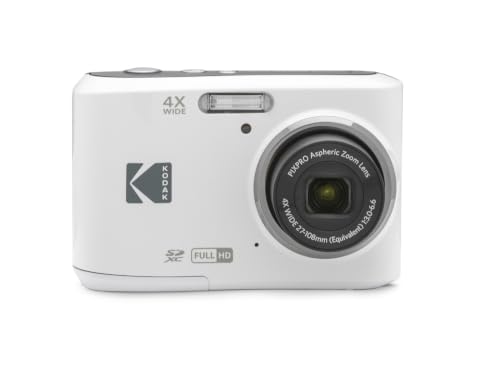
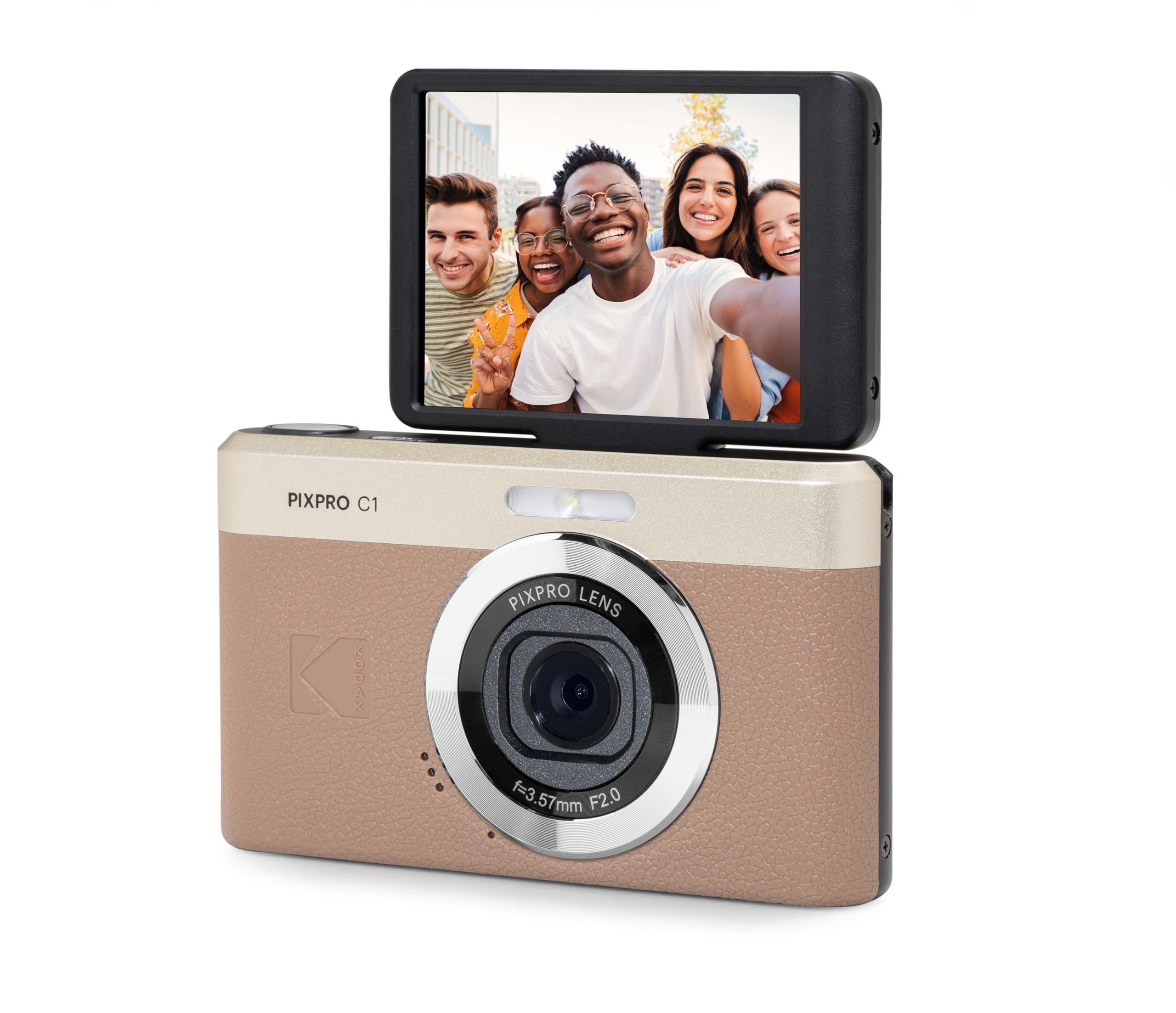
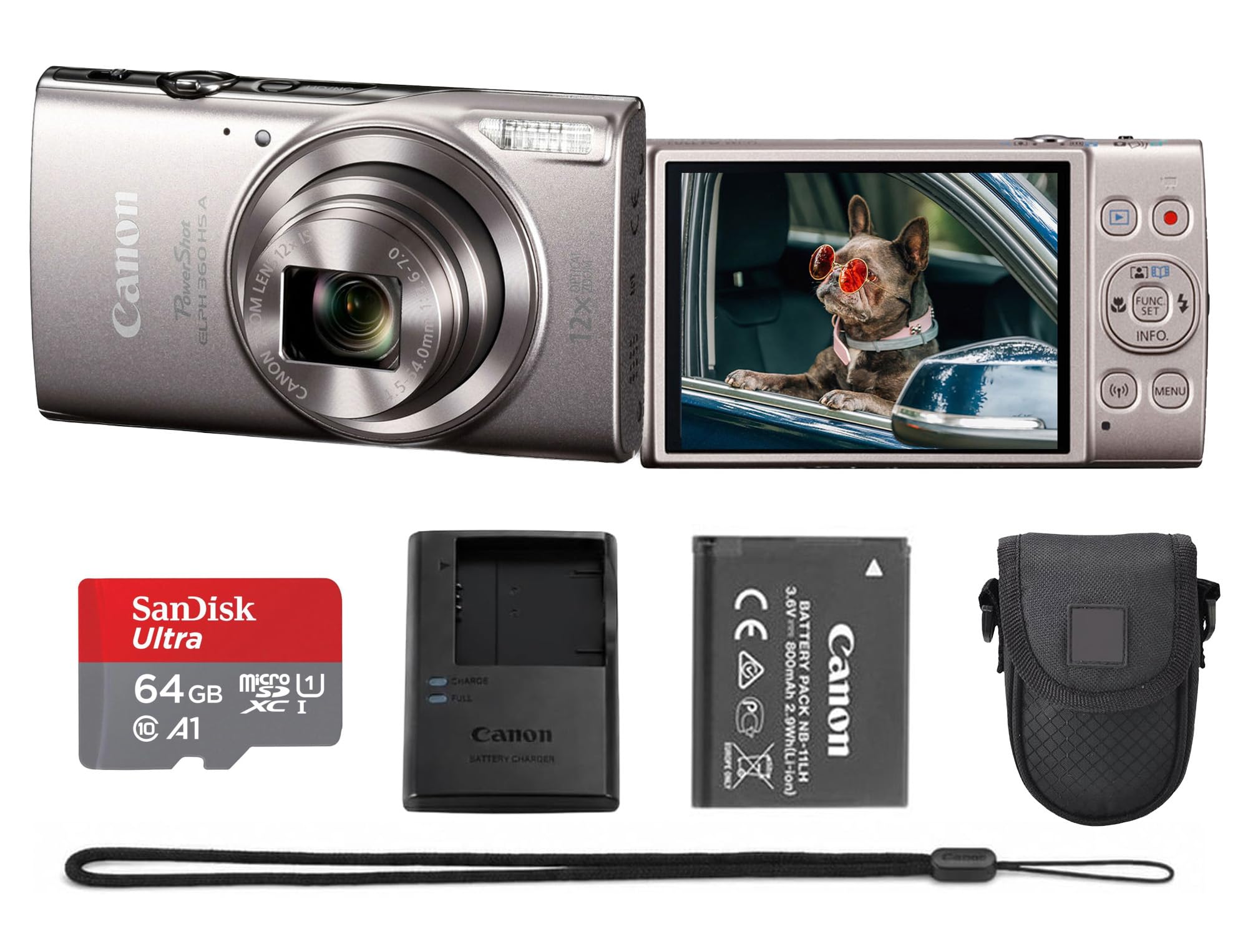


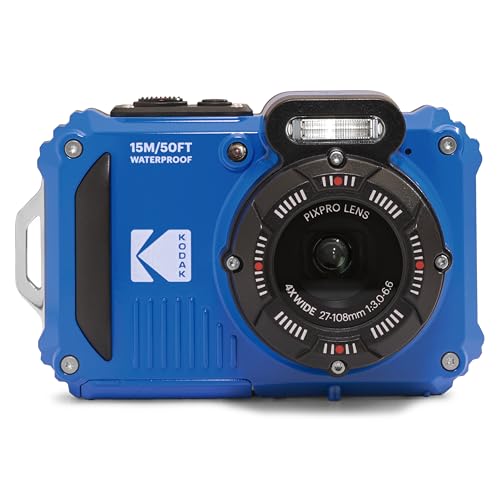
Types of Compact Cameras Compared
| Type | Best For | Pros | Cons | Typical Price |
|---|---|---|---|---|
| Point and shoot zoom | Family photos and travel | Pocket size, real optical zoom, simple controls | Small sensor, weaker in dim light | about $120 to $400 |
| Premium 1 inch compact | Enthusiasts who want phone beating quality | Larger sensor, bright lens, manual controls | Higher price, shorter zoom | about $500 to $1,700 |
| Rugged waterproof compact | Beach, pool and hiking trips | Waterproof, shockproof, easy to use | Modest image quality | about $150 to $450 |
| Vlogging compact | Talking videos and creators | Flip screen, good audio, stabilization | Battery life, less zoom | about $60 to $600 |
Point and Shoot Zoom Compacts
These are the classic choice: a fixed lens with a useful optical zoom, automatic exposure and a body that fits a pocket. They suit family events, trips and everyday snapshots, especially when you want more reach than a phone without carrying a larger camera. Look for a comfortable grip, a screen that stays readable outdoors and a zoom range that covers wide group shots and distant subjects.
Premium 1 Inch Compacts
A 1 inch sensor gathers far more light than the tiny sensors in basic compacts, so photos stay cleaner indoors and after dark. These cameras add bright lenses, manual dials and raw files for editing. They cost more and zoom less than budget travel zoom models, but they give the biggest jump over a phone for people who care about image quality.
Rugged Waterproof Compacts
Waterproof compacts survive pools, sand, snow and drops, which makes them popular for beach and family trips. Check the depth rating, the door seals and whether the camera floats. Image quality is modest, but the freedom to photograph without worry is the point.
Vlogging Compacts
Vlogging models add a screen that flips toward you, better microphones and strong stabilization. They suit people who film themselves, record lessons or share short clips. Check whether the camera accepts an external microphone, because built in microphones often pick up wind and handling noise.
Premium Compacts vs Point and Shoot Zoom Cameras: Which Should You Choose?
The two types differ most in sensor size, zoom and price. A premium compact wins in low light and for detail, while a point and shoot zoom wins on reach and cost. If your photos are mostly outdoors in daylight and you want long zoom for trips, the zoom compact is the better value. If you shoot indoors, at dusk or want prints and edits that hold up, the larger sensor earns its price. Either way, the camera you actually carry beats the one left at home.
How to Choose the Right Compact Camera
Work through these points in order. The first few decide your photo quality, and the later ones decide how pleasant the camera is to live with.
Sensor Size and Image Quality
Sensor size affects low light performance, background blur and detail more than megapixel count does. A larger sensor gathers more light, which helps indoors and at dusk, while a smaller sensor keeps the camera compact and affordable. Judge image quality by sample photos in varied light, not by the spec sheet alone.
Lens and Zoom Range
Optical zoom magnifies the scene without the quality loss of digital zoom. A modest zoom suits people and places, while a long zoom reaches wildlife and sports from the stands. A lower aperture number lets in more light, which helps when the light fades.
Low Light Performance
Low light results depend on the sensor, the lens brightness and stabilization working together. Stabilization steadies still subjects but cannot freeze a moving child or pet, so a faster shutter and a bright lens matter too. If most of your photos happen indoors, put low light at the top of your list.
Autofocus and Stabilization
Fast, reliable autofocus keeps moving subjects sharp, and face detection helps with portraits. Stabilization reduces blur from shaky hands and smooths handheld video. Check how the camera behaves in ordinary indoor light, where weaker autofocus shows up first.
Size, Weight and Handling
Hold the camera if you can, and check the grip, the button layout and the weight with a battery and card fitted. A camera that fits a pocket gets carried more often than a larger one that needs a case.
Battery Life and Charging
Battery ratings count still photos per charge, and video drains power faster. USB charging lets you top up from a power bank, and a spare battery is worth buying for travel days.
Picking the Best Cameras Compact for Different Uses
Best Compact Cameras for Travel
For trips, favor light weight, a useful zoom range and USB charging. A pocket zoom compact or a premium compact covers street scenes, landmarks and food without a bag of lenses. Our guide to the best compact cameras for travel narrows this choice further.
Best Waterproof Compact Cameras
For water and rough use, choose a rugged waterproof model and follow the maker's guidance on depth and sealing. Rinse the camera after salt water and dry the battery door fully before opening it.
Common Mistakes to Avoid
- Chasing megapixel counts, which adds file size without better dim light photos.
- Trusting digital zoom figures, which crop and soften the image.
- Ignoring battery life and buying no spare for a trip.
- Buying a camera that is too large to carry, which then stays at home.
- Forgetting a memory card, a case and a strap when you plan the budget.
Setup and Care Tips
Charge the battery, format a fast memory card in the camera and set the date before your first outing. Clean the lens with a blower first, then a soft lens cloth, since a shirt can drag grit across the coating. Store the camera in a dry, padded bag, keep it away from sand and salt spray and wipe it down after beach or poolside use. Update the firmware when the maker releases fixes. For a broader view of the category, see our guide to the best compact digital cameras.
Frequently Asked Questions
Which compact camera is better for low light?
A compact with a 1 inch sensor and a bright lens is better for low light than a basic small sensor model. The larger sensor gathers more light, which keeps indoor photos cleaner.
Is a smartphone enough instead of a compact camera?
For everyday snapshots, a good phone is enough. A compact earns its place with real optical zoom, better handling and cleaner results in dim light, so buy one if your phone photos keep failing at distance or after dark.
What specs matter most for beginners?
Autofocus reliability, stabilization, a bright screen and battery life matter most. Megapixel counts matter far less than most buyers expect.
What does optical zoom range mean?
Optical zoom moves real glass to magnify the scene, for example 5x or 30x. A higher number reaches farther, but longer zoom lenses are bigger and let in less light at full extension.
How much should I spend on my first compact camera?
About $150 to $400 buys a capable zoom compact with room for a memory card and spare battery. Spend more only when you know you need a larger sensor or manual controls.
Our Verdict
Choose the type that matches your main use, then check sensor size, zoom range and handling. A zoom compact suits family and travel, a premium compact suits low light and editing, and a rugged model suits water. Review the product table above, and the best cameras compact for you will be the one you enjoy carrying every day.


