Best Compact Travel Zoom Cameras in 2026: Every Type Explained Side by Side
Disclosure: We may earn a commission when you buy through links on this page, at no extra cost to you. As an Amazon Associate I earn from qualifying purchases. Learn more

Compare the best compact travel zoom cameras by type, reach, sensor size, and price, with clear guidance on which style fits the way you travel each day.
Travel cameras promise a lot in a small body, and the shelf splits into types that look similar yet shoot very differently. This guide compares the best compact travel zoom cameras by type, so you can see what each style gives up and what it does best before you spend anything. The comparison table below lines the types up side by side.
Two ideas run through every choice here. A travel camera earns its place by being carried, and a pocket sized body that comes along every day will take more good photos than a larger one left at the hotel. Zoom reach is never free either, because the longest lenses sit on the smallest sensors.





Types of Compact Travel Zoom Cameras Compared
The four camera types below cover nearly every trip. Reach is the dividing line, and each type trades sensor size, lens range, and body size in a different order. Shoppers who care less about reach and more about simple carry can also look at the wider family in our guide to best compact cameras for travel, which drops the long zoom brief entirely.
| Type | Best For | Pros | Cons | Typical Price |
|---|---|---|---|---|
| Pocket point and shoot | Daily carry and city trips | Smallest bodies, simple auto modes, lowest cost | Small sensors struggle after dark | about $200 to $400 |
| Long zoom travel compact | Wildlife, concerts, distant landmarks | Huge reach from a pocket sized body | Dim lens at full zoom, small sensor | about $350 to $600 |
| Large sensor compact | Low light and blurred backgrounds | Best image quality for the size | Short zoom range, higher prices | about $700 to $1,200 |
| Mirrorless with travel zoom lens | Serious quality and room to grow | Large sensors, lens choice, strong controls | Biggest kit, highest total cost | about $900 to $1,800 |
Point and Shoot Compacts
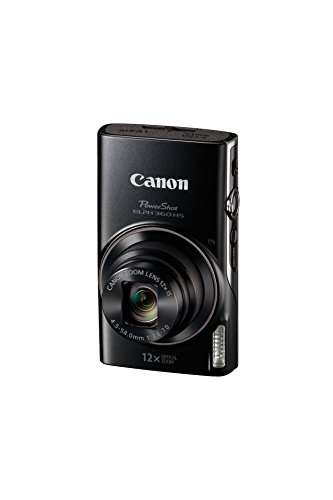
Point and shoot compacts are the default travel camera: a fixed lens, a small sensor, and controls that stay out of your way. Most offer a moderate zoom range covering wide street scenes and medium distance subjects, and auto modes handle exposure for you. Their small sensors are the limit, since dim restaurants and night streets push them into grainy, soft results. Choose this type for a small camera that asks nothing of you and costs the least.
Long Zoom Travel Compacts
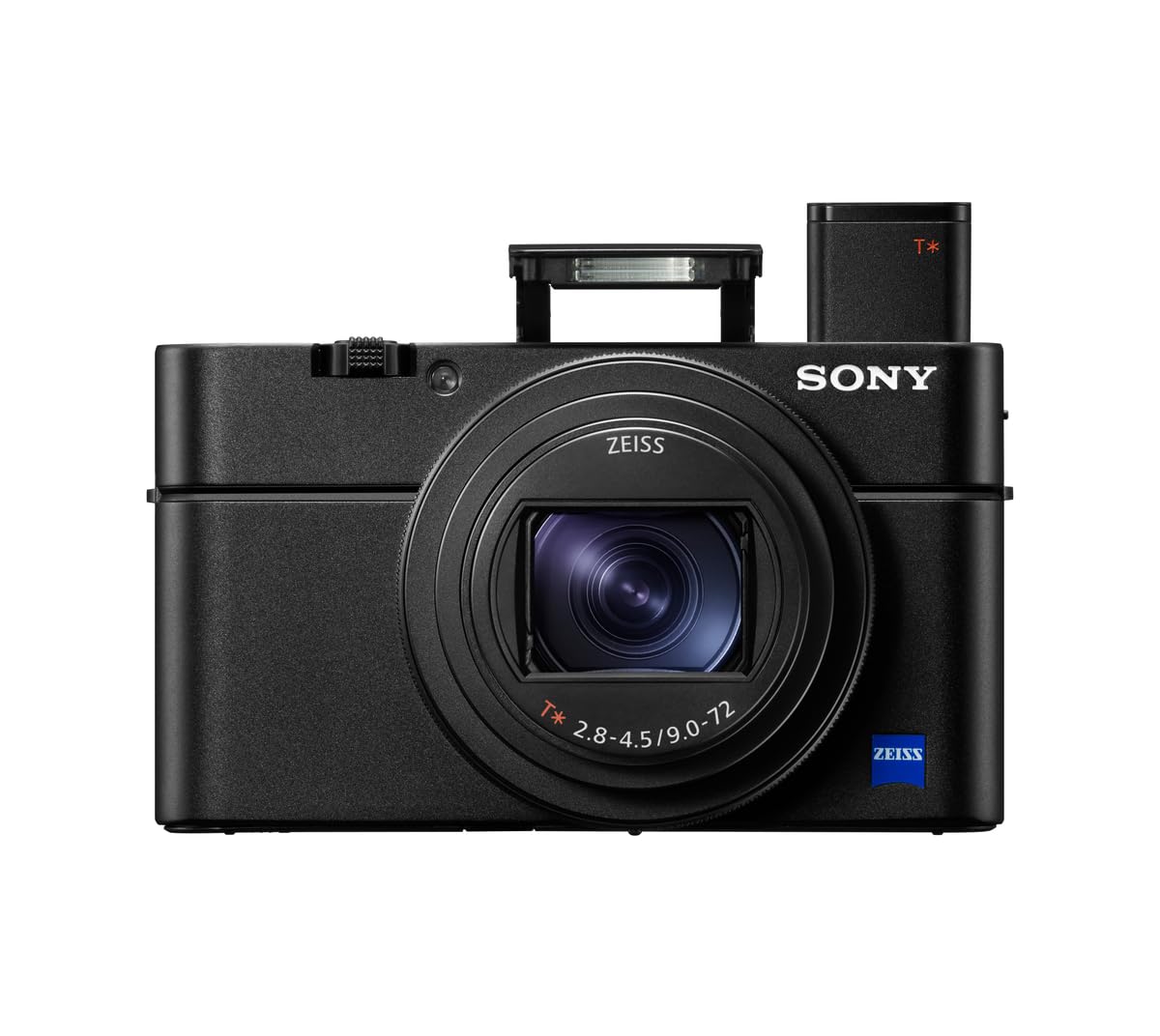
Long zoom travel compacts stretch the lens to 30x, 40x, or more while keeping the body near pocket size. That reach is the whole point, since distant landmarks, performers, and wildlife fill the frame instead of sitting as small shapes in it. The trade is light, because the lens opening narrows as you zoom, so the long end needs bright days or a steady rest. Image stabilization carries much of the load, and a shot braced against a railing at full zoom beats a handheld one almost every time.
Large Sensor Compacts
Large sensor compacts fit a sensor two to four times bigger than a basic point and shoot into a body that still rides in a jacket pocket. The bigger sensor gathers more light, so evening streets and indoor markets stay clean where small sensor cameras fall apart. The cost is reach, since most of these lenses stop at a short zoom suited to people, food, and buildings more than distant subjects. Choose this type when image quality matters more than pulling far scenes close.
Mirrorless Cameras
Mirrorless cameras swap the fixed lens for a mount, so one body can carry a wide lens one day and a long travel zoom the next. Their sensors match or beat the large sensor compacts, and their controls reward travelers who like to set exposure by hand. The catch is the kit, since body, lens, and battery add up to the biggest bag and highest bill here. Choose this type if travel photography is a hobby you plan to grow.
Point and Shoot Compacts vs Mirrorless Cameras: Which Should You Choose?
These two types sit at opposite ends of the travel shelf, and the choice comes down to size, reach, low light results, and total cost. A point and shoot disappears into a pocket and costs the least, while a mirrorless kit fills a small bag and costs the most. Between them sits the long zoom middle ground covered by our guide to best zoom cameras for travel, which suits travelers who want reach without a lens collection.
Pick the point and shoot for light travel and quick daylight shooting; pick mirrorless if you shoot after dark, print large, or enjoy manual control. If you hesitate, the large sensor compact splits the difference: near mirrorless quality in a body you will actually carry.
How to Choose the Right Compact Travel Zoom Camera
Measuring for Size and Portability
Weigh and measure the camera the way you will carry it, case, strap, and spare battery included. A body that fits a jacket pocket gets carried on foot tours, while one that needs a bag gets left behind on short outings. Weight tells the same story by evening, since a strap that felt fine at breakfast can ache by dinner.
Ease of Use for Your Skill Level
Auto modes have grown strong, and most travelers lose more photos to slow handling than to missing manual controls. Look for a screen you can read in sunlight, a zoom lever your thumb finds without looking, and a simple way to send photos to your phone. Our guide to best compact digital cameras for travel covers the wider digital compact field for the simplest models of all.
Lens and Zoom Range
Zoom figures headline every box, but the useful way to read them is as a range from wide to long, with wide mattering more than most buyers expect. A lens that starts wide captures rooms, markets, and group shots without backing into walls, while the long end handles subjects you cannot walk toward. Our guide to best compact cameras with zoom compares zoom first models across the class. Remember that the lens opening narrows as you zoom in, so full zoom shots in shade lose quality first.
Video Capabilities
Most travel compacts now record 4K video, and the differences that matter sit around the recording, not in the headline figure. Stabilization smooths walking shots, and a microphone input, rare in this class, lifts audio more than any resolution jump. Check the recording time limit too, since some bodies stop a clip after a set number of minutes.
Sensor Size and Image Quality
Sensor size shapes low light results, background blur, and how far you can crop before a photo softens. The ladder runs from small sensors in budget compacts, through the 1 inch class, up to APS C and beyond in mirrorless bodies. Megapixel counts matter less than this ladder, since a modest count on a big sensor beats a huge count on a tiny one after dark. Travelers who put image quality first can compare the quality led models in our guide to best compact cameras for travel photography.
Care and Maintenance Tips
A few simple habits keep a travel camera ready all trip long:
- Wipe the lens with a clean lens cloth, since a shirt can drag grit across the glass and leave fine scratches.
- Carry a spare battery and charge both each night, because zoom motors and screens drain power fast on heavy shooting days.
- Store the camera in a dry, padded bag, and let a rain soaked body dry at room temperature before sealing it away.
- Brush sand from the lens barrel before retracting it, since grit in the mechanism is a common cause of zoom failure.
Compact Travel Zoom Camera Questions Answered
How much should I spend on my first compact travel zoom camera?
Around $300 to $500 buys a sound first camera in the long zoom class, with a steady lens and a sensor that handles daylight well. Spending more mainly buys one of two things: a bigger sensor for low light, or a longer and brighter lens for reach. Set aside a little for a case, a spare battery, and a memory card, since those costs arrive with any type.
Is a smartphone enough instead of a compact travel zoom camera?
A smartphone is enough for wide scenes, quick sharing, and much night shooting. A compact camera pulls ahead the moment subjects sit far away, since optical zoom keeps detail that a phone crop throws away. Battery life splits the other way too, because a camera keeps your phone free for maps and messages.
Which compact travel zoom camera type handles low light best?
Large sensor compacts handle low light best, with mirrorless bodies close behind when they carry a bright lens. Their bigger sensors gather more light at the same settings, so night streets keep detail instead of smearing into noise. Long zoom compacts sit last here, since their small sensors and narrow lens openings work against them after dark. For evening heavy trips, trade some reach for sensor size.
What is the difference between optical zoom and digital zoom on a compact camera?
Optical zoom moves the lens glass to change magnification, so the full sensor still records the scene and detail holds up. Digital zoom simply crops the middle of the image and enlarges it, which throws away pixels and softens the result. A 30x optical figure is therefore worth far more than a larger digital number on the same box. Read only the optical figure when you compare models.
How many megapixels does a compact travel zoom camera need for prints?
About 12 to 20 megapixels covers the prints most travelers make, from album pages up to enlargements around 12 by 18 inches. More megapixels help mainly when you crop hard, pulling a small subject out of a wide scene after the fact. Sensor size still matters more than the count, since clean files from a large sensor enlarge better than noisy files from a small one.
Final Thoughts
The honest priorities are reach, low light quality, and the size you will truly carry each day. Weigh those three against the product table above, and the right class should stand out. The best compact travel zoom cameras for your trips are the ones whose trade offs match how you travel, and a type you carry daily beats a stronger one left at home.