
Best Cameras for Zoom in 2026: A Checklist Before You Buy
Disclosure: We may earn a commission when you buy through links on this page, at no extra cost to you. As an Amazon Associate I earn from qualifying purchases. Learn more

Use this checklist for the best cameras for zoom: compare the optical figure first, plan support and light at the long end, and skip digital zoom claims.
Zoom cameras carry the most misleading number in photography. A huge figure on the box can hide a lens that crops its way to reach, while a modest figure on another box can describe true optical power. The best cameras for zoom are the ones whose optical figure, support plan, and low light behaviour hold up at the far end of the range, not the ones with the largest print on the carton. This guide gives you a checklist to run before you compare prices, so the number you pay for is the reach you actually get.
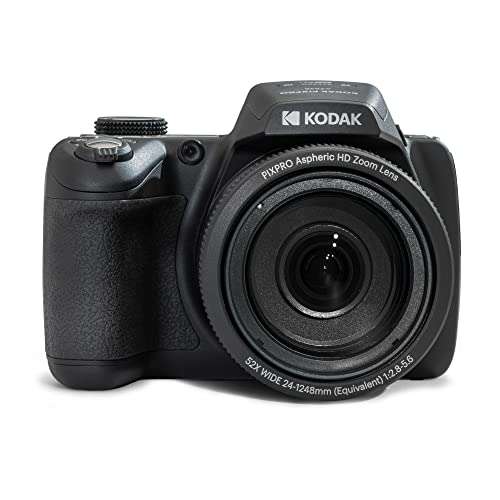
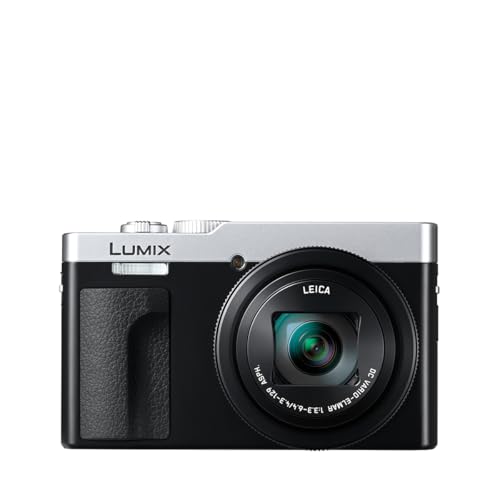
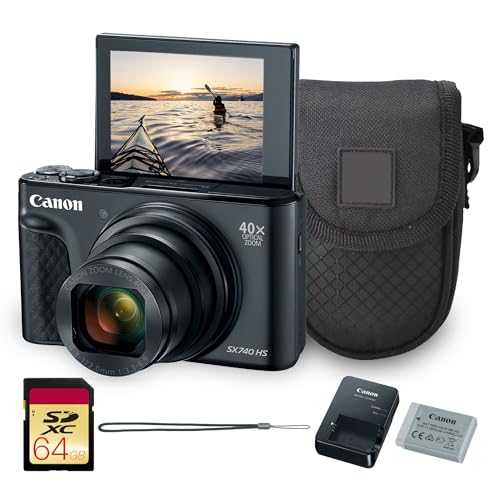
Work through the three boxes first, because they decide whether any given model belongs on your shortlist at all. After that come the supporting checks on sensors, autofocus, and build, then the price bands and a quick self test. The comparison table below gathers the current field in one place, and every section after it explains how to read that field with the checklist in hand.



The Checklist: Read the Zoom Numbers First
Box One: Compare the Optical Figure, Not the Big Number
Optical zoom is real reach, because the lens glass itself magnifies the scene before light reaches the sensor. Digital zoom is cropping, stated plainly: the camera enlarges the middle of the image and throws detail away, and it is not reach at all. Maker zoom numbers mix the two together, so a box can advertise a combined figure that is mostly crop. The optical figure is therefore the one to compare, and you will find it in the lens specification as the focal length range, for example a lens running from wide angle to a long telephoto end.
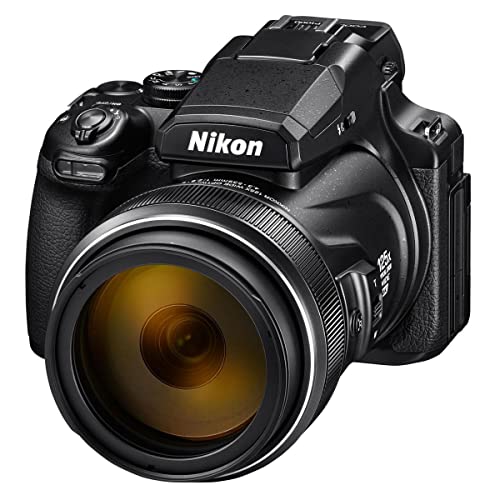
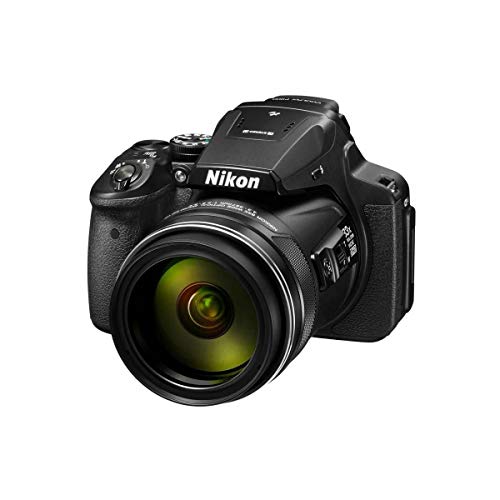
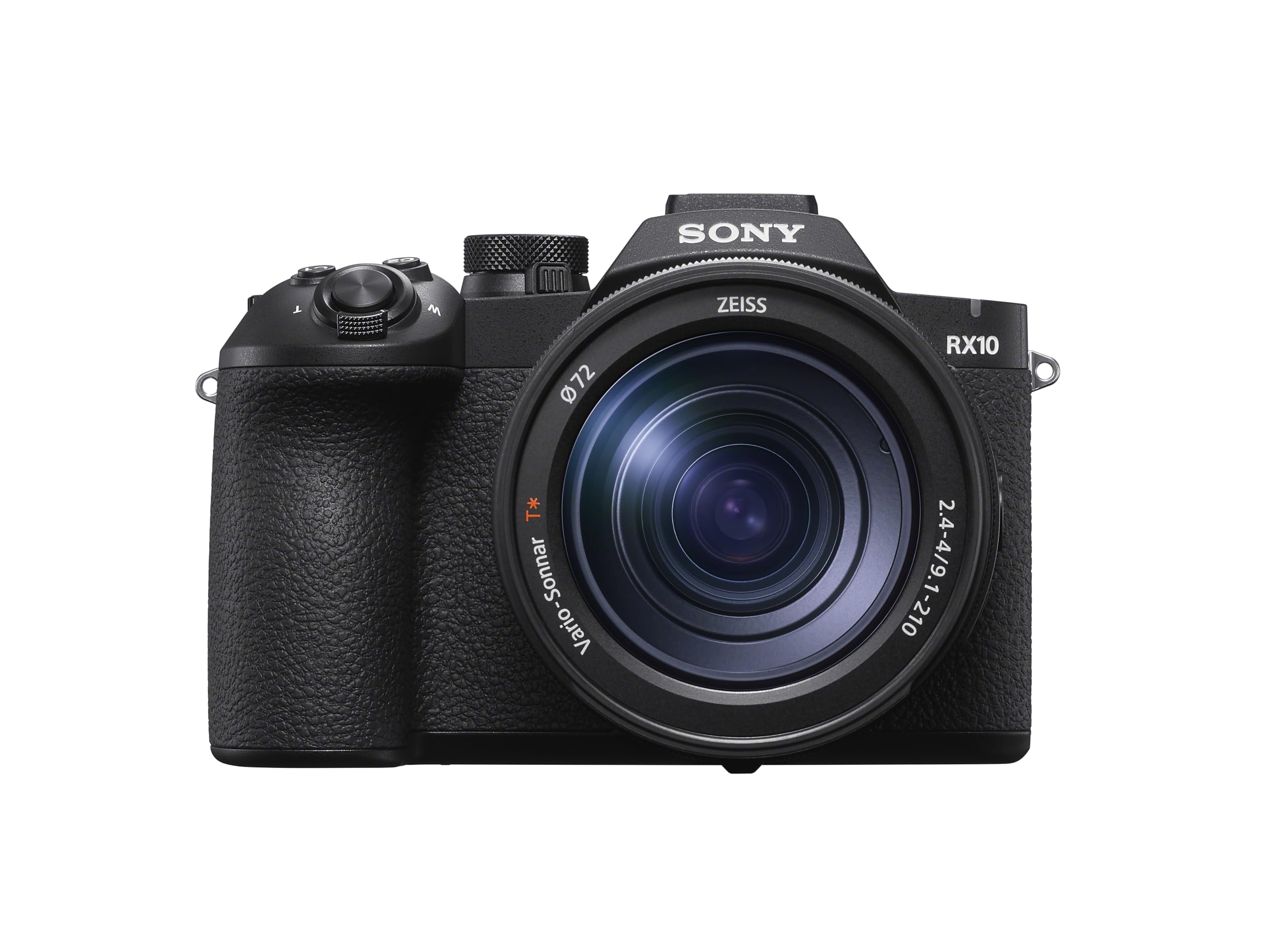
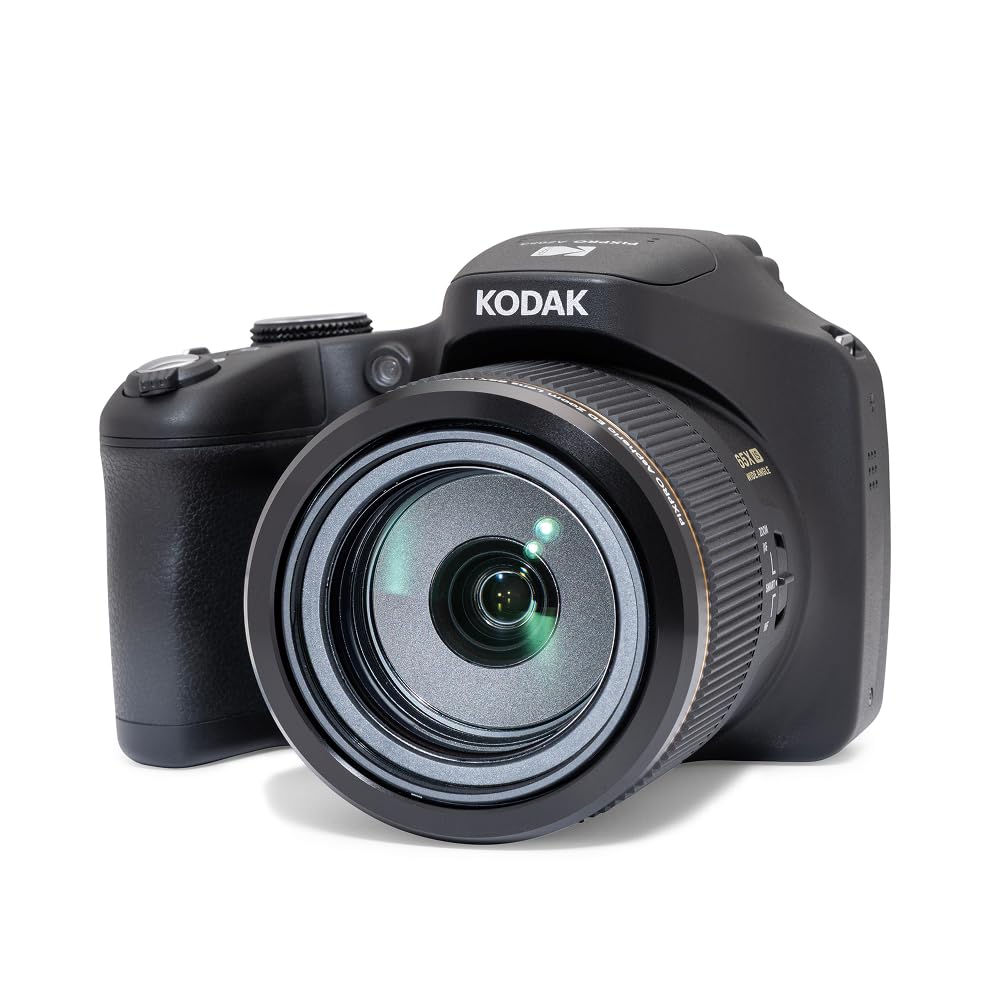
If a listing leads with a giant total zoom number and hides the optical range, treat that as a warning rather than a selling point, and read the options in the product table above by their optical range first.
Box Two: Plan Support for the Long End
Hand shake grows with reach, so the long end of any zoom is a support question as much as a lens question. At modest ranges a steady grip and in body or lens stabilization will carry you, but at the far end of a long zoom a monopod, a tripod, or even a braced elbow on a fence changes soft shots into sharp ones. This is a plain class fact of long lenses, not a flaw in any single model. Budget for support when you budget for reach: a basic monopod costs little, weighs little, and rescues more distant shots than a small step up in lens price ever will.
Check also that the camera has a standard tripod socket and that the lens collar, where one is offered, suits the way you plan to carry the setup.
Box Three: Check the Light at the Far End
Far subjects in poor light are the hard case for every zoom camera, and this box is where most disappointment begins. Many zoom lenses let in less light at the long end than at the wide end, so the distant bird at dusk or the far end of a floodlit pitch gets the least light exactly when it needs the most. The camera answers by raising sensitivity or slowing the shutter, and each answer costs you either clean detail or sharpness.
Before buying, picture your worst realistic scene, an evening match, a shaded stage, a bird at dawn, and judge the lens by that scene rather than by noon sunshine. A shorter zoom with a brighter long end often beats a longer zoom that only performs in good light.
Sensor Size and Image Quality
Sensor size decides how much cropping and high sensitivity work a zoom camera can survive. Small sensors in compact zoom bodies rely on their long lenses for reach, and they do well in daylight, but their images soften quickly once the light drops and sensitivity climbs. One inch sensors are the turning point for travel zoom cameras, holding detail at the long end in poorer light, while larger sensors pair with interchangeable lenses for the cleanest distant shots at the highest total cost. Judge sample images at the long end and at raised sensitivity, because that is where the classes separate.
Autofocus That Keeps Up at Full Reach
A distant subject fills little of the frame and moves across it fast, so autofocus behaviour at full zoom matters more than autofocus behaviour at wide angle. Look for subject detection that recognises animals and vehicles as well as people, and for tracking that holds a subject while you recompose. Burst speed helps at events, but a camera that fires quickly and focuses slowly only produces more soft frames. Stabilization belongs in this check too, since a steadied viewfinder image is easier for both you and the focusing system to work with.
Build, Weather Sealing, and Battery Life
Zoom cameras work outdoors, at sidelines, on boats, and on dusty trails, so sealing against weather and dust protects the investment every time conditions turn. Long zoom shooting also drains batteries faster than casual stills, because the lens motors, stabilization, and screen all work harder at the far end. Treat shot counts as maker figures measured in gentle conditions, carry a spare battery for a full day out, and prefer USB charging if you travel with a power bank. A sealed body with a spare battery in the bag beats a fragile body with a bigger zoom figure on the box.
What the Price Bands Buy in a Zoom Camera
Entry Band, About $250 to $450: Honest Compact Reach
The entry band buys a compact camera with a genuine optical zoom in a pocketable body, aimed at holidays, family events, and school sports from the near seats. Expect a small sensor that performs in daylight, simple controls, and stabilization that handles moderate reach well. This is the band where reading the optical figure matters most, because combined zoom claims are loudest here. The guide to best small cameras with zoom narrows this pocket sized class down further if size is your first priority.
Middle Band, About $450 to $900: The One Inch Step Up
The middle band is where distant shots start surviving poor light, thanks to larger one inch sensors and brighter lenses. You also gain faster autofocus, better stabilization, and video that holds up at the long end. For many buyers comparing the field in the product table above, this band is the sensible ceiling, because it fixes the low light weakness of the entry band without jumping to a full interchangeable lens system. The dedicated roundup of best optical zoom cameras looks at this optical first class in more depth.
Upper Band, About $900 to $1,800: Lens Led Reach
The upper band buys either a premium fixed lens zoom with a long, bright lens, or an interchangeable lens body where a telephoto lens does the reaching. Reach here is honest and supportable, low light results hold up at the far end, and build quality suits regular outdoor work. The trade is size, weight, and a total cost that keeps climbing as lenses join the bag. Buyers going this route should compare systems through the guide to best zoom lens cameras and the wider choices among best cameras with zoom lenses, because the lens mount you choose shapes every later purchase.
Quick Buyer Checklist
- Can you find the optical zoom range stated plainly, without hunting through a combined figure?
- Is the digital zoom either switchable off or clearly separated from the optical range?
- Do you have a support plan, monopod, tripod, or bracing habit, for the long end of the lens?
- Does the lens stay bright enough at full zoom for the light you usually shoot in?
- Does the autofocus track your usual subjects, such as children, animals, or players, at full reach?
- Is the body sealed well enough for the places you plan to carry it?
- Have you budgeted for a spare battery and a support, not just the camera itself?
Red Flags to Watch For
- A headline zoom figure with no optical range published anywhere in the specification.
- Marketing that presents digital zoom as if it were lens reach, with sample images only from bright daylight.
- No stabilization listed on a camera sold mainly on its very long zoom range.
- Sample galleries that avoid the long end of the zoom entirely, where weakness is hardest to hide.
- A very short warranty on a camera full of moving lens parts that extend and retract daily.
Best Cameras for Specific Needs
Three neighbouring classes borrow the word zoom while doing different jobs, so they get their own short checks here rather than a place in the main comparison.
Best Security Cameras with Zoom: What to Check
Security cameras are a separate product class bought to watch a place, not to take photographs, and this article covers photographic zoom cameras, so treat this section as a signpost rather than a ranking. On a security camera, zoom serves identification: an optical zoom that can tighten on a gate or a number plate from a fixed mount, a varifocal lens set once at installation, or a digital crop reviewed after an event. Check the optical range, the night illumination, and where recordings are stored, and remember that a fixed camera watching one spot plays by different rules from a camera you carry and aim by hand.
Best Wifi Cameras with Zoom
Wifi cameras with zoom belong to the same home monitoring family as the security class above, with the connection rather than the lens as the headline. The zoom is usually a modest optical range or a digital crop steered from a phone app, and the checks that matter are app reliability, alert behaviour, and whether clips live on a card, in a cloud plan, or both. Judge one as a monitoring device that happens to zoom, not as a photographic tool, and it will be compared fairly.
Best Web Cameras for Zoom: What to Check
Web cameras for Zoom meetings use the word in its other sense, the video call, and their zoom is a framing tool rather than true reach. The useful checks are a field of view you can narrow so the camera crops to your face instead of the whole room, autofocus that holds you as you shift in your chair, and low light handling for evening calls. Some models pan and follow you around a room, which suits teachers and presenters. None of this makes a web camera a substitute for the photographic zoom cameras in the product table above, and none of those cameras make good meeting cameras either.
Care and Maintenance Tips
Clean the front element with a lens cloth rather than your shirt, because extended zoom lenses draw dust toward the glass as they move. Let the lens retract fully before the camera goes into a bag, store it in a dry, padded case, and keep a spare battery charged, since a day of long zoom shooting drains power faster than the shot count suggests. After wet or dusty outings, wipe the barrel down before retracting it, so grit stays outside the mechanism.
Cameras for Zoom: Your Questions Answered
What does the zoom number on a camera actually mean?
The zoom number compares the longest focal length with the widest, so a lens running from a moderate wide angle to a strong telephoto might be labelled ten times. That ratio says nothing by itself about how far the camera reaches in absolute terms or how much of the figure is digital cropping. Compare the actual focal length range and the optical figure between models, and the picture becomes honest very quickly.
How much should I spend on my first zoom camera?
Most first time buyers land between about $300 and $700, which covers the stronger end of the compact class and the start of the one inch sensor band. Spending less usually means a smaller sensor and a dimmer long end, while spending more buys low light reach and better tracking. Whichever band you choose, keep money aside for a spare battery, a card, and a simple monopod, because support improves distant shots more than a small price step does.
Is a smartphone enough instead of a zoom camera?
A smartphone is enough for nearby subjects and modest crops, and its processing hides a great deal in good light. It falls short at real distance, because its zoom beyond the built in lenses is cropping, and cropping a small sensor leaves little detail for printing or close inspection. If your subjects sit across a field, a stage, or a stretch of water, a dedicated zoom camera earns its bag space very quickly indeed.
What specs matter most for beginners who want reach?
Beginners should rank the optical zoom range, stabilization, and autofocus tracking above everything else. Those three decide whether distant subjects come home sharp, while megapixels and video badges can wait. A comfortable grip and simple menus matter more than they sound, because a long zoom is harder to hold steady than a small camera, and a beginner fights shake and settings at the same time during the first months.
Which zoom camera setup is better for low light?
The better low light setup pairs the largest sensor you can carry with the brightest long end you can afford, because both gather light where a zoom is weakest. A one inch sensor camera with a moderately long, bright lens will usually beat a small sensor camera with an extreme zoom after dusk. Add support so the shutter can slow down safely, and avoid relying on digital zoom, which magnifies noise along with the subject.
Final Thoughts
Run the three boxes before you run your card: compare the optical figure, plan support for the long end, and judge the lens by your worst light rather than your best. Cameras that pass those checks appear throughout the product table above, at every band from honest compact reach to lens led systems. Skip the combined figure marketing, distrust any zoom that is mostly cropping, and the best cameras for zoom become easy to spot: they are the ones whose reach is still there when the light fades and your hands start to tire.


