Best Compact Binoculars for Eyeglass Wearers of 2026: Complete Buying Guide
Disclosure: We may earn a commission when you buy through links on this page, at no extra cost to you. As an Amazon Associate I earn from qualifying purchases. Learn more

Compare the best compact binoculars for eyeglass wearers by eye relief, eye cups, and optics, with fit checks and care tips for a clear full field view.
If you wear glasses, you already know the frustration of raising a pair of binoculars and seeing a small dark circle instead of the full picture. Your frames hold your eyes farther from the eye lenses, and many compact models are built for bare eyes. The good news is that the best compact binoculars for eyeglass wearers solve this with generous eye relief and eye cups that sit back, so you can keep your glasses on and still see edge to edge.
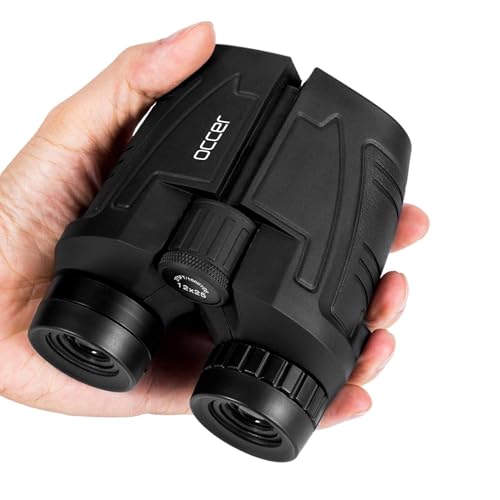
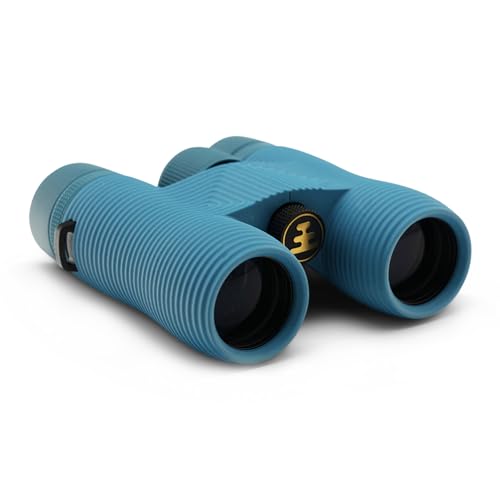
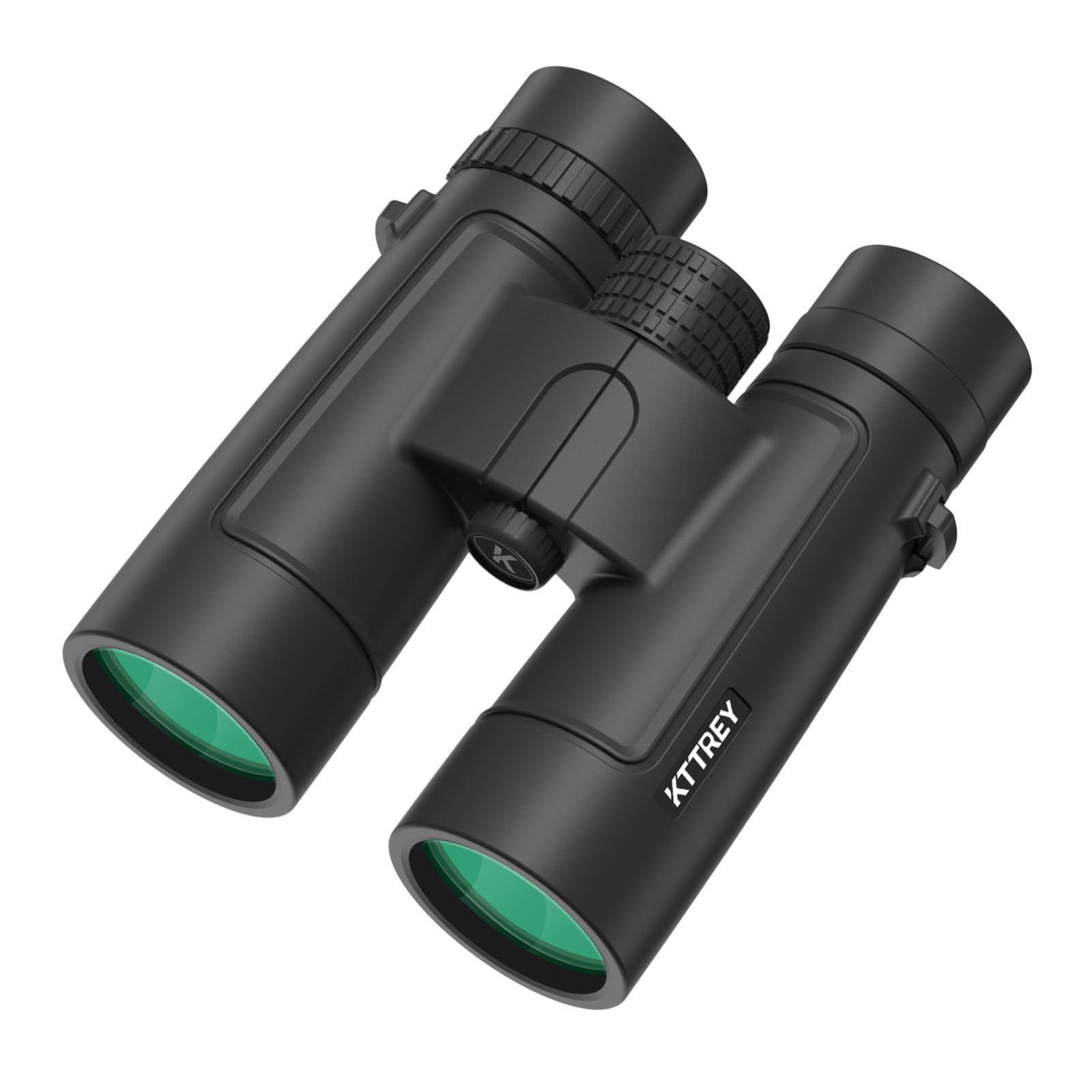
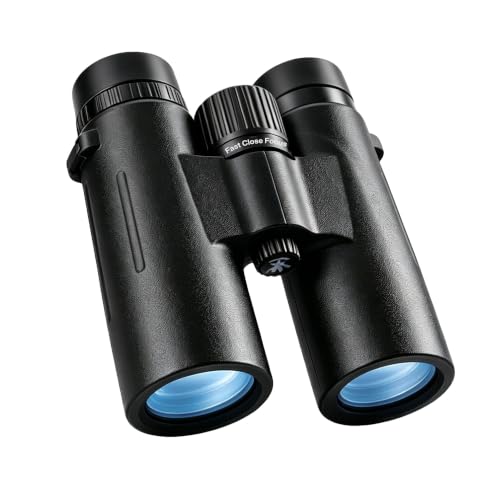
This guide explains the specs that decide whether a compact pair works with your frames, from eye relief numbers to prism design, and it walks through a simple at home fit check. Start with the comparison table below to see how models stack up on the features that matter, then read on for the detail behind each one.



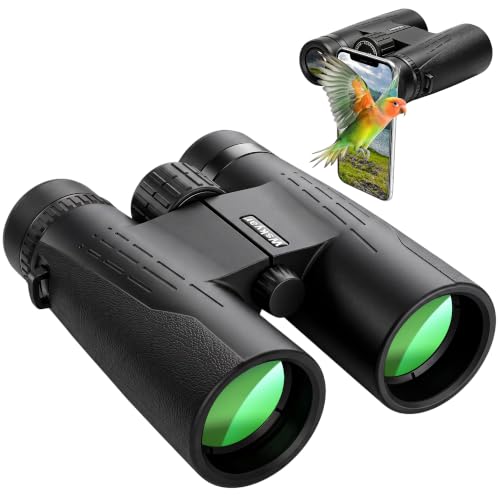
Who Should Buy Compact Binoculars While Wearing Glasses?
Compact binoculars suit anyone who wants magnification without the bulk of a full size pair, but glasses add one condition: the optics must leave room for your frames. The groups below share that need, yet each weights size, brightness, and field of view differently.
Bird Watchers Who Wear Glasses
Birding asks for quick target finding, a wide field of view, and a close focus distance short enough for warblers in bushes. For birding specific feature advice, see our guide to the best compact binoculars for birding. You also need eye cups that retract fully, because a warbler will not wait while you remove your frames and lose the bird.
Travelers and Hikers Who Wear Glasses
On a trip, binoculars compete for pocket and pack space, so a pair that folds small and weighs under a pound earns its place on sightseeing stops, boat decks, and ridgelines. Our guide to the best compact binoculars for travel covers packing and durability in more depth. For glasses wearers, a neck strap matters too, since the pair hangs ready while your hands stay free.
Sports and Concert Fans Who Wear Glasses
From a stadium seat or a theater balcony, you follow fast action across a wide scene, and a moderate 8x magnification keeps the image steadier than 10x does. You also switch often between the binoculars and your naked view, so the pair must work in one quick motion with your glasses on.
Key Features to Compare
When you compare the best compact binoculars for eyeglass wearers, one spec matters more than all the rest. The features below are ordered by how much they affect a glasses wearer, and the product table above gathers them in one place.
Eye Relief: The Number That Matters Most
Eye relief is the distance, in millimeters, from the outer eye lens to the point where your eye must sit to see the whole field of view. Glasses add 10 mm or more between the binocular and your eye, so a model with short eye relief shows you a tunnel view with black edges, a flaw called vignetting. Look for at least 15 mm of eye relief, and 17 mm or more is comfortable territory if your frames sit far from your face. This single number predicts your experience better than any other spec on the page.
Eye Cups That Work With Frames
Eye cups set how close the eye lenses sit to your glasses, and the style decides how well the pair adapts. Twist up cups turn to set positions, so you can dial them fully down for glasses and partway up for sunglasses. Soft roll down rubber cups fold back flat but can tear over time. Fixed cups that stay raised are the ones to avoid, because they hold the lenses too far from your eyes and leave you with that cut off circle.
Magnification and Objective Lens Size
Compact binoculars are described by two numbers, such as 8x25 or 10x25. The first is magnification, and the second is the diameter of the front lenses in millimeters. An 8x25 is brighter per ounce and easier to hold steady, while a 10x25 pulls distant detail closer at the cost of a narrower view and more hand shake. A step up to 8x32 or 10x32 gathers more light, though it adds size that pure pocket carry may not forgive.
Field of View and Exit Pupil
Field of view tells you how wide a scene you see, listed in feet at 1000 yards, and a wider figure makes it easier to find and follow moving subjects. Exit pupil is the width of the light beam that reaches your eye, found by dividing the objective size by the magnification, so an 8x25 gives about 3.1 mm. Bigger exit pupils feel brighter at dawn and dusk. For glasses wearers, a wide field also forgives small alignment errors when your frames sit slightly off center.
Lens Coatings and Prism Design
Most compacts use roof prisms, which keep the barrels straight and slim, while porro prism designs are wider and rarely pocket friendly. Coatings decide how much light survives the trip through the glass. Fully multicoated optics, with coatings on every air to glass surface, give a brighter and higher contrast image than a single coated budget pair. Phase coating on roof prisms sharpens contrast further, and ED glass reduces color fringing on bright edges, though it raises the price.
Focus Wheel and Close Focus
A large, smooth center focus wheel lets you sharpen the image with one finger, even with gloves on, and it should turn without gritty spots. Close focus, often around 5 to 8 feet on good compacts, decides whether you can study a butterfly or a nearby nest. The wheel also matters for glasses wearers, since you refocus each time you raise the pair and your eyes settle at a slightly different spot behind your lenses.
How to Check the Fit With Your Own Glasses
Specs get you close, but a two minute fit check tells you the truth. Start by putting your glasses on as you normally wear them, then retract the eye cups all the way down. Set the barrel spacing, called interpupillary distance, by bending the hinge until the two circles of view merge into one clean circle with no side shadows.
Next, close your right eye and focus on a distant sign with the center wheel. Then close your left eye, keep the wheel untouched, and turn the diopter ring near the right eye piece until that same view is sharp. This balances the binoculars for the difference between your two eyes, and you redo it only if your prescription changes. Finish by scanning slowly: if black crescents remain at the edges, the eye relief is too short for your frames, no matter what the listing promised.
Compact Binoculars vs Full Size Binoculars
A full size pair, usually 8x42 or 10x42, gathers far more light and feels brighter in shade and at dusk. The trade is weight and bulk: it will not ride in a jacket pocket, and it needs its own case on a hike. If small size is optional for you and brightness comes first, see our guide to the best binoculars for eyeglass wearers for a wider range of frame friendly options.
Compacts win when the choice is between bringing binoculars and leaving them home, which is the decision for most glasses wearers. They also tend to cost less at a given quality level. Our roundup of the best rated compact binoculars compares the leading designs on optics alone. Whichever size you choose, the eye relief rules above stay exactly the same.
Common Mistakes to Avoid
- Buying by magnification alone, so you end up with a shaky 10x image and an exit pupil too small for dim light.
- Ignoring eye relief and trusting a listing that says suitable for glasses without giving a millimeter figure.
- Leaving the eye cups raised while wearing glasses, which guarantees the black edged tunnel view.
- Skipping the diopter setting, so one eye always sees a slightly soft image and your eyes tire fast.
- Choosing the tiniest 10x21 model for dawn outings, when its small lenses starve the image of light.
- Testing a pair in the store without your glasses on, so the fit problem only shows up at home.
How to Care for Your Compact Binoculars
Clean the lenses only when they need it. Blow or brush off grit first, because wiping dry dust across a coating can scratch it, then wipe with a microfiber lens cloth and a drop of lens cleaning fluid, in small circles from the center outward. Your shirt tail and paper tissues are too rough for the job.
Store the pair in its padded case in a dry spot, objective caps on, and let a rain soaked pair air dry before casing it so moisture does not fog the inside. Keep the strap attached and check its anchors now and then, since a light pair swings easily and knocks against zips and buckles. If the view ever shows internal spots or a doubled image after a drop, that is a job for the maker service department, not a home repair.
Frequently Asked Questions
How much eye relief do compact binoculars need for eyeglass wearers?
Most glasses wearers do well with at least 15 mm of eye relief, and 17 mm or more feels safer. One catch: eye relief is measured from the eye lens surface, and thick frames or frames that sit low on your nose eat into that distance. If your frames are chunky, shop at the top of the range rather than the bottom.
Should eye cups on compact binoculars be up or down when you wear glasses?
Eye cups should sit fully down when you wear glasses, so your frames rest close to the eye lenses. A useful extra trick: if you wear sunglasses that sit farther forward than your clear glasses, try the first cup position up from the bottom. That small step often restores the full field without pressing the lenses against your shades.
What does 8x25 mean on compact binoculars?
The 8x25 label means the binoculars magnify 8 times and the front lenses measure 25 mm across. Here is a check you can do with any model: divide 25 by 8 and you get an exit pupil of about 3.1 mm. Compare that figure across models, because two pairs with the same label can still differ in coatings and brightness.
Are compact binoculars good for hunting at dawn and dusk?
Compact binoculars can work at dawn and dusk, but their small front lenses limit brightness, so an 8x32 will serve you better in dim woods than a 10x25. If low light glassing is your main use, see our guide to the best compact binoculars for hunting for models chosen with that light in mind.
Why do my glasses fog up when I use compact binoculars?
Your glasses fog because warm, moist air from your face gets trapped between your frames and the eye cups, then condenses on the cooler lens. Ease the binoculars a few millimeters away from your frames for a moment between looks, and breathe downward rather than straight ahead while glassing. Anti fog wipes made for eyeglasses also help on cold mornings.
How much should I spend on compact binoculars for eyeglass wearers?
A solid starter pair with honest eye relief figures and multicoated glass costs about $50 to $100. Around $100 to $250 usually buys better coatings, smoother focus, and sturdier eye cups that hold their positions. Past that, gains get smaller and show up in edge sharpness. Spend first on the fit with your glasses, because a costly pair you cannot see through properly is no bargain.
Final Thoughts
Everything in this guide comes back to three checks: eye relief of 15 mm or more, eye cups that retract fully, and a fit test with your own frames before you commit. Use the product table above to shortlist pairs that clear those bars, then weigh field of view and coatings for your kind of outing. Choose the best compact binoculars for eyeglass wearers for the way you spend time outdoors, and you will see the whole picture with your glasses on.