Best Compact Binoculars under $200 by Budget: A Practical Buying Guide for 2026
Disclosure: We may earn a commission when you buy through links on this page, at no extra cost to you. As an Amazon Associate I earn from qualifying purchases. Learn more

Compare the best compact binoculars under $200 by lens size, field of view, weight and sealing, with guidance on what each price level adds for travel.
A compact binocular only earns its place in your bag if you actually carry it and see a bright and clear view when you raise it. The best compact binoculars under $200 balance small size against lens quality, and the price you pay mostly buys better glass, better coatings, and stronger sealing rather than more magnification.
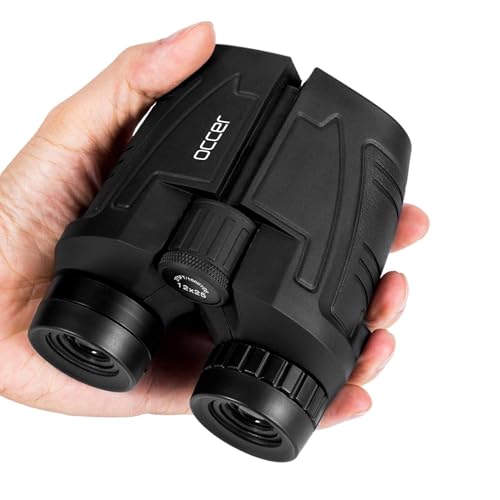
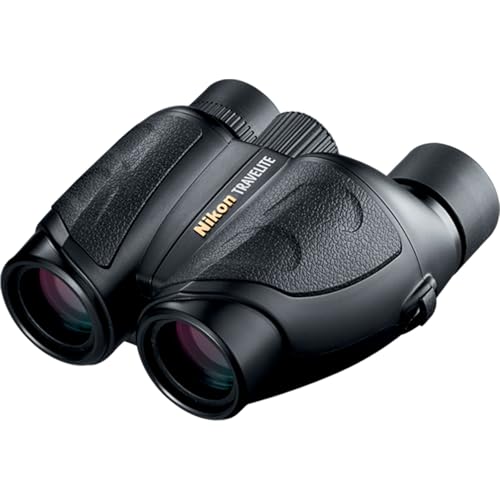
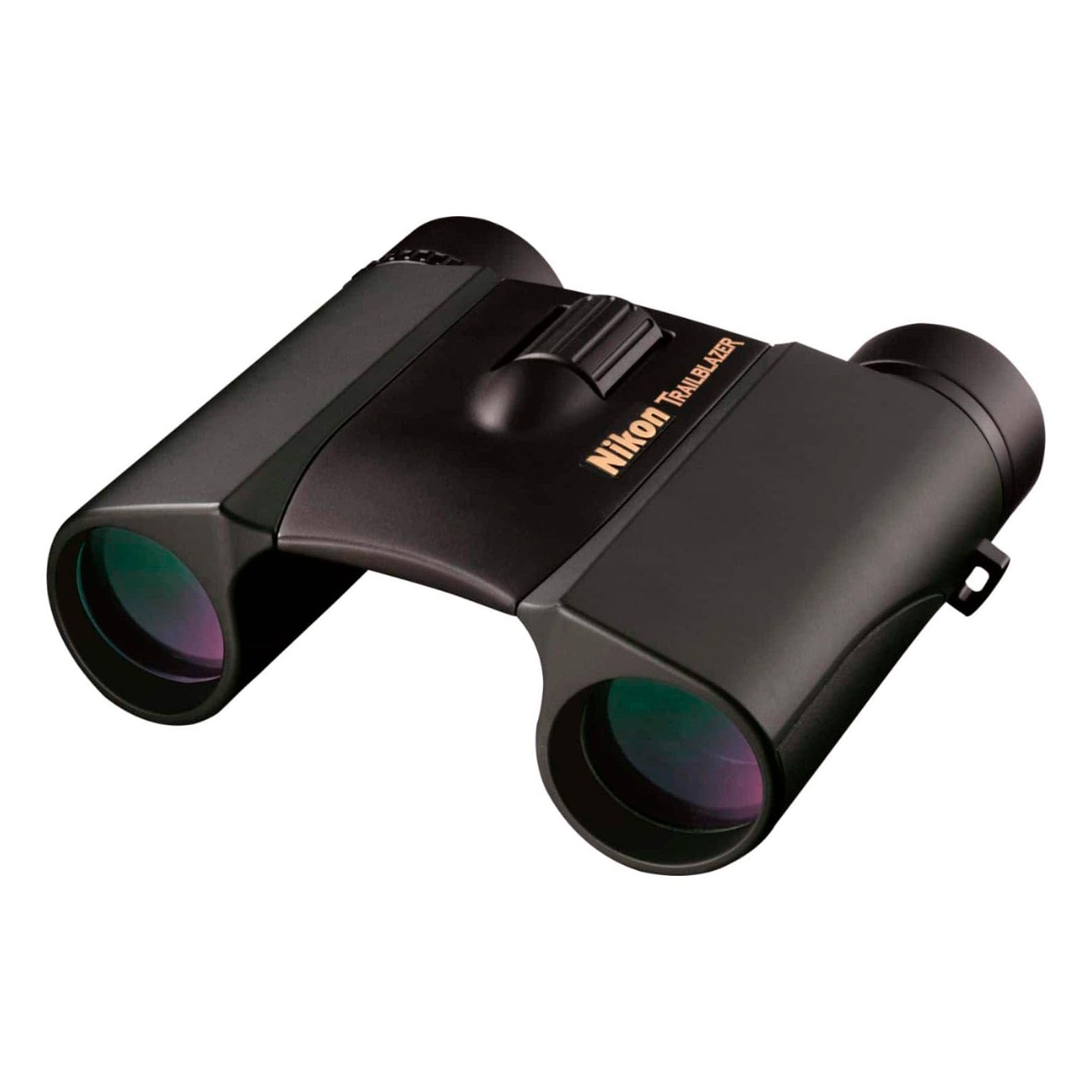
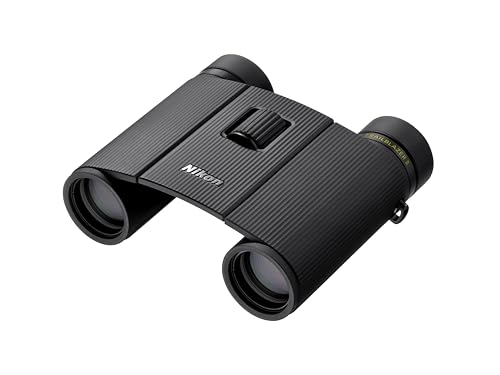
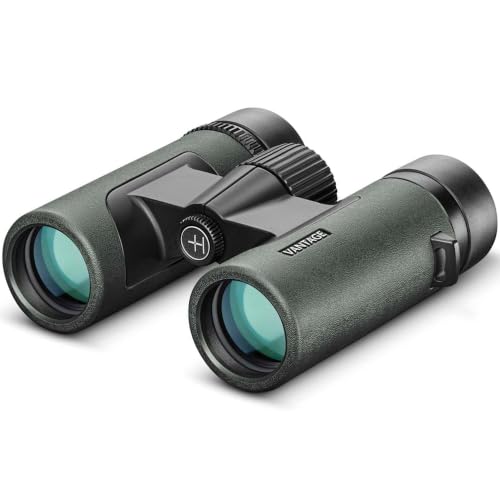
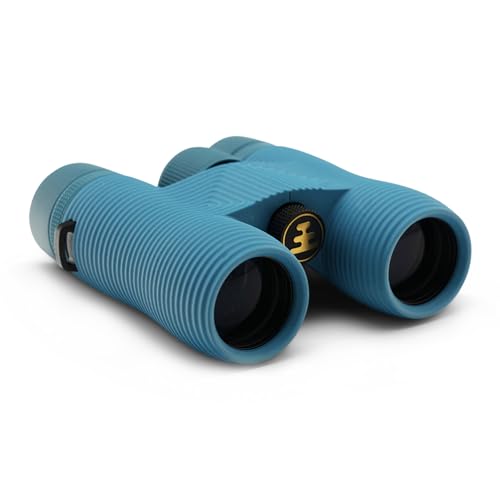
This guide explains what each price level adds, which specifications change what you see, and how to match a model to travel, birding, or events. Use the comparison table below to compare sizes and prices, then read on for the details a specification list cannot tell you.




Who Should Buy Compact Binoculars?
Compact models suit people who value carrying comfort as much as optical quality. A pair that weighs about 10 to 17 ounces and packs small is far more likely to join you on a trail than a larger pair left at home. Your main activity should decide the magnification and lens size, because each group below trades brightness, steadiness, and detail in a different way.
Travelers and Hikers Who Pack Light
You need a pair that fits a jacket pocket or a small daypack and survives being carried all day. An 8x25 or 8x32 configuration usually serves you best, because 8x magnification is easier to hold steady and the smaller lenses keep weight down. Prioritize tough rubber armor, a secure neck strap, and sealed construction, since travel gear gets bumped and rained on often.
Birders and Nature Watchers on a Budget
You need close focus, a wide field of view, and accurate color more than extreme reach. Many birds appear within about 15 to 40 feet, so a model that focuses down to about 6 to 8 feet lets you study butterflies and nearby warblers without backing away. An 8x32 pair gives a brighter and wider view than most 25 mm models, which helps you keep a moving bird in sight. If birding is your main use, see our guide to the best birding binoculars under $200 for models chosen around that activity.
Sports, Concert, and Event Viewers
You need a wide and steady view more than maximum detail, because the action moves and your seat may be far from the field or stage. An 8x model shows more of the play at once and shakes less than a 10x model during a long game. Hunters are the exception here, since they scan open ground at dawn and need larger lenses, so see our guide to the best hunting binoculars under $200 if that is your main purpose.
What Your Money Gets You at Each Price Tier
Spending more within this budget does not buy a bigger number on the box. It buys clearer edges, better performance as light fades, and construction that stays aligned after years of use. When you are choosing the best compact binoculars under $200 for your own habits, treat the tiers below as steps in glass and build quality rather than steps in power. The product table above shows how current models spread across these levels.
Entry Level Pairs at under $100
At under $100 you can expect a usable view in daylight, basic multicoated lenses, and simple construction that keeps weight low. Edges look softer and colors slightly muted. This level suits occasional travel and casual events, though sealing varies widely, so check the listing carefully. If your budget is firmly capped, see our guide to the best compact binoculars under $100 for what to prioritize there.
The Middle Range at about $100 to $160
At about $100 to $160 the improvements become easy to see. Fully multicoated optics and better prism glass sharpen the whole image, waterproof and fogproof construction becomes common, and focus wheels turn more smoothly. Most buyers get the best balance here, because the view improves in shade and at dusk while the pair stays light enough for all day carry.
The Top of This Budget at about $160 to $200
At about $160 to $200 you approach the ceiling of what compact optics can do at this price. ED glass appears on some models and reduces color fringing, phase coating improves contrast on roof prism designs, and eye relief grows more generous for glasses wearers. This level suits frequent users who want one pair with firmer hinges and better armor to keep for years. If you do not need compact size at all, see our guide to the best binoculars under $200 to compare what larger lenses offer at the same money.
Key Features to Compare
Specification lists look similar across this price range, yet a few numbers decide whether a pair feels bright, steady, and comfortable in real use. Compare the factors below in order, because magnification and lens size shape everything else.
Magnification and Objective Lens Size
The two numbers in a name such as 8x32 describe magnification and objective lens diameter in millimeters. Magnification of 8x makes a subject look eight times closer, while 10x adds reach but narrows the view and magnifies hand shake. The front lens size controls how much light enters, so a 32 mm lens gathers notably more light than a 25 mm lens in a similar design. For most buyers, 8x32 offers the strongest balance.
Field of View and Exit Pupil
Field of view tells you how wide a scene you see at 1000 yards, and compact models range from about 290 to 390 feet depending on design. Exit pupil is the lens diameter divided by magnification, so an 8x32 gives a 4 mm exit pupil while a 10x25 gives only 2.5 mm. A larger exit pupil delivers a brighter view in shade and at dusk and makes eye placement less fussy.
Prism Type and Glass Quality
Nearly all compact models use roof prisms, which allow the slim straight body that makes them easy to pack. Look for BaK 4 prism glass rather than BK 7, because BaK 4 produces a rounder exit pupil and a brighter edge. Fully multicoated lenses pass more light and give stronger contrast on overcast days. ED glass, found near the top of this budget, limits the colored fringe that can outline branches against a bright sky.
Eye Relief and Fit for Glasses
Eye relief is the distance your eye can sit from the rear lens while still seeing the full view, and glasses wearers generally need about 14 mm or more. Twist up eye cups let you set that distance, extended for bare eyes and retracted for glasses. Also check interpupillary distance, the range over which the two barrels move to match the spacing of your eyes. Double hinge compacts adjust down to small spacings that suit many children and narrow faces.
Sealing, Weight, and Carrying Details
Waterproof and fogproof construction means the body is sealed with rubber rings and filled with nitrogen, so rain and sudden temperature changes do not cloud the internal lenses. Weight in this class runs from about 8 to 18 ounces, and even 3 or 4 ounces feels significant after hours on a neck strap, so consider a padded strap for longer walks. Attached lens caps and an included rain guard also help a pair survive daily travel.
How to Set Up and Check a New Pair
A short setup routine makes any compact binocular clearer. First, adjust the hinge until you see one single round image with no dark shadows at the edges. Second, close your right eye and focus on a distant sign with the center wheel until the lettering looks sharp to your left eye. Third, close your left eye and turn the diopter ring, usually on the right eyepiece, until the sign looks sharp to your right eye. Leave the diopter there and use only the center wheel afterward.
During your first outing, test the pair in shade and toward a bright sky, not only in full sun. Look for soft edges, uneven focus between the two sides, or a focus wheel that sticks. Check close focus on a flower or a feeder at the promised distance. Doing this early matters because a misaligned pair causes eye strain, and exchanging it is far easier while it is still new.
Common Mistakes to Avoid
- Choosing 10x magnification for travel or events, which narrows the view and adds shake, so subjects are harder to find and follow.
- Buying a 25 mm pair for dawn or forest use, which limits the exit pupil, so the view looks dim exactly when wildlife is most active.
- Ignoring eye relief while wearing glasses, which cuts off the edges of the view, so you see a small tunnel like image.
- Trusting a waterproof claim without sealed and nitrogen filled construction listed, which leaves internal fogging possible after rain or cold mornings.
- Judging sharpness only at the center in a bright store, which hides soft edges and weak contrast that appear outdoors.
- Skipping the diopter adjustment, which forces one eye to strain, so long viewing sessions end with tired eyes.
Care and Maintenance for Compact Binoculars
Compact binoculars need gentle handling because their small hinges and focus parts are built to tight tolerances. Blow loose grit off the lenses before wiping, since one grain dragged across the glass can scratch the coating. Use a clean microfiber cloth with a little lens fluid for smudges, working from the center outward. Never use a shirt tail or a paper tissue, because both can carry abrasive fibers.
Store the pair dry in its case with the caps on, away from car dashboards and other hot spots that can stress seals. If the pair gets wet, let it air dry fully before closing it in the case. Stop using a pair that shows a double image after a drop, because internal misalignment needs professional service.
Frequently Asked Questions
Are compact binoculars under $200 good enough for serious birding?
Compact binoculars under $200 are good enough for most birding, especially in an 8x32 design with fully multicoated optics. You give up some brightness and field width compared with larger pairs, but you gain a tool you will carry on every walk. Favor a field of view above about 340 feet at 1000 yards, because that width helps you relocate a bird after it hops between branches.
What does 8x32 mean on compact binoculars?
On compact binoculars, 8x32 means the image appears eight times closer and each front lens measures 32 mm across. Dividing 32 by 8 gives the exit pupil of 4 mm. A useful store check is to hold the pair at arm length toward the light and look at the bright circles in the rear lenses, because round and even circles suggest decent prism quality.
Should you choose 8x or 10x compact binoculars?
You should choose 8x compact binoculars for most uses, because the wider and steadier view suits travel, forests, and events. Choose 10x only when your subjects stay distant, such as shorebirds or boats, and when you can brace your arms. Note that 10x also worsens close focus in some designs, so check the minimum focus distance if you enjoy insects or garden birds up close. If the larger 42 mm class tempts you, see our guide to the best 10x42 binoculars under $200 before you give up compact size.
Can compact binoculars work well at dawn and dusk?
Compact binoculars can work at dawn and dusk if you choose a 32 mm lens and moderate magnification, which keeps the exit pupil near 4 mm. A 10x25 pair, with an exit pupil of only 2.5 mm, will look noticeably dimmer in the same light. Positioning yourself with the light behind you also helps subjects stay visible longer.
How long do compact binoculars usually last?
Compact binoculars usually last many years when the seals stay intact and the optics avoid hard impacts. Models in the upper part of this budget often carry long warranty coverage on defects, while accidental damage is rarely included, so read the terms before you buy. Keeping your receipt in digital form makes any later claim simple, and a padded case lowers the odds of the drop damage that ends most pairs early.
Is a smartphone camera a fair substitute for compact binoculars?
A smartphone camera is not a fair substitute for compact binoculars when you want to watch wildlife or events as they happen. Phone zoom relies heavily on digital cropping, so fine detail softens quickly, and holding a phone up drains the battery you need for maps and photos. Binoculars give both eyes a natural and steady view with no screen glare. Many birders carry both, using the phone only for a quick record photo through one eyepiece.
Final Thoughts
Start with size and light, because an 8x32 pair that you carry daily will show you far more than a stronger pair left behind. Then compare prism glass, coatings, and sealing within your tier, and use the product table above to confirm weight and eye relief. Chosen that way, best compact binoculars under $200 become the pair that is simply always with you.