Best Compact Binoculars for Travel: Budget, Midrange, and Premium Bands for 2026
Disclosure: We may earn a commission when you buy through links on this page, at no extra cost to you. As an Amazon Associate I earn from qualifying purchases. Learn more

See what each price band buys in compact travel binoculars, from pocket classes to brighter glass, with honest notes on size, light and long term costs.
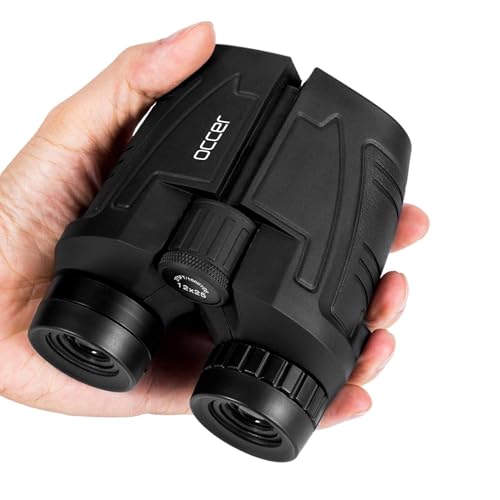
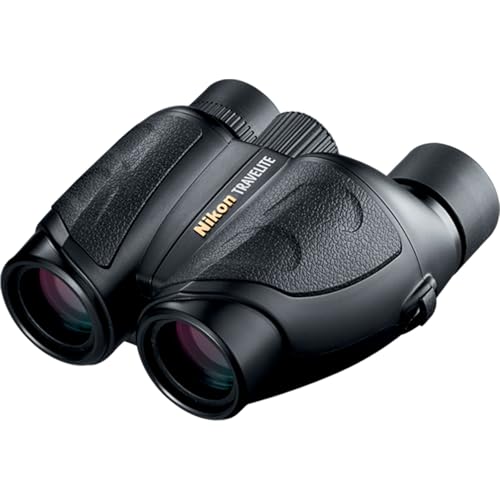
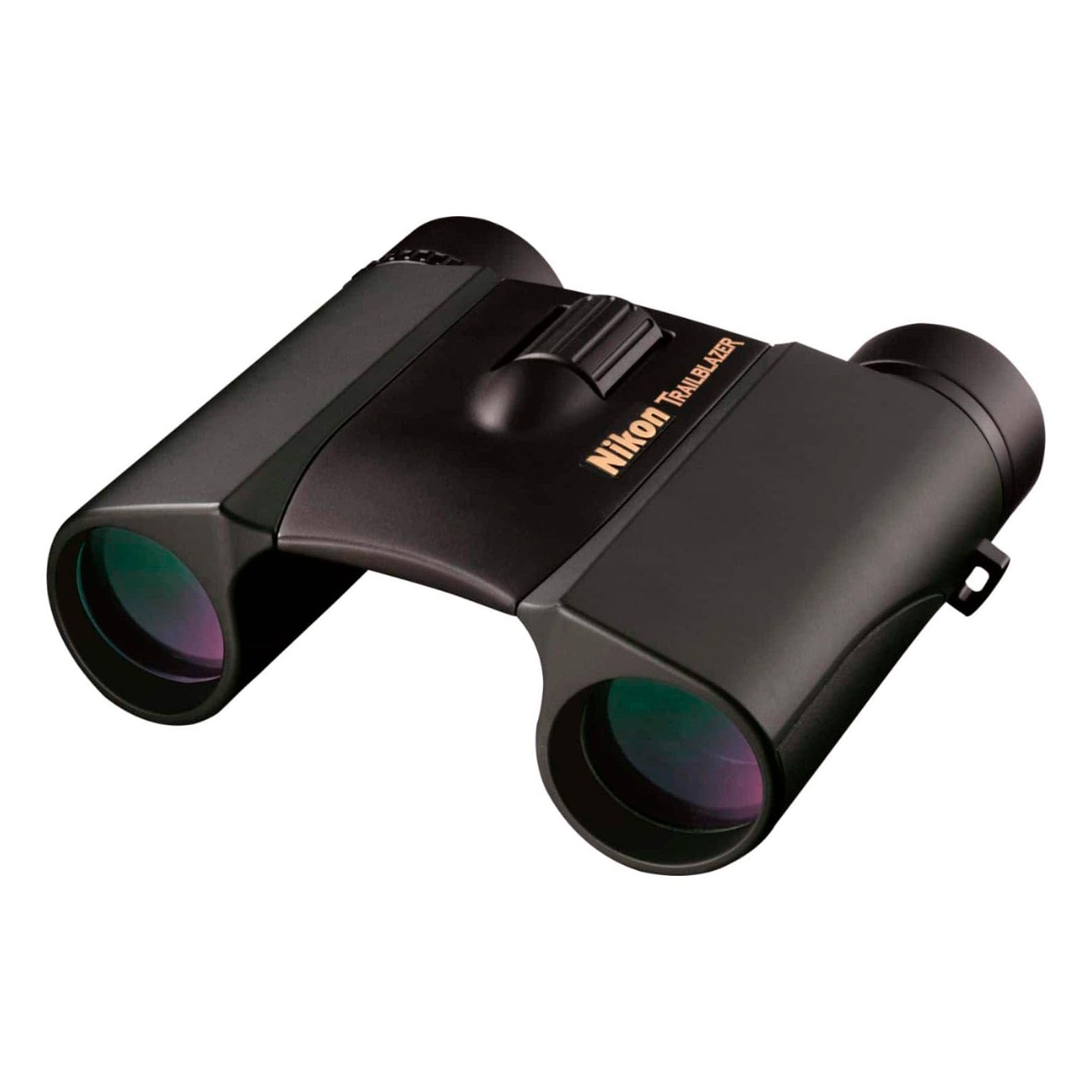
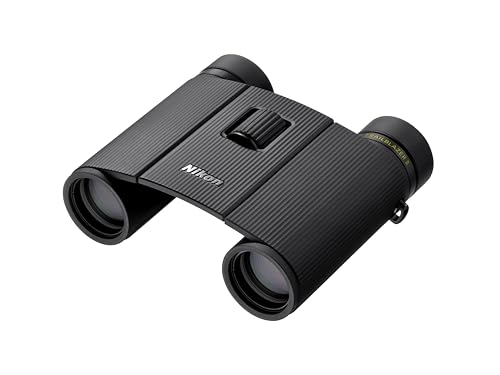
Compact binoculars sell across a wide spread of prices, and the gap between bands buys real things: brighter glass, sturdier focus wheels and sealing against weather. Shoppers comparing the best compact binoculars for travel often ask what the extra money actually changes at the viewpoint. This guide answers by band, so you can stop paying at the level where your trips stop gaining. The comparison table below lays out the classes side by side.
One limit shapes every band. Compact classes trade light for size, stated plainly: smaller front lenses gather less light than large ones, so a pocket glass will never match a big glass at dusk. What the bands change is how gracefully a small glass handles that trade.



Check Your Bag Before You Check Prices
The first buying fact is not optical at all. It is the space the binocular must live in for the whole trip, because a glass that stays at the hotel helps nobody.
Pocket Classes and Jacket Travel
The smallest compacts fold or slim down to roughly coat pocket size and weigh about 150 to 250 grams. They suit city breaks, stadium seats and guided walks where the glass comes out for minutes at a time. Their front lenses, often around 21 to 25 mm, keep views bright enough in daylight and shaded streets. If your trips are mostly urban and daytime, this class may be the whole answer, and the higher bands below become optional rather than needed.
Daypack Classes and Trail Days
A step larger, the daypack class carries front lenses around 28 to 32 mm and weighs roughly 300 to 450 grams.
It rides in a daypack top pocket or around the neck for hours without complaint. The extra lens size returns visible brightness at dawn starts and under forest canopy. Travelers choosing bags as well as glass will find the packing side covered by guides to the best backpacks for travel, which deal with luggage rather than optics. Match the glass to the bag you truly carry, not the one you own but leave behind.
What Your Money Gets You at Each Price Tier
Bands overlap between sellers, so treat the figures as guides to a class, not as promises for a single listing. Star scores alone cannot tell you which band a glass belongs to, which is why a ratings literacy read of the best rated compact binoculars helps separate scored popularity from optical value.
The Entry Band: Small Money, Real Limits
Entry compacts sell at about $25 to $60. Expect basic coated lenses, a simple center focus wheel and a plastic heavy build that shrugs off knocks but feels loose over time. Views are honest in bright daylight, softer at the edges and dim in shade.
This band suits a first trip, a borrowed bag or uses where loss would sting more than softness. Skip it for dawn wildlife plans, where the light limit of the class and the band combine against you twice over.
The Middle Band: Where Trips Gain Most
Middle band compacts sell at about $60 to $150, and this is where most travelers should stop. Better lens coatings lift contrast, focus wheels turn smoothly with gloves, and sealed bodies with nitrogen filling resist internal fogging when you move between cool air and warm rooms.
Eye relief grows friendlier to glasses wearers. The jump from the entry band is visible in the first hour of use. The jump beyond this band is real too, but it shows in narrower situations.
The High Band: Paying for Glass and Build
High band compacts sell at about $150 to $350 and beyond. The money buys premium glass elements that hold sharpness to the edge of the view, stronger low light performance for the size, and metal bodied builds that survive years of travel. Warranty terms lengthen and repair support becomes a real prospect.
Choose this band if binoculars anchor your trips, such as regular birding travel or safari plans, where the glass works daily. For a once a year viewpoint stop, the middle band serves you nearly as well.
Features Worth Paying For, and Ones to Skip
The product table above lists headline numbers, but bands hide their value in details. Judge these factors before you judge a discount.
Magnification and Front Lens Size
For compact travel glass, 8x magnification is the steadier and brighter choice, while 10x pulls subjects closer at the cost of hand shake and a dimmer view. More magnification is not more better, stated plainly: beyond what your hands can hold still, extra power only enlarges the wobble. Pair the power with the front lens figure, so an 8x25 and a 10x32 read as different tools, not as bigger and smaller versions of one tool. Travelers who mostly view scenery and architecture gain little from 10x.
Coatings and the Light You Actually Get
Lens coatings decide how much light survives the glass path as a clean image.
Fully multi coated optics, in the wording listings use, mark the point where contrast and color stop looking washed out in backlight. Because compact classes trade light for size, coatings matter more here than in big glass: they recover part of what small lenses give up.
Dawn and dusk users should fund coatings before magnification. A brighter 8x view of a shoreline bird beats a dim 10x view of the same bird, every time.
Focus Wheel, Eye Cups and Glasses
A focus wheel should turn with one finger, without grit or slack, since travel viewing is a chain of quick adjustments. Twist up eye cups suit glasses wearers, and eye relief around 14 mm or more keeps the full view visible behind spectacles. Try the diopter adjustment too, because it balances the two eyes and rarely appears in listings. These handling points sound minor in a shop and decide satisfaction on a windy headland, where cold fingers and spray punish fussy controls.
Weather Sealing and Fog Resistance
Travel exposes glass to drizzle, boat spray and sudden temperature changes between air conditioned rooms and hot streets. Sealed and nitrogen filled bodies resist the internal fogging that can end a morning of viewing. Splash resistance wording varies between makers, so read the class description rather than trusting a single weatherproof word.
If your trips center on dry cities, sealing is a nice extra. For coastlines, boats and mountain weather, treat it as a core feature worth funding within your band.
Size, Weight and the Left Behind Rule
A heavy glass is a left behind glass, stated plainly, and weight saved is viewing gained. Neck straps on compacts matter more than travelers expect, since a padded strap spreads a light load across a long day. Case bulk counts too: an oversized hard case can push a pocket class glass into the daypack class in practice.
Weigh the full carry, glass, case and strap together, and be honest about the bag from the earlier check. The parent class of the best travel binoculars includes larger bodies for travelers with room to spare, and that wider choice suits car based trips better than pocket travel.
Matching the Band to Your Kind of Trip
City travelers viewing towers, stadiums and harbor fronts do well in the entry or middle band with an 8x25 class glass. The subjects are near, the light is usually kind and the glass shares the day with walking. Coast and countryside travelers gain from the middle band with 32 mm front lenses, where early light and weather sealing both earn their cost. The high band earns its place when viewing is the purpose of the trip rather than a pleasant extra.
Some travelers extend the same glass into hobby use at home. Birding is the natural extension of this family, and the guide to the best compact binoculars for birding covers the faster focus and brightness needs that hobby adds. Photography is a different purchase entirely; guides to the best compact cameras for travel cover cameras, which record the scene rather than simply showing it to your eyes.
Long Term Costs to Factor In
Renting or borrowing a class for one trip is an honest test before a high band purchase. A weekend with a borrowed 8x32 shows you your real viewing habits, your steadiness and the bag space you actually give up. Shop handling helps too: focus on a distant sign, then on a near post, and feel whether the wheel keeps up. Ten minutes of that tells you more than a page of listing claims.
Viewing distance shapes the right class as well. Harbor towns, ridgelines and safari vehicles put subjects far away, while old town squares and theater balconies keep them close. Close subjects reward a wide, bright view over raw power, since a narrow field loses moving subjects quickly. Note your last three trips and their typical distances before choosing, because memory flatters the far views and forgets the many near ones.
The glass itself is only the first spend. A padded strap, a rain guard for the eyepieces and a soft case that truly fits add about $15 to $40 across the ownership years. Lens cleaning cloths and a blower are small repeat costs worth planning for, since grit wiped dry scratches coatings. Higher bands hold value through repair and warranty support, while entry band glass is usually replaced whole when a hinge loosens.
Count a likely replacement into the entry band price if your trips are rough, and the middle band often wins on total cost rather than ticket price.
Questions Answered About Compact Travel Binoculars
What magnification suits compact binoculars for travel best?
For most travelers, 8x suits best. It holds steady in the hands, keeps the view brighter in small front lenses and still brings distant detail close enough for landmarks and wildlife at fair range. One point the bands change little: a monopod or a braced elbow on a railing steadies a 10x glass more cheaply than any upgrade. Try bracing before you blame the glass for a shaky view on your first trip out.
Can compact binoculars handle early morning wildlife viewing?
They can, within the limits of their size. A 32 mm front lens in the middle band gives a workable dawn view, especially with good coatings, while a 21 mm pocket glass will look dim until the light builds. An extra worth knowing: position matters more than gear at dawn, so stand with the light behind you and the subject lit. That free choice brightens the view more than any coating step within the compact classes.
Are compact binoculars worth packing if I carry a phone camera?
Yes, for viewing rather than recording. A phone zoom crops a small sensor image, while binoculars show your eyes a live optical view that stays clear as you scan. The two tools answer different urges: the phone keeps the moment, the glass enjoys it.
Weight is the honest counterweight, so pocket class glass suits phone first travelers best. If you rarely stop to look at distance, leave the glass and save the grams for water.
How do I clean compact binoculars while traveling?
Blow loose grit off the lenses first, then use a soft lens cloth with gentle circular strokes. Blowing first matters because dragging sand across a coating with a cloth is how fine scratches happen. Avoid shirt fabric and paper tissues, which carry fibers and grit of their own. At night, leave the glass uncapped in a dry room after wet days so trapped moisture escapes instead of fogging the inside surfaces by morning.
How long should a good compact travel binocular last?
A middle or high band glass should serve for many years of trips. The parts that age are the hinge tension, the eye cup rubber and the strap, all of which can be adjusted, cleaned or replaced. Sudden changes in view, such as double images after a drop, signal collimation damage that home care cannot fix. Storing the glass dry and out of hot car interiors protects coatings and seals far more than any special case you could buy later.
Final Thoughts
Set your band by your light and your bag, not by the longest feature list. The entry band proves the habit, the middle band serves most trips for years, and the high band rewards travelers who view daily. Look back at the product table above, match a class to the pocket or daypack check, and the best compact binoculars for travel for your money will be the pair still in your bag on the last day of the trip. Buy the brightest glass your bag and budget both allow, and stop there.