
The Best Compact Binoculars for Hunting: Buying Guide for 2026
Disclosure: We may earn a commission when you buy through links on this page, at no extra cost to you. As an Amazon Associate I earn from qualifying purchases. Learn more

Learn how to choose compact binoculars for hunting by comparing magnification, objective size, weight, weather sealing, and eye relief for your terrain.
Choosing the best compact binoculars for hunting means balancing size against what you can actually see at dawn, in rain, and across open ground. A pair that is easy to carry but hard to hold steady will not help you judge game, while a larger pair may stay in the truck when you need it most. The comparison table below sets out the main tradeoffs before we look at each factor in detail.
This guide compares types and features rather than naming single models. It explains magnification, objective size, weight, and weather sealing in plain terms, and it shows how spending levels differ. Use it to decide which balance of portability and viewing power fits the way you hunt.

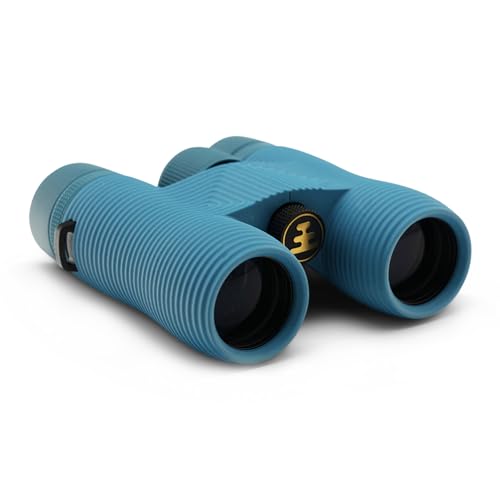

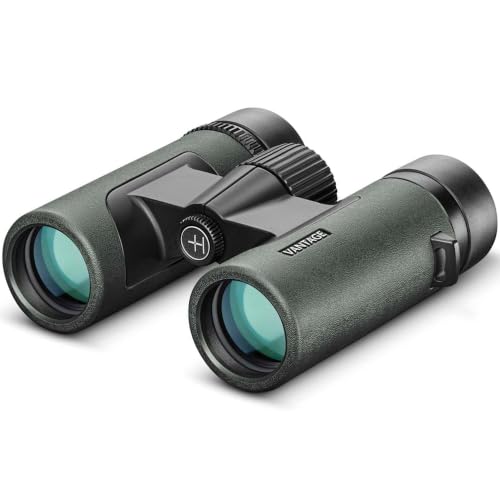

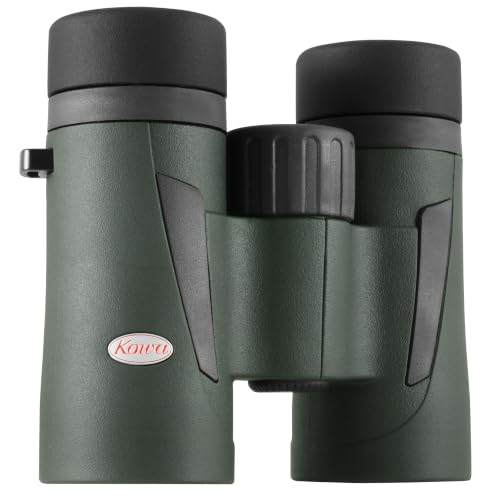

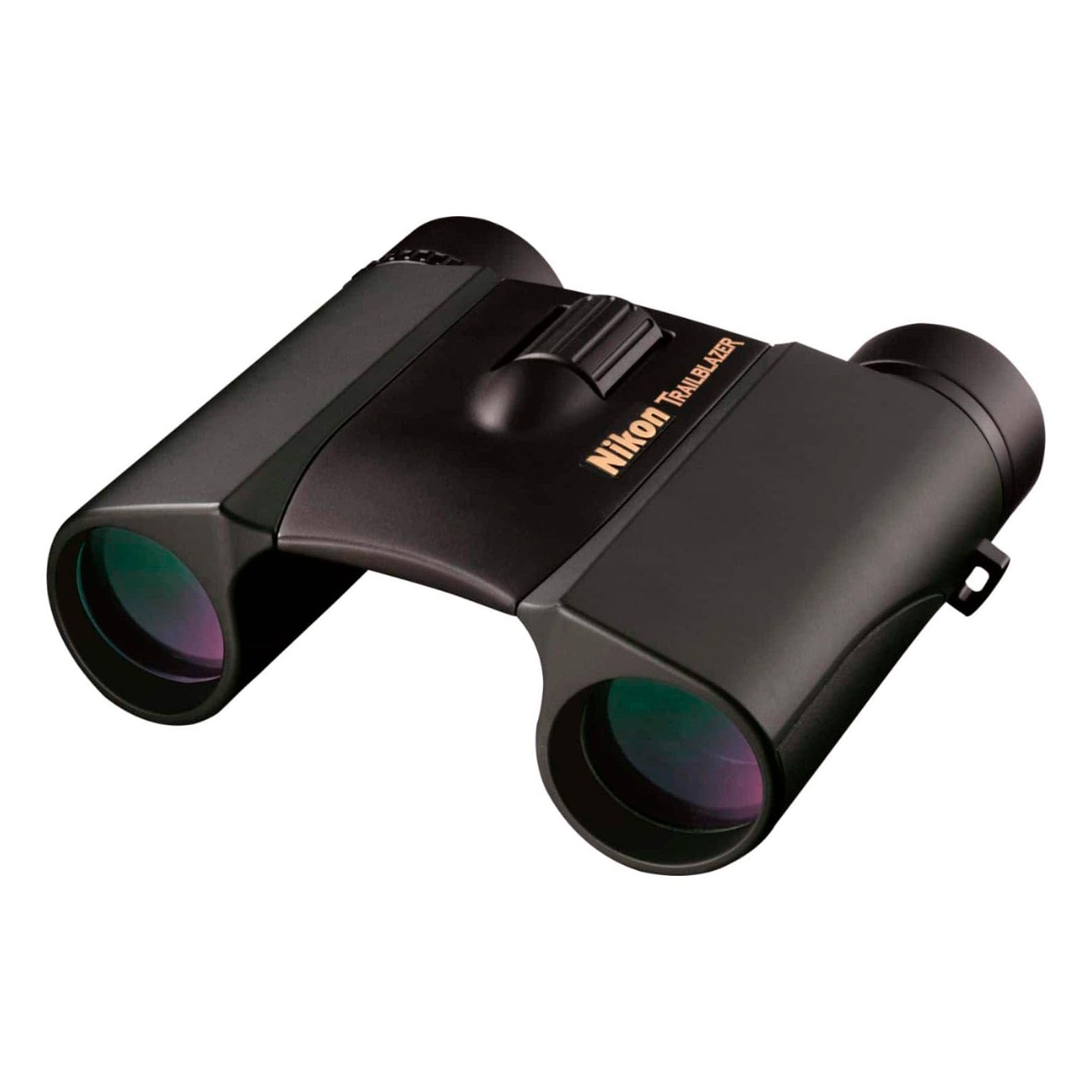
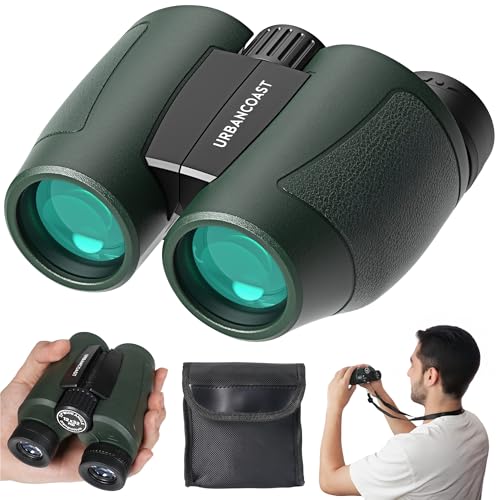

What Different Spending Levels Buy
Spending levels in compact hunting binoculars mainly buy better glass, better coatings, and stronger sealing. Entry level pairs can work well for short range viewing in good light, but they may struggle at dawn and dusk when contrast drops. Mid level pairs usually offer brighter images, a wider field of view, and more reliable fog resistant sealing.
Higher spending generally buys a steadier image, sharper edges, and a build that tolerates hard field use year after year. It does not change the basic rules of magnification and objective size, so set your size and power first, then spend within that shape. For a first pair, a mid level model often gives the best balance of brightness and durability without paying for features you may not notice in the field.
How to Choose Compact Binoculars for Hunting: Buying Guide
Work through the factors below in order, starting with how hunting shapes your needs. Each section adds one decision, so by the end you will know which magnification, size, and sealing level to look for. Keep your own hunting style in mind throughout, since open country and thick timber reward different choices.
Features That Matter for Hunting
Hunting demands quick target pickup, a steady image, and glass that performs in low light. A wide field of view helps you scan a tree line or a hillside without constant refocusing, while good contrast helps you pick out an animal against brush. Grip matters too, since cold hands, gloves, and rain all make a small pair harder to hold. Look for a shape that sits securely in your hands and a focus wheel you can turn smoothly with gloves on.
Measuring for Size and Portability
Compact binoculars should fit your carry system, not just your pocket. Measure the case or pouch you plan to use, and check weight with the strap and lens caps included. A pair around a pound or less is easier to carry all day, but very light pairs can feel twitchy at higher magnification. Try the pair with your usual pack and clothing, and check whether it swings, snags, or presses against your chest when you walk and climb.
Magnification and Objective Size
Magnification and objective size are written as two numbers, such as 8x42. The first number is magnification, and the second is the objective lens diameter in millimeters. An 8x42 pair magnifies eight times and gathers light through a 42 millimeter front lens. A 10x42 pair brings the view closer but narrows the field and magnifies hand shake, so it suits steadier hands and more open ground.
For most compact hunting use, 8 power is a practical balance of detail, field of view, and steadiness. Larger objectives gather more light but add size and weight, which works against portability. Smaller objectives keep the pair truly compact but give up low light performance. Match the numbers to your typical distance and light, not to the largest numbers on the shelf.
Durability and Weather Sealing
Hunting binoculars face rain, dust, drops, and temperature swings. Look for a sealed body that resists water and internal fog, plus rubber armor that protects against knocks and improves grip. Nitrogen purged sealing is a common way makers reduce internal fogging when moving between warm and cold air. Check how the eyecups, hinge, and focus wheel feel, since those are the parts you will adjust most often in the field.
Lens Coatings and Light Transmission
Lens coatings reduce glare and help more light reach your eyes, which matters most at dawn and dusk. Fully coated and fully multi coated labels describe how many lens surfaces carry coatings, with more complete coatings usually giving a brighter, higher contrast image. You cannot judge coatings from a label alone, so compare brightness and edge sharpness side by side when you can. Clean glass also matters, since smudged lenses undo the benefit of good coatings.
Compact Binoculars vs Other Options
Compact binoculars are viewing tools, not cameras, so compare them with other viewing and recording tools on that basis. The right choice depends on whether you need to spot game at distance, record what you see, or do both. Many hunters carry binoculars for spotting and a separate camera only when recording matters.
Action Cameras
Action cameras record wide video and mount easily, but they cannot replace binoculars for spotting distant game. Their wide view and small sensors suit recording a hunt, not judging detail at range. Choose an action camera when you want hands free footage, and keep binoculars for scanning and identification.
Mirrorless Cameras
Mirrorless cameras capture detailed photos and video with interchangeable lenses, yet they are heavier, slower to raise, and harder to use with gloves than binoculars. They suit hunters who also want high quality images, but they are not a practical substitute for quick glassing. If you carry both, protect the camera from rain and dust and keep the binoculars ready for spotting.
Full Size Binoculars
Full size binoculars usually offer brighter low light images and a steadier view, thanks to larger objectives and a heavier body. The cost is bulk and weight on long walks. Choose full size pairs for stand hunting or open country where weight matters less, and choose compact pairs when you cover ground on foot. For deer specific choices, see our guide to the best compact binoculars for deer hunting and compare size against viewing distance.
How to Make Your Pair of Compact Binoculars Last Longer
Field care is simple and it protects both glass and sealing. Keep lens caps on when the pair is not in use, and clean lenses only with a proper lens cloth rather than a shirt tail that may carry grit. Store the pair in a dry, padded bag away from heat and damp.
- Use a lens cloth, not your shirt, to clean the lenses.
- Keep caps on during carry to guard against dust and scratches.
- Store the pair in a dry, padded bag between trips.
- Check eyecups, hinge tension, and seals before each season.
- Wipe the body dry after rain before putting the pair away.
Never look at the sun through binoculars, since concentrated sunlight can damage your eyes quickly. Follow local hunting rules for seasons, areas, and permitted equipment, and check those rules before each trip. For turkey hunting, see our guide to the best compact binoculars for turkey hunting and note how terrain and calling distance shape the size you need.
Frequently Asked Questions
What features matter most in compact binoculars for hunting?
Field of view, brightness, and a steady, comfortable hold matter most for hunting. A wide field helps you find game quickly, while good coatings and a suitable objective size keep the image usable at dawn and dusk. Grip, focus feel, and weather sealing matter as much as raw magnification in real field use. Judge these together rather than chasing the highest power number, since a steady, bright 8 power view beats a shaky 10 power view.
What does 8x42 or 10x42 mean for compact binoculars for hunting?
The first number is magnification and the second is the objective lens diameter in millimeters. An 8x42 pair magnifies eight times through a 42 millimeter front lens, while a 10x42 pair magnifies ten times through the same size front lens. The 10 power view looks closer but covers less ground and shows hand shake more clearly. Many hunters prefer 8 power for its wider view and steadier image, especially when glassing on foot.
How much should I spend on my first pair of compact binoculars for hunting?
A first pair should match your hunting frequency and light conditions rather than a fixed price. Entry level pairs can suit occasional daylight hunts, while mid level pairs usually give noticeably better dawn and dusk performance. Spending more mainly buys brighter glass, better coatings, and tougher sealing. If you hunt often in low light, the mid level step is usually worth it, but a well chosen entry pair beats an oversized pair you leave behind.
What specs matter most for beginners choosing compact binoculars for hunting?
Beginners should focus on 8 power magnification, a comfortable eye relief, a wide field of view, and reliable weather sealing. Eye relief matters if you wear glasses, since it sets how far back you can hold the pair and still see the full view. Weight and grip matter too, because a pair you can hold steady all day will show you more than a powerful pair you struggle to control. Keep the spec list short and test the feel before buying.
Is a smartphone enough instead of compact binoculars for hunting?
A smartphone is not enough for serious glassing at hunting distances. Phone zoom is digital in most cases, which crops and softens the image, and it cannot match the brightness, field of view, or steady two eye viewing of binoculars. A phone works well for photos, maps, and notes after you have found game. For spotting and judging animals at distance, binoculars remain the practical tool, and travel sized pairs suit a different need, as shown in our guide to the best compact binoculars for travel.
Final Thoughts
Choose size and magnification first, then coatings and sealing. An 8 power compact pair with good coatings and solid weather sealing suits most hunters who walk and glass on foot, while a larger or higher power pair suits open country and stand hunting. Check weight, eye relief, and grip in person when you can.
For a final comparison, see our guide to the best rated binoculars for hunting and our guide to the best rated compact binoculars, then compare the product table above against your terrain and budget. The right best compact binoculars for hunting is the pair you will carry every trip, hold steady in low light, and trust in rain and cold.


