
Best Binoculars for Eyeglass Wearers for 2026: A Buyer Checklist
Disclosure: We may earn a commission when you buy through links on this page, at no extra cost to you. As an Amazon Associate I earn from qualifying purchases. Learn more

Best binoculars for eyeglass wearers start with eye relief. Compare eyecups, field of view, focus, and comfort before you buy.
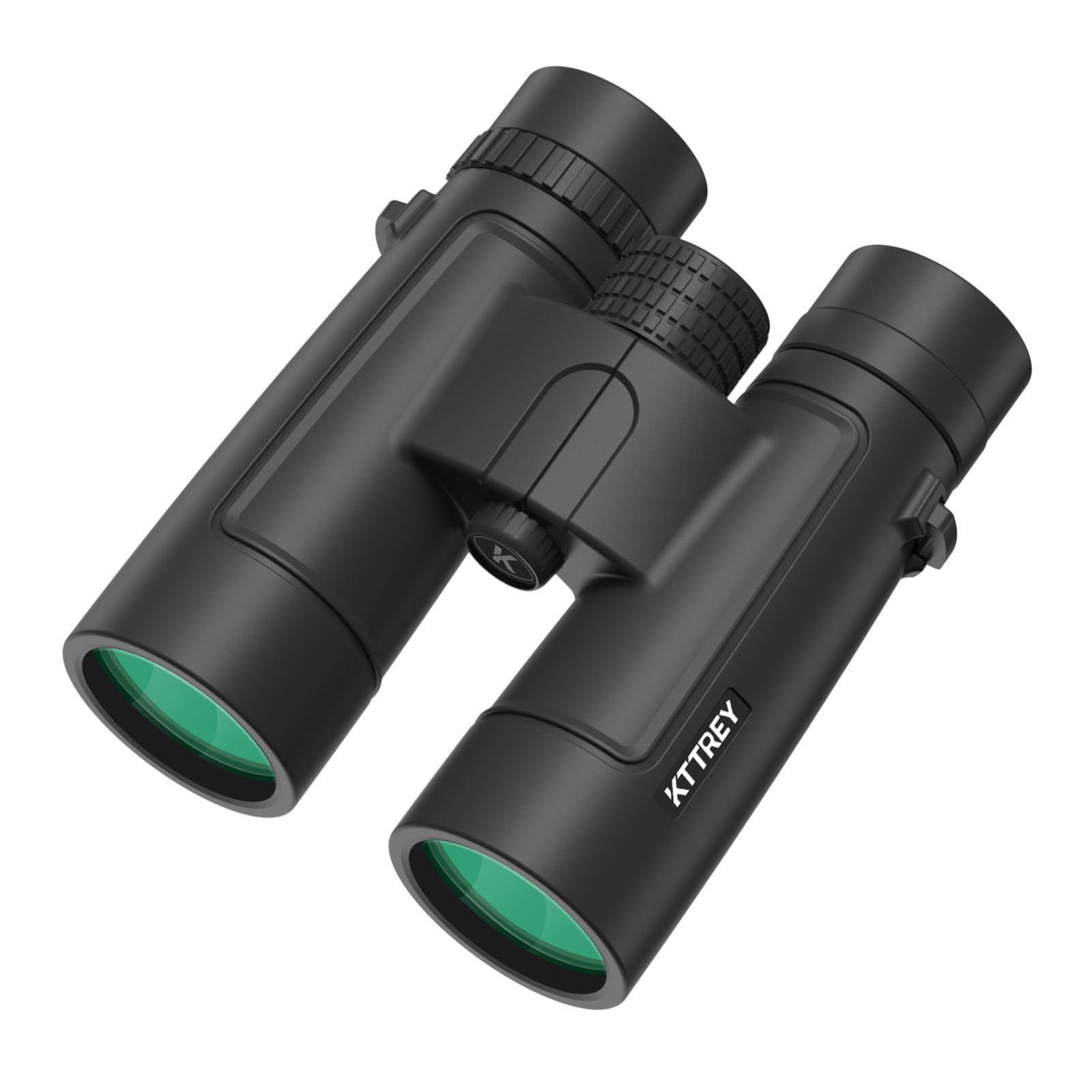
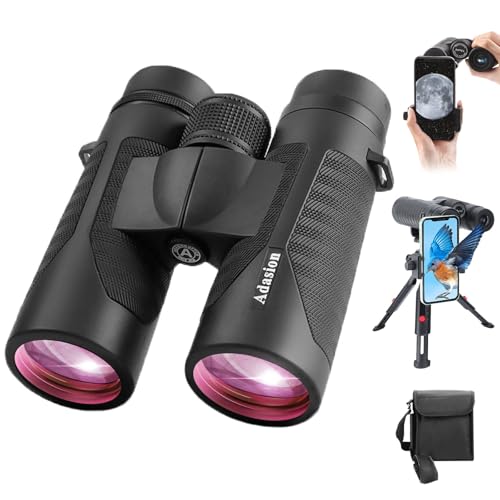
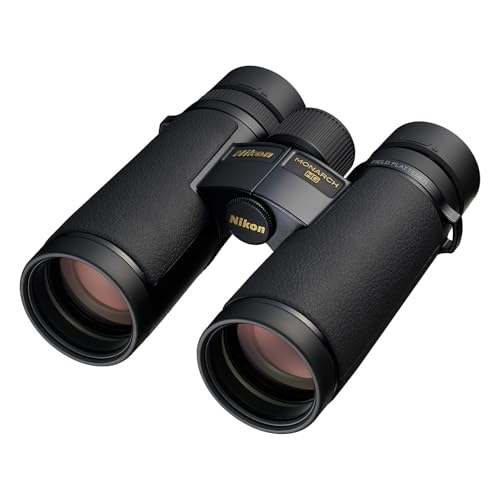
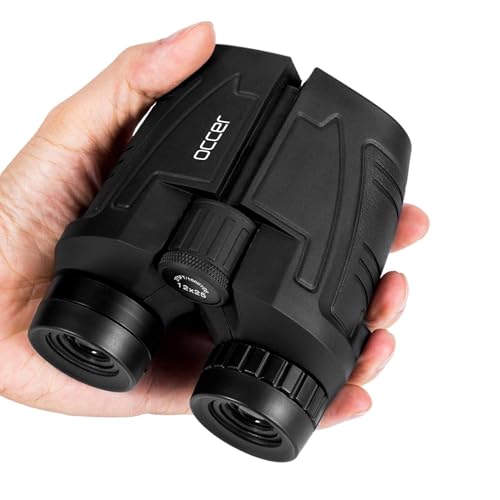
Wearing glasses changes what you need from binoculars, because the lenses sit between your eyes and the eyepieces. If the eye relief is too short, the view narrows and dark edges creep in, and you may press your glasses against the eyecups just to see the full picture. The best binoculars for eyeglass wearers give you enough eye relief, eyecups that adjust to your glasses, and a comfortable fit for long sessions. The product table right after this intro lets you compare the picks, and the guide below explains what to look for.
This guide works as a checklist you can run through before you buy. It covers eye relief, eyecup design, magnification, field of view, focus, and comfort, plus the red flags that signal a poor choice for glasses wearers. Work through each section, note the numbers that matter for your glasses, and use the quick checklist near the end to compare any two models side by side.


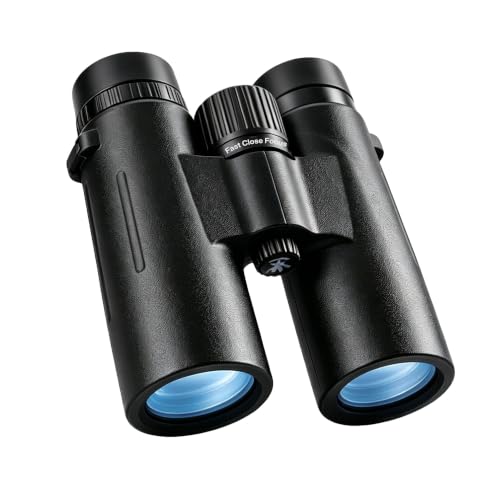
Who Needs the Best Binoculars for Eyeglass Wearers?
Birdwatchers and Nature Watchers
Birdwatchers need a wide, bright view that stays comfortable during long hours outdoors. Eye relief of at least 15 millimeters is a good starting point, and twist up eyecups let you set the exact distance for your glasses. A wide field of view helps you find birds quickly without moving the binoculars a lot, which reduces eye strain.
Light weight matters too, since you may carry the binoculars on a strap for hours. For a closer look at birdwatching options, see our guide to best binoculars for birdwatching.
Sports and Event Spectators
Spectators need binoculars that are quick to focus and easy to hold steady in a crowd. A moderate magnification, such as 8x, gives a steady view without too much shake, and a wide field helps you follow play across a field or stage. Eyecups that stay in place matter when you raise and lower the binoculars often, and a compact size is easier to carry into a stadium. If you wear glasses with thick frames, check that the eyecups do not press uncomfortably against them.
Travelers and Casual Viewers
Travelers benefit from compact binoculars that pack easily and still work well with glasses. A smaller model may have shorter eye relief, so check that number carefully rather than assuming a compact model will suit you. Fold down eyecups or twist up eyecups with several stops give you more control over the fit.
A durable, weather sealed body is a bonus for travel, since binoculars often face rain, dust, and bumps in a bag. For smaller options, see our guide to best compact binoculars for eyeglass wearers.
Key Features to Compare
Eye Relief: The Number That Matters Most
Eye relief is the distance from the eyepiece lens to the point where you see the full image, and it is the most important number for glasses wearers. Most glasses wearers need at least 15 millimeters of eye relief, and many do better with 17 to 20 millimeters, depending on how far their glasses sit from their eyes. If the eye relief is shorter than your glasses need, you will see only part of the view, with dark shadows at the edges. Always check the stated eye relief before you consider magnification or price.
Eyecup Design and Adjustability
Eyecups control the distance between your glasses and the eyepiece, and good ones make a big difference. Twist up eyecups with several stops let you set a precise position and hold it, which is ideal for glasses wearers who need a consistent fit. Fold down rubber eyecups are simpler and often cheaper, but they may not hold an intermediate position well. Soft rubber eyecups are gentler on glasses than hard plastic, and they are less likely to scratch lenses over time.
Magnification and Objective Size
Magnification is the first number in a label such as 8x42, and it tells you how much closer a subject appears. For most glasses wearers, 8x is a good balance: it brings subjects close while keeping the view steady enough to hold by hand. Higher magnification, such as 10x, shows more detail but also magnifies hand shake, which can be tiring over a long session. If you mainly watch from a seated position, 10x may work, but for walking and scanning, 8x is usually easier.
Objective size, the second number, is the diameter of the front lens in millimeters, and it affects brightness. A 42 millimeter objective gathers more light than a 32 millimeter one, which helps at dawn, dusk, or under tree cover. Larger objectives also add weight and bulk, so a 32 millimeter model may suit travelers better. The exit pupil, which is the objective size divided by magnification, gives a rough guide to brightness: a value around 5 millimeters suits low light well, while a smaller value is fine for bright daylight.
Field of View and Image Quality
Field of view is how wide an area you can see at a set distance, often stated in feet at 1000 yards or in degrees. A wider field helps you find moving subjects, such as birds or players, without sweeping the binoculars back and forth. For glasses wearers, a wide field is only useful if you can actually see its edges, which brings you back to eye relief.
For field use, see our guide to best binoculars birding. Check both numbers together rather than choosing on field of view alone.
Focus, Weight, and Comfort
Focus controls should be smooth and easy to reach without shifting your grip. A central focus wheel that turns with light resistance lets you follow a moving subject without losing the view. Some binoculars also have a diopter control for one eye, which helps if your eyes differ, and you should set it while wearing your glasses. Check that the focus wheel does not feel stiff or loose, since you will use it constantly in the field.
Weight and balance affect comfort more than many buyers expect. A heavy pair can strain your arms and neck during a long session, especially if you hold it up often.
Look for a weight you can hold steady for several minutes, and consider a neck strap or harness that spreads the load. The grip should feel secure even with damp hands, and the body should not feel slippery or awkwardly shaped.
A Checklist for Eyeglass Wearers
Use this checklist as a quick screen before you compare prices or features. Each question targets a problem that glasses wearers commonly face, and a "no" answer is a reason to look at another model. Start with eye relief, since no other feature can make up for a view that is cut off at the edges. Then check eyecups, field of view, and comfort in that order, because those points decide whether you will enjoy using the binoculars day after day.
| Checklist Item | What to Look For | Why It Matters |
|---|---|---|
| Eye relief | At least 15 mm, ideally 17 to 20 mm | Full view without pressing glasses |
| Eyecups | Twist up with several stops, soft rubber | Precise fit and lens protection |
| Field of view | Wide, and visible in full with glasses on | Finding subjects quickly |
| Focus | Smooth wheel, usable diopter control | Tracking moving subjects |
| Weight | Comfortable to hold for minutes at a time | Long sessions without strain |
Spending Levels: What Your Money Gets You
At a lower spending level, expect basic binoculars with adequate eye relief and simple fold down eyecups. They can work well for occasional use, but check the eye relief number carefully, since some budget models fall short for glasses wearers. Image quality may be softer at the edges, and weather sealing may be limited, so these models suit fair weather use and short sessions. They are a reasonable starting point if you are unsure how often you will use binoculars.
In the middle range, you will usually find longer eye relief, twist up eyecups, better lens coatings, and more reliable weather sealing. This is often the best value for regular glasses wearers, since the improvements directly affect comfort and view quality. A midrange pair can serve for birdwatching, sports, and travel without the weight and cost of a premium model.
Spending here buys a noticeably better daily experience, not just a brand name. For highly regarded options, see our guide to best rated binoculars.
Common Mistakes and Red Flags
- Buying on magnification alone without checking eye relief first.
- Trying binoculars without glasses on, then finding the view is cut off when glasses are worn.
- Choosing hard plastic eyecups that can scratch glasses over time.
- Ignoring weight, then finding long sessions tiring and shaky.
- Trusting vague claims about brightness without checking objective size and coatings.
- Skipping the return policy when buying online, leaving no way to try the fit at home.
Care and Maintenance Tips
Good care keeps binoculars clear and comfortable for years. Use a soft lens cloth, not your shirt, to clean lenses, since fabric can carry grit that scratches coatings. Carry a spare lens cloth in your bag, and store binoculars in a dry, padded case when not in use. Keep the eyecups clean, since dust on eyecups can transfer to your glasses and affect the view.
Protect binoculars from rain and dust when possible, and dry them gently if they get wet. Never look at the sun through binoculars, and follow the manufacturer's instructions for safe use. Store them away from extreme heat, such as a car dashboard in summer, which can damage seals and coatings. With simple care, a well chosen pair will serve you for many seasons of viewing.
Binoculars for Eyeglass Wearers: Your Questions Answered
What features matter most in binoculars for eyeglass wearers?
Eye relief matters most, followed by eyecup design and field of view. Without enough eye relief, you cannot see the full image while wearing glasses, no matter how good the optics are. Twist up eyecups with several stops let you set the exact distance for your glasses, and a wide field helps you find subjects quickly. Check these three points first, then compare magnification, weight, and brightness for your main use.
What specs matter most for beginners?
Beginners should focus on 8x magnification, a 32 or 42 millimeter objective, and at least 15 millimeters of eye relief. This combination gives a steady, bright view that is easy to hold and comfortable with glasses. A wide field of view helps new users find subjects, and a smooth focus wheel makes tracking easier. Avoid very high magnification at first, since it magnifies shake and narrows the view, which can frustrate a new viewer.
What does 8x42 or 10x42 mean?
The first number is magnification, and the second is the objective lens diameter in millimeters. An 8x42 pair makes a subject appear eight times closer and has a 42 millimeter front lens, while a 10x42 pair magnifies ten times with the same front lens size. Higher magnification shows more detail but also more shake, and it usually narrows the field of view. For most glasses wearers, 8x42 is a versatile starting point that balances detail, brightness, and steadiness.
Which is better for low light?
For low light, a larger objective and a larger exit pupil usually help, so an 8x42 pair often beats a 10x32 pair at dawn or dusk. Good lens coatings also matter, since they reduce lost light and improve contrast in dim conditions. However, no binoculars can make a dark scene bright, and eye relief still matters: a bright view that is cut off at the edges will not help. Choose a model with solid eye relief first, then favor larger objectives and quality coatings for low light use.
How much should I spend on my first one?
For a first pair, a midrange budget often gives the best balance of eye relief, comfort, and image quality for glasses wearers. Very cheap models may lack the eye relief you need, while premium models offer refinements that a new user may not yet appreciate. Spend enough to get twist up eyecups, at least 15 millimeters of eye relief, and weather sealing if you plan to use them outdoors. You can always upgrade later once you know which features matter most to you.
Final Thoughts
Choosing binoculars as a glasses wearer comes down to one rule: the full view must be visible with your glasses on. Start with eye relief, check the eyecups, and confirm the field of view, then weigh magnification, weight, and price for your main use.
A midrange pair with generous eye relief often serves most viewers better than a premium pair with a short eye relief. The best binoculars for eyeglass wearers are the ones you can use comfortably for hours, so check the product table above once more and pick the model whose fit works with your glasses. If you notice persistent eye pain or vision changes, talk to an eye care professional rather than pushing through discomfort.


