
Best Compact Binoculars for Birding 2026: Which One Fits the Way You Use It?
Disclosure: We may earn a commission when you buy through links on this page, at no extra cost to you. As an Amazon Associate I earn from qualifying purchases. Learn more

Choose compact binoculars for birding by fit, field of view, close focus and daylight limits, with price bands and clear checks before you buy.
There is no single compact binocular that suits every birder, because a morning on open shore, an hour in a small garden and a long climb to a ridge all ask for a different fit. Start with the best compact binoculars for birding for the way you actually walk, wait and watch, and the comparison table below will be much easier to read. Small size is only a gain when the view still helps you name the bird in front of you.
This guide puts fit first. It explains what a compact body gives you, what it takes away, and which details matter when light, distance and time on your feet change from one outing to the next.
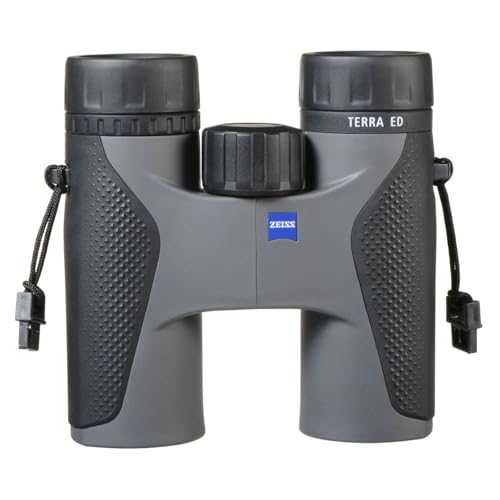
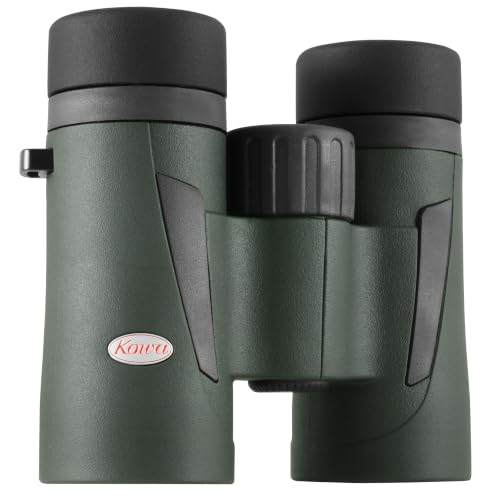
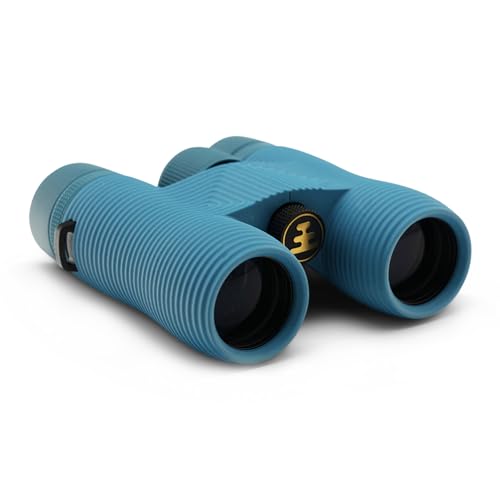

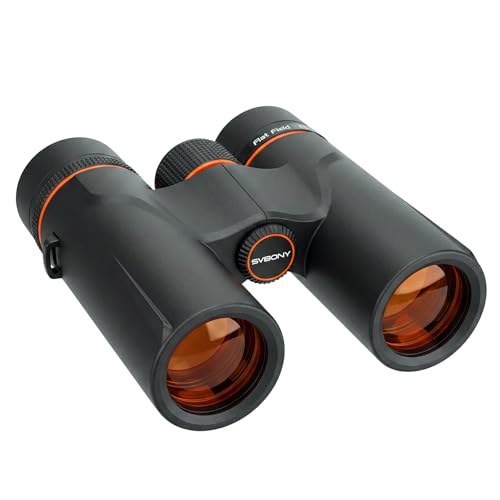

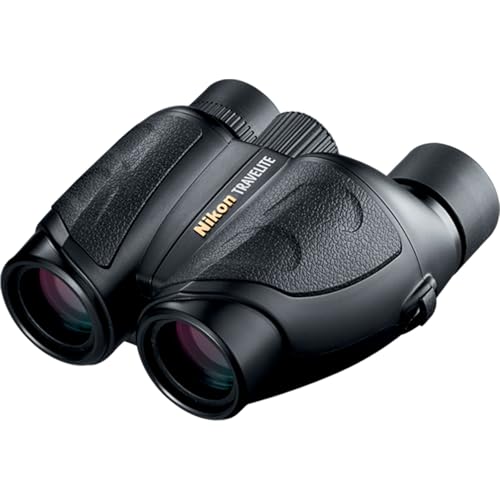
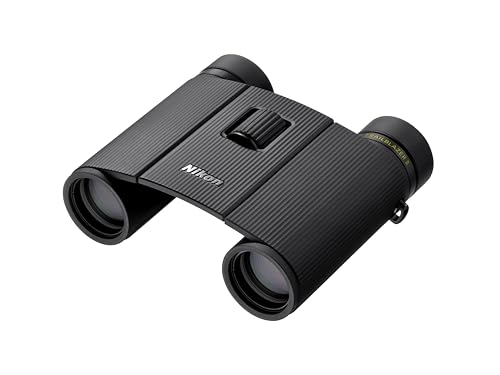


Who Should Buy Which Compact Binoculars?
Fit begins with honesty about the compact box itself. A compact binocular trades light for size, and that trade shapes every choice that follows. The small objective class is a daylight class, happiest in open sky, bright woodland edges and the middle hours of the day. If most of your birding lives in that light, the saving in weight and bulk is real and you can choose freely within the class.
Birding itself adds the next demand. Birding is a light and identification task, where a bird may show for seconds in moving leaves before it is gone. Close focus and a wide field are the birding facts that decide whether you find the bird fast and follow it without losing the branch, the flock or the shoreline around it.
For Walkers Who Bird Along Trails
Trail birders need a pair that rides in a jacket pocket or a small belt pouch and comes up fast when a call stops them mid stride. Prioritize light weight, a secure grip with gloves or damp hands, and a field of view wide enough to pick up movement at the edge of the path. A moderate magnification around eight times usually suits this group, because it shakes less during a long walk and keeps both eyes relaxed at each stop.
For Garden and Park Watchers
Garden and park watchers often work at short range, following warblers through shrubs or finches around feeders only a few paces away. For this use, close focus matters more than reach, so look for a pair that can focus down to about six feet or less. A smooth focus wheel you can turn with one finger helps too, since the bird may move from a feeder to a fence while your other hand holds a coat, a lead or a warm drink.
For Travelers Who Pack Light
Travelers need a pair that earns its place beside clothing, a camera and food for the day, and that survives being packed and unpacked often. Choose a tough hinge, lens caps that stay attached, and a case that protects without adding much bulk. If your trips mix birds with general sightseeing, our guide to best compact binoculars for travel covers that wider use in its own passage, while this article stays with birding fit.
Key Features to Compare
Once your use is clear, compare the few numbers that change the view in the field. The product table above gathers those numbers in one place, but the notes below explain what each one feels like when a bird is moving and the light is not perfect.
Magnification and Objective Lens Size
The two numbers in a format such as eight by twenty five describe magnification first and the front lens size in millimeters second. Eight times brings the bird closer without narrowing the view too much, while ten times reaches farther but shows more hand shake and a smaller field. A front lens around twenty five to thirty two millimeters keeps a compact body small, yet it also gathers less light than a larger glass, so match the format to bright conditions first.
Features That Matter for Birding
Birding asks for speed, clarity at the edge of the view, and color that stays true enough to separate similar species by a wing bar, an eye ring or a wash of color on the breast. Look for bright, clear glass, a focus wheel that moves smoothly without slack, and enough field to relocate a bird after it hops. Readers who want the wider category view can also see our guide to best binoculars birding, which covers larger formats alongside the compact class discussed here.
Field of View and Close Focus
Field of view tells you how much of a tree, marsh or skyline you see at once, usually stated as a width at a set distance. A wider field makes scanning easier and helps beginners and experienced watchers alike keep a flying bird in view. Close focus tells you the shortest distance that still gives a sharp image, and a shorter distance opens up butterflies, close perched birds and feeder visits that a long minimum would blur.
Eye Relief and Exit Pupil
Eye relief is the distance your eye can sit from the rear lens while still seeing the full field, and it matters most if you wear glasses. Look for adjustable eye cups and enough relief that you do not have to press the binocular hard against your frames. Exit pupil is found by dividing the front lens size by the magnification, and a larger result gives a brighter view in shade. Dawn and dusk show the compact limit here, because a small exit pupil dims quickly as light falls.
The small dial near the right eye cup, called the diopter adjustment, lets you match the focus to a difference between your own two eyes. Set it once by focusing on a still distant sign with one eye covered, then turning the dial until that view is sharp before you focus for both eyes. Recheck it after another person uses the pair, because a borrowed setting can leave one side soft all day.
Durability and Weather Sealing
Birding happens in drizzle, sea spray, cold mornings and warm cars, so sealing is not a luxury. Choose a body described as waterproof and fogproof, with sealed joints that keep damp air and dust away from the inner glass. A rubber armor coating adds grip and softens knocks against a gate, a hide bench or a rucksack buckle. Check that the hinge stays firm and the focus wheel still turns smoothly after the pair has been handled with wet hands.
Measuring for Size and Portability
Measure the pocket, pouch or bag slot where the pair will actually live, then compare that space with the folded size and weight in the listing. Hold in mind that the strap, caps and case add bulk beyond the bare body weight. Try the shape in your hands if you can, because a narrow body that suits small hands may feel cramped for larger hands. The right compact is the one you carry on every walk, not the smallest one on paper.
Common Mistakes to Avoid When Buying Compact Binoculars
- Choosing the highest magnification first, then finding the view shakes too much and the field feels too narrow for moving birds.
- Ignoring close focus, then discovering that close garden birds and feeder visits will not come sharp at the distance you watch from.
- Judging by price alone and skipping weather sealing, so one wet morning fogs the view or shortens the life of the pair.
- Forgetting glasses and eye relief, which leaves part of the field cut off and makes long watching tiring.
- Buying a pair so small that the focus wheel and eye cups are hard to use with cold or gloved hands.
One more check helps before you order. Star scores alone cannot tell you whether a pair fits your hands, your glasses or your light, so read our guide to best rated compact binoculars as a short lesson in checking field, focus and sealing rather than chasing a score.
How to Make Your Pair of Compact Binoculars Last Longer
Clean the lenses with a soft lens cloth and a gentle breath of air first to lift grit, never with a shirt sleeve that can drag dust across the glass. Keep the caps on when the pair rides in a bag, and store it in a dry padded case away from car heat and damp sheds. Use the neck strap or a harness on rough ground, because most damage comes from a single drop onto stone. Check the strap lugs, hinge and eye cups now and then, and let a wet pair dry at room temperature before you seal it away.
FAQ: Questions Answered
What features matter most in compact binoculars for birding?
Close focus, a wide field of view and clear glass matter most for birding with a compact pair. Those three help you find a bird fast, follow it through cover and read the small marks that separate one species from another. After that, check eye relief if you wear glasses and sealing if you bird in wet places. A smooth focus wheel is also worth seeking, because stiff or loose focus costs you birds that only show for a moment.
How much should I spend on a first compact binocular for birding?
About $80 to $180 is a sensible first band for a compact binocular that will be used for birding. Below that band, glass clarity and sealing often fall away, while the middle band usually brings better coatings, a smoother wheel and a firmer hinge. Spending more can add brightness and build quality, but it cannot change the daylight limit of a small front lens. Buy the best sealed and clear pair in the band before you pay for extra reach.
What specs matter most for beginners who bird with compact binoculars?
Beginners should start with eight times magnification, a field that feels wide, and close focus of about six feet or less. That mix is forgiving while you learn to find birds in the view and hold the pair steady. Our guide to best birding binoculars for beginners walks through first pair choices in more depth. One extra beginner point is weight: a light pair you hold often teaches your eye faster than a heavy pair left at home.
Which compact binocular format is better for low light birding?
A format with a larger exit pupil is better for low light, such as eight by thirty two rather than ten by twenty five. Dividing the second number by the first gives the exit pupil, and a larger result lets your eye take in more light at dawn or under thick trees. Even so, no compact format matches a larger glass once the light truly fades. Plan early and late watches around that limit, and use the brighter middle of the day for the smallest pairs.
Is a smartphone enough instead of compact binoculars for birding?
A smartphone is not enough on its own for most birding, because holding a screen at arm length gives an unsteady, narrow view and drains the battery you need for maps and calls. A compact binocular gives both eyes a steady, magnified view and lets you watch without raising a bright screen that can startle birds. A phone still helps for recording calls, logging sightings and taking a record photo through the lens on rare occasions. Treat the phone as a notebook, not as the optic.
What does eight by twenty five mean on compact binoculars?
Eight by twenty five means the view is magnified eight times and the front lens is twenty five millimeters wide. The first number affects reach and steadiness, while the second affects size, weight and how much light the glass can gather. A ten by twenty five pair reaches a little farther but usually shows a narrower field and a dimmer view in shade. For most compact birding, the eight times version is the calmer and brighter choice for the same lens size.
Final Thoughts
Choose by fit first, light second and reach last. If your birding is bright, close and on foot, a compact pair with a wide field, short close focus and honest sealing will serve you well for years, and the product table above can help you compare formats side by side. Readers working with a tighter spend can see our guide to best budget binoculars for birding for the lower price bands in detail. Above all, the best compact binoculars for birding for you is the pair that matches your hands, your glasses and the hours when you actually watch birds.
On your first outing with a new pair, choose bright open ground and common birds you already know by sight. That calm start lets you learn the focus wheel, the eye cups and the diopter setting without the pressure of a rare sighting.


