Best Budget Compact Binoculars: Buying Guide for 2026
Disclosure: We may earn a commission when you buy through links on this page, at no extra cost to you. As an Amazon Associate I earn from qualifying purchases. Learn more

Compare compact binocular sizes, exit pupil limits, and budget build quality, and learn what about $40 to $150 buys for travel, games, and birding.
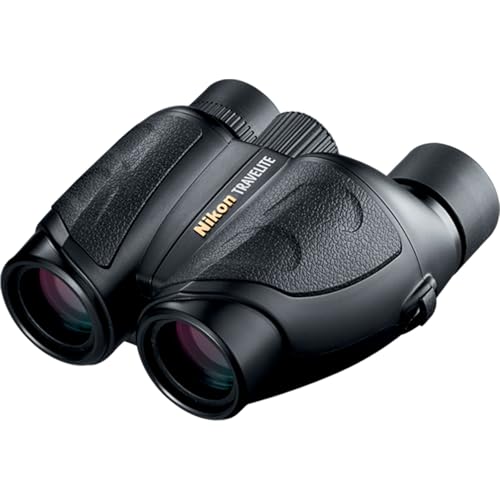
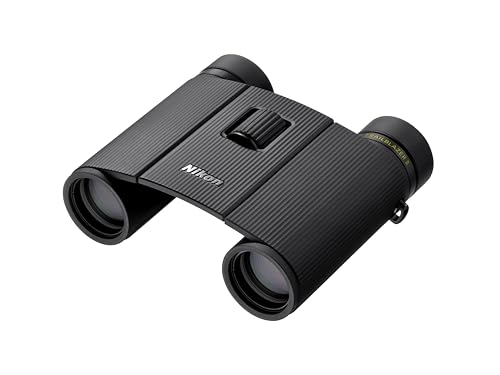
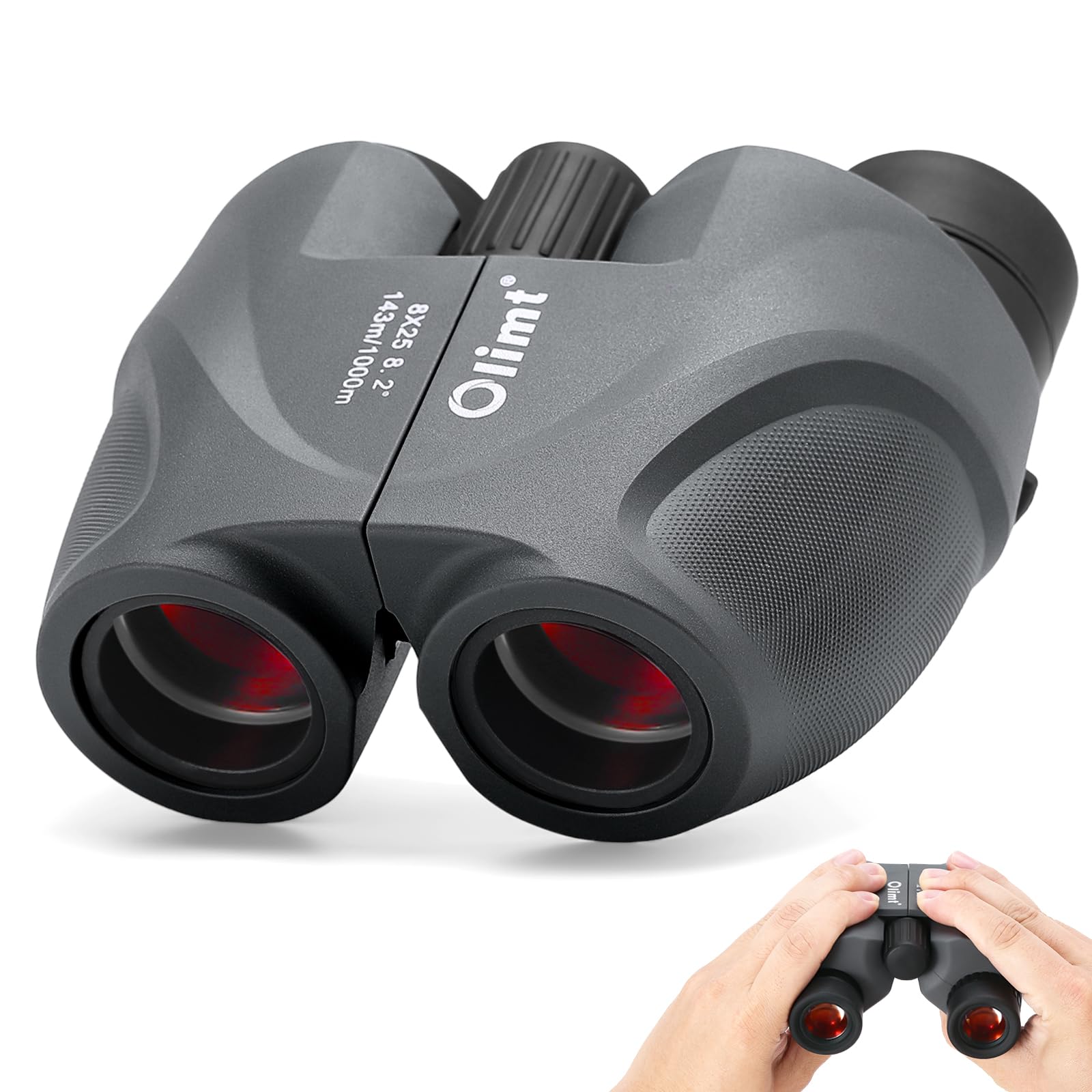
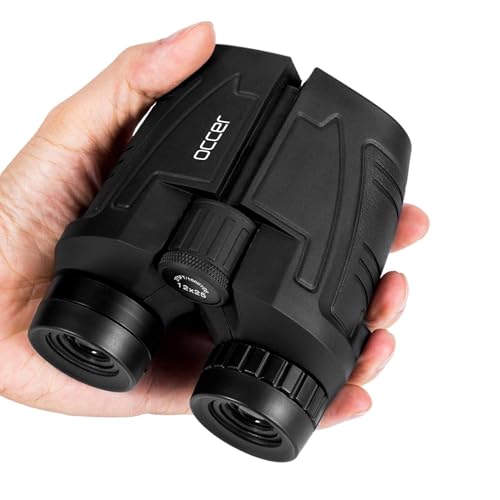
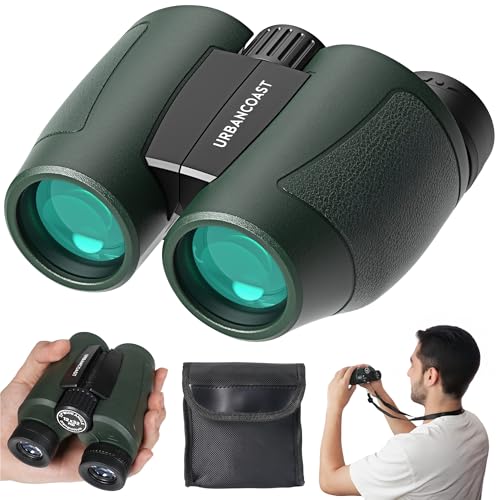
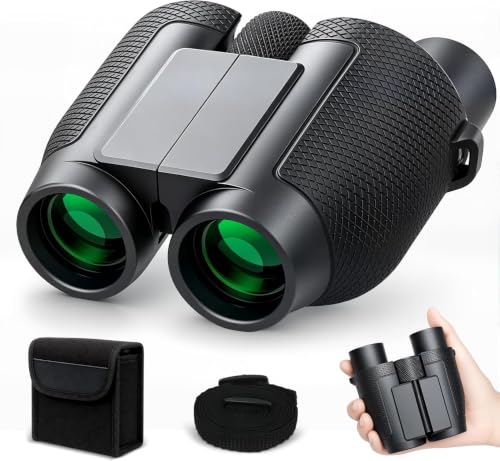
A compact binocular is the pair you actually carry, and a budget one is the pair you can buy without weeks of saving. Put those two limits together and honest shopping matters, because the best budget compact binoculars are chosen by which compromises you can live with, not by which box prints the biggest numbers. This guide explains the trade in plain terms, shows what each price band really buys, and helps you match a small pair to travel, stadium seats, and casual birding. The comparison table below collects the current options in one place.
Two ideas run through everything that follows. Small size costs light, and a low price costs build precision, so the skill is spending on the parts of that trade you will notice every day and saving on the parts you will not.



What Compact Size Costs the View
Stated plainly, a compact binocular trades glass for size. The front lenses on a compact pair are small, often 21 to 28 mm across, so they gather less light than the 42 mm lenses on a full size pair. That single fact sets the exit pupil, which is the lens size divided by the magnification: an 8x25 pair gives an exit pupil of about 3.1 mm.
In bright daylight your own pupil is smaller than that beam and the view looks full and sharp, but at dawn, dusk, or under tree cover your pupil opens wider than the beam the binocular delivers, and the image dims. Low light is therefore the honest limit of the whole compact class at any price, and no coating or marketing term removes it.
What Your Money Buys at This Level
At budget prices, read a binocular by its build before its optics. The two barrels must point at exactly the same place, a property called collimation, and the central hinge must hold that alignment while the focus wheel turns without grit or slack. Alignment and hinge precision are the first things cheap production cuts, so a budget pair that feels mechanically sound usually outlasts a fancier specification in a sloppy body.
Most pairs in this class sell in three loose bands. About $40 to $70 buys basic glass, simple coatings, and a hinge you should check carefully on arrival. About $70 to $110 usually adds better coatings, a smoother focus wheel, and sealing that survives rain. About $110 to $150 approaches entry level serious optics, with brighter views and sturdier mechanics, and it is the band where a compact pair stops feeling like a toy.
Star ratings help most as a warning system: when many buyers report the same wobble or fogging fault, believe the pattern, and treat guides to best rated compact binoculars as a way to sort complaints rather than as proof of optical quality.
How to Choose the Best Compact Binoculars: Buying Guide
Magnification and Objective Size
The two numbers in a name like 8x25 describe magnification and front lens size in millimeters. For a compact pair, 8x is the friendly default: wide enough to find a bird or a player, steady enough to hold without support, and kind to the field of view. A 10x compact narrows the view and magnifies hand shake, and its exit pupil shrinks again, so most casual users see less with it, not more.
Coatings and Image Brightness
Coatings are thin layers on the glass that cut reflections and pass more light to your eye. Budget descriptions use loose terms, so rank them in this order: uncoated, coated, fully coated, and multicoated at the top of this class. Coatings are the cheapest brightness a maker can sell you, which is why a fully coated 8x25 often looks livelier than a bare 8x28 at the same price. Treat figures like light transmission percentages and the printed field of view as maker class figures, useful for ranking models within the class rather than as measurements you can verify.
Size, Weight, and Carrying
A compact pair earns its keep by being present, so weigh folded size and carry method as seriously as optics. Most compacts weigh about 7 to 12 ounces and fold small enough for a jacket pocket or a bag compartment. A neck strap suits walking and events, while a belt case keeps the pair ready on a hike. If trips are your main use, our guide to best compact binoculars for travel compares pocket fit and carry styles in more depth.
Focus Wheel, Diopter, and Eye Relief
You will use the focus wheel more than any other control, so it should turn smoothly through its whole range without catching. A diopter ring on one eyepiece lets you balance the two barrels for your own eyes, and a pair without one is a false economy at any price. Eye relief is the distance your eye can sit from the eyepiece and still see the whole field; glasses wearers should look for about 14 mm or more, then test with the eyecups folded down.
A Note for Birders on a Budget
Birding asks the most of a small pair, because birds favor the dim edges of the day. Stay at 8x, choose the largest front lenses your pocket allows, and value close focus, which lets you watch butterflies and nearby warblers from about 6 feet. Our guide to best compact binoculars for birding goes deeper on those birding specific choices.
If birds are your main subject rather than one use among several, compare the wider field in our guide to best budget binoculars for birding, where slightly larger budget pairs trade pocket size for brighter dawn views.
Compact Binoculars vs Other Options
Full Size Binoculars
A full size pair with 42 mm lenses gathers far more light and is the better tool at dawn, dusk, and in deep shade, at the cost of weight and bulk you may leave at home. If your budget stretches and carrying is easy, our parent guide to best budget binoculars covers those larger pairs. Choose compact when presence matters more than peak brightness.
Monoculars
A monocular is half a binocular: one barrel, one eye, and the smallest possible package. It suits a quick look at a scoreboard or a trail sign and disappears into a pocket, but long viewing tires one eye and judging distance is harder. Choose one for occasional glances, and choose binoculars for anything you plan to watch for minutes at a time.
A Smartphone Camera
A phone zooms by cropping, so distant detail softens fast, and a bright screen is hard to read in full sun at a game or on a ridge. A phone also cannot match the steady, both eyes view that makes a small binocular pleasant for a whole event. Keep the phone for photos of what is near, and let the binocular handle everything far away.
How to Make Your Pair of Compact Binoculars Last Longer
- Clean the lenses with a soft cloth made for optics, and blow loose grit away first so you do not grind it into the coating.
- Store the pair in its padded case in a dry place, since a damp bag left in a hot car is how internal fogging usually starts.
- Work the hinge and focus wheel gently and evenly, because forcing a stiff hinge is the fastest way to knock a budget pair out of alignment.
- Keep the strap attached and use it, since most compact binocular damage comes from short drops onto hard floors.
- Cap the eyepieces when the pair rides in a bag alongside keys and coins.
Compact Binoculars: Your Questions Answered
Are compact binoculars any good in low light?
They are usable in low light, but they are never the strong choice for it, because the small front lenses limit the exit pupil to around 3 mm. In the last minutes of a game or the first light over a marsh, a compact view looks dimmer and flatter than a full size view. If most of your watching happens then, save toward a larger pair; if low light is occasional, an 8x25 or 8x28 compact still shows far more than the naked eye.
What do the numbers 8x25 and 10x25 mean on compact binoculars?
The first number is magnification, so 8x makes a subject look eight times closer, and the second is the front lens diameter in millimeters. Divide the second by the first to get the exit pupil: about 3.1 mm for 8x25 and only 2.5 mm for 10x25. That quick sum explains why the 8x version usually looks brighter and steadier in the hand, and why sellers push the 10x figure harder than it deserves.
Can a smartphone replace a compact binocular at a stadium or concert?
For a souvenir photo, yes, but for watching the event itself, no. A phone zoom crops a small sensor image, so faces and jersey numbers soften, and holding a bright screen up for two hours tires your arms and drains the battery. A compact binocular gives a steady, detailed view for the whole event and then goes back in a pocket, which is why event regulars carry one even with a good phone in hand.
How much should I spend on my first pair of compact binoculars?
About $70 to $110 is the sensible first step for most buyers. Below that band, hinges and alignment vary so much from pair to pair that luck matters more than research. Inside the band you get usable coatings, a smoother wheel, and basic waterproofing. Add one habit that protects the purchase: buy from a seller with easy returns, and check on arrival day that both barrels merge into a single, clean image.
What specs matter most when buying compact binoculars for the first time?
Rank them in this order: an honest size you will carry, a smooth focus wheel, then coatings, then magnification. A pair that lives in your jacket gets used far more than a brighter pair left at home. Check the diopter adjustment and eye relief before you pay, since those two fit items decide comfort more than any optical figure. Skip zoom models entirely at this price, because moving zoom parts in a budget body invite misalignment.
Final Thoughts
Choose by the trade you accept: compact size always costs light, and a low price always tests build precision, so buy the pair whose hinge, focus wheel, and alignment feel right and whose exit pupil fits your usual hours. The product table above lines up the current options by those measures. For most readers, the best budget compact binoculars are an 8x pair with fully coated glass in the middle band, carried everywhere and ready when the moment comes.