
Best Compact Binoculars for Concerts in 2026: Which Type Is Right for You?
Disclosure: We may earn a commission when you buy through links on this page, at no extra cost to you. As an Amazon Associate I earn from qualifying purchases. Learn more

Compare the best compact binoculars for concerts by type, then check magnification, exit pupil and field of view, the figures that matter under stage lights.
A compact binocular rides in a jacket pocket on the way in, then brings faces and fretwork close once the house lights drop. Picking the best compact binoculars for concerts means weighing that pocket size against the brightness and steadiness a dark hall demands. This guide compares the main types side by side, and the comparison table below condenses the trade offs.
One caution before the types. The magnification and brightness figures printed on a box describe a class under ideal maker conditions, not a promise about your seat. At concert distances, the width of the field and how steadily you can hold the view usually decide what you actually see, and raw power comes third. Judge every type in this guide in that order.
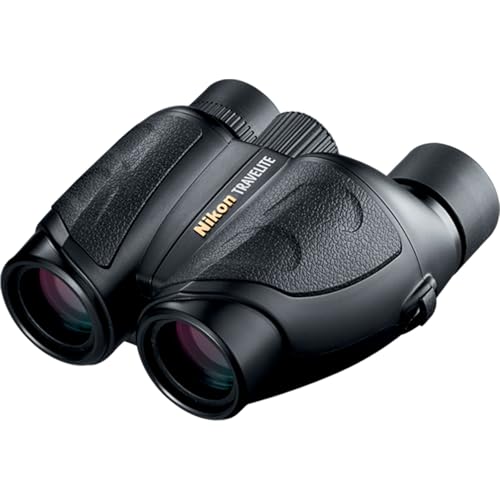
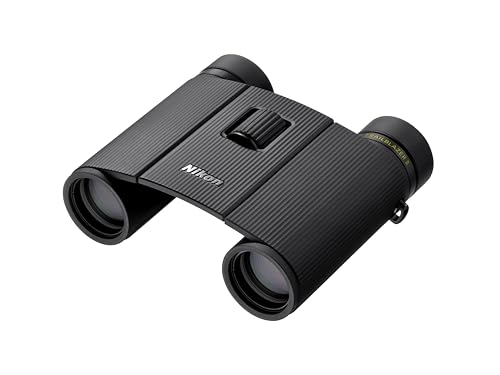


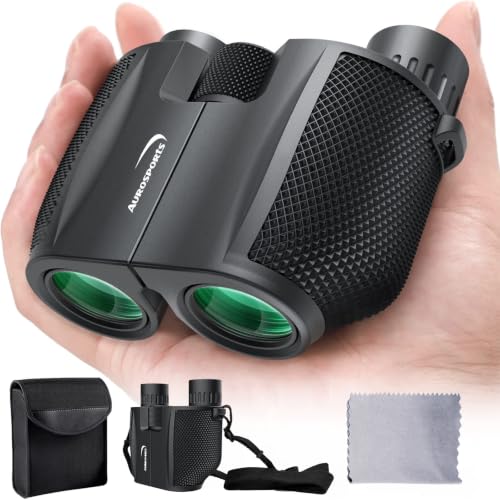


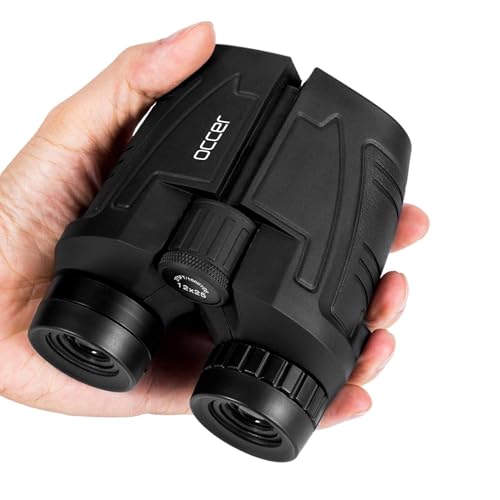
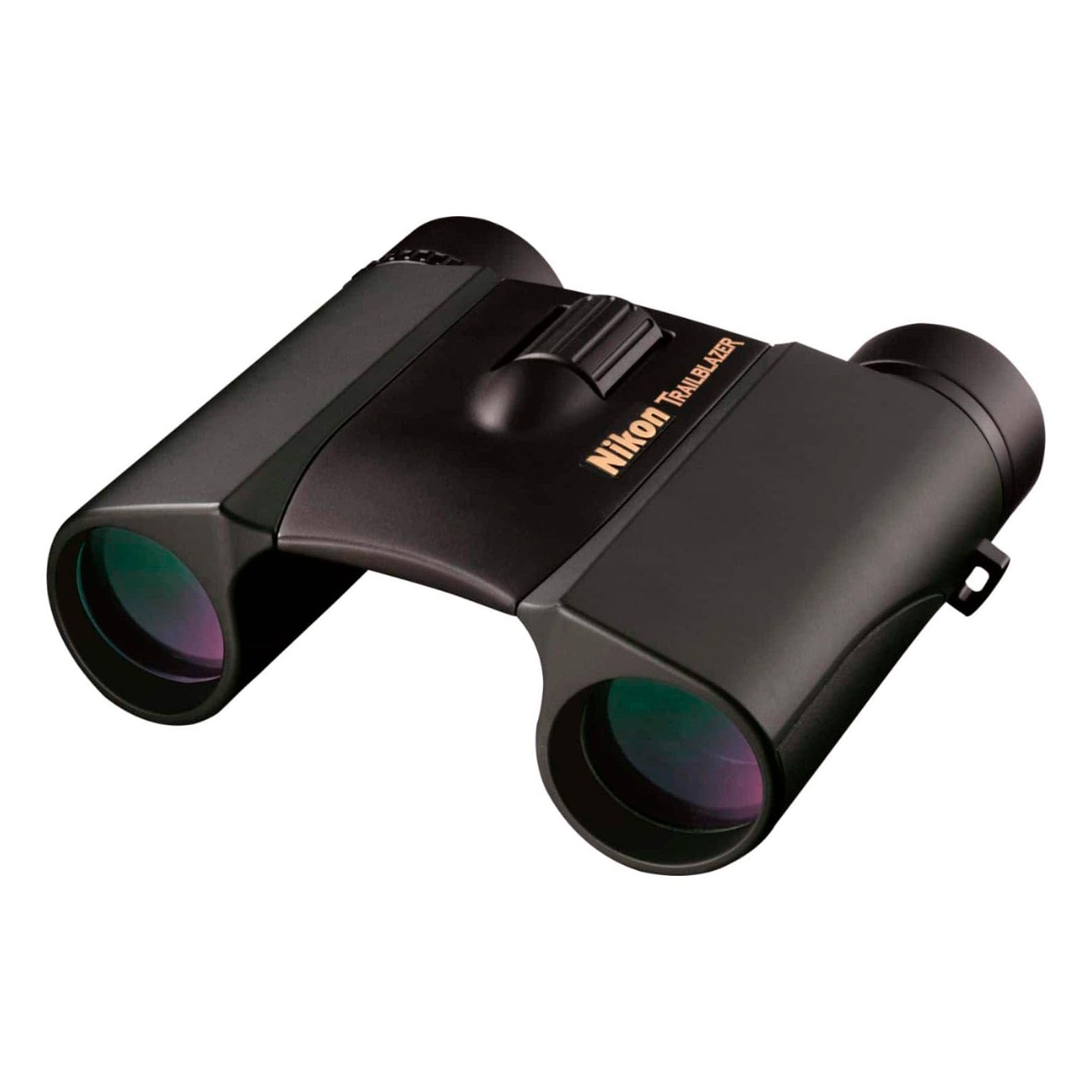
How Compact Binoculars Compare to Other Options
Four viewing tools compete for a concert seat: compact binoculars, full size binoculars, cameras with zoom lenses, and opera glasses. Each trades size, brightness and purpose differently, and the right pick depends on whether you want to watch the show or record it.
| Type | Best For | Pros | Cons | Typical Price |
|---|---|---|---|---|
| Compact binoculars | Pocket carry at any venue | Tiny, light, steady in the hand | Dimmer than larger glass | about $25 to $400 |
| Full size binoculars | Far seats in dark halls | Brightest view, wide exit pupil | Heavy, bulky to carry | about $80 to $300 |
| Mirrorless camera with zoom lens | Recording the show | Saves photos and video | Costly, often restricted at entry | about $600 to $2,000 |
| Point and shoot compact camera | Casual snaps from your seat | Pocketable, easy framing on screen | Small sensor struggles in stage light | about $150 to $500 |
| Opera glasses | Close theater and orchestra seats | Very small, low power suits near stages | Narrow field, modest optics | about $20 to $120 |
Compact Binoculars vs Mirrorless Cameras
A mirrorless camera with a telephoto zoom records the night, which a binocular never does, and its sensor pushes sensitivity past what your eye manages. The costs are size, price and permission: many venues bar interchangeable lens cameras at the door, and a glowing rear screen bothers the row behind you. Choose the camera when photographs matter most and the venue allows it. Choose compact binoculars when you simply want to watch, because they pass security almost everywhere and never light up.
Compact Binoculars vs Full Size Binoculars
A full size pair such as an 8x42 gathers far more light than a compact, since its larger lenses feed a wider exit pupil and a brighter image. It also weighs roughly three times as much and will not slip into a coat pocket. Pick full size glass for distant seats where brightness is scarce. Pick the compact when carry and comfort decide whether the binocular comes along at all.
Compact Binoculars vs Point and Shoot Compacts
A point and shoot camera frames the stage on a screen and saves the moment, but digital zoom crops the picture and stage lighting often defeats its small sensor. A compact binocular shows a direct optical view to both eyes, with natural depth and no battery anxiety. If keepsakes matter, the camera wins. If the goal is following a guitarist's hands or a singer's expression in real time, the binocular gives the clearer, calmer view.
Who Should Choose Compact Binoculars?
Nearly everyone comparing the best compact binoculars for concerts falls into one of a few seat based groups. Compact binoculars suit arena regulars in the upper tiers, where faces shrink but a pocketable pair still restores expression and costume detail. They also suit theater and dance audiences in balcony seats, festival fans who walk between stages all day, and anyone who hates carrying a bag.
Readers whose first priority is the brightest possible image from the very back should compare the wider range covered in our guide to best binoculars for concerts, where larger glass earns its bulk. Photographers need a camera, not a viewing tool. Glasses wearers do well here too, provided they pick a class with generous eye relief, covered in the features section.
How to Choose the Right Pair of Compact Binoculars
Magnification and Field of View
Makers print two numbers on every pair, and both are class figures rather than guarantees. The first is magnification: 8x brings the stage eight times closer, while 10x adds reach at the cost of a narrower field and more visible hand shake. At typical concert distances a wide field matters more than extra power, because it keeps a moving performer in frame without constant hunting.
Wide compact classes show roughly 340 to 430 feet of stage width at 1,000 yards, so most concertgoers do better with 8x and a generous field than with 10x and a tunnel view. A wide field also helps you follow movement at the edges of the stage, which is why pairs in our guide to best compact binoculars for birding chase the same specification.
Objective Lens Size and Exit Pupil
The second printed number is the objective lens diameter in millimeters, and together the two numbers set the exit pupil, found by dividing the lens size by the magnification. An 8x25 gives an exit pupil of about 3.1 mm, a 10x25 about 2.5 mm, and an 8x32 about 4 mm. That figure is the real low light measure: the wider it is, the brighter the image in a dark hall.
Compact bodies trade this light gathering away for pocket size, so for dim venues prefer 8x25 over 10x25, or step up to an 8x32 class. Hunters weighing dawn light in our guide to best compact binoculars for hunting run the same calculation.
Features That Matter for Concerts
Your seat is the specification that should drive the rest. Floor seats and the lower bowl sit close enough that 8x feels generous, while upper tiers and lawn places can justify 10x if your hands are steady. Small theaters reverse the logic, since a low power class or opera glasses suit a stage only a few rows away. Beyond power, look for a focus wheel you can find by touch in the dark, and read listing stars with care: pages advertising best rated compact binoculars rank pairs by other buyers' reports, so treat ratings as a popularity signal beside the optical figures.
Focus, Eye Relief and Handling
Eye relief is the distance your eye can sit from the eyepiece while still seeing the full field, and glasses wearers should look for about 15 mm or more with eyecups that twist or fold down. The focus wheel should turn smoothly with one finger, because you will refocus between a near stage and a far screen in the dark. A diopter ring that resists knocks saves the setting you dialed in for your two eyes.
Measuring for Size and Portability
Measure the pocket or bag the binocular must live in before ordering, and compare it with the folded dimensions in the listing. Most concert compacts weigh about 7 to 12 ounces and fold to roughly the size of a deck of cards doubled, so a jacket pocket test takes seconds. A lighter pair is also easier to hold steady through a long set. The carry test in our guide to best compact binoculars for travel applies the same folded size check.
Care and Maintenance Tips
Treat the lenses gently and the pair will serve for years. Blow loose dust off before wiping, then use a clean lens cloth rather than a shirt, since grit trapped in fabric scratches coatings. Keep the caps on between shows, carry the pair on its strap, and store it in a dry padded case away from car heat. If the hinges loosen or the two images stop merging, a maker service visit beats home adjustment, because collimation tools are specialized.
Frequently Asked Questions
What features matter most in compact binoculars for concerts?
A focus wheel you can operate by touch matters more than most buyers expect, because halls are dark and songs change fast. Add a strap and a case with a belt loop, since venue seating leaves nowhere safe to set a pair down. Finally, check the minimum interpupillary distance if the pair will be shared with a teenager, because narrower faces need the barrels to close further than most adult classes allow.
What do the numbers 8x25 and 10x25 mean on compact binoculars?
The first number is magnification and the second is the objective lens diameter in millimeters, so a 10x25 makes the stage look ten times closer through 25 mm lenses. A point the size charts miss is hinge design: double hinge compacts fold smaller for a pocket, while single hinge designs usually feel sturdier and focus more smoothly. Pick the fold style by how you actually carry the pair.
How much should I spend on my first pair of compact binoculars?
Around $30 to $60 buys a serviceable starter pair for a few shows a year, while about $60 to $150 brings better coatings, smoother focus and a brighter view. One cost rarely listed is the warranty: longer coverage on the optics and hinge is worth real money if the pair travels weekly. Match the spend to your seat habit.
Is a smartphone enough instead of compact binoculars at a concert?
A phone is enough for a quick photo, but it is a poor viewing tool across a whole show. Its zoom is mostly a digital crop that softens detail, the bright screen disturbs nearby seats, and video drains the battery you need for the ride home. Many venues also restrict recording while placing no limits on binoculars. A compact pair simply watches, silently, for as long as the music lasts.
How close can compact binoculars focus from front row seats?
Most compact classes focus down to about 5 to 10 feet, which covers front row and small theater distances comfortably. Check the close focus figure if you sit near the stage, because a few travel oriented classes stop at 15 feet or more and will blur a nearby performer. Close focus also doubles the pair for museum and gallery visits, where labels and details sit an arm's length beyond a barrier.
The Bottom Line
Match the class to your seat, then check the figures in the right order: field and steadiness first, exit pupil for the light, power last. The product table above lays the types side by side for a final comparison. Chosen that way, the best compact binoculars for concerts are simply the pair small enough to bring every time and bright enough for your hall. Bring them once, and distant seats stop feeling distant.


