
Best Binoculars for Concerts: What to Check in 2026
Disclosure: We may earn a commission when you buy through links on this page, at no extra cost to you. As an Amazon Associate I earn from qualifying purchases. Learn more

Learn how to choose the best binoculars for concerts, from magnification and low light views to size, comfort, and seating distance, without overspending.
Choosing the best binoculars for concerts is less about finding the strongest magnification and more about matching the optic to the venue, the seat, and the length of the show. A concert optic needs to bring a distant stage closer without making the view shaky, dark, or hard to follow when performers move. The product table can help you compare the main options side by side before you look at individual features.
Think first about where you usually sit, how long you can hold a pair comfortably, and whether the lighting will be bright, dim, or changing through the night. Those answers will narrow the choice faster than any single specification. This guide explains each factor in plain terms, so you can spend on what improves the show and skip what does not.
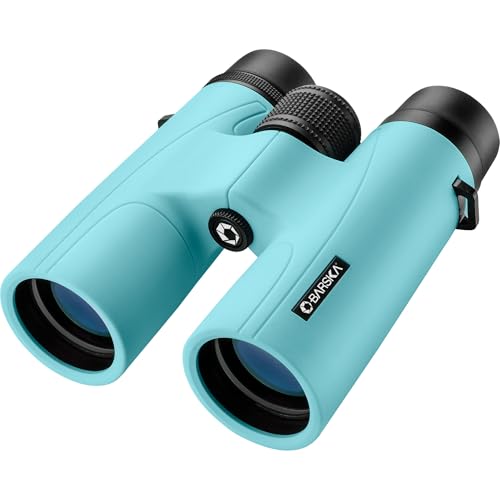


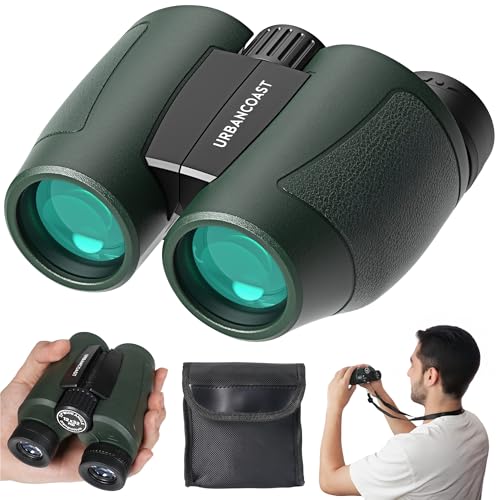

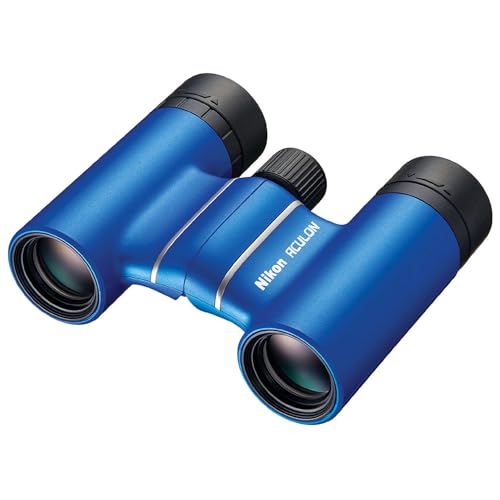
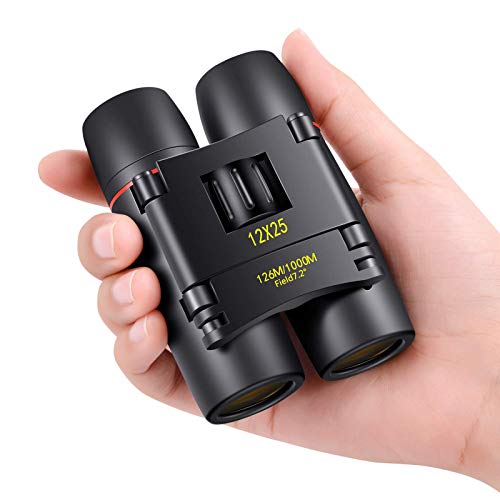
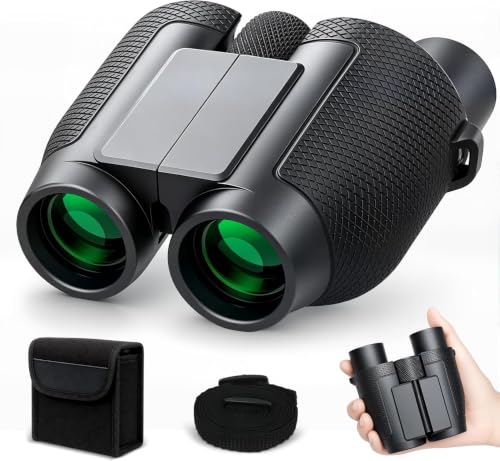


What Matters Most in the Best Binoculars for Concerts
A concert seat creates a specific set of demands. You may be far from the stage, surrounded by other people, and watching under lights that shift from bright spots to deep shadows. You may also need to raise the optic quickly, lower it to rest your arms, and find the performer again without a long search. Each factor below connects directly to one of those moments.
Magnification That Fits the Venue
Magnification is the first number in a size label such as 8x42, and it tells you how much closer the stage will appear. For most indoor arenas and outdoor amphitheaters, 8x magnification gives a steady, wide view that is easy to hold through a long set. Higher magnification, such as 10x or 12x, brings the stage closer still, but it also narrows the view and makes hand movement more visible. If your seats are in the upper rows or far from the stage, that extra reach can help, yet you should expect a smaller field and a greater need for steady support.
Choose magnification for the seat you actually buy, not for the closest seat you might buy one day.
Low Light Performance for Dim Stages
Concert lighting is rarely even. A bright spotlight can sit beside a dark corner of the stage, and a slow song may use only a few soft lights. Objective lens size, the second number in a label such as 8x42, controls how much light enters the optic, and larger objectives generally help in dim conditions. Glass quality and coatings matter too, because they reduce glare and keep contrast strong when lights change.
For a closer look at enclosed venues, see our guide to best binoculars for indoor concerts. Focus on objective size, exit pupil, and coating quality when you compare pairs.
Field of View and Tracking Movement
Field of view describes how much of the stage you can see at once, usually given in feet at 1,000 yards or in degrees. A wider field makes it easier to follow a singer who walks across the stage, a band that spreads out, or a dancer who moves quickly. A narrow field can feel like looking through a tunnel, and you may lose the action each time you move the optic. For a closer look at wider event use, see our guide to best binoculars for sports and concerts.
If you attend shows with large stages or several performers, place field of view near the top of your list, even ahead of a small gain in magnification.
Size, Weight, and Holding Comfort
Concerts last for hours, and a heavy pair can tire your arms long before the encore. Compact models fold smaller and weigh less, which helps if you walk to the venue, use public transport, or need to fit the pair in a small bag. Full size models usually offer brighter views and steadier handling, but they take more space and demand stronger arms. For a closer look at smaller options, see our guide to best compact binoculars for concerts.
Check the grip shape, the balance in your hands, and whether you can reach the focus wheel without shifting your hold. Comfort matters more at a concert than it does during a short glance, because fatigue directly reduces how much you enjoy the show.
Focus Speed and Eye Relief
Focus speed decides how quickly you can sharpen a performer after you raise the optic or after the action moves to a new part of the stage. A smooth central focus wheel that turns without stiffness helps, and a clear diopter adjustment lets you fine tune the view for one eye. Eye relief is the distance from the eyepiece to your eye at which the full view remains visible, and it matters most if you wear glasses. Look for longer eye relief and eyecups that twist up or fold down, so you can keep the full field without pressing the optic against your glasses.
Try both features in a store if you can, because a slow focus wheel becomes more annoying with every song.
Weather Sealing and Build Quality
Outdoor shows add rain, dust, humidity, and temperature changes to the list of concerns. Sealed models resist moisture and internal fogging better than open models, and a rubber armored body improves grip when hands get damp. Check that the hinge moves smoothly without looseness, that the lens covers stay attached, and that the strap attachment feels secure. A sturdy build does not need to be heavy, but it should survive repeated packing, unpacking, and passing through a crowded venue entrance.
For indoor shows only, sealing matters less, yet it still helps if you store the pair in a bag that travels through changing weather.
Spending Levels That Make Sense
Price at a concert is best judged by how often you attend shows and how demanding your seats are. A casual fan in a mid priced seat needs a different level than a frequent attendee in the upper rows of a large arena. The levels below describe what each price range usually buys, without naming any model. Use the product table to compare the options before you settle on a budget.
Budget Level for Occasional Shows
Budget options, often about $50 to $120, suit occasional shows in smaller venues or seats closer to the stage. Expect 8x magnification, a compact or mid size body, and basic coatings that perform well under house lights. The view may lose some contrast in very dim scenes, and the focus wheel may feel less smooth than on higher priced pairs.
Mid Level for Regular Concertgoers
Mid level options, often about $120 to $300, suit regular concertgoers who want brighter low light views, wider fields, and more comfortable eye relief. Glass and coatings usually improve at this level, which helps when stage lighting shifts quickly. You may also get better sealing, a smoother focus wheel, and a more durable hinge. For a closer look at well regarded options in this range, see our guide to best rated binoculars.
This level is a sensible ceiling for most buyers, because the gains above it are smaller unless you attend large arena shows often.
Higher Level for Frequent Live Music Fans
Higher level options, often about $300 and up, suit frequent fans who sit far from the stage, attend outdoor festivals, or need the brightest possible view in dim light. Expect excellent coatings, strong low light contrast, precise focus, and robust sealing. The improvement over mid level pairs is real but gradual, so this level pays off mainly when you use the pair many times a year.
Quick Buyer Checklist
Run through these questions before you buy, and answer each one honestly for your usual venue and seat.
- Do my usual seats need 8x magnification, or would 10x help without making the view too shaky?
- Will I watch mostly in dim light, and does the objective size support that use?
- Is the field wide enough to follow performers across a large stage?
- Can I hold the pair comfortably for a full set without arm fatigue?
- Does the eye relief work with my glasses, if I wear them?
- Does the focus wheel move smoothly and quickly enough for live action?
- Will the pair survive outdoor weather, travel, and repeated packing?
- Does the price match how often I actually attend concerts?
Red Flags to Watch For
Watch for vague magnification claims, missing objective size, or promises of night vision that no standard concert optic can deliver. Be cautious when a listing gives no field of view, no eye relief, and no sealing information, because those gaps make comparison impossible. Very short warranties, unclear return terms, and listings that mix camera terms such as video resolution into a binocular description are also warning signs.
Care and Maintenance Tips
Care for concert binoculars starts with the lenses. Use a soft lens cloth, not your shirt, because fabric can carry grit that scratches coatings over time. Blow loose dust off first, then wipe gently in a circular motion, and keep lens covers on during transport. Store the pair in a dry, padded bag away from direct heat and damp basements, and check the strap and hinge before each show.
Frequently Asked Questions
What features matter most in binoculars for concerts?
Field of view, low light performance, and holding comfort matter most, because they decide whether you can follow the stage, see detail in dim light, and enjoy a long show. Magnification comes next, with 8x suiting most seats and 10x helping only in very large venues. A smooth focus wheel and enough eye relief for glasses also matter, since you will refocus often and may wear the pair for hours.
What specs matter most for beginners?
Beginners should focus on 8x magnification, a 32 mm or 42 mm objective, a wide field of view, and eye relief that suits their glasses or lack of glasses. Those four numbers explain most of the viewing experience without requiring technical knowledge. Weight matters too, because a lighter pair is easier to hold and carry.
What does 8x42 or 10x42 mean?
The first number is magnification, so 8x makes the stage appear eight times closer and 10x makes it appear ten times closer. The second number is the objective lens diameter in millimeters, so 42 mm describes a larger light gathering lens than 32 mm. Larger objectives usually help in dim light, but they also add size and weight. For concerts, 8x42 is a common balance of brightness, stability, and handling, while 10x42 trades a wider view for extra reach.
Is a smartphone enough instead?
A smartphone can record clips and zoom digitally, but digital zoom crops the image and often loses detail, especially in dim concert light. Binoculars give a direct optical view with no screen delay, no battery drain, and no need to hold a phone up through a whole song. Many fans use both, with binoculars for watching and a phone for a few short clips. If your main goal is watching the performance rather than filming it, binoculars usually give the clearer live view.
Which option works better in low light?
A pair with a larger objective, quality coatings, and a generous exit pupil usually works better in low light than a small compact pair with the same magnification. Exit pupil is found by dividing objective size by magnification, so an 8x42 pair gives about 5.25 mm, which suits dim venues well. Coatings reduce glare from stage lights and keep contrast strong when the stage darkens. Avoid relying on magnification alone, because higher magnification without enough light gathering can make a dim scene look darker, not clearer.
Final Thoughts
The right concert optic is the one that fits your seats, your hands, and your show schedule. Prioritize field of view, low light performance, and comfort, then choose magnification and price around those needs. With that approach, choosing the best binoculars for concerts becomes a practical decision rather than a guess, and the next show should feel closer, clearer, and easier to enjoy from start to finish.
Never look at the sun through binoculars, and never point them toward bright stage lasers or other intense light sources. If you notice eye strain, headaches, or blurred vision after a show, rest your eyes and seek advice from an eye care professional if the symptoms persist.


