
Best Comfortable Business Casual Shoes 2026: Buying Guide
Disclosure: We may earn a commission when you buy through links on this page, at no extra cost to you. As an Amazon Associate I earn from qualifying purchases. Learn more

Choose the best comfortable business casual shoes by fit, cushioning, dress code balance, leather care and all day comfort at work.
Choosing best comfortable business casual shoes means finding a shoe that looks polished for work yet feels good after a full day of meetings, corridors, and commutes. Business casual sits between formal dress shoes and casual sneakers, so the right shoe must balance appearance with cushioning, support, and durability. A shoe that looks smart but pinches by lunch will not survive a work week.
The comparison table below outlines the main business casual shoe styles, and the sections that follow explain how to judge them. You will learn how to balance dress code and comfort, choose materials, and check fit for all day wear.
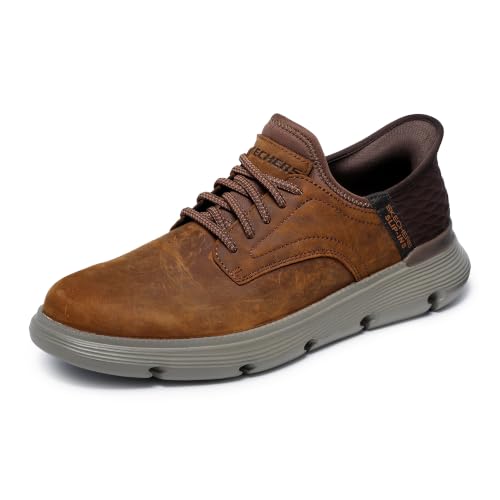
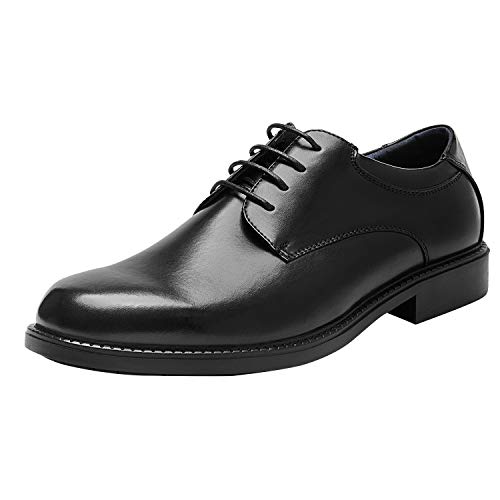


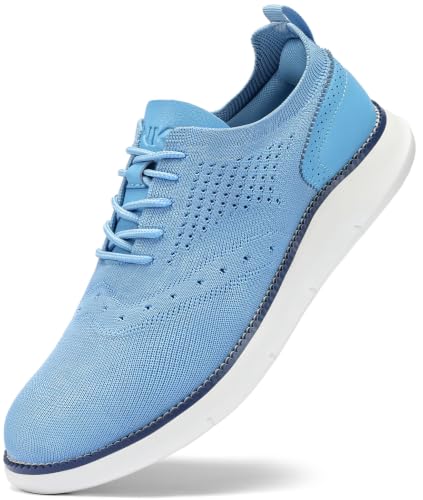


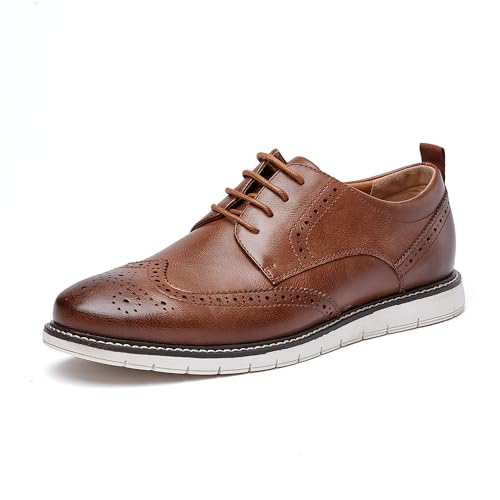


What Business Casual Really Means for Shoes
Business casual dress codes vary by workplace, but shoes usually need to look neat, clean, and intentional, without the formality of a full dress shoe. Loafers, derbies, clean leather sneakers, and smart brogues often fit, while athletic running shoes and very casual sandals usually do not. Check your office examples before you buy, because dress codes differ widely.
Color should complement work outfits. Black, dark brown, and tan cover most business casual wardrobes, while navy can work with cooler outfits. Choose a color that matches several outfits, rather than a bold color that only works with one look.
Material affects both appearance and comfort. Leather looks polished and molds to your foot over time, while suede feels softer but needs more care. Synthetic leather can look smart at a lower price, but it may breathe less well during long days.
Fit and Cushioning in the Best Comfortable Business Casual Shoes
Check fit with work socks and after walking, not just while seated. Your toes need room, your heel should stay put, and the shoe should flex at the forefoot where your foot bends. A shoe that feels tight across the toes in the store will rarely become comfortable at work.
Cushioning should support standing and walking, not just sitting. Look for a cushioned insole that rebounds, a supportive arch area, and a sole that absorbs impact without feeling unstable. If you use custom insoles, choose a shoe with a removable insole.
Break in time matters for work shoes. Leather shoes may need a few wears to soften, while softer materials may feel comfortable immediately. Wear new shoes for short periods first, and keep a backup pair for long days during the break in period.
Style, Durability, and Workplace Practicality
Style should suit your daily tasks. If you walk between buildings, choose a sole with grip and weather resistance. If you sit most of the day, prioritize insole comfort and a clean upper. If you meet clients, prioritize a polished finish and tidy laces or straps.
Durability depends on sole construction, stitching, and upper material. A well stitched leather shoe with a replaceable sole can last years, while a glued fashion shoe may wear quickly under daily use. Check sole bonding and heel construction before you buy.
For business casual options, compare best business casual shoes for general styles and best men's business casual shoes for men focused fits. Women focused options appear in best business casual shoes women's, while work focused comfort is covered in best business casual work shoes.
Care, Rotation, and Budget
Care keeps business casual shoes looking smart. Brush or wipe leather regularly, condition it occasionally, and use shoe trees to hold shape between wears. Suede needs a protective spray and a suede brush, while synthetic uppers need simple wiping and drying.
Rotation extends shoe life and comfort. Alternating two pairs lets each pair dry and recover shape, which reduces odor and wear. If you wear one pair daily, it will wear faster and feel less supportive sooner than a rotated pair.
Budget should reflect daily use. A work shoe worn five days a week deserves a sturdier, more supportive build than an occasional shoe. A slightly higher price for a well made, resoleable shoe often costs less over time than replacing cheap shoes frequently.
Getting More From Your Choice
Think about your commute as part of the shoe choice, because a business casual shoe often handles walking, public transport, and office floors in one day. A shoe that looks perfect at your desk may struggle on wet pavement or long station walks. Choose a sole and upper that cope with both, or keep a separate commuting pair and change at the office if your workplace allows it.
Dress codes can also shift across the week. A versatile shoe that works for client meetings and casual Fridays saves money and closet space. Dark, clean shoes with a simple design adapt best, while bold colors or sporty details may only suit relaxed days.
Standing, walking, and sitting in the same shoes for five days can reveal fit problems that a single try on hides. Rotate pairs, add a supportive insole if needed, and note any rubbing early, since a lacing change or insole often fixes a small issue before it becomes a blister. Review your rotation every six months and replace shoes that have lost support or look worn beyond repair, even if they still feel familiar.
Frequently Asked Questions
Can business casual shoes be comfortable all day?
Yes, if they offer good fit, rebounding cushioning, and arch support alongside a polished look. Try shoes by walking for several minutes with work socks, not just by standing. A shoe that pinches or slips in the store will not improve enough at work.
Are leather sneakers acceptable as business casual shoes?
In many modern offices, clean leather sneakers with a minimal design are acceptable, but dress codes vary. Check your workplace examples and choose a tidy, dark colored pair without athletic branding. When in doubt, choose a loafer or derby instead.
How do I break in business casual shoes?
Wear new shoes for short periods at first, with work socks, and increase wear time gradually. Use shoe trees between wears, and keep a backup pair for long days. Leather softens over time, but persistent pinching signals a fit problem, not just break in.
Should business casual shoes have arch support?
Moderate arch support helps for all day standing and walking, especially on hard office floors. Choose a contoured insole or a removable insole that lets you add support. If foot pain persists, talk with a clinician or podiatrist for personal advice.
How do I keep business casual shoes looking smart?
Brush or wipe uppers regularly, condition leather occasionally, and store shoes with trees to hold shape. Rotate pairs to let them dry, and repair soles or heels promptly. Regular care keeps even moderately priced shoes looking professional.
Final Thoughts
Balance dress code with fit, cushioning, and durability, and try shoes with work socks over a real walk. Choose a versatile color, care for leather or suede properly, and rotate pairs to extend comfort and life.
With those habits, best comfortable business casual shoes can look smart and feel good through a full workday. The product table above can help you compare business casual styles before you buy.


