Best Business Casual Shoes for 2026: Styles, Fit, and Care
Disclosure: We may earn a commission when you buy through links on this page, at no extra cost to you. As an Amazon Associate I earn from qualifying purchases. Learn more

Learn which of the best business casual shoes suit your office, from loafers to dress sneakers, and what to check for comfort and fit.
Business casual is the dress code that confuses people the most, and shoes are where the confusion shows. Too formal and you look like you are heading to a wedding; too relaxed and you look like you forgot a meeting. The best business casual shoes sit in the middle: clean lines, muted colors, and enough cushioning to survive a full day of meetings, commutes, and hallway walking.
This guide explains what actually separates a good pair from a forgettable one, how to match styles to your office, and how to avoid the mistakes that lead to sore feet and early replacements. The product table above lists current picks for men and women; use the sections below to decide which style suits your week.




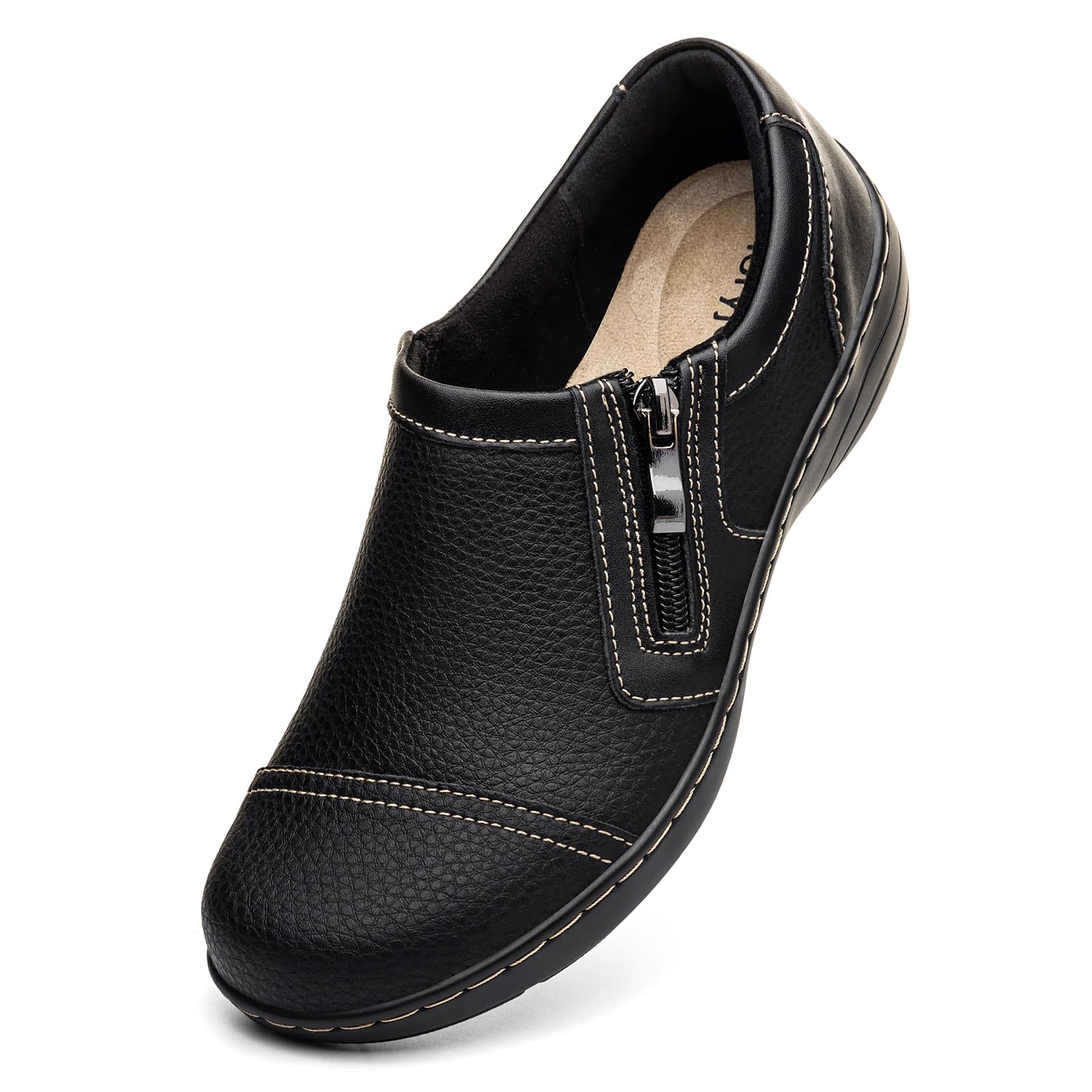

What Counts as Business Casual Footwear
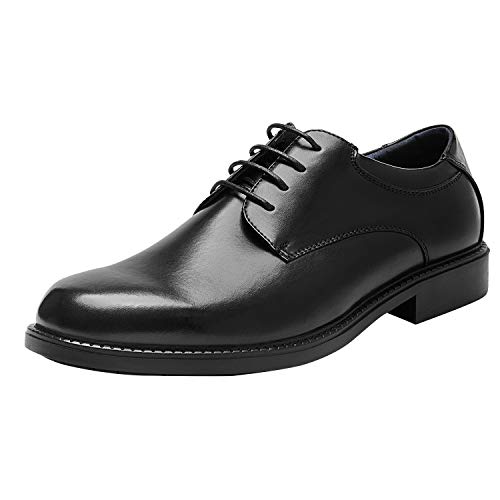
Business casual footwear is a step down from formal dress shoes and a step up from athletic sneakers. In practice that means leather, suede, or quality synthetic uppers in black, brown, navy, or gray; a low profile; and a sole that does not shout. Loafers, derbies, clean leather sneakers with minimal branding, ankle boots, and polished flats all belong in the category.
What does not belong: bright athletic soles, heavy lug outsoles, flip-flops, canvas shoes that look worn, and anything with loud logos. Offices vary, so look around on your first week. A design studio may welcome white leather sneakers, while a bank may expect leather lace-ups. When unsure, choose the more polished option, because it is easy to dress a polished shoe down with jeans and hard to dress a casual shoe up.
Styles of Business Casual Shoes Worth Knowing
Loafers and Slip-Ons
Loafers are the easiest business casual shoe to live in. They slide on in seconds, look sharp with chinos or tailored trousers, and work for both men and women. Penny and tassel styles feel traditional; plain moc-toe styles feel modern. Check that the heel grips, because a loafer that slips at the back will rub within a week.
Derbies and Oxfords
Lace-ups give the most secure fit and the most professional look. Oxfords have closed lacing and read more formal; derbies have open lacing, adjust better for wider feet, and suit business casual more naturally. A brown or dark tan leather derby pairs with almost every office outfit.
Dress Sneakers
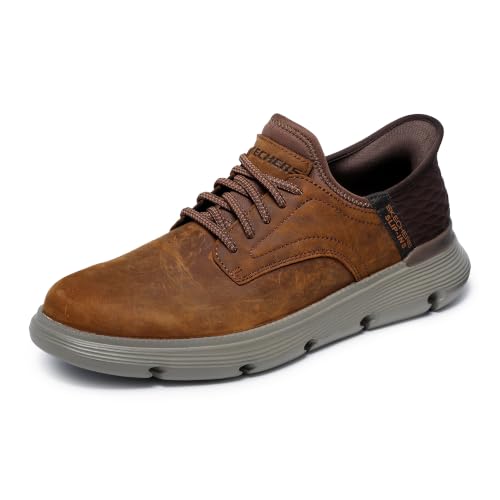
Leather or suede sneakers with a thin sole and no visible branding have become common in relaxed offices. They offer sneaker comfort with a cleaner look. Keep them spotless, because scuffed white soles undo the effect quickly.
Flats, Mary Janes, and Low Heels
For women, polished flats, low block heels, and Mary Janes provide a business casual look with far better comfort than high heels. Look for a cushioned insole and a heel under about two inches if you walk or stand for much of the day.
Features That Decide Comfort and Value
- Upper material: Genuine leather breathes, molds to the foot, and polishes well. Suede looks softer but needs protection from water. Synthetic leather costs less and wipes clean, though it breathes less and can crack with age.
- Insole and cushioning: A removable insole lets you add an orthotic if you need one. Padded collars and a flexible forefoot reduce fatigue.
- Outsole grip: Rubber soles grip polished office floors and wet pavements. Leather soles look elegant but slip easily and wear faster.
- Construction: Stitched soles last longer and can be resoled. Glued soles are lighter and cheaper but usually end up in the bin when worn.
- Width and toe box: A roomy toe box prevents blisters. If you have wide feet, look for brands that offer wide sizes rather than buying a larger length.
Matching Shoes to Your Workplace
Traditional Offices
Finance, law, and client-facing roles reward conservative choices: leather derbies, plain loafers, and low heels in black or dark brown. Keep details minimal and polish them regularly.
Creative and Hybrid Workplaces
Studios, agencies, and hybrid teams allow more personality. Suede loafers, dress sneakers, and ankle boots work well, as long as they look clean and intentional.
Commuter-Heavy Days
If you walk a long way to work, comfort matters more than anything else. Choose cushioned soles and a stable heel, and consider keeping a second polished pair at the office so your good shoes avoid the rain and pavement.
Budget: What Your Money Buys
The price of the best business casual shoes depends more on leather and construction than on brand names.
Pairs under about $50 can look neat and suit occasional office days, though cushioning and leather quality are modest. Between about $50 and $120 you usually gain better insoles, sturdier stitching, and more refined shapes, which is the sweet spot for five-day wear. Above that, you are paying for full-grain leather, stitched construction, and the ability to resole, which makes sense if you wear the same pair weekly for years.
A rotation of two pairs lasts longer than one pair worn daily, because leather needs a full day to dry and recover its shape between wears.
Fit and Sizing Tips
Try shoes on in the afternoon, when feet are slightly larger, and wear the socks you plan to use at work. Walk on a hard floor for several minutes. Your heel should stay put, your toes should have room to move, and nothing should pinch at the widest part of the foot. New leather softens a little, but shoes that hurt on day one rarely become comfortable. Keep the return window open until you have worn them for a full day. If foot pain persists, talk with a podiatrist or your doctor about support options.
Care That Extends Life
Brush off dust after wearing, and condition leather every few weeks. Use cedar shoe trees to hold shape and absorb moisture. Protect suede with a spray made for it, and dry wet shoes at room temperature rather than next to a heater. Replace worn heel caps early, since an uneven heel changes how you walk and wears out the rest of the shoe.
Related Guides
If you shop for a specific group, see men's business casual shoes or women's business casual shoes. For all-day comfort, read comfortable business casual shoes, and for office-specific picks see business casual work shoes.
Frequently Asked Questions
Can I wear sneakers in a business casual office?
Clean, minimal leather or suede sneakers in neutral colors work in relaxed offices. Athletic running shoes with bold colors usually look too casual. Check what colleagues wear first.
Are loafers or lace-ups better?
Lace-ups fit more securely and look more formal; loafers are easier to wear and still look professional. Many people own one of each and choose by the day's meetings.
What colors are safest?
Black, dark brown, and navy cover most wardrobes. Tan and oxblood add variety without looking casual.
How long should a good pair last?
With rotation and basic care, a decent leather pair typically lasts several years of regular office wear, and stitched soles can be replaced when they wear down.
Do I need to break them in?
A well-fitting pair needs only a little softening. If a shoe hurts in the store, it is the wrong shoe or the wrong size.
Final Thoughts
The best business casual shoes are the ones that look appropriate for your office and still feel good at six in the afternoon. Start with your workplace norms, pick a style you can wear with most of your wardrobe, and prioritize fit and cushioning over trends. Compare the picks in the product table above, check the return policy, and keep your best pair in rotation with a second one.