
Best Comfy Winter Boots for 2026: What Actually Matters Before You Buy
Disclosure: We may earn a commission when you buy through links on this page, at no extra cost to you. As an Amazon Associate I earn from qualifying purchases. Learn more

Judge the best comfy winter boots on fit, cushioning, support, waterproofing and traction with this practical checklist.
Comfort in winter rarely comes from insulation alone. A boot can feel warm in the store and still leave you sore after an hour on cold pavement, so it helps to judge every pair against the same simple checklist. When you shop for best comfy winter boots, look past the soft lining and check fit, cushioning, support, waterproofing, and grip together, because one weak area can undo all the others.
This guide walks through that checklist step by step, then shows you how to match a pair to your daily routine. Use the comparison table below to line up the basic specs side by side, and if you want a broader starting point first, see our guide to the best winter boots for general cold weather coverage.
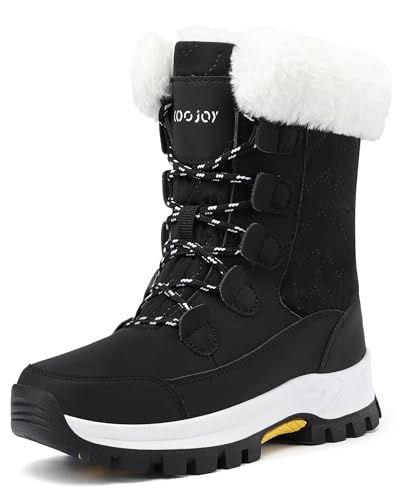





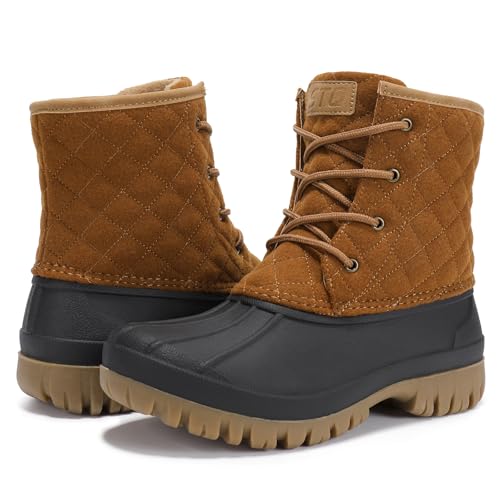


A Checklist for Judging Winter Boot Comfort
Think of comfort as a score across seven areas rather than a single soft feeling. A pair that passes most checks below will usually serve you well, while a pair that fails on fit or traction will disappoint. Work through each area in order when you try boots on.
Fit, Sizing, and Toe Box
Measure your feet late in the day, when they are at their largest, and try boots on while wearing the thick socks you plan to use outdoors. Your toes should lie flat with a small gap in front, about a thumb width, so they can spread and wiggle without pressing the end. A roomy toe box matters more in winter than in summer shoes, because squeezed toes lose circulation and feel cold faster. If one foot is larger, fit that foot and use a thicker insole in the other boot.
Cushioning and Support
Look for a midsole that feels cushioned under the heel and ball of the foot without collapsing when you press your thumb into it. A modest heel to toe drop, often around 8 to 12 mm, suits most walkers because it keeps your stride natural on flat ground. Good cushioning should absorb the shock of frozen pavement, yet the boot should still feel steady when you stand on one foot.
Comfort Out of the Box and the Break In Period
Soft lined winter boots often feel good right away, but stiff leather or tall shafts can need a short break in period of several short walks before they flex naturally. Mild stiffness around the ankle is normal at first, while sharp rubbing, heel slipping, or pinching across the toes is not. If a hot spot appears in the same place every time, the shape is wrong for your foot.
Waterproofing, Gore Tex, and Breathability
A waterproof membrane such as Gore Tex keeps slush and meltwater out, which matters if you walk through wet snow, puddles, or treated sidewalks. Sealed seams and a gusseted tongue, where the tongue attaches to the upper on both sides, stop water from sneaking in around the laces. The trade off is airflow, since waterproof boots are less breathable and can feel warm indoors. If your winters are cold but mostly dry, a water resistant leather upper may feel more comfortable than a fully sealed boot.
Durability and Expected Lifespan
Check the stitching where the upper meets the sole, and look for a rubber rand or reinforced toe that shrugs off scrapes against curbs and ice chunks. A boot worn daily through one winter of commuting can cover hundreds of miles, so dense outsole rubber and solid hardware for the laces are worth paying for. With basic care, a well built pair should stay comfortable for several winters.
Arch Support and Foot Type
Your arch shape decides how much built in support you need. Flat feet often feel best with firm arch support and a stable heel, because the boot helps limit inward rolling of the foot, sometimes called overpronation. High arches usually need more cushioning, since the foot absorbs less shock on its own. If you normally wear neutral shoes for everyday walking, a moderate insole will likely suit you, and many winter boots accept a replacement insole if the stock one feels thin.
Outsole Traction and Terrain
Turn the boot over and study the outsole before anything else if you walk on ice. Deep lugs, around 4 to 5 mm, bite into packed snow, while softer rubber compounds grip cold, slick surfaces better than hard rubber that turns stiff in low temperatures. Wide spacing between lugs sheds snow instead of packing it into a smooth, slippery layer. Smooth fashion soles fail this check quickly, no matter how warm the boot is.
Buying Guidance for Your Kind of Winter Day
The product table above gives you the raw specs, but the right balance of features depends on how you actually spend your winter days. The three patterns below cover the most common routines, so match your days to one of them before you decide which specs deserve the most weight.
Daily Commuting and Errands
If your winter walking is mostly cleared sidewalks, parking lots, and short waits at a bus stop, prioritize cushioning, moderate insulation, and a lighter weight that will not tire your legs. A waterproof upper handles sloppy crossings and keeps the boot easy to wear under pants. Many commuters pay around $80 to $150 for this balance. Women who want a narrower fit and lower shaft options can also see our guide to the best ladies winter boots for styles shaped with those needs in mind.
Long Shifts and Outdoor Work
Standing or walking for hours on cold ground calls for the strongest support you can find, with a firm heel counter, real arch support, and insulation under the foot as well as around it, since cold creeps up through the sole. Men comparing sturdy work ready options can start with our best boots men winter guide, which focuses on that kind of daily wear. Budget about $120 to $200 for boots built for this workload.
Deep Snow and Rural Use
For unplowed driveways, country roads, and time spent outdoors with kids or dogs, choose a taller shaft, aggressive lugs, and insulation rated for well below freezing. A removable liner helps because it dries faster overnight and lets you adjust warmth with different socks. Readers shopping for a taller, tougher pair can compare notes in our guide to the best winter boots for guys, and our best man winter boots guide covers similar ground with a work and outdoor focus.
Quick Buyer Checklist
Run through these questions before you order, and again when the boots arrive. A good pair should earn a yes on nearly every line, and this quick pass keeps your search for best comfy winter boots grounded in fit rather than marketing.
- Can you wiggle your toes freely while wearing your thickest winter socks?
- Does your heel stay put with almost no lift as you walk across the room?
- Is the insulation matched to your coldest typical day rather than a rare extreme?
- Does the outsole have deep lugs and rubber that still flexes in the cold?
- Is the upper waterproof or water resistant in the way your weather requires?
- Can the insole come out if you want to use your own for extra support?
- Does the return policy let you wear the boots indoors for a few days?
Red Flags to Watch For
Some listings look warm and capable but hide weak details. Slow down when you spot vague insulation claims with no gram weight or temperature guidance, because serious brands state how much insulation a boot carries. Be cautious with soles that look rugged in photos but feel hard and shallow in person, and with linings glued so thinly that they bunch at the toes. Very short warranty coverage on stitching and soles can signal low confidence from the maker. Finally, treat a flood of glowing reviews that never mention fit or sizing as a warning sign.
Common Mistakes to Avoid
- Buying your summer shoe size, so thick socks crowd your toes and your feet feel colder instead of warmer.
- Choosing insulation by the highest rating alone, so your feet sweat indoors and then chill once you step back outside.
- Ignoring the outsole because the upper looks warm, so the first icy sidewalk turns every step into a careful shuffle.
- Wearing thin cotton socks, so moisture stays against your skin and blisters form on longer walks.
- Keeping boots that pinch during a short store try on, so a small pressure point becomes a painful blister within a week.
- Storing wet boots beside a heater all winter, so the leather dries out, cracks, and loses its water resistance.
Care Tips to Keep Winter Boots Comfortable
After a wet day, pull the insoles out and let the boots air dry at room temperature with the tongues open, away from direct heat that can crack leather and warp linings. Stuffing them loosely with newspaper for the first hours helps draw out moisture. Brush off road salt as soon as you can, because salt stains and dries leather, and wipe the outsole lugs clear of packed grit so the tread keeps its bite. Treat leather uppers with conditioner once or twice a season, and check heel linings each fall.
Frequently Asked Questions
How should comfy winter boots fit around the toes and heel?
Comfy winter boots should feel snug at the heel and midfoot, with open space around the toes. Aim for about a thumb width between your longest toe and the end of the boot while standing. One fitting trick the size chart will not tell you is to press your foot forward until your toes touch, then check that one finger fits behind your heel. If it does not, the length is likely off.
Can comfy winter boots be worn comfortably for a full work shift?
Yes, comfy winter boots can handle a full shift if the support matches your feet and you build up wear time gradually. Start with a few hours at a time during the first week so your feet adjust to the stiffer sole. A useful shift trick is to loosen the laces slightly at midday, because feet swell as the day goes on and morning tightness can turn into afternoon aching.
Are higher priced comfy winter boots worth the extra cost?
Higher priced comfy winter boots are worth it when the extra money buys denser outsole rubber, thicker insulation, and stronger stitching rather than styling alone. Boots around $150 to $250 often last several winters, which can cost less per season than replacing a cheap pair yearly. One detail worth checking is the insole quality, since pricier pairs usually include a shaped, cushioned insole that budget pairs skip entirely.
Do comfy winter boots need waterproofing for dry, cold climates?
Comfy winter boots do not always need full waterproofing where winters stay cold and dry, because powdery snow brushes off before it melts. A water resistant upper is usually enough there, and it breathes better during active days. Keep in mind that one warm afternoon can turn stored snow into slush, so if your route crosses sunny streets or parking lots, some level of water protection still earns its place.
How often should comfy winter boots be replaced?
Comfy winter boots should be replaced when the cushioning feels flat, the lugs wear smooth, or the lining tears, which often happens after three to five winters of regular use. A simple home check is to set the boots on a flat surface and look from behind, since a heel that leans inward shows the support structure has broken down. Replace them before that lean starts changing how your knees and ankles feel on walks.
Final Thoughts
Comfort in winter comes down to three checks above all, namely honest fit with room in the toe box, support that matches your arches, and an outsole that grips the surfaces you actually walk on. Get those right and insulation and waterproofing can do their jobs properly. Use the product table above to compare pairs against this checklist, and choose the best comfy winter boots for the days you really live, not the coldest day you can imagine.


