
Best Casual Shoes 2026: Buying Guide
Disclosure: We may earn a commission when you buy through links on this page, at no extra cost to you. As an Amazon Associate I earn from qualifying purchases. Learn more

Compare casual shoes by fit, cushioning, material and sole, then choose a pair that stays comfortable through work, errands and weekends every day.
The best casual shoes should disappear on your feet, letting you walk, stand and move without thinking about them. The product table below lets you compare current options for comfort, support and use before you buy.
Before you choose, think about your longest day on foot, the surfaces you walk on and whether you need a shoe that also looks smart. A soft slip on may suit short trips, while a laced shoe with firmer support suits a full day out.
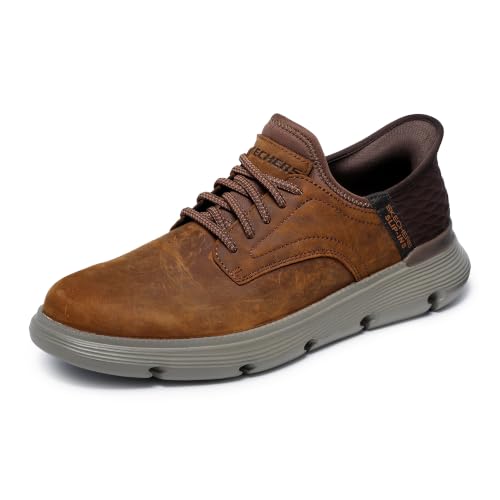


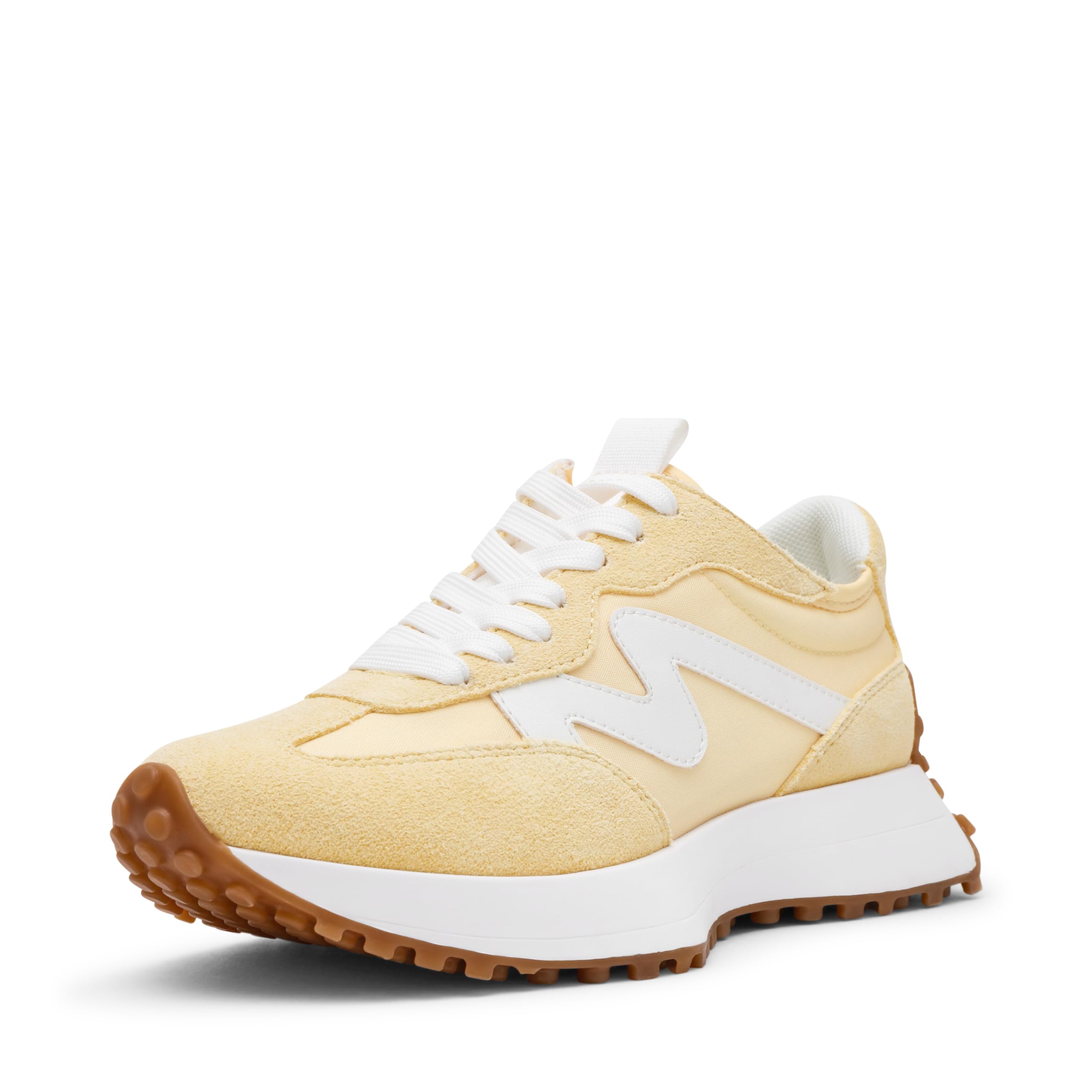

Who Should Buy This Style
Casual shoes suit almost everyone for daily life, from office commutes and school runs to shopping, travel and relaxed weekends. They work best when you need one pair that handles many settings without looking sporty or formal.
They suit less well for running, hiking on rough trails or jobs that need safety toes or waterproof boots. For those tasks, choose a shoe built for that activity, and keep casual shoes for everyday wear.
Key Features to Compare
Fit and Toe Room
Fit is the most important feature, because even a well made shoe hurts if it squeezes your toes. Measure both feet in the afternoon, leave room for your toes to spread, and check that your heel stays put without slipping. Try both shoes and walk on a hard floor before you decide.
Cushioning and Support
Soft cushioning feels good at first, but it should not collapse under your arch or heel. Look for a stable heel, a supportive midsole and a removable insole if you use orthotics. A shoe that feels bouncy in the shop should still feel stable after an hour of walking.
Upper Material
Leather uppers last well and look smarter, while knit and canvas uppers breathe better in warm weather. Suede looks soft but needs more care in rain. Choose a material that matches your climate and how often you are willing to clean the shoes.
Sole and Grip
A rubber sole grips pavements and indoor floors better than a smooth sole, which matters in rain or on polished floors. Check the tread depth and whether the sole flexes near the toes. A very flat sole may feel hard on long days, while a slightly rockered sole can ease walking.
Types Compared
Laced Sneaker Styles
Laced sneakers offer the best adjustability, because you can tighten the midfoot and leave toe room. They suit all day wear, travel and varied foot shapes. They take a little longer to put on than slip ons, but they usually fit more securely.
Slip On Styles
Slip on shoes suit quick trips, airports and anyone who dislikes laces. They rely on elastic or a snug collar to stay on, so fit is critical. They suit shorter walks best, because they can slip or rub on long days.
Leather Casual Shoes
Leather casual shoes look smarter and last longer with care, which makes them a good work and weekend pair. They need a short break in period and regular cleaning. They suit office days and dinners better than sporty knit shoes.
Budget and Value
Budget casual shoes usually cost about $40 to $80 and cover short daily wear well. Mid range pairs at about $80 to $150 offer better cushioning, stronger soles and more durable uppers. Premium pairs above that range focus on quality leather, resoleable construction and refined fit.
Pay for fit and sole quality first, because those decide comfort over a full day. A mid range pair that fits well often lasts longer than two cheap pairs that hurt or wear out. Rotate two pairs if you walk a lot, because rest days help shoes keep their shape.
Setup, Care and Everyday Use
Air shoes after wear, clean them as the maker directs, and avoid machine washing leather or suede. Use shoe trees for leather pairs, replace worn insoles, and check the heel and sole edge before they wear unevenly. Keep a second pair for wet days so one pair can dry fully.
If you notice persistent pain, swelling, numbness or color change in your feet, ease back and talk with a clinician. Foot comfort advice here is general, and ongoing pain deserves professional advice rather than a new shoe alone. Stop wearing a pair that causes blisters every time.
Related Guides Worth Reading
For a closer look at related options, read our guides to best casual shoes for men, best casual shoes for women, best business casual shoes, and best casual walking shoes.
Common Mistakes to Avoid
One common mistake is buying a larger size to fix a narrow fit, which leaves your heel slipping while your toes still feel squeezed. Another mistake is judging comfort after a few steps in the shop, when feet have not yet warmed or swollen. Walk for several minutes, try both shoes, and test them late in the day.
Do not ignore sole wear, because a worn heel edge changes your gait and can cause knee or ankle soreness over time. Check heels and soles monthly if you walk daily, and replace shoes when wear becomes uneven. Comfort depends on a level, supportive base.
Long Term Value
Long term value comes from a shoe you wear often without pain, not from a bargain pair that stays unworn. A mid range pair with a durable sole and a removable insole often lasts longer than two cheap pairs. Rotation helps too, because resting shoes between wears preserves cushioning.
Keep one pair for daily wear and another for wet or rough days, so neither pair stays damp for long. Dry shoes at room temperature, never on a radiator, because heat can warp soles and shrink leather.
Frequently Asked Questions
How do I find my casual shoe size?
Measure both feet in the afternoon while standing, because feet swell and lengthen under weight. Use the larger foot as your guide and leave about a thumb width of room in front of your longest toe. Try the shoes with the socks you normally wear, and walk indoors before you commit.
Are expensive casual shoes worth it?
Expensive shoes can be worth it if they offer better leather, a resoleable sole or a fit that suits your foot shape. They are not worth it if they pinch or clash with your wardrobe. Judge value by comfort after a full day and by how long the sole and upper last.
Can casual shoes be worn for walking exercise?
Light walking works well in many casual shoes, but longer brisk walks suit a walking shoe with firmer support and better cushioning. If you walk for exercise most days, choose a shoe built for walking and keep casual shoes for shorter outings. Your feet will feel the difference over distance.
How often should I replace casual shoes?
Replace casual shoes when the midsole feels flat, the heel wears unevenly or the upper tears at flex points. Daily wearers may need a new pair within a year, while occasional wearers can keep a pair much longer. Rotation and proper drying extend the life of any pair.
What is the best casual shoe for wide feet?
Wide feet need a wide last or a wide size, not just a larger length, because a longer shoe can still squeeze across the forefoot. Look for brands that offer wide widths, a roomy toe box and soft uppers that stretch slightly. Try the pair in the afternoon, when your feet are at their largest.
Are slip on casual shoes supportive enough?
Some slip on shoes offer good arch support and a firm heel, while others rely on a loose fit that slips during walking. Check heel hold, midsole firmness and whether an insole can be added. If the shoe slips or twists easily, it will not support you well on a long day, no matter how soft it feels.
Final Thoughts
Choose fit first, then a style that matches most of your week. A comfortable pair you reach for every day is worth more than a stylish pair that stays in the closet.
The product table above summarizes the main casual styles, and the best casual shoes for you are the ones that feel easy from the first full day and suit your daily routine.


