Best Business Casual Shoes Women's: Styles, Fit and Comfort for 2026
Disclosure: We may earn a commission when you buy through links on this page, at no extra cost to you. As an Amazon Associate I earn from qualifying purchases. Learn more

Compare the best business casual shoes women's offices accept by fit, cushioning and materials for all day comfort.
Business casual shoes for women have to look polished, move easily from desk to meeting to commute, and stay comfortable for eight hours or more. The best business casual shoes women's wardrobes can use come in several shapes, from loafers and flats to low block heels and ankle boots, and the right one depends on your dress code, your feet and how much you walk. This guide breaks down the styles, the features that matter and the mistakes that lead to sore feet.
Use the product table to compare current options, then read on to match a style to your day.






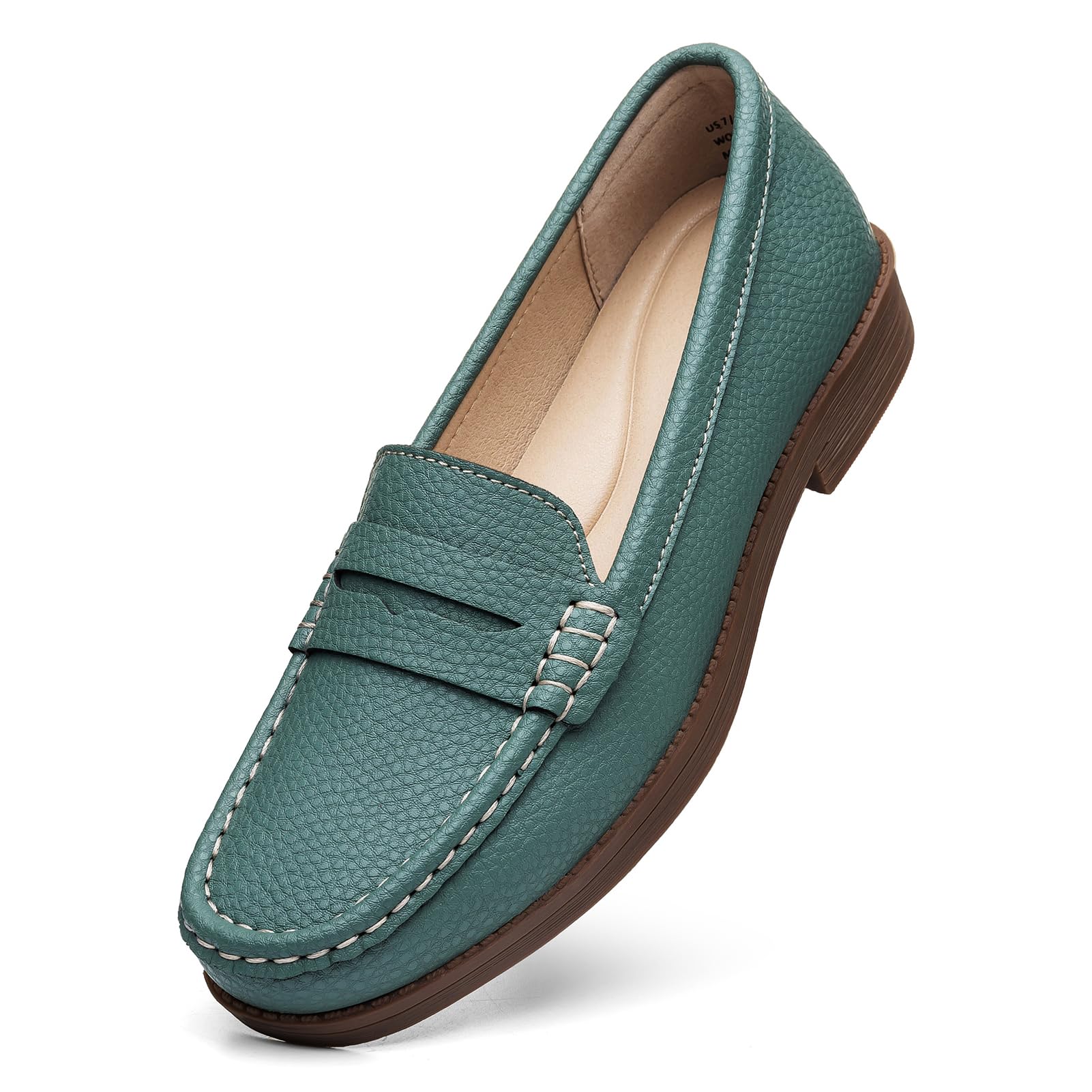
Main Styles of Women's Business Casual Shoes
Loafers
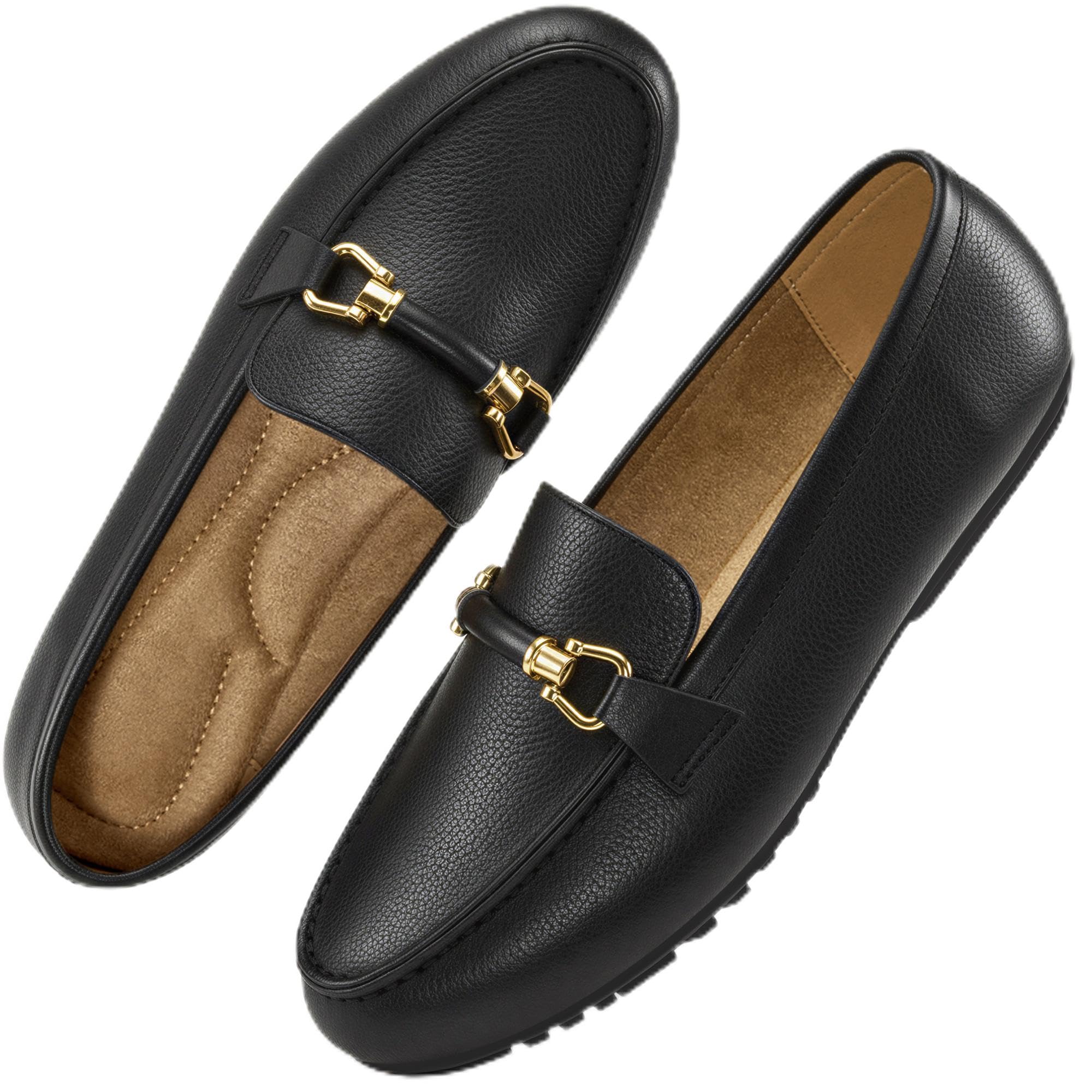
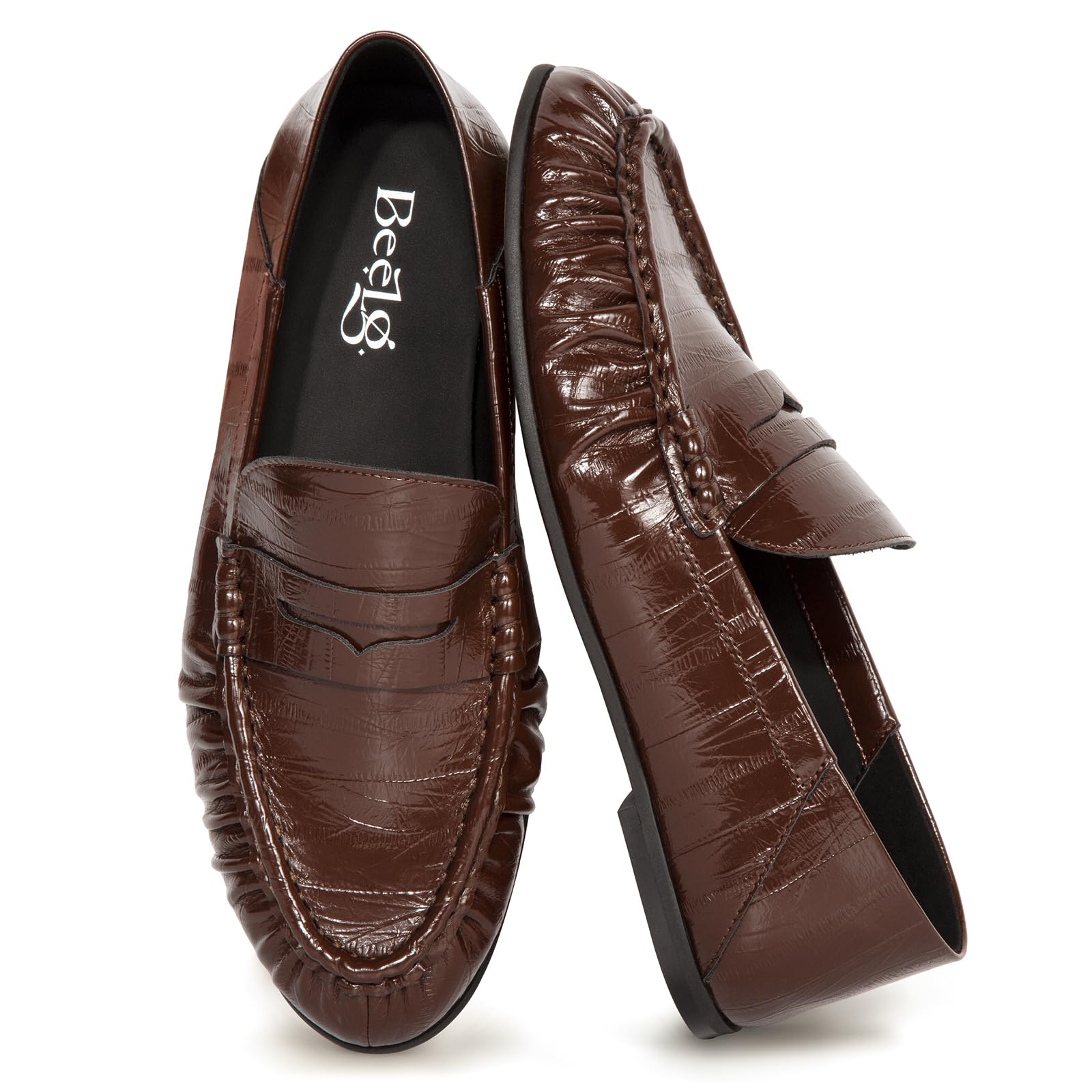
Loafers are the easiest choice for a smart casual office. Penny, tassel and horsebit styles look polished with trousers and skirts, while soft leather versions feel almost like slippers. A roomy toe box and a secure heel make them comfortable for long days.
Ballet Flats and Pointed Flats
Flats suit dresses, skirts and cropped trousers. Look for cushioned insoles, a firm heel counter and a bit of arch support, because thin flats can tire feet quickly. Pointed toes elongate the leg, while rounded toes give more room.
Low Block Heels and Mary Janes
A heel of one to two inches adds polish without much strain. Block heels spread weight better than slim heels, and Mary Janes with a strap keep the foot secure.
Ankle Boots and Mules
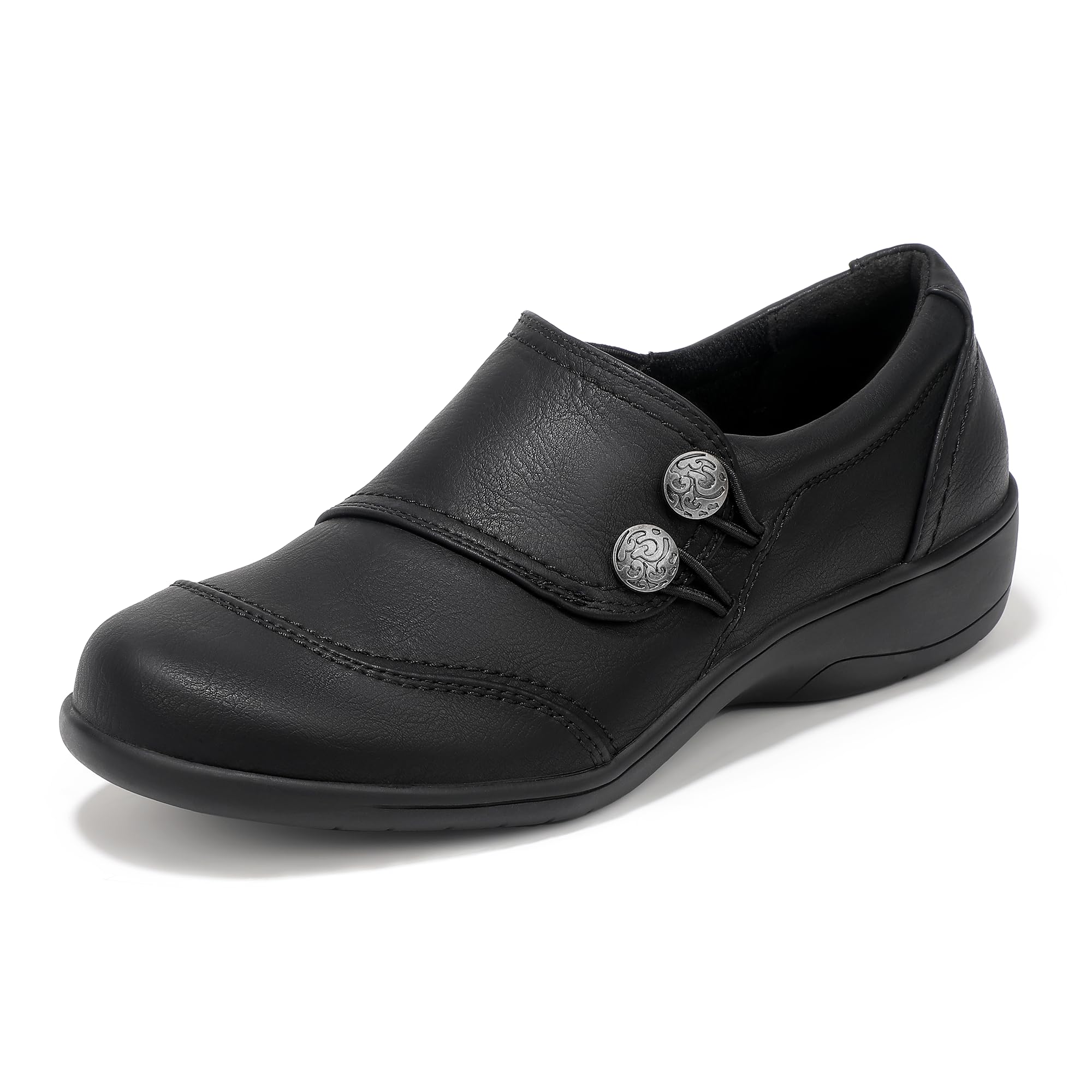
Ankle boots add structure in cooler months, and closed toe mules offer a sleek slip on option for warmer weather. Check that the heel stays put when you walk.
Leather Sneakers
Clean, low profile leather sneakers suit creative offices and commuting days. Pair them with tailored pieces so the outfit still reads as business casual.
Who Should Buy Which Style
For Traditional Offices
Smooth leather loafers, closed toe flats and low block heels in black, navy, brown or nude suit stricter dress codes.
For Hybrid and Commuting Days
Choose cushioned loafers or sneaker hybrids that can handle a train platform and a meeting room. Our guide to the best business casual shoes for walking women's goes deeper on comfort for long distances.
For Standing at Work
Choose a shoe with a cushioned, supportive insole, a stable base and slip resistant outsole. Avoid thin, flat soles that offer no support.
For Travel
Lightweight flats or loafers in dark colors pack easily and hide scuffs.
Key Features to Compare
Fit, Sizing and Toe Box
Shop in the afternoon, when feet are slightly larger, and wear the socks or hose you use at work. Leave about a thumb width of space in front of the longest toe and make sure the heel does not slip. If you have wide or narrow feet, look for true width options.
Cushioning and Arch Support
A cushioned insole with firmer support underneath keeps feet comfortable late in the day. Removable insoles allow you to add orthotics. A shoe that feels plush at first but flattens quickly will tire you by the afternoon.
Upper Materials and Breathability
Leather molds to the foot and lasts, while suede is soft but marks. Knit and mesh uppers breathe well and feel flexible from the first wear. Synthetic uppers cost less but breathe less.
Outsole and Grip
Rubber soles give grip on polished floors and wet pavement. Leather soles look elegant but can slip.
Heel Height and Stability
Lower, wider heels are steadier and kinder to your feet. Choose a height you can walk in comfortably for a full day.
Price Ranges
Pairs at about $30 to $60 suit light use and trying a new style. Mid range pairs at $60 to $130 usually add better cushioning, leather and construction. Pairs above $130 offer premium materials and longer life. The right price depends on how often you wear them: a pair worn three days a week is worth more investment than a pair worn for occasional meetings.
Care and Break In
Rotate between two pairs so cushioning recovers and shoes dry out fully. Wipe leather with a damp cloth, condition it every few months and use a protector on suede. Break new shoes in with short wears, and carry a pair of blister plasters during the first week. Replace shoes when the sole is worn smooth or the cushioning has flattened.
Common Mistakes to Avoid
- Choosing looks over comfort and ending up with shoes you leave under the desk.
- Buying a half size too small, which causes blisters and pinched toes.
- Skipping a protector on suede or light colored leather.
- Wearing the same pair daily so cushioning never recovers.
- Ignoring warning signs such as persistent pain, numbness or swelling. If these occur, ask a clinician or podiatrist about your needs.
For a wider view of the category, see our guides to the best business casual shoes and the best comfortable business casual shoes.
Matching Shoes to Your Outfit
Choose shoes that echo a tone in your outfit. Black and navy pair with almost everything, nude and tan lengthen the leg with dresses and skirts, and metallic or patterned shoes add interest to plain trousers. With cropped or ankle length trousers, a loafer or pointed flat looks tidy, while with longer hems a low block heel keeps the line balanced. Thin no show liners keep feet fresh in flats without bulk.
The best business casual shoes women's closets hold are usually two or three versatile pairs: a neutral loafer, a flat or low heel for meetings, and a comfortable pair for commuting. Keep a spare pair at work, since a change of shoes helps swollen feet and wet weather days, and rotating pairs makes each one last longer.
Building Comfort Into Your Day
Comfort also depends on habits. Break shoes in at home before wearing them to an important meeting, add a cushioned insole if the factory one is thin, and take short walking breaks to keep circulation moving. If a shoe rubs, a small amount of padding at the heel or a blister plaster can prevent a sore spot from forming. Pay attention to socks or hose that bunch, because they cause as many blisters as the shoe itself.
Frequently Asked Questions
What counts as business casual footwear for women?
Loafers, flats, low block heels, Mary Janes, ankle boots and clean leather sneakers in muted colors. Avoid very casual styles such as flip flops and worn out athletic shoes.
Do I need waterproof shoes?
Only if your commute includes regular rain, puddles or snow. A water resistant treatment is enough for short outdoor routes.
How should business casual shoes fit?
Secure at the heel, roomy at the toes and free of pressure points from the first walk. Try them in the afternoon with your usual socks.
How long is the break in period?
Most leather shoes settle within a week or two of short wears. Sharp pain or numbness means the size or shape is wrong.
How often should I replace my business casual shoes?
When the cushioning flattens, the sole wears smooth or the upper cracks, usually after a year or two of regular wear, and longer if you rotate pairs.
Final Thoughts
Pick a style that fits your dress code, check width and arch support, and treat cushioning as seriously as color. Compare the options in the product table, and the best business casual shoes women's pair for you will be the one you can wear from the first meeting to the last commute.