
Best Comfy Work Boots: Matching the Right Model to Your Routine for 2026
Disclosure: We may earn a commission when you buy through links on this page, at no extra cost to you. As an Amazon Associate I earn from qualifying purchases. Learn more

Learn how to choose the best comfy work boots for your routine, from fit and cushioning to arch support and materials that hold up through long shifts.
There is no single pair that feels right for every job, because comfort on a warehouse floor is different from comfort on a muddy site or a delivery route. The best comfy work boots for you are the ones that match how you stand, walk, lift, and climb during a normal shift. This guide walks through fit, support, and materials by routine so you can narrow your options with confidence before you order.
Use the comparison table below to scan shaft height, toe type, weight, and waterproofing at a glance, then read on for the details that a feature list cannot show.


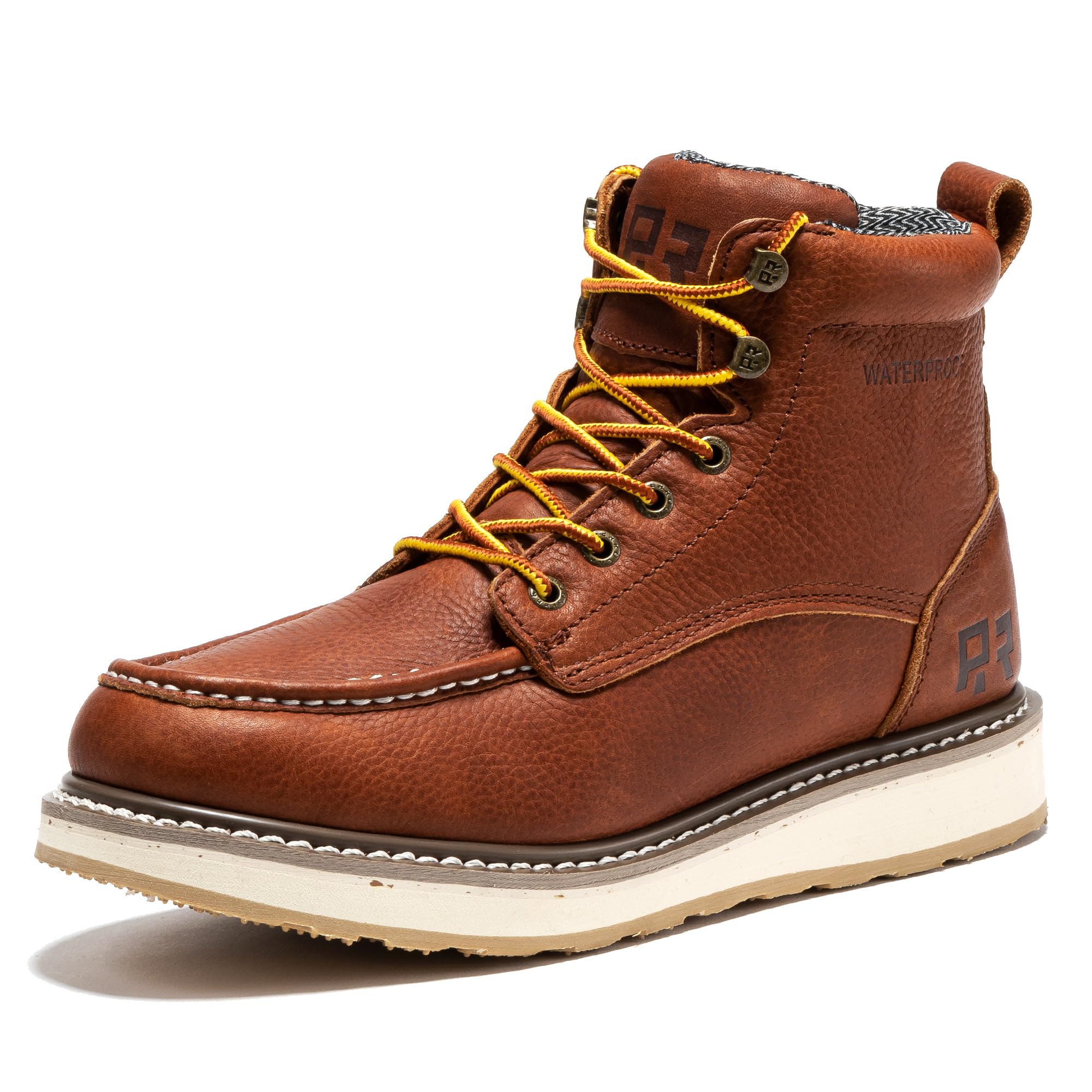
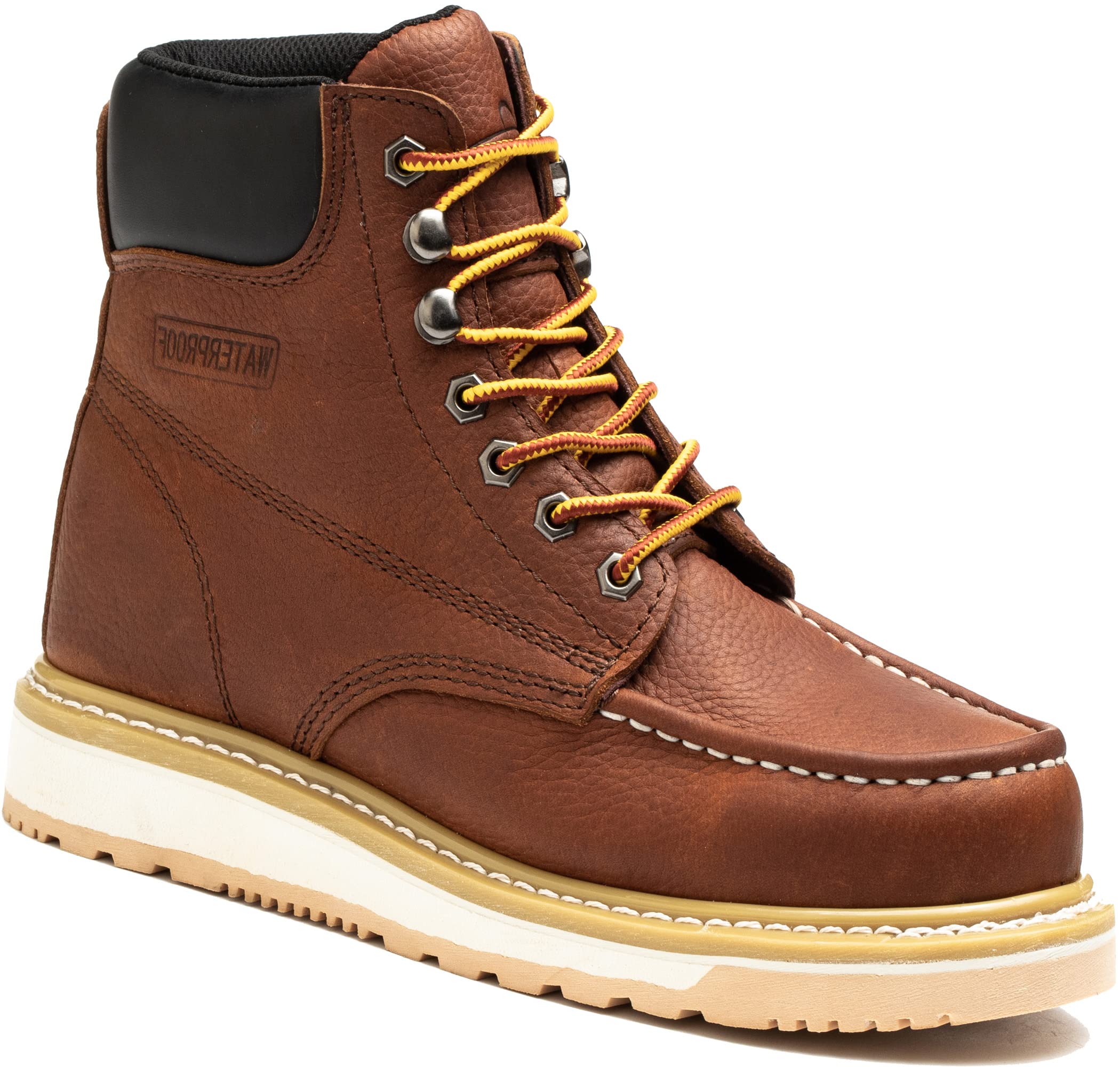


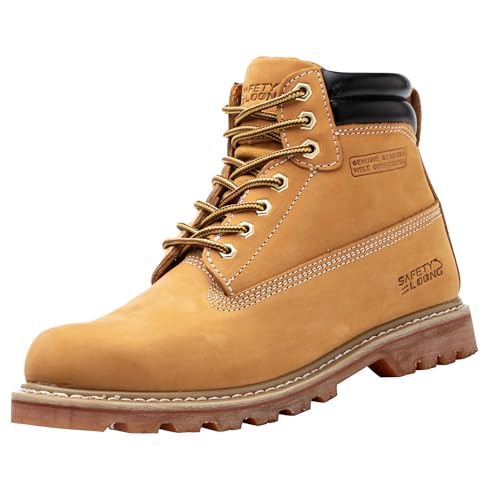
Who Should Buy the Best Comfy Work Boots?
Start with your routine rather than with a brand or a price. The three groups below cover most buyers, and each group points to a different set of priorities when you compare pairs in the product table above.
People Who Stand in One Place for Most of the Shift
If you work at a bench, a register, or a production line, your feet take pressure in the same spots for hours, often on concrete. Prioritize thick cushioning under the heel and forefoot, steady stability so your ankles do not roll inward, and a roomy fit that allows for the mild swelling that builds by afternoon. A softer midsole matters more for you than aggressive tread. If you want a broader view of safety ratings and toe options for stationary roles, see our guide to the best work boots for how those ratings are listed.
People Who Walk Miles During the Workday
Delivery drivers, stock walkers, health care staff moving between rooms, and site supervisors cover distance on hard floors and pavement. For you, weight and flex matter as much as padding. Look for a lighter build, a midsole that returns energy instead of feeling flat, and an outsole that bends at the forefoot so your stride stays natural. A moderate heel to toe drop, often about 8 to 12 mm, can ease calf strain on long routes, while a secure heel cup stops the sliding that causes blisters on repeated steps.
People Who Work Outdoors in Wet or Uneven Ground
Landscapers, utility crews, and farm workers need comfort that survives mud, gravel, and puddles. You should favor a waterproof membrane, deeper lugs for grip, and a stiffer shank that shields your arch from rocks and ladder rungs. Comfort for this group comes less from plush padding and more from dry feet, steady footing, and support that keeps your arch from aching on ground that never stays flat.
Key Features to Compare
The features below explain what each feature does for your feet, how it changes a long shift, and which choice suits which routine. Compare them in this order, because fit problems cannot be fixed by any other feature.
Fit, Sizing, and Toe Box
Measure your feet late in the day, when they are at their largest, and try boots on with the socks you actually wear to work. You want about a thumb width of space in front of your longest toe, firm hold at the heel with little lift as you walk, and no pinching across the forefoot. The toe box deserves special attention if you wear a safety toe, since steel and composite caps reduce the room your toes can use. A wide toe box lets your toes spread on each step, which improves balance and reduces numbness. Men who fall between standard and wide sizes can compare how brands label their fits in our overview of the best men's work boots, since width naming is not consistent across makers.
Arch Support and Foot Type
Arch support should match the shape of your foot. Flat feet tend to roll inward as you tire, a motion called overpronation, so firmer support under the arch and a stable heel counter help keep your stride aligned. High arches absorb less shock on their own, so those feet usually feel better with more cushioning paired with gentle, flexible support. Neutral feet sit between the two and suit most standard insoles. If the built in insole feels thin after a week, removable insoles make it easy to adjust support without replacing the whole boot.
Cushioning, Stability, and the Outsole
Cushioning softens impact, while stability keeps that softness from feeling wobbly. A thick foam midsole helps standing and walking roles, but very soft foam can feel unstable when you carry loads or step on uneven ground, so heavier work often suits a dual density midsole that is softer under the heel and firmer at the edges. The outsole completes the picture. Look for rubber with tread depth that matches your surface, shallow patterns for smooth indoor floors and deeper lugs outdoors, plus oil resistant rubber if you cross kitchen, shop, or garage floors where spills are common.
Upper Materials and Breathability
Full grain leather is durable and molds to your foot over time, but it runs warm and needs conditioning. Mesh and knit panels breathe far better and feel light, which suits indoor and warm weather work, though they offer less protection from scrapes and splashes. Many boots blend the two, with leather at high wear areas and fabric at the sides. For wet work, a Gore Tex lining or another waterproof membrane keeps rain out while letting some vapor escape, but any waterproof boot will feel warmer than a vented one, so match the lining to your climate rather than buying waterproofing by default.
Break In Period and First Day Comfort
Stiff leather boots often need one to two weeks of shorter wears before the upper softens and the footbed settles into your shape. Boots with fabric uppers and foam footbeds usually feel comfortable right away, which is why many people describe them as comfort focused or compare them with lightweight shoes for easy early wear. Plan your first wears on shorter shifts, tighten laces from the bottom up for even pressure, and stop and adjust if a hot spot appears, since pushing through early rubbing is how a small pressure point turns into a blister.
Common Mistakes to Avoid When Buying Comfy Work Boots
Most comfort complaints trace back to a short list of buying errors rather than to a bad boot. Watch for these as you shop.
- Choosing by price alone, because the cheapest pair often uses thin insoles and foam that packs down within a few months, leaving you sore and shopping again.
- Ignoring the toe box, because a safety toe that crowds your toes causes numbness and nail pain that no amount of cushioning can offset.
- Buying the size you wear in casual shoes without checking, because work socks are thicker and safety toes change the fit enough to shift you a half size.
- Skipping the return policy and warranty check, because a boot you cannot exchange after a trial wear indoors is a costly guess about all day comfort.
- Assuming waterproof means comfortable in summer, because sealed membranes trap heat and can make feet sweat and slide inside the boot on hot days.
How to Make Your Comfy Work Boots Last Longer
Daily care protects both comfort and your budget. Loosen the laces fully when you take your boots off so the heel is not crushed, and pull the insoles out at night so trapped moisture can dry. Air dry wet boots at room temperature away from direct heat, since heaters and radiators dry leather too fast and can crack it and warp glues. Stuffing the toe with newspaper helps draw out water after a soaking shift.
Rotate two pairs if you work five or six days a week, because foam needs about a day to rebound between wears, and alternating pairs lets each upper dry fully. Clean mud off before it works into seams, condition leather every few weeks if you wear it daily, and check tread and heel wear each month. If arch pain returns in a boot that once felt great, the insole may simply be worn flat. Our guide to the best inserts for work boots explains how replacement insoles can restore support and extend the life of a sound upper and outsole.
Frequently Asked Questions
Can you wear comfy work boots all day?
Yes, you can wear comfy work boots for a full shift when the fit and support match your feet and your routine. All day comfort depends on room for afternoon swelling, cushioning that has not packed down, and socks with padding at the heel and forefoot. If you are new to a stiffer boot, build up wear time over the first week. Sharp pain, numbness that does not fade after you sit, or swelling that leaves deep sock marks are signs to refit the boot or speak with a clinician about your feet.
Are expensive comfy work boots worth the cost?
Expensive comfy work boots can be worth the cost when the extra money buys better foam, a stronger shank, and an upper that holds its shape for years instead of months. Higher prices do not guarantee comfort for your foot shape, though, so fit still comes first. A pair that lasts three seasons of daily use often costs less over time than two cheaper pairs.
How long is the break in period for comfy work boots?
The break in period for comfy work boots ranges from a few days for fabric uppers to about two weeks for stiff full grain leather. During that time the upper creases where your foot bends and the footbed compresses to your pressure pattern. You can shorten the process with thick socks and short walks at home before your first full shift. Pain that gets worse each day is not normal break in, though. It usually means the size, width, or toe shape is wrong for your foot.
Do you need waterproof comfy work boots?
You need waterproof comfy work boots only if your work regularly involves rain, puddles, wet grass, or washdowns. For dry indoor jobs, a vented upper will feel cooler and lighter across a long shift. One middle option is a water resistant leather upper, which sheds splashes and light rain without sealing in as much heat as a full membrane. Whichever you choose, remember that waterproofing fails at the tongue and collar first, so gaiters or taller shafts help if you step through deep water often.
How often should you replace comfy work boots?
You should replace comfy work boots when the midsole feels flat and unresponsive, the tread is worn smooth at the heel or forefoot, or the upper cracks and no longer holds your ankle steady. For daily wear that is often about 12 to 18 months, though lighter use stretches it further. A simple check is to press your thumb into the midsole foam. If it feels hard and does not spring back, the cushioning that made the boot comfortable is largely gone.
How should comfy work boots fit?
Comfy work boots should fit snugly at the heel and midfoot with clear space in front of your toes and no pressure on top of the foot from the laces. Your toes should wiggle freely inside the toe box, and your heel should lift only slightly as you walk. Try both boots, walk on a hard floor, and step up and down a stair if the store allows it. If you split your time between work pairs and casual pairs, you can also compare shapes with our guide to the best comfy boots to see how relaxed fits differ from structured work fits.
Final Thoughts
Comfort at work starts with an honest look at your routine, then a fit that leaves room in the toe box, support that matches your arch, and materials chosen for your floor and weather. Use the product table above to compare the pairs that fit your group, and favor the boot you can exchange if the first wear at home tells you the shape is off. When you land on the right best comfy work boots for your job, long shifts feel shorter, and your feet, knees, and back finish the day with far less to complain about.


