Best Business Casual Work Shoes 2026: Which Fits You?
Disclosure: We may earn a commission when you buy through links on this page, at no extra cost to you. As an Amazon Associate I earn from qualifying purchases. Learn more

A guide to the best business casual work shoes: materials, cushioning, fit, and how to match styles to your office dress code.
Choosing best business casual work shoes means finding shoes that look professional in meetings yet stay comfortable through commutes, corridors, and long workdays. The category sits between formal dress shoes and casual sneakers, which gives plenty of choice and plenty of room for confusion.
This guide explains materials, fit, and durability in plain language, so you can narrow the field quickly. The comparison table below sets out the main business casual work styles side by side, from loafers and oxfords to hybrid designs.





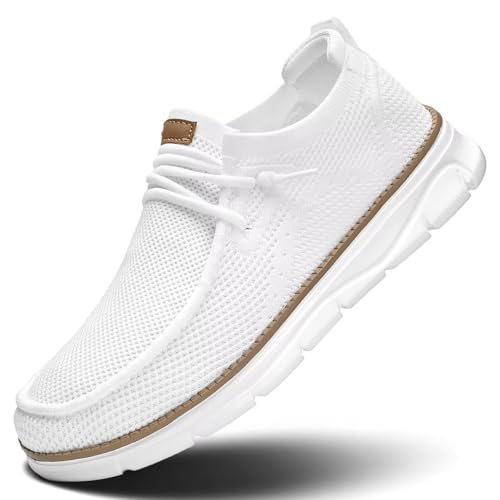
What Business Casual Means for Shoes
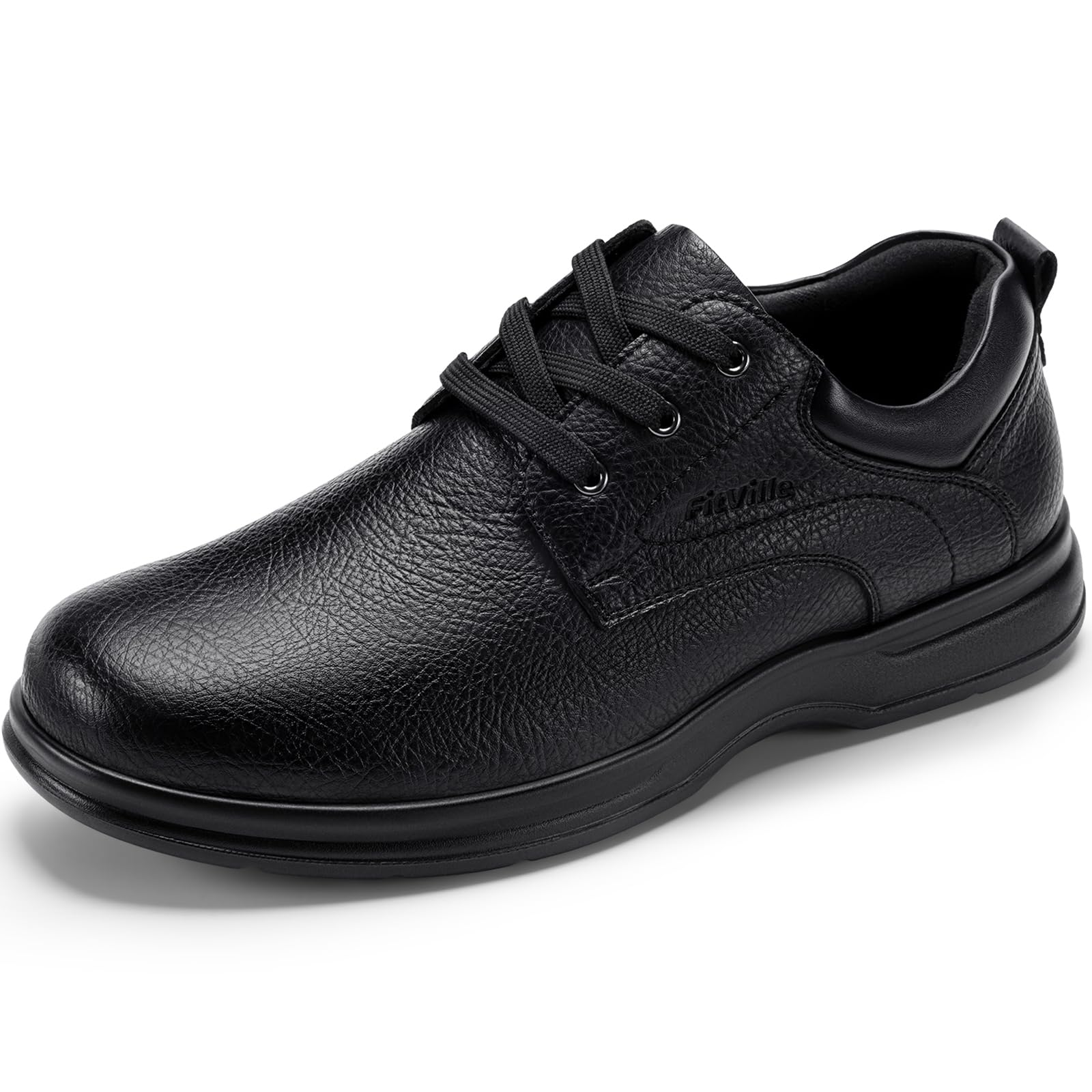
Business casual shoes generally feature clean lines, muted colors, and leather or quality synthetic uppers, without the shine and formality of full dress shoes. They pair with chinos, dark jeans in relaxed offices, skirts, and tailored trousers, bridging professional and relaxed dress codes. Athletic details should stay subtle, since loud sporty styling breaks the business casual look.
Workplace norms vary widely, so observe what colleagues wear before buying. A creative agency may accept clean hybrid sneakers, while a law office may expect leather oxfords. When in doubt, choose the more polished option, since it is easier to dress down a polished shoe than to dress up a casual one.
Key Features Worth Comparing
Upper Materials
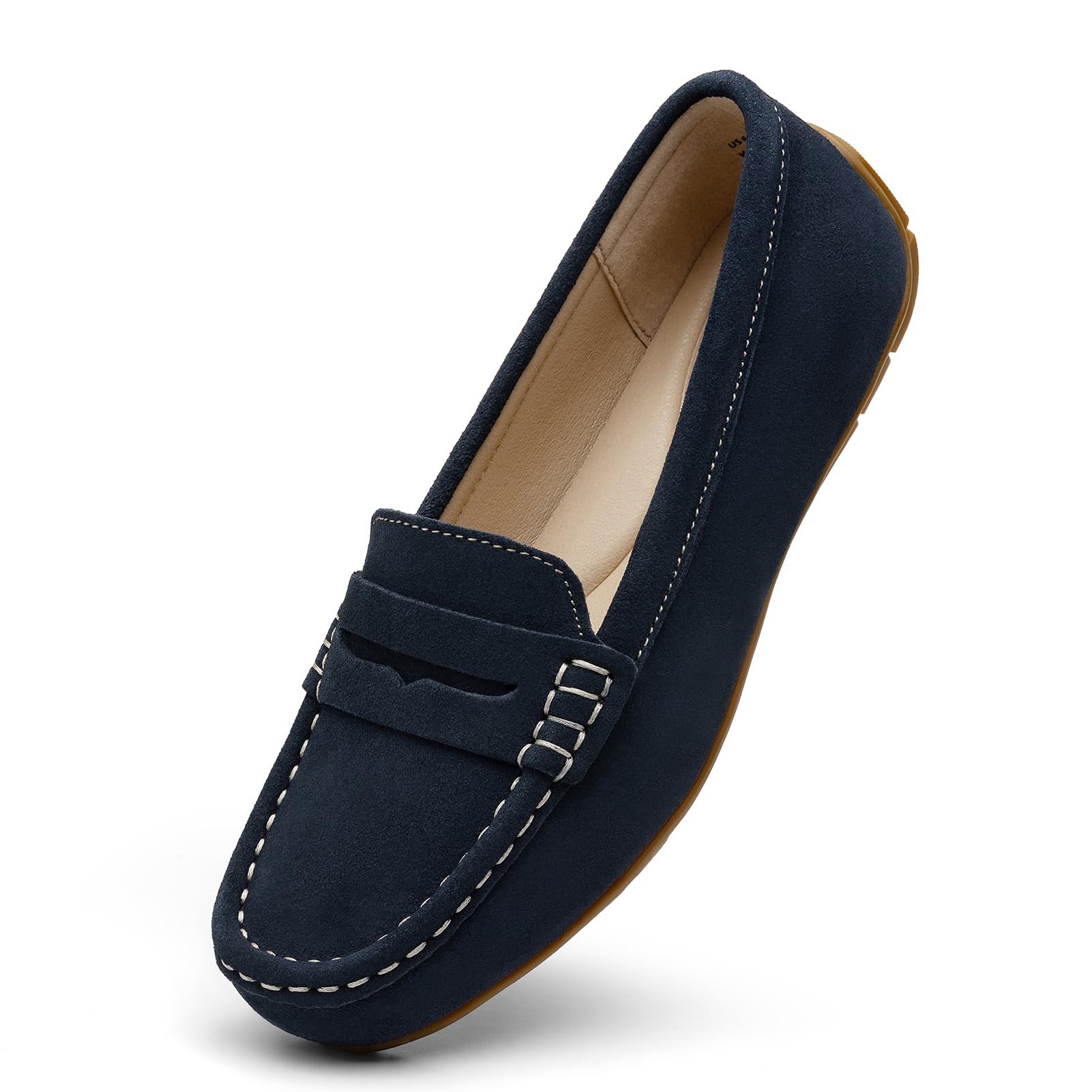
Leather uppers look polished, mold to your feet over time, and handle office wear well with basic care. Suede offers a softer, more casual texture but stains easily and needs protection. Quality synthetics resist water and scuffs better, though they may breathe less. Choose the material that matches your climate and your willingness to maintain it.
Comfort and Cushioning
Work shoes need cushioning that lasts a full day, not just a short trial. Look for padded collars, cushioned insoles, and midsoles that rebound rather than flatten. Removable insoles allow orthotics or upgraded footbeds, which can transform an average shoe into a comfortable daily wearer.
Outsole and Durability
Rubber outsoles grip office floors and pavements reliably while lasting longer than leather soles. Stitching quality signals durability, so check for even, tight stitches along the sole edge. A Goodyear welt or similar sturdy construction allows resoling, extending shoe life well beyond glued alternatives.
Fit and Break In
Business casual shoes should fit comfortably from the first wear, with only minor softening expected. Tight shoes rarely stretch enough to become comfortable, and loose shoes cause blisters and fatigue. Try shoes on with work socks, walk on hard floors, and check heel slip and toe room carefully.
Who Should Buy Which Style
For Office Professionals
Leather oxfords and derbies suit traditional offices best, offering polished looks with all day comfort when well cushioned. Dark brown or black covers most wardrobes, while oxblood adds character for confident dressers. Keep details minimal for maximum versatility.
For Creative and Relaxed Workplaces
Loafers, clean hybrids, and suede derbies suit relaxed offices where personality matters. These styles pair with chinos and smart casual outfits without looking overdressed. Prioritize comfort and clean lines, and avoid overly sporty or brightly colored designs.
For Workers on Their Feet
Workers who walk or stand much of the day need cushioned hybrids with supportive insoles and grippy outsoles. Style still matters, but comfort and durability take priority. Look for shoes that balance office appearance with athletic level cushioning.
Mistakes to Avoid
A frequent mistake is choosing style over fit, then enduring months of discomfort hoping shoes will break in. Quality shoes soften slightly, but they should never hurt on day one. The product table above shows the main styles, and finding the right fit within any style beats forcing the wrong fit in a favored style.
Another mistake is ignoring workplace norms. Shoes that suit one office may look out of place in another, affecting confidence and professional impression. Observe colleagues, check any dress code guidance, and choose accordingly before spending on a premium pair.
Care and Longevity
Rotate work shoes when possible, letting each pair dry and recover between wears. Use shoe trees for leather shoes to preserve shape, and clean uppers regularly with products suited to the material. Polish leather occasionally, protect suede with spray, and replace worn insoles promptly.
Resole quality shoes when outsoles wear out, since resoling costs far less than replacement and preserves a broken in fit. With rotation and basic care, good business casual work shoes can serve for several years of daily wear.
If you are still narrowing down the choice, related guides can help you compare nearby options. Readers often compare this guide with best business casual shoes, best casual work shoes, best men's business casual shoes and best business casual shoes women's before settling on a final option, since each one covers a slightly different use case. The comparison table above can help you line up the main features side by side before you decide.
Matching Shoes to Office Dress Codes
Office dress codes vary more than shoe catalogs suggest, so reading your workplace accurately saves money and embarrassment. Observe what senior colleagues wear, note any written guidance, and consider client facing days separately from internal days. A shoe that suits a creative studio may look casual in a corporate headquarters.
When codes are unclear, aim slightly more formal than the office average. Polished leather shoes rarely look out of place, while overly casual shoes can undermine a professional impression. You can always relax your style later once you understand the norms, but first impressions form quickly.
Keep a second pair for commuting if your work shoes are delicate or formal. Commuting in comfortable shoes and changing at the office protects dress shoes from weather and pavement wear. This habit extends shoe life and keeps your office appearance crisp throughout the day.
Shoe trees preserve leather work shoes far better than most owners expect. Cedar trees absorb moisture, hold shape, and reduce creasing during rest days, which extends both appearance and life. Insert trees after each wear once shoes have aired briefly, and rotate pairs so trees can work overnight. This simple habit keeps leather shoes looking professional for years rather than months.
Weatherproofing sprays protect suede and leather work shoes from rain and stains, but they must suit the material involved. Test any spray on a hidden area first, apply in a ventilated space, and reapply after heavy rain exposure. Proper protection extends shoe life noticeably in wet climates.
Breaking in new work shoes gradually prevents blisters and foot fatigue during the first week. Wear new shoes for short periods at home first, then for half days at work before committing to full days. This patient approach lets leather soften and insoles mold without the pain of a full day in stiff new shoes.
Frequently Asked Questions
Can I wear sneakers as business casual work shoes?
Clean, minimal sneakers in muted colors can work in relaxed offices, but they often look too casual in traditional workplaces. Leather or suede hybrids bridge the gap better, offering sneaker comfort with office appropriate styling. Check your workplace norms first, and when in doubt, choose leather shoes over athletic sneakers.
How do I break in business casual work shoes?
Good work shoes should feel comfortable from the first wear, with only minor softening over the first week. Wear them for short periods initially, use quality socks, and address pressure points early with stretching or insoles. If shoes cause real pain after a week, the fit is wrong and exchange is wiser than persistence.
Are leather or synthetic work shoes better?
Leather generally offers better breathability, molding, and long term appearance, while synthetics offer water resistance, lower cost, and easier cleaning. Leather suits office professionals who value polish, while synthetics suit wet climates and active roles. Both can serve well when the fit and construction quality are good. Trying both materials in your price range often reveals a clear personal preference quickly.
What colors suit business casual work shoes best?
Black, dark brown, and navy cover most business casual wardrobes, pairing with trousers, chinos, and skirts alike. Mid brown adds warmth for casual offices, while oxblood offers character for confident dressers. Avoid bright colors and white soles in traditional offices, since they read as casual even on polished designs. Matching shoes to your belt in the same shade family creates a polished overall impression.
How many pairs of work shoes should I own?
Two pairs allow rotation, which extends shoe life and lets cushioning recover between wears. Rotation also gives you options for weather and outfit changes. If budget allows, a dark pair and a brown pair cover most business casual needs. Even one quality pair, well cared for, serves better than several cheap pairs.
Final Thoughts
Choosing best business casual work shoes is about balancing office polish with daily comfort and honest workplace norms. Leather, fit, and cushioning matter more than fashion details or brand names.
Compare the styles in the table above, try shoes on with work socks, and pick the pair that feels good at the end of the day. That pair will earn its place in your work rotation.