
Best Comfy Women's Slippers: A 2026 Checklist for Everyday Comfort
Disclosure: We may earn a commission when you buy through links on this page, at no extra cost to you. As an Amazon Associate I earn from qualifying purchases. Learn more

The best comfy women's slippers pass a simple checklist: fit, cushioning, arch support, materials and grip. Use it before you buy.
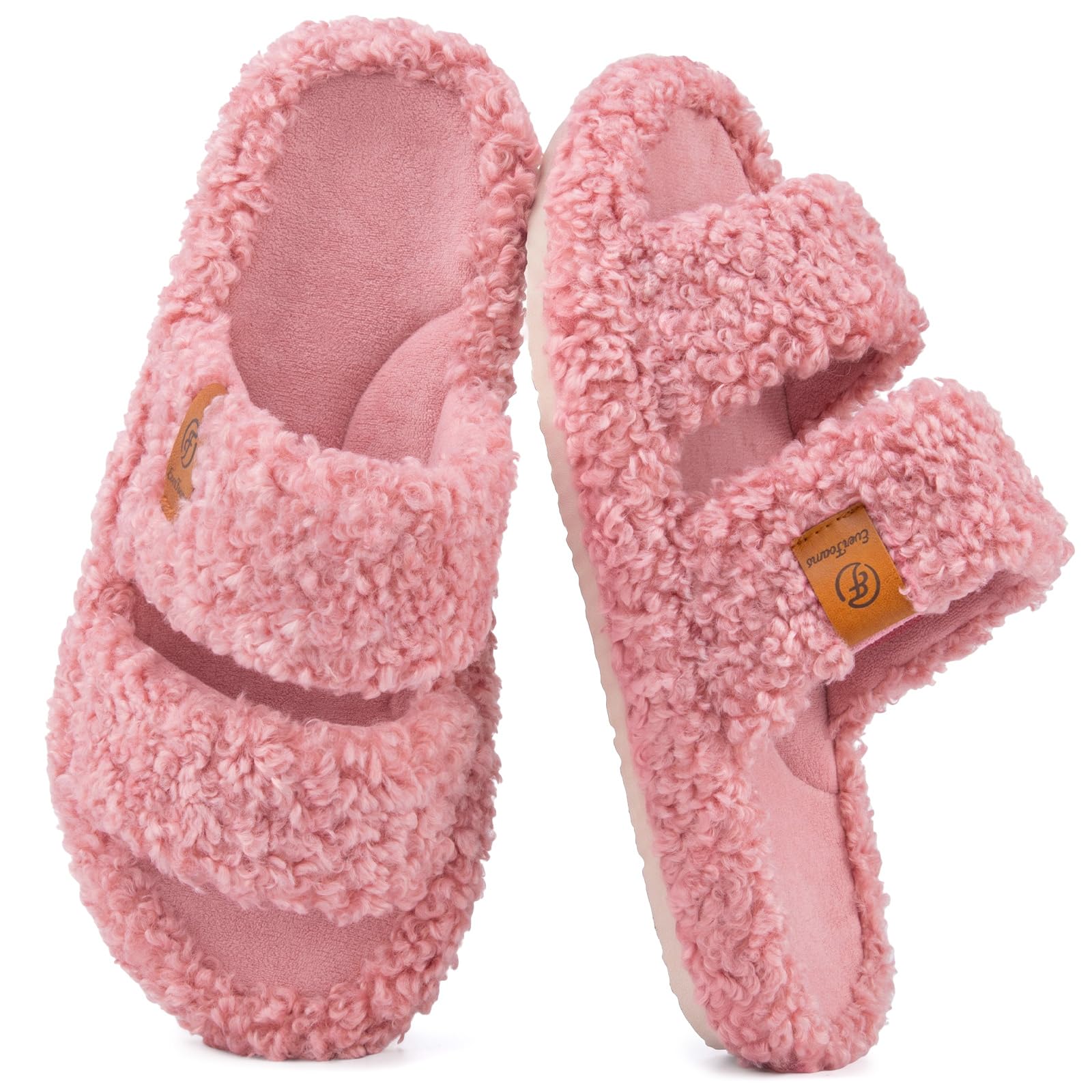
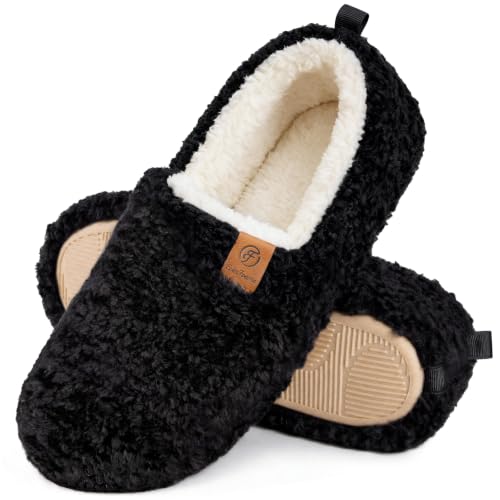
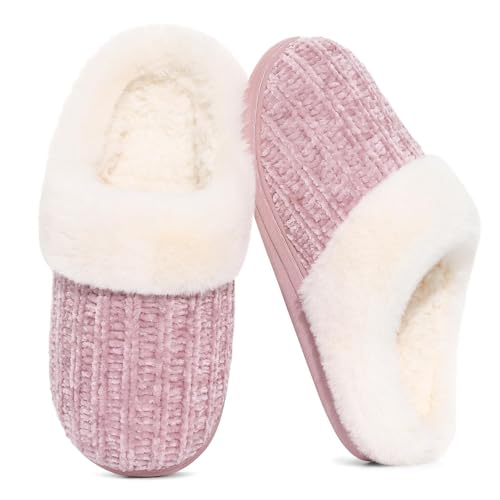
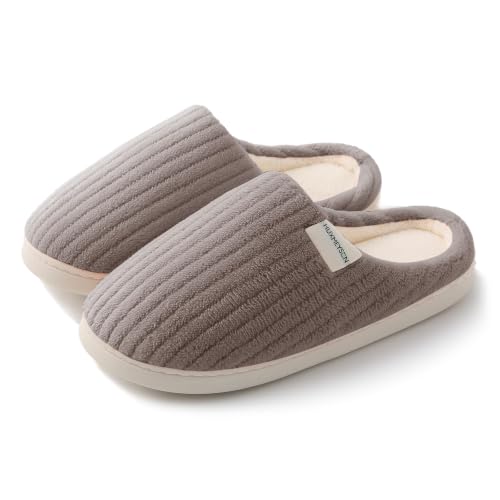
Comfort in a slipper sounds simple until your heels ache by noon or the cushioning flattens within a month. This guide uses one clear checklist to judge the best comfy women's slippers, so you can compare any pair by fit, support, materials, and sole design instead of guessing from photos. The comparison table below gathers the details in one place.




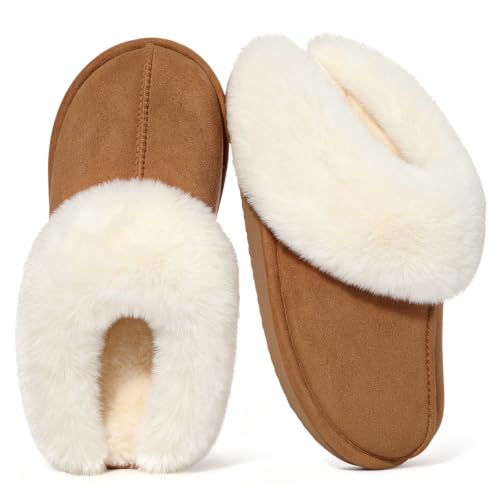
How to Evaluate Comfy Slippers
A good checklist covers the things your feet actually feel: how the shoe fits your shape, how the cushioning behaves after weeks of wear, and how safely the sole grips your floors. A pair that feels plush in the store can still fail if the toe box squeezes or the insole packs down. If you want the broader category view first, see our guide to the best women's slippers for the main styles on the market.
What Women Should Look For
Women's slippers are not just smaller versions of men's styles. The average women's foot is narrower at the heel relative to the forefoot, so a good pair cups the heel while leaving room up front. Look for sizing in full and half sizes rather than vague small, medium, and large labels, because vague sizing hides a poor fit. Weight matters too: a pair under about 10 ounces per shoe feels easy during a full day at home. A slip on style with a slightly raised heel collar also stays on better than a flat open back mule when you climb stairs.
Fit, Sizing, and Toe Box
Measure your feet in the afternoon, when they are at their largest, and compare the length with the brand size chart rather than trusting your usual shoe size. Slipper sizing runs inconsistently between brands, and thick socks change the fit again. The toe box should let your toes spread and wiggle without pressing the top of the shoe; a rounded toe box suits most women better than a tapered one. If you fall between sizes, size up for plush lined styles, since the lining compresses, and size down only for stretchy knit uppers.
Break In Period and Comfort Out of the Box
A quality slipper should feel comfortable within the first hour, with no rubbing at the heel or pressure across the top of the foot. Soft foam insoles feel great immediately but can bottom out fast, so press the insole firmly with your thumb: it should rebound slowly rather than collapse. Structured styles with a molded footbed may feel firm for two or three days while your foot settles in, and that short adjustment is normal. Pain, hot spots, or numb toes are not normal; those are fit problems, so exchange the size instead of waiting.
Upper Materials and Breathability
The upper decides how warm, flexible, and durable the slipper feels. Knit uppers stretch gently, breathe well, and suit women whose feet swell during the day. Suede and leather uppers hold their shape longer and resist scuffs, though they need a few days to soften. Fleece and faux fur linings add warmth for cold floors but trap heat in summer, so consider a cotton or terry lining if your feet run warm. Check that the lining lies flat with no rough seams over the toes, because seam ridges are a common source of irritation.
Waterproofing (Gore Tex and Membranes)
Most house slippers do not need full waterproofing, but a water resistant sole and upper help if you step onto a wet porch or walk a short path to the mailbox. Membrane linings borrowed from waterproof boots, including Gore Tex style constructions, block water yet reduce breathability, so they make sense mainly for indoor outdoor styles. For purely indoor wear, a rubber outsole handles kitchen splashes well enough. If outdoor trips are a real part of your routine, our guide to the best women's outdoor slippers covers sturdier designs built for that job.
Weight and Flexibility
A comfy slipper balances protection with freedom of movement. The sole should flex at the ball of the foot, where your foot naturally bends, and stay firm through the arch. If the whole shoe twists easily like a towel, it offers little stability on stairs. Bend the shoe gently with both hands: you want a smooth bend near the toes and resistance at the middle. Lightweight foam soles suit smooth floors, while heavier rubber soles earn their weight on tile and stone.
What Strong Options Look Like at Each Price Level
Because comfort depends on construction rather than branding, judge pairs by the profile they match. The three profiles below describe what your money should buy at each level, and you can compare them against the product table above before deciding.
The Mid Priced Supportive Profile
The strongest all around profile, usually around $40 to $70, pairs a contoured footbed with real arch support, a resilient midsole, and a rubber outsole that grips wood and tile. The upper is typically suede or a dense knit, and the heel sits in a shallow cup that keeps the foot centered. This profile suits women who wear slippers most of the day or stand while cooking. Its limitation is warmth: supportive footbeds often come in less plush designs, so cold floors may call for a lined version.
The Budget Profile
A good value profile, usually around $20 to $40, keeps the essentials and trims the extras. Expect a memory foam or molded foam insole, a soft fleece or knit upper, and a thinner rubber blend sole. You give up some arch structure and durability, and the cushioning may compress within a year of daily wear. Even so, this tier works well for guest rooms, travel, or a second pair by the bed. Check that the sole has real tread rather than a flat fabric bottom, because grip is the one feature you should never trade away.
The Premium Profile
Premium profiles, often around $70 to $120, add materials that age gracefully: shearling linings that regulate temperature, leather uppers, replaceable insoles, and outsoles borrowed from casual shoes. The benefit is support that survives years of daily wear rather than a single season. This tier suits women with sensitive feet who want one dependable pair. The limitation is care: shearling and leather need air drying and gentle cleaning. Pay this much only when the construction details are clearly listed.
Quick Buyer Checklist
Run through these questions before you order, and treat any no as a reason to keep looking.
- Does the size chart list actual foot length, and does it match your afternoon measurement?
- Can your toes spread fully inside the toe box without pressing the upper?
- Does the footbed offer visible arch support rather than a flat foam pad?
- Is the outsole made of rubber with tread you can feel with a fingertip?
- Does the heel stay seated when you walk quickly or climb a few stairs?
- Is the lining smooth, with no seam ridge across the toes?
- Does the care label match your habits, such as machine washable or air dry only?
- Is the return window long enough to wear the pair indoors for a week?
Red Flags to Watch For
Vague product pages are the first warning sign. If a listing never states the sole material, the insole type, or the actual weight, the maker is hiding weak construction. Be wary of sizing given only as small, medium, and large with no measurements, since that almost always means a loose, sloppy fit. A return window shorter than 30 days suggests low confidence. Watch for photos showing a fabric covered sole, which wears smooth and slippery on hard floors.
Picking the Right Comfy Slippers for Different Uses
Match the slipper to the job. For bedroom wear on carpet, a soft open back style with a light sole is plenty, and our guide to the best women's bedroom slippers focuses on that gentle category. For kitchen work and chores, choose a closed back with a rubber sole and washable upper. For mixed indoor and outdoor errands, pick the sturdier outdoor profile described earlier.
Best Comfy Women's Slippers with Support
Shoppers who want comfy women's slippers with support need three things a basic plush slipper lacks: a contoured arch that fills the midfoot, a firm heel cup that limits side to side roll, and a midsole that resists full compression. Orthotic friendly designs with removable insoles fit this brief, and they matter most for women who stand on hard floors for hours. Older readers often need this structure most, which is why our guide to the best women's slippers for elderly readers emphasizes stable, supportive shapes.
Tips to Get the Most From Your Comfy Slipper
Rotate two pairs if you wear slippers daily, because foam needs about a day to recover its shape between wears. Air dry wet slippers away from direct heat, since radiators crack leather and melt foam adhesives. Brush dirt from soles weekly so the tread keeps its grip, and wash washable styles in cold water, then dry them flat. Replace your pair when the insole stays compressed or the tread looks smooth.
Comfy Slippers: Your Questions Answered
What makes comfy slippers for women different?
Slippers designed for women differ mainly in shape and sizing. They usually have a narrower heel, a slightly higher arch profile, and a forefoot shaped for a different toe spread than men's lasts. That shape keeps the heel from lifting with each step, which reduces friction and fatigue. If you have wide feet, look for a women's wide fit rather than sizing up in a men's style, because the heel fit will stay far more secure.
How often should I replace my comfy slippers?
Replace them when the cushioning no longer rebounds, which for daily wear is often every 8 to 12 months. If your heel now sinks straight to the sole, the foam is finished. Also replace pairs whose tread has worn smooth, since worn soles are a fall risk on tile. Occasional wear stretches the timeline; a pair worn only on winter evenings can stay comfortable for two or three years.
How long is the break in period?
The break in period should be short, usually one to three days of normal indoor wear. Plush foam styles feel right immediately, while structured footbeds need a few days as the materials mold slightly to your foot. Wear the pair for short periods on the first day if it feels firm. Pain is never part of a healthy break in, though: blisters, pinched toes, or sharp pressure mean the size or shape is wrong, and the right response is an exchange.
How should comfy slippers fit?
They should fit snugly at the heel and midfoot with clear space in front of your longest toe, about the width of a thumbnail. Your toes should lie flat, not curled or pressed together, and the upper should hold the foot without tightness. Walk on a hard floor to judge fit, because carpet hides slipping and sliding. Lined styles feel tighter at first and relax as the lining compresses, so a slightly firm first fit in a fleece lined pair is usually correct.
Can I wear them all day?
Yes, provided the slipper has real structure: arch support, a stable heel cup, and a sole thick enough to shield your feet from hard floors. Flat, purely plush styles are fine for evenings but can leave feet tired after a full day of standing and chores. Avoid wearing slippers for long walks outdoors, which wears the sole unevenly. If foot pain persists even in supportive footwear, talk with a clinician or podiatrist about your personal needs rather than guessing at a fix.
Do I need waterproof shoes?
For slippers, full waterproofing is rarely necessary. A rubber outsole and a water resistant upper handle kitchen spills, bathroom tile, and quick trips to the door. Choose a membrane lined indoor outdoor style only if you regularly cross wet ground, such as a damp garden path or snowy porch. Waterproof membranes reduce breathability, so feet may feel warmer during long indoor wear. Most women are better served by two pairs, one breathable pair for the house and one sturdy pair for the yard.
Are expensive comfy slippers worth it?
They can be, when the price buys materials that last: shearling, leather, replaceable insoles, and durable rubber soles. A premium pair worn daily for three years often costs less per month than a cheap pair replaced every season. The extra money is not worth it when it only buys decoration or thicker plush that flattens quickly. Check whether the insole can be replaced, because a fresh insole can extend a good pair's comfortable life by many months. For plush focused options, see our guide to the best comfy slippers across all styles.
Final Thoughts
Start with fit, support, and sole grip, because those three decide comfort long after the first soft step. Match the lining to your home's temperature, and use the comparison table above to check the details side by side. Chosen with this checklist, the best comfy women's slippers should feel like the pair you reach for without thinking, morning after morning.


