Best Business Casual Shoes Men's: Styles, Fit and Comfort for 2026
Disclosure: We may earn a commission when you buy through links on this page, at no extra cost to you. As an Amazon Associate I earn from qualifying purchases. Learn more

Compare the best business casual shoes men's offices accept by fit, cushioning, materials and price.
Business casual sits between a suit and a weekend outfit, and the shoes carry a lot of that message. The best business casual shoes men's wardrobes need are polished enough for the office, comfortable enough for a full day and flexible enough to go with chinos, dark jeans or tailored trousers. This guide compares the main styles, explains the features that decide comfort and durability, and shows how to buy a pair that fits well from the first wear.
Use the product table to compare current options, then read on to match a style to your dress code and routine.


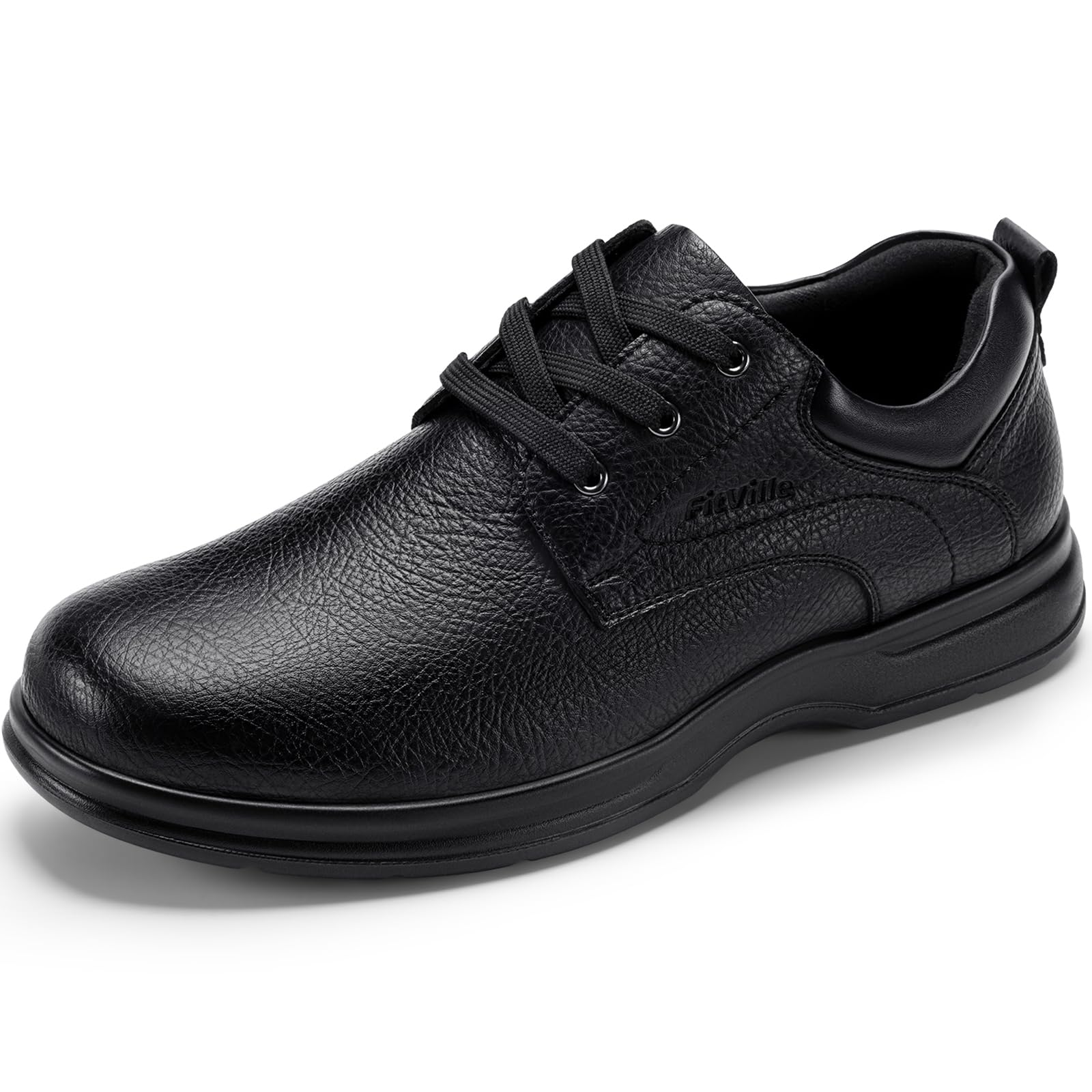

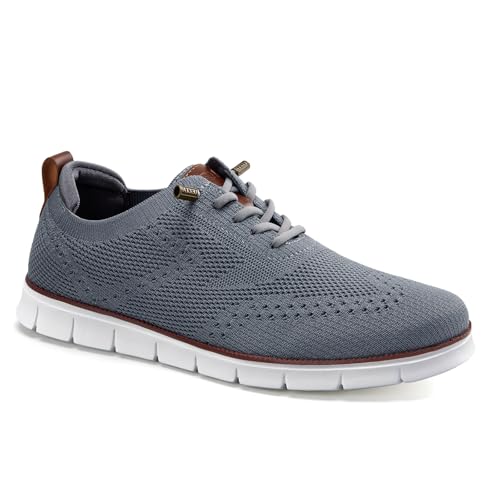


Main Styles of Men's Business Casual Shoes
Loafers
Loafers are the easiest business casual shoe: slip on, clean lined and happy with or without socks in warm weather. Penny and tassel loafers look dressier, while soft driving style loafers look more relaxed. They suit offices with a smart casual code and travel days, though a loose heel can slip, so fit matters.
Casual Oxfords and Derbies
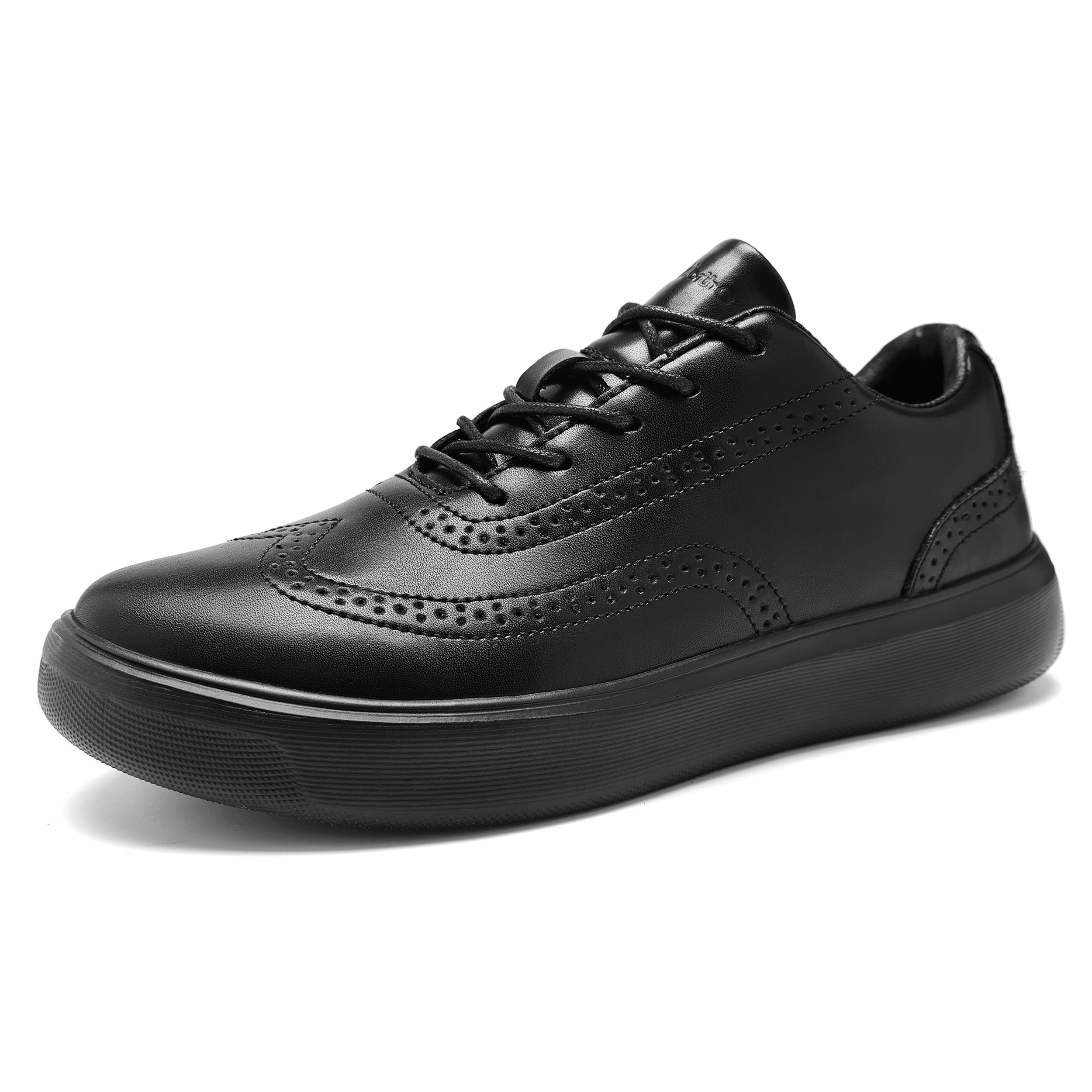
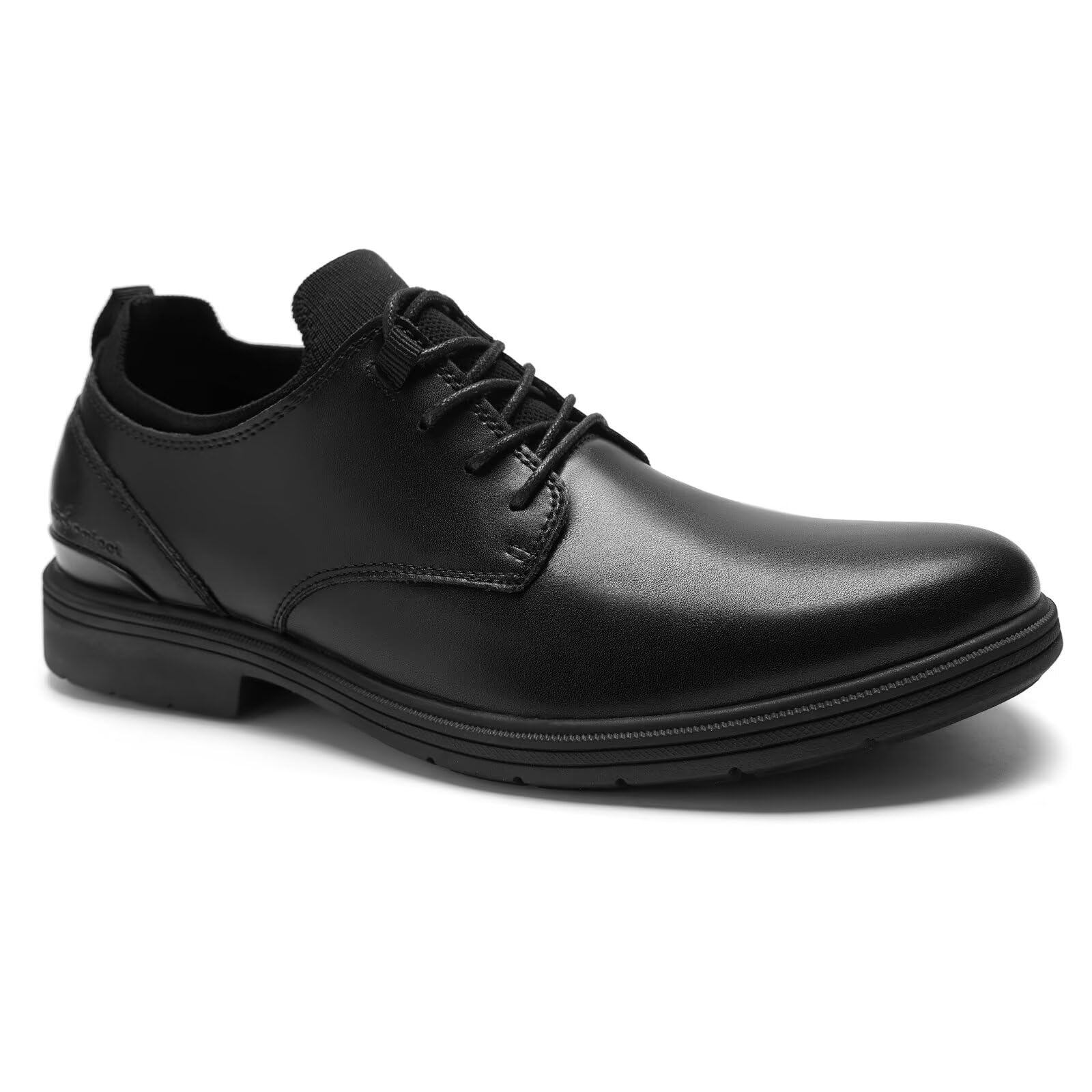
Lace ups offer the best lockdown and a classic look. Derbies with an open lacing system suit wider feet, while oxfords with closed lacing look slimmer and more formal. Casual versions in suede, textured leather or with a rubber sole combine a sharp shape with everyday comfort.
Chukka and Chelsea Boots
Ankle boots in leather or suede work well with chinos and cooler weather. Chelsea boots have elastic sides for a fast on and off, and chukkas have two or three eyelets for a relaxed look.
Leather Sneakers and Hybrids
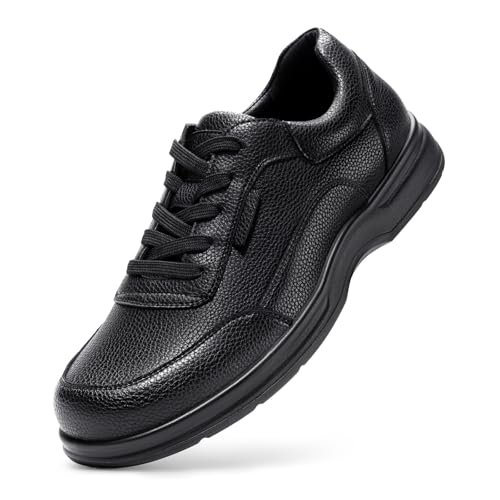
Clean, low profile leather sneakers in white, black or tan suit creative or relaxed offices. Hybrid dress sneakers with a dress shoe shape and a cushioned sole fit stricter codes while keeping athletic comfort.
Who Should Buy Which Style
For Traditional Offices
Choose dark leather loafers or casual oxfords in black, dark brown or oxblood. A leather lining and a stitched sole last longer and look more refined.
For Creative or Relaxed Workplaces
Suede loafers, chukka boots and clean leather sneakers fit well. Lighter tones such as tan or grey add personality without looking sloppy.
For Standing and Walking All Day
Prioritize cushioned insoles, arch support and a flexible outsole. Hybrid styles and shoes with removable insoles let you add custom inserts. Our guide to best men's casual leather shoes covers more leather options.
For Travel
Pick lightweight slip ons or boots with a grippy sole that suit airports and cobblestones. Dark colors hide scuffs.
Key Features to Compare
Fit, Sizing and Toe Box
Try shoes on in the afternoon, when feet are at their largest, and wear the socks you use at work. You want about a thumb width of space in front of the longest toe, a secure heel and a toe box that does not pinch. Wide feet need a true wide width instead of a larger length. Walk on a hard floor, not only carpet.
Upper Materials
Full grain leather molds to the foot and lasts, though it needs a short break in. Suede looks soft and casual but marks easily in rain. Corrected grain and synthetic uppers cost less and need little care but breathe less.
Cushioning and Support
A cushioned insole with a firmer layer beneath supports long days better than plush foam that compresses. Removable insoles allow orthotics. Look for a structured heel counter to keep your foot aligned.
Outsole and Grip
Leather soles look the most formal but slip on wet floors. Rubber or composite soles give grip, last longer and suit wet climates. A stitched sole can be resoled, which extends life.
Waterproofing
Waterproof membranes keep rain out of boots and leather shoes, at the cost of some breathability. If your commute is short and mostly indoors, a water resistant treatment is usually enough.
Price Ranges
Pairs from about $40 to $80 can suit light use and a first purchase. Mid range pairs at $80 to $180 typically add better leather, stitched construction and cushioning. Pairs above $180 offer premium leather, resoleable soles and longer life, and they are worth it for daily wear. Pick the best value by cost per wear, not the lowest sticker price.
Care and Break In
Rotate two pairs so cushioning and leather can recover between wears. Use cedar shoe trees to hold shape and absorb moisture, brush off dirt, and condition leather every few months. Treat suede with a protector spray. Break leather shoes in with short wears over the first week and stop if you feel sharp pressure instead of mild stiffness.
Common Mistakes to Avoid
- Buying a chunky athletic sole that reads as sportswear in the office.
- Choosing size from a different brand without checking the maker's chart.
- Ignoring width, which causes more discomfort than length.
- Wearing the same pair every day, which shortens its life.
- Skipping a protector on suede before the first rainy day.
If you dress up more often, our guide to best men's casual oxford shoes goes deeper on lace ups, and our general best business casual shoes guide compares styles across both men's and women's ranges.
Matching Shoes to Your Outfit
Color and finish do most of the work. Dark brown suits navy, grey and olive trousers, black pairs with grey and charcoal, and tan or suede in lighter tones works with khaki and light chinos. Match your belt to your shoes when you can, and keep socks in a tone close to the trousers so the line stays clean. Rolled or cropped trousers show the ankle, so thin dress socks or no show liners look neatest.
The best business casual shoes men's wardrobes rely on are often two or three pairs rather than ten: one dark loafer, one casual lace up and one boot or sneaker for colder or more relaxed days. This lets you rotate pairs, protect the leather and always have a dry pair ready.
Frequently Asked Questions
What counts as a business casual shoe for men?
Clean leather or suede loafers, casual oxfords and derbies, ankle boots and tidy leather sneakers in muted colors all work. Avoid bright colors, chunky athletic soles and worn out pairs.
How long is the break in period?
Most leather shoes settle within one to two weeks of short wears. Pinching, numbness or sharp pain means the fit is wrong, not that you need more time.
Are expensive business casual shoes worth it?
They can be, if the extra money buys better leather, stitched construction and a sole that can be replaced. For light office use a mid range pair often does just as well.
How should business casual shoes fit?
Snug at the heel, comfortable across the ball of the foot and with a thumb of space in front of the toes. Try them late in the day with work socks.
How often should I replace my shoes?
Replace them when cushioning is flat, the sole is worn smooth or the upper has cracked. Daily wear often means a year or two for mid range pairs, and longer with rotation and care.
Final Thoughts
Choose a style that suits your office, check fit and width carefully, and put cushioning and grip ahead of decoration. Compare the options in the product table, and the best business casual shoes men's choice for you will be the pair that looks sharp at nine and still feels good at five.