Best Color Laser Printers for Business 2026 Guide
Disclosure: We may earn a commission when you buy through links on this page, at no extra cost to you. As an Amazon Associate I earn from qualifying purchases. Learn more
The best color laser printers for business are judged by volume, toner cost per page, security and support, not by headline speed.
Choosing best color laser printers for business means looking beyond the purchase price to volume, running costs, and reliability under daily office use. A business printer must handle reports, presentations, and marketing material without frequent jams, slow warm ups, or costly toner surprises. It also needs network features that keep documents secure and easy to share.
The comparison table below outlines the main business printer styles, and the sections that follow explain how to judge them. You will learn how to estimate volume, compare toner costs, check network security, and choose features that match your team size.



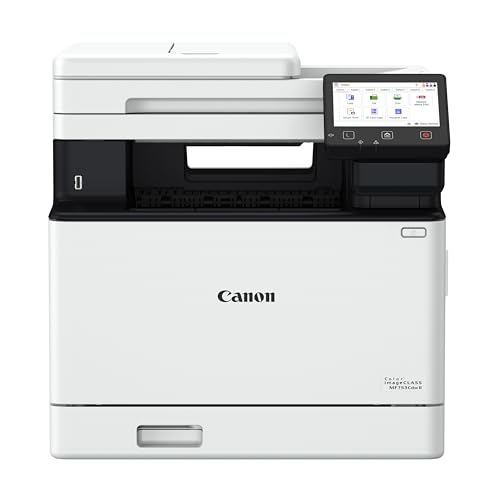
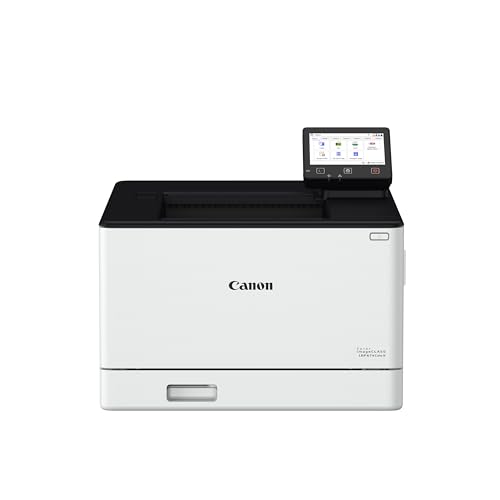

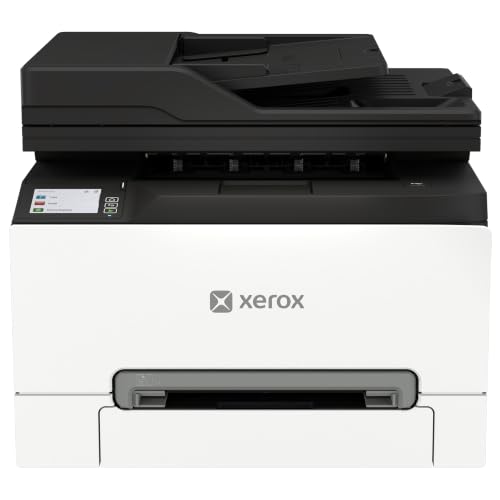
Who Needs a Business Color Laser Printer
A business color laser printer suits offices that print regularly in color, from client proposals to training material. Small teams may need a compact printer for shared use, while larger offices may need a higher capacity machine with multiple paper trays. Count your team and your weekly print volume before you shortlist.
Home offices with business clients also benefit, because color laser prints look sharp and professional for invoices, contracts, and presentations. If you print mostly in black and white, a mono printer may cost less, but color becomes valuable when charts, logos, and images matter.
Think about who will use the printer and where it will sit. A shared office printer needs easy access, clear controls, and a paper capacity that does not need constant refilling. A printer in a small room needs quiet operation and a compact footprint as well as good output.
Print Volume, Speed, and Paper Handling
Print volume should guide capacity and duty cycle. A printer rated for low monthly volume may wear quickly in a busy office, while a high capacity printer may be oversized for a small team. Estimate your monthly pages, including color pages, and choose a machine rated comfortably above that figure.
Speed matters during busy periods. First page out time affects single prints, while pages per minute affects long documents. If your team prints many short documents, first page speed matters more than headline speed for large jobs.
Paper handling includes tray capacity, paper sizes, and duplex printing. Multiple trays let you keep letter and legal paper ready, while automatic duplex saves paper and looks professional. Check whether the printer handles envelopes, labels, or heavier paper if your business needs them.
Running Costs, Toner, and Network Security
Running costs depend on toner yield, drum life, and paper use. Compare cost per color page, not just toner cartridge price, because yields vary widely. High yield cartridges often cost less per page for busy offices, even if the upfront price looks higher.
Network security deserves attention for business documents. Look for secure print release, user authentication, and encrypted connections where available. Keep firmware updated, change default passwords, and limit admin access to trusted staff.
For business focused options, compare best color laser printers for small businesses if your team is small, and best color laser printers for general color laser choices. Business printing guides such as best laser printers for business and best color printers for business help you judge mono versus color trade offs, while best multifunction color laser printers covers scan and copy functions.
Maintenance, Support, and Office Fit
Maintenance includes toner replacement, drum checks, and occasional cleaning. Choose a printer with accessible toner and clear status alerts, so staff can replace supplies without calling support for routine tasks. Keep spare toner for busy periods, but store it correctly to avoid damage.
Support matters when a printer stops during a deadline. Check warranty length, service response, and whether local support is available. A printer with strong support may cost more upfront but save time and frustration over its life.
Print your usual documents on the printer before committing to a large purchase. Print color charts, small text, and duplex documents to check quality and speed. A short real world trial reveals problems that specification sheets cannot show.
Getting More From Your Choice
Think about print workflows, because a business printer rarely works alone. Documents may come from laptops, phones, and cloud storage, and staff may print from different rooms or floors. Check mobile printing, cloud printing, and driver support for your operating systems before you buy, because a printer that only works from one computer will bottleneck a team. Try printing from each device type your team actually uses.
Consider document security beyond passwords, because printed documents can sit in output trays where anyone can read them. Secure print release, where a user enters a code at the printer, prevents sensitive pages from sitting unattended. Place the printer where output is visible to staff but not to visitors, and agree a routine for collecting prints promptly. Small workflow habits protect confidential information as much as software settings.
Think about color management for client facing documents, because inconsistent color across prints can undermine a professional image. Use consistent paper, driver settings, and color profiles for proposals and marketing material, and check color output after toner changes. A short color check print before a large client job can catch calibration drift early and save reprints.
Plan for downtime and backup printing, because a business printer will eventually need service or run out of toner at an awkward moment. Keep a spare toner cartridge for busy periods, know the service contact, and have a simple backup plan such as a nearby print shop or a second printer. A backup plan turns a printer failure from a crisis into a manageable delay.
Consider environmental impact and paper use, because business printing consumes paper, toner, and energy daily. Default to duplex printing, use recycled paper where quality allows, and recycle toner cartridges through maker programs. Small defaults, applied across a team, reduce waste and cost without affecting document quality for most internal work.
Finally, review printer use and costs quarterly, including page counts, color versus black and white ratios, and toner spend. That review reveals whether the printer still fits team size and whether color use is growing unexpectedly. Adjust settings, trays, or supplies based on real data, rather than assumptions made when the printer was first installed.
Think about user training for a new business printer, because even a well chosen machine frustrates staff if no one explains secure printing, paper loading, and toner replacement. Run a short demonstration when the printer arrives, post a simple guide near the machine, and name a contact person for supplies and faults. Training takes less than an hour, yet it prevents repeated support calls, wasted paper, and confidential documents left in output trays. A printer that staff understand will be used well, while a printer that confuses staff will be avoided, even if its specifications are excellent.
For a busy office, the best color laser printers for business are judged by how rarely they stop, so favor a clear support route over a marginal speed gain.
Frequently Asked Questions
How many pages per month should a business printer handle?
Choose a printer rated comfortably above your actual monthly volume, including color pages. A small team may need a few hundred pages, while a busy office may need several thousand. A machine rated too low will wear faster and jam more often.
Are color laser printers expensive to run?
Color laser running costs depend on toner yield and color coverage, but they are often lower per page than inkjet for high volume color work. Compare cost per color page using high yield cartridges, not just cartridge price. Low coverage documents cost less than full color pages.
Do I need a multifunction business printer?
A multifunction printer adds scanning, copying, and sometimes faxing, which suits offices that digitize documents often. If you rarely scan or copy, a print only machine may cost less and take less space. Choose based on real office tasks, not on feature count.
How important is network security for a business printer?
Network security matters because printers store and transmit documents that may contain client or financial details. Use secure print, user authentication, and firmware updates, and change default passwords. Limit admin access to trusted staff and review settings regularly.
Should a small business buy a high capacity printer?
Only if volume justifies it. A high capacity printer costs more upfront and may use more space and power, but it can save money per page for busy teams. Small teams usually do better with a mid capacity printer and high yield toner.
Final Thoughts
Estimate monthly volume, compare cost per color page, and check paper handling and network security before you buy. Choose a machine rated above your real volume, with support you can reach when deadlines matter.
With those checks, best color laser printers for business becomes a reliable office tool rather than a recurring cost surprise. The product table above can help you compare business styles before you decide.