Best Column Speakers 2026
Disclosure: We may earn a commission when you buy through links on this page, at no extra cost to you. As an Amazon Associate I earn from qualifying purchases. Learn more

Column speakers for speech, worship spaces and live music: passive or powered, coverage, power, inputs and setup compared.
The best column speakers spread sound evenly over a room, which is why they are popular for speech, worship spaces, small venues and solo performers. A column is a tall, slim cabinet with several small drivers stacked in a line, so it covers a long room better than a single speaker on a stand. The right one depends on how big your room is, whether you need power built in and how often you will move it.
The product table below compares passive and powered columns, and the sections that follow explain the choices that matter most: type, coverage, power, inputs and placement. Use them to narrow the list before you buy.


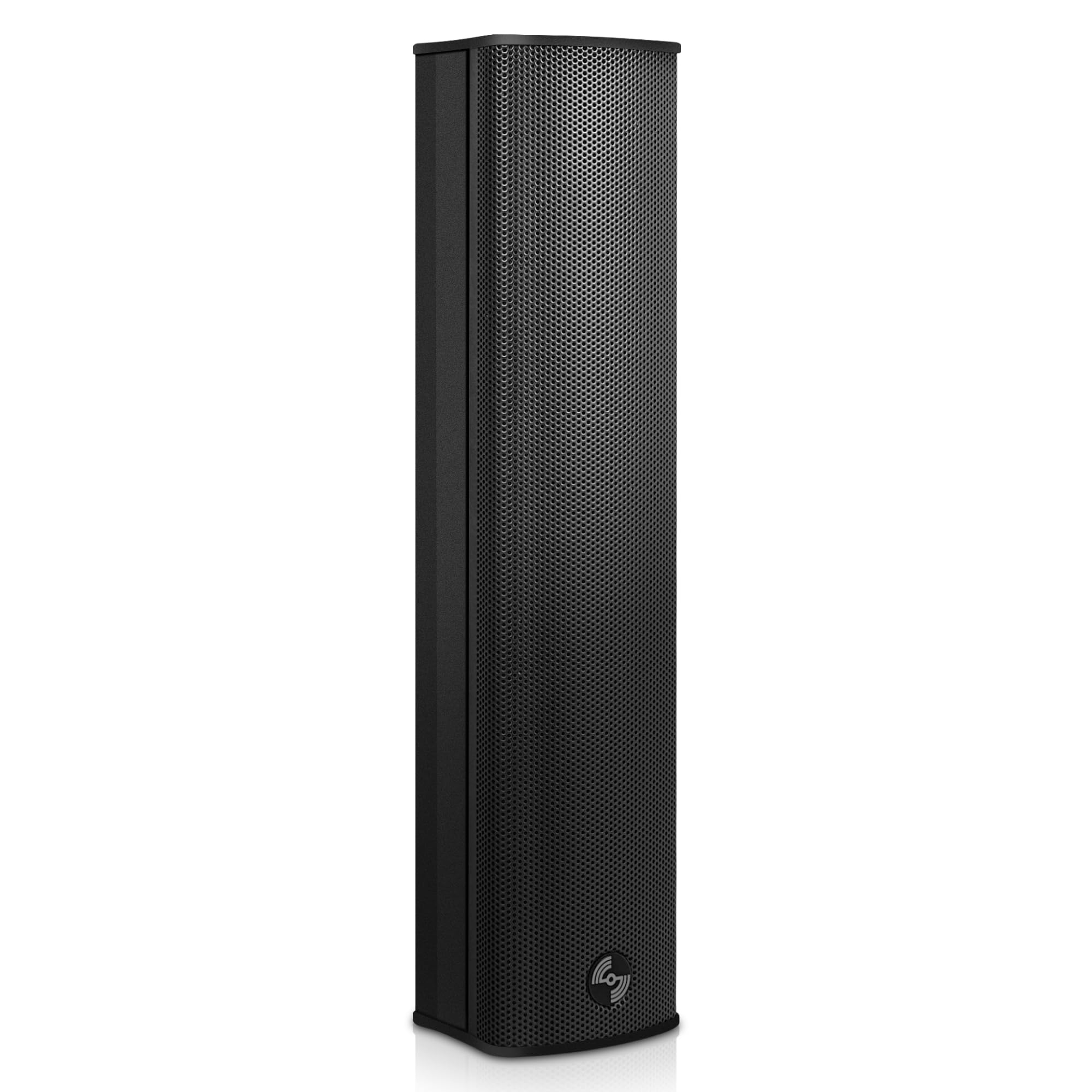


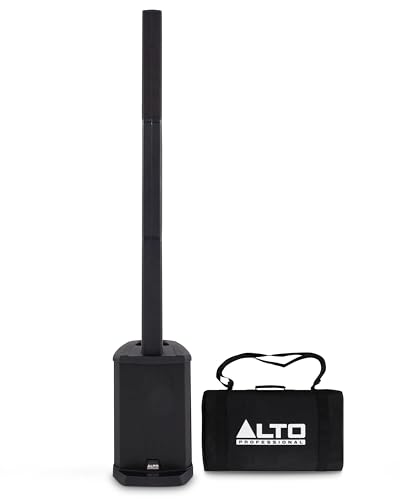

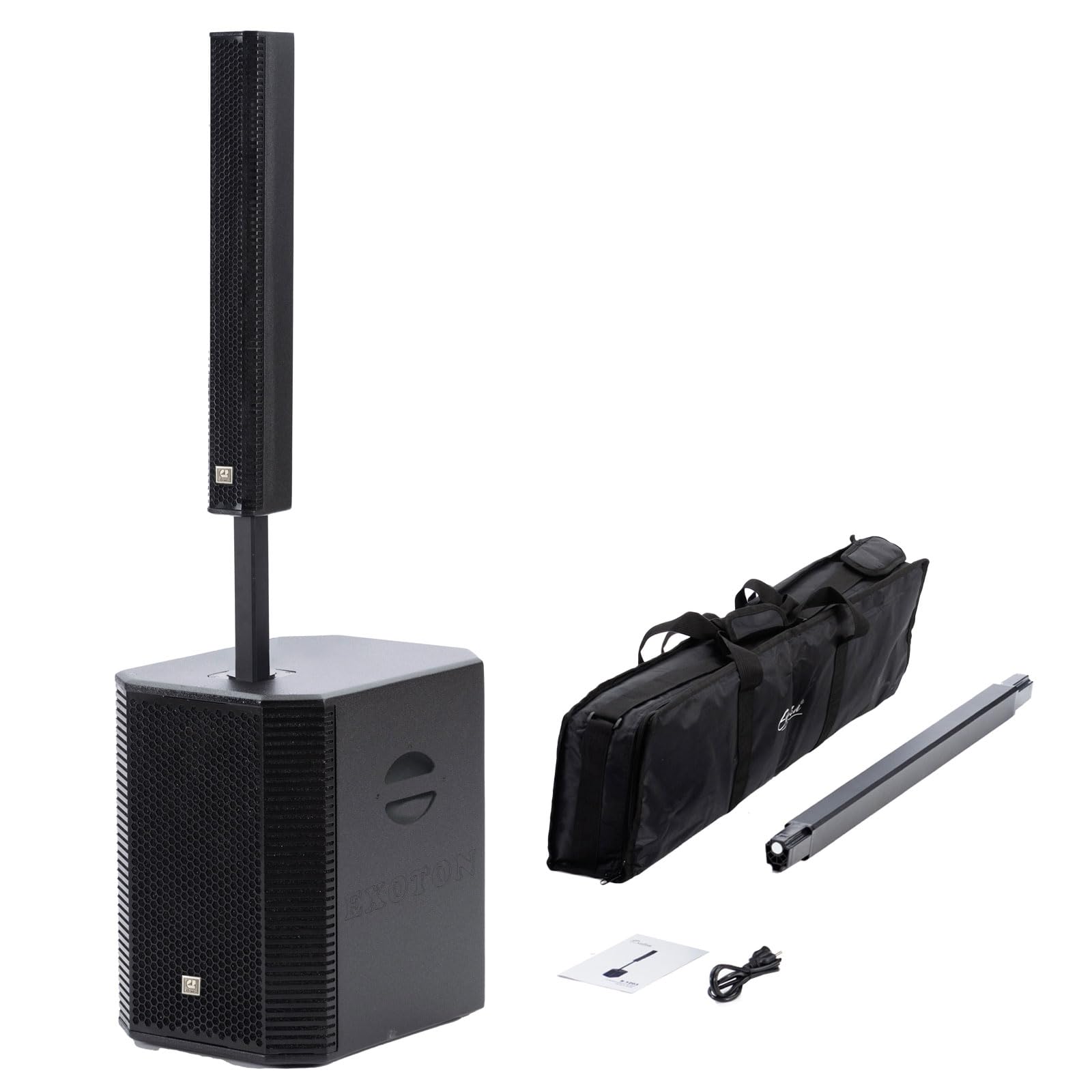
Who Should Buy Which Column Speaker?
Solo Performers and Mobile DJs
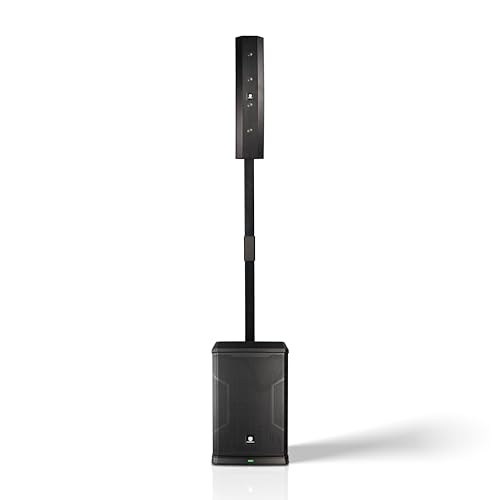
A powered column with a built in subwoofer and mixer is the quick answer. It sets up in minutes, fits in a car and needs only a microphone and a phone or laptop. Its limit is maximum output, so large crowds and open air events may need more speakers.
Churches, Classrooms and Small Venues
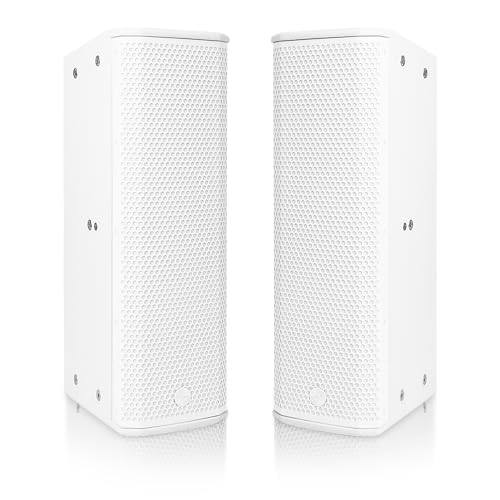
For clear speech, an installed or portable column with good vertical control keeps words understandable in rooms with hard walls. A pair of columns on either side of the stage gives even coverage and leaves sightlines clear.
Restaurants, Shops and Home Studios
Slim columns blend into a corner or mount on a wall, which suits background music in cafes and shops. Weatherproof models can also cover a patio, though long outdoor distances need more power.
Types of Column Speakers Compared
Passive Columns
Passive columns have no amplifier. You connect them to a separate power amplifier or mixer, which suits venues that already own an audio system and want to add coverage. They cost less up front but need matching amplifier power.
Powered Column Systems
Powered systems have amplification built in, and many include a subwoofer, a mixer, Bluetooth and a carry bag. They are the easiest option for portable gigs, though they weigh more than passive columns.
Weatherproof and Wall Mount Columns
Compact aluminum columns with wall brackets suit patios, shop fronts and covered outdoor areas. They are built for speech and background music rather than loud bass.
Key Features to Compare
Coverage Angle and Throw
Columns spread sound wide but narrow it vertically, so the sound reaches the back rows without bouncing off the ceiling. Check the stated horizontal angle, and plan more than one column for wide rooms.
Power and Amplifier Matching
Choose power for your loudest moments, not your average level. Peak watt ratings are often generous, so compare continuous power when it is listed, and match a passive column to an amplifier that does not exceed its handling.
Inputs and Mixing Controls
Look for microphone, line and Bluetooth inputs, plus a simple built in mixer if you perform solo. Installed systems usually pair with an external mixer, so check connector types before you buy.
Portability and Setup Time
Check the weight of the heaviest piece, usually the subwoofer, and whether the column splits into sections. A system you can carry in one trip is a system you will actually use.
Placement and Setup Basics
Place a column so its tweeters sit at about head height or slightly above for a standing audience, and aim it at the farthest listeners rather than the nearest ones. Keep it a short distance from side walls, because reflections from a nearby wall blur speech. If you use a subwoofer, set it near the front and move it in small steps while you listen from the audience area, since corners boost bass unevenly.
Walk the room with a spoken recording before the event. Listen at the back, at the sides and under any balcony, and adjust aim and volume until words stay clear everywhere. A short check each time you set up catches problems that change with furniture and crowd size.
What Different Budgets Buy
Entry systems around $200 to $450 usually cover small rooms, solo performers and speech, often with a basic mixer and Bluetooth. Midrange systems around $450 to $900 add stronger subwoofers, better amplification and sturdier cabinets for regular gigs. Premium systems above $900 bring cleaner sound, more headroom and reliable build for weekly use. Spend more only when your room size or schedule demands it.
Mistakes to Avoid
- Choosing by peak watts alone and ignoring coverage and build.
- Aiming columns at walls or ceilings, which muddies speech.
- Skipping a subwoofer for music, because small column drivers lack deep bass.
- Forgetting cables, stands and covers when you set the budget.
Related Guides
For a closer look at one type, read our guide to best column array speakers. If you want something smaller for personal use, see the best bt speakers, and for sound quality comparisons, the best sounding speakers. On the move, the best portable speakers and best mobile speakers guides cover lighter options.
Frequently Asked Questions
What is a column speaker good for?
It is good for clear speech and even music coverage in rooms and small venues. The tall line of drivers controls how sound spreads up and down, which reduces echo from floors and ceilings and makes announcements easier to understand.
Do I need a subwoofer with column speakers?
For speech you can often go without one. For music, a subwoofer handles kick drums and bass lines that small column drivers cannot reproduce, so many portable systems include a matching sub.
Are powered columns easier to set up?
Yes. A powered system needs only a power cable and a source, while a passive column needs a separate amplifier and speaker cables. For one person setting up alone, powered is simpler.
How many columns cover a large room?
One system often covers a small room. Long rooms may need a second column further back, and wide rooms may need a pair spaced apart. Walk the room and listen from the back and sides before adding more.
Can column speakers work at home?
Yes, for a living room party, a home studio or a garage. Slim columns take little floor space, though a powered PA system can be louder than a home needs, so a smaller model is often enough.
Final Thoughts
Match the type to how you will use the system: powered for portable gigs, passive for installed rooms, weatherproof for patios. Compare your shortlist in the product table, check coverage and inputs, and keep the full budget in mind. With those points settled, the best column speakers will give you clear, even sound where you need it.