Best Column Array Speakers: 2026 Venue Buying Guide
Disclosure: We may earn a commission when you buy through links on this page, at no extra cost to you. As an Amazon Associate I earn from qualifying purchases. Learn more

Column array speakers spread sound evenly across rooms and venues. Learn how driver count, coverage, and power shape performance for your space.
Column array speakers stack small drivers in a tall, slim column to project sound evenly over distance. The best column array speakers for you depend on venue size, audience layout, and whether you need portability or permanent installation. This guide explains coverage, power, and setup so you can choose without overspending.
Unlike a single point source speaker, a column array controls vertical dispersion, which reduces ceiling and floor reflections. That makes speech clearer in reverberant halls and music more even from front to back rows. The comparison table below outlines the main types, and the sections that follow explain sizing and setup.



Who Should Buy Each Type
Musicians and DJs
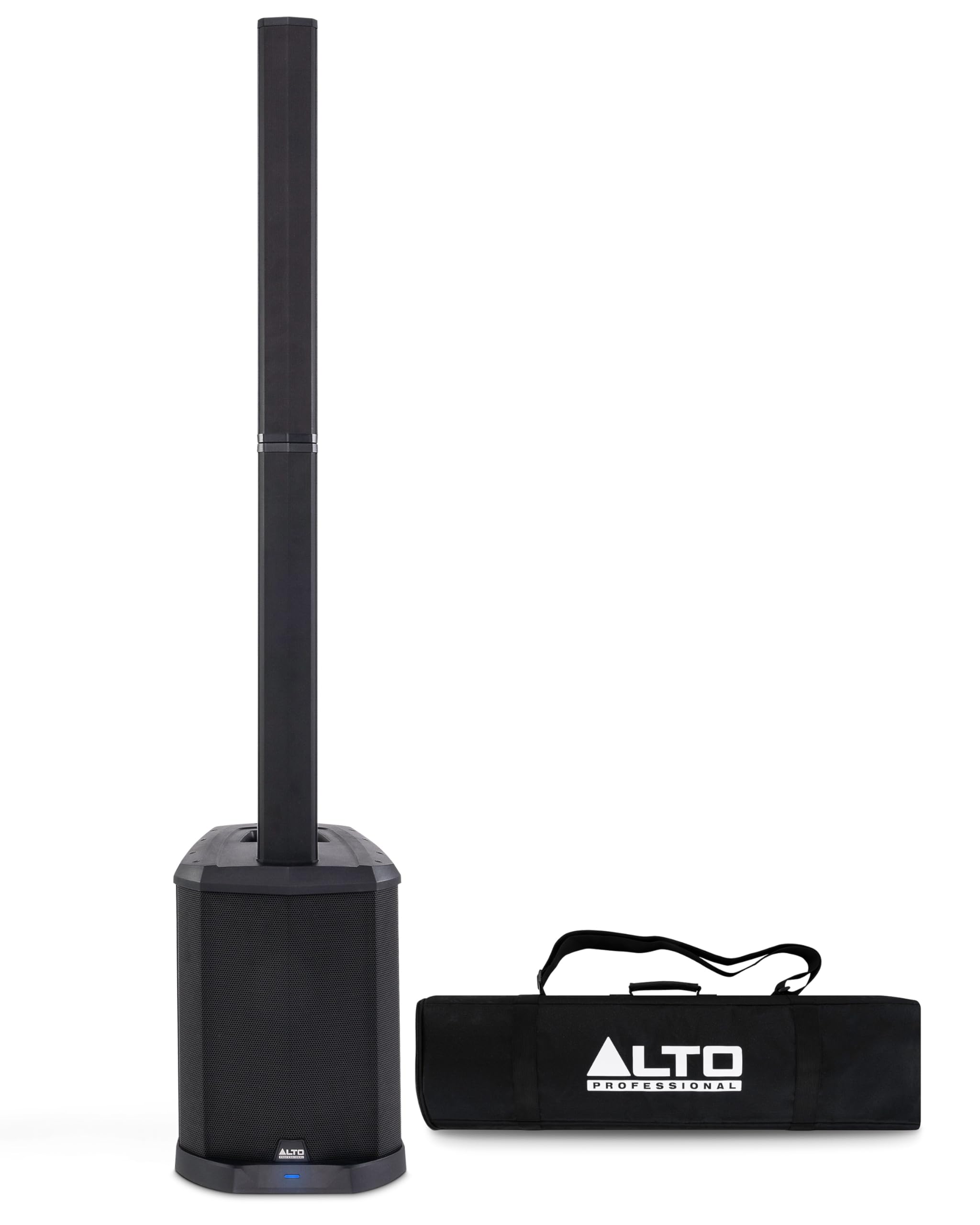
Portable column systems with a built in subwoofer suit solo performers, duos, and mobile DJs. They set up fast, cover small to medium rooms evenly, and pack into a car. Their weakness is maximum output, so very large or outdoor crowds may need bigger systems.
Venues and installers
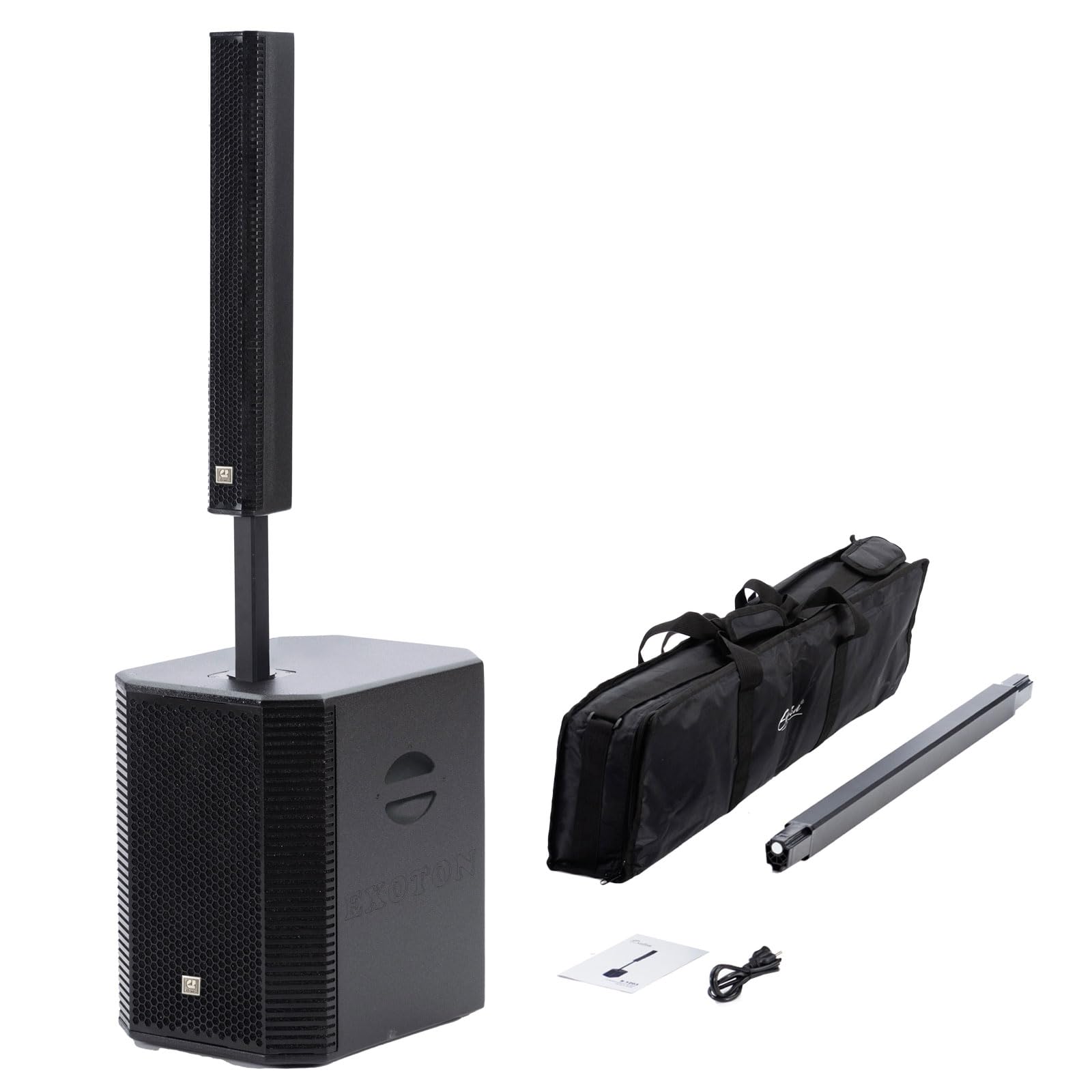
Installed column arrays suit houses of worship, conference rooms, and restaurants needing clear speech. They mount discreetly on walls and cover long rooms with fewer speakers. Their weakness is bass depth, so music venues often add subwoofers for full range sound.
Key Features to Compare
Coverage and throw
Check horizontal and vertical coverage angles, since columns spread sound wide but narrow vertically. That pattern suits long, narrow rooms and seated audiences. For wide rooms, plan multiple columns or wider dispersion models, and test coverage by walking the room during setup.
Power and headroom
Match amplifier power and speaker handling to your loudest moments, not your average level. Clean headroom prevents distortion that tires listeners and damages drivers. Outdoor use needs substantially more power than indoor use, since sound spreads freely without walls.
Subwoofer pairing and inputs
Most column systems need a subwoofer for full music bass, while speech only use can skip it. Check inputs for mixers, microphones, and Bluetooth, plus outputs for linking systems. Simple mixers built into portable systems suit solo acts, while installed systems pair with external mixers.
Price Tiers and What They Deliver
Systems around $400 to $900 usually cover portable columns for small rooms and solo acts. Systems around $900 to $2,000 add larger arrays, stronger subs, and better mixers for medium venues. Installed systems above $2,000 bring custom coverage, network control, and venue tuned performance.
Living With Your Choice Day to Day
Position columns at ear height or above, angle them toward the audience, and test from the back rows before events. Protect drivers during transport with covers, and check cables and mounts regularly. Keep volume below distortion, since clipped signals harm drivers faster than clean power.
Related Guides Worth Reading
Readers weighing nearby options often look at best column speakers next, since it covers a closely related choice in more detail.
If you want to compare a related category before deciding, best array speakers walks through the key differences.
For a different angle on a similar buying decision, best line array speakers is worth a look alongside this guide.
Shoppers who narrow their shortlist here often check best line array speakers for dj to see how a related option compares.
A Final Check Before You Order
Walk your venue with a test speaker or a borrowed system before buying, listening from the back rows, side seats, and corners. Coverage problems hide near the stage, where sound always seems loud enough. Note echoey walls, high ceilings, and balcony overhangs that affect clarity, since column arrays help most in reverberant spaces. A venue walk reveals whether one system suffices or delayed speakers are needed.
Check power and cabling routes, including outlet locations, cable runs across walkways, and mixer placement. Portable systems need accessible power without trip hazards, while installed systems need planned cable paths and mounting points. Confirm weight limits for wall mounts and stands, since column arrays plus subwoofers weigh more than they look. Logistics planning prevents setup surprises on event day.
Compare total system cost, including subwoofers, mixers, cables, covers, and stands, not just the column price. A column without a subwoofer suits speech but disappoints music audiences, while a system without covers wears out fast in transport. Budget the full rig honestly, since hidden extras strain budgets after purchase. Complete system pricing guides smarter choices than component pricing alone.
Test speech intelligibility specifically, not just music loudness, since clear announcements matter in venues, worship spaces, and conferences. Play spoken word recordings from the back rows and ask listeners whether words remain distinct. Column arrays should improve clarity over point speakers in reverberant rooms, but placement and aiming still decide results. Clarity testing beats volume testing for venue success.
Mistakes Worth Avoiding
Do not aim columns at walls or ceilings hoping reflections will spread sound, since reflections muddy speech and waste energy. Aim columns directly at the audience, slightly above ear height, and keep them clear of obstructive pillars and drapes. Test aiming from audience seats, not from the stage, since stage sound misleads. Direct, aimed sound beats reflected sound for clarity every time.
Do not run systems into distortion to reach distant listeners, since clipped signals damage drivers and tire audiences. Add delayed speakers or larger systems when distance demands more output, rather than pushing one system beyond clean limits. Distortion sounds harsh for a reason, and it shortens driver life. Clean headroom protects both equipment and ears.
Do not neglect subwoofer placement, since corner placement boosts bass unevenly while central placement often sounds smoother. Test subwoofer positions by listening from audience seats, moving the sub in small steps until bass feels even. A well placed modest subwoofer beats a powerful subwoofer in a bad corner. Bass balance matters as much as bass quantity for music enjoyment.
One More Check Before You Decide
Label all cables and mixer settings after a successful setup, so future events start from a known good configuration. Photograph mixer knob positions and speaker placements that worked well in your venue, and store the photos with the system. New operators can then recreate good sound without trial and error. Documentation turns one good setup into repeatable results for every event.
Schedule a listening check from audience seats before every event, even when the setup looks identical to last time. Room layouts change with furniture, audience size, and decorations, all of which affect sound. A five minute check with spoken word and music catches aiming or level problems while they remain easy to fix. Consistent checks separate reliable venues from ones that gamble on memory.
Keep spare cables, adapters, and a backup microphone in the system case, since small accessory failures cause disproportionate event disruption. A missing adapter can silence an entire setup, while a spare restores it in seconds. Inventory accessories before each event, replacing worn cables before they fail on stage. Spare basics are cheap insurance for professional reliability.
Frequently Asked Questions
What makes column arrays different?
Column arrays use many small drivers in a vertical line to control how sound spreads up and down. That control reduces reflections from floors and ceilings, which improves speech clarity. Single speakers spread sound in all directions, which can muddy reverberant rooms. Columns trade some bass depth for even coverage over distance.
How many column speakers do I need?
One column system often covers a small room or a solo performance well. Long rooms may need delayed columns further back to keep sound even. Wide rooms may need two systems spaced apart for stereo or dual mono coverage. Walk the venue and listen from the back and sides before adding more speakers.
Do column arrays need a subwoofer?
Speech only systems often work without a subwoofer, since voices need little deep bass. Music systems benefit greatly from a subwoofer, which handles kick drums and bass lines that small column drivers cannot. Portable column systems often include a matching subwoofer base. Installed systems add subs separately for music venues.
Are column arrays good outdoors?
Column arrays work outdoors for ceremonies, small gatherings, and background music, where even coverage matters. Wind and open space reduce effective range, so outdoor events need more power and sometimes more systems. Bring a wind cover for exposed controls and test volume at the back of the audience area before guests arrive; weather protection matters for permanent outdoor installs. For large outdoor concerts, bigger line arrays usually suit better.
How do I set up a column system?
Place the column at audience ear height or slightly above, aim it at the farthest listeners, and keep it clear of walls that cause reflections. Set mixer levels conservatively, then walk the room while music plays. Adjust aim and delay settings for rear speakers where fitted. A sound check from the back rows reveals problems the stage position hides.
Final Thoughts
Match coverage to your room shape, size power for peaks, and add a subwoofer for music. The product table above can narrow the systems, but a walk through test in your venue decides. Even, clear sound at moderate volume beats loud, muddy sound every time.
A careful final pass through the points above will help your best column array speakers decision feel settled rather than rushed.