Best Closed Toe Sandals For Walking 2026: Buying Guide
Disclosure: We may earn a commission when you buy through links on this page, at no extra cost to you. As an Amazon Associate I earn from qualifying purchases. Learn more

Choose the best closed toe sandals for walking with toe protection, arch support, secure straps and sizing that stays comfortable on long days.
Choosing best closed toe sandals for walking solves a common dilemma: you want sandal airflow, but you also want toe protection on trails, city streets, and wet paths. Closed toe sandals cover the front of the foot while leaving the rest open, which suits walkers who stub toes easily or need extra protection at work and outdoors.
This guide covers toe protection, arch support, straps, and sizing for long walking days. The comparison table below gives a quick overview, and the sections that follow help you choose sandals that stay comfortable from the first mile to the last.




Who Should Buy Closed Toe Sandals
Closed toe sandals suit walkers, travellers, gardeners, and anyone who spends long days on their feet in warm weather. They protect toes from stones, roots, and curbs while still ventilating better than closed shoes. They also suit people who work outdoors or near water, where toe injuries are a real concern.
They are less suited to very cold or wet winter walking, where waterproof boots offer more warmth and protection. They also may not suit formal occasions, though some leather closed toe sandals look smart enough for casual dining and travel. For warm weather walking, they are a practical middle ground.
Toe Protection and Upper Design
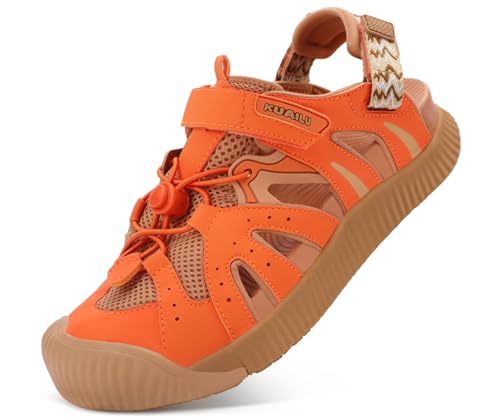
Toe protection should cover the front without pressing on toenails or squeezing the forefoot. A rubber toe cap or a sturdy leather front guards against stubs, while a soft lining prevents rubbing. Check that the toe area flexes with your foot rather than holding rigid, since a stiff front can cause blisters on long walks.
Upper straps should hold the foot securely without cutting into skin. Adjustable straps at the ankle, midfoot, and forefoot let you fine tune fit, which matters as feet swell during a long day. A heel strap keeps the sandal stable on uneven ground, while a slide style without a heel strap suits only short, flat walks.
Arch Support, Cushioning, and Outsoles
Arch support matters greatly for walking sandals, since flat sandals can strain feet, knees, and backs over distance. Look for contoured footbeds with clear arch support, a deep heel cup, and cushioning that rebounds rather than flattening quickly. If you use orthotics, check whether the footbed is removable.
Outsoles should grip on wet and dry surfaces without feeling heavy. Lugged rubber soles suit trails and wet paths, while smoother soles suit city pavements. Weight matters too: a heavy sandal tires legs over a long day, so compare weight per pair, not just looks.
Break sandals in gradually with short walks before a long trip. Even well fitting sandals can rub at first, and a short break in period reveals pressure points while you can still adjust straps or return them. Wear the socks, if any, that you plan to walk in during break in.
Sizing, Fit, and Foot Conditions
Size closed toe sandals so toes do not touch the front during downhill walking, and heels sit within the footbed without hanging over the back. Feet swell during the day, so try sandals later in the day and walk around the shop or home before deciding. Width matters as much as length, especially for wide or narrow feet.
People with diabetes, poor circulation, bunions, or persistent foot pain should take extra care with fit and seek clinician or podiatrist advice if pain, numbness, redness, or sores appear. A comfortable sandal should never cause blisters that break skin repeatedly. If pain persists, stop use and discuss footwear with a clinician, since fit advice alone cannot replace medical guidance.
Care and Longevity
Rinse sandals after mud, sand, or saltwater, and air dry away from direct heat. Clean leather uppers with suitable products, and check straps and stitching regularly for wear. Replace sandals when cushioning flattens, outsoles wear smooth, or straps no longer hold the foot securely.
Rotate sandals with another pair on long trips if possible, since rotation lets footbeds recover and reduces odour. Keep sandals out of hot cars, which can warp footbeds and dry adhesives. Simple care keeps walking sandals comfortable for many seasons.
Related Guides to Compare
Walking is only one use for a covered toe, so it helps to know where the nearby styles differ. Our overview of the best closed toe sandals covers casual and outdoor styles beyond walking specific models. Women who find unisex pairs slip at the heel can read the best closed toe sandals for women for narrower lasts, and men with larger or wider feet will find sturdier options in the best men's closed toe sandals.
If your walks turn into rough trails, the best closed toe hiking sandals adds deeper tread and stronger toe caps than a city pair needs. For river banks, lakes and wet paths, the best closed toe water sandals explains drainage and quick drying straps in more depth.
Living With Your Choice
Travel packing with walking sandals is easier when sandals are light and pack flat. Choose a pair that serves for city walks, light trails, and casual meals, so one pair covers several days. A second pair of lightweight shoes for evenings or rain gives flexibility without overloading luggage.
Wet weather walking needs a quick drying sandal with good grip. Closed toes protect against puddle debris, while drainage channels prevent water pooling underfoot. Dry sandals thoroughly after wet walks, since damp footbeds develop odour and wear faster than dry ones.
Workplace walking in closed toe sandals suits jobs that allow open footwear but require toe protection. Check workplace rules first, since some sites require fully closed shoes regardless of sandal design. A smart leather closed toe sandal may pass a dress code where a sporty sandal would not.
Seasonal rotation keeps sandals in good condition. Store winter boots and summer sandals separately, clean sandals before storage, and check straps before the next season. A quick pre season check prevents discovering worn straps on the first warm walk of the year.
Airport and travel days suit closed toe sandals well, since they slip off easily at security while still protecting toes in busy terminals. Choose a pair with secure straps for long concourse walks, and carry a pair of socks if airport floors feel cold or if you prefer a barrier. A comfortable travel sandal makes long transit days far less tiring, especially when combined with a light, well fitted day pack.
Frequently Asked Questions
Are closed toe sandals good for long walks?
Yes, when they offer arch support, secure straps, and a grippy outsole, closed toe sandals suit long warm weather walks well. Toe protection guards against stones and curbs, while open uppers ventilate better than closed shoes. Break them in gradually before a long trip.
How should closed toe sandals fit?
Toes should not touch the front on downhill walks, heels should sit within the footbed, and straps should hold securely without cutting skin. Try sandals later in the day when feet are slightly larger, and walk around before deciding. Width matters as much as length.
Can I wear closed toe sandals with orthotics?
Some models have removable footbeds that accept custom orthotics, while others do not. Check footbed removability and depth before buying, and try them with your orthotics in place. A podiatrist can advise if your orthotics need a specific sandal style.
Are closed toe sandals safe for people with diabetes?
People with diabetes or poor circulation should take extra care with fit and check feet regularly for redness, blisters, or sores. Seek clinician or podiatrist advice if pain, numbness, or skin breaks occur. Never ignore persistent foot pain, since early advice prevents larger problems.
How do I care for walking sandals?
Rinse after mud, sand, or saltwater, air dry away from heat, and clean leather with suitable products. Check straps and stitching for wear, and replace sandals when cushioning flattens or outsoles wear smooth. Rotating pairs on trips helps footbeds recover and reduces odour.
Final Thoughts
Protect your toes without sacrificing arch support or fit. Choose adjustable straps, a contoured footbed, and a grippy outsole, then break sandals in before a long trip. Review the product table above and pick the best closed toe sandals for walking pair that keeps you comfortable mile after mile. Carry a pair of socks on long days, adjust the straps when your feet swell in the afternoon, and retire the pair once the tread or footbed goes flat.