Best Closed Toe Water Sandals 2026: Which One Fits the Way You Use It?
Disclosure: We may earn a commission when you buy through links on this page, at no extra cost to you. As an Amazon Associate I earn from qualifying purchases. Learn more

Match the best closed toe water sandals to your use, from beach days to river hikes, with clear guidance on grip, drainage, fit, and support.
A water sandal that is perfect at the beach can feel miserable on a rocky river hike, and a rugged hiking sandal is often more shoe than you need for the pool. That is why the search for the best closed toe water sandals should start with your use, not with a single top rated style. A closed toe protects you from rocks, roots, and stubs while the rest of the sandal drains and dries like swim gear.
This guide sorts buyers by routine first, then covers drainage, grip, fit, and support in plain terms. Tell yourself honestly how much walking, swimming, and rough ground your days include. Then use the comparison table below to match those needs to the right level of sandal.


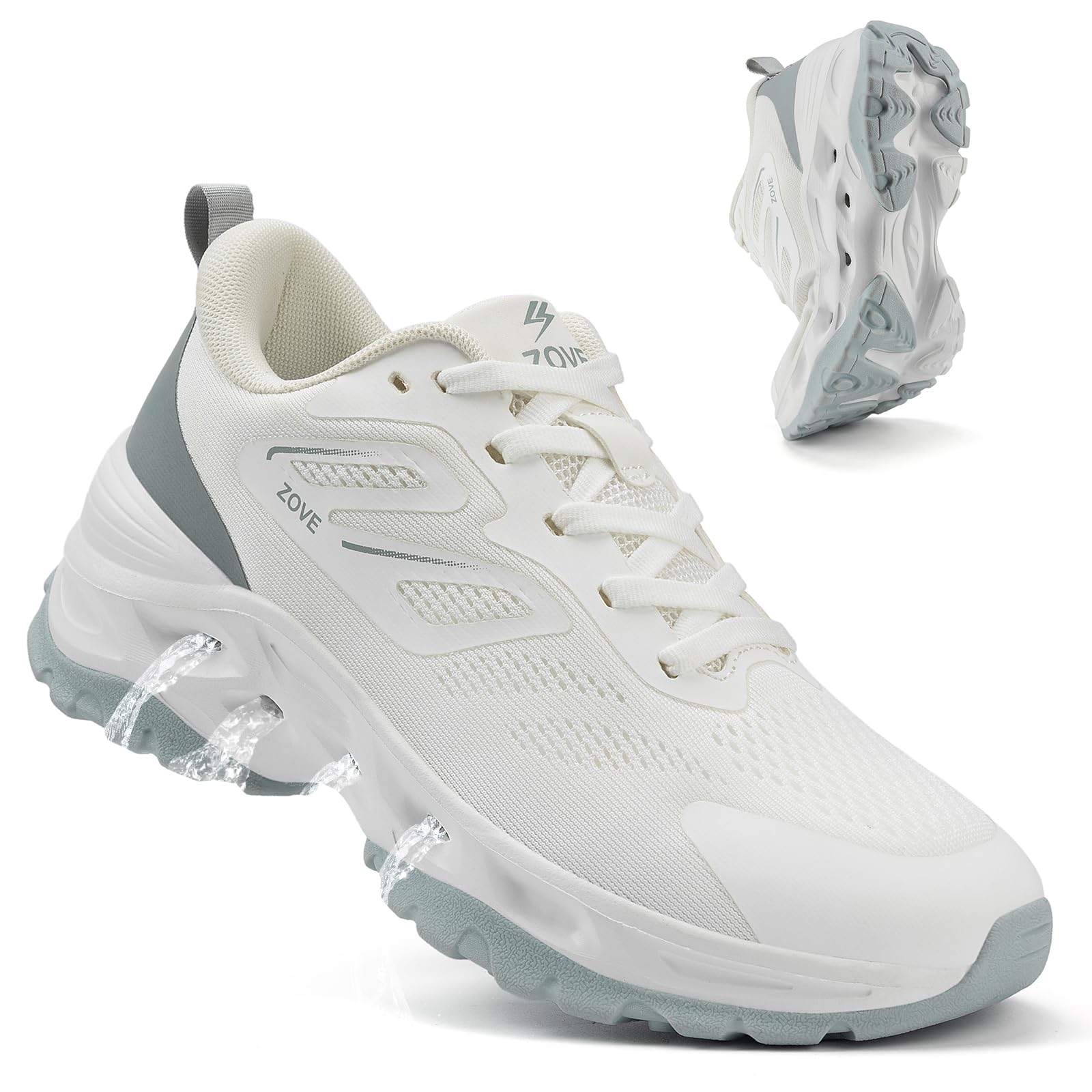
Who Should Buy Which Closed Toe Water Sandals?
For Small Spaces and Easy Storage
If you pack light for travel, cruises, or a small beach bag, choose a slim, flexible pair that lies flat and dries fast. Light synthetic uppers and a thinner sole keep bulk down and make the pair easy to rinse in a sink. You give up some underfoot protection and support, so this style suits pool decks, sand, and short walks rather than trails. Look for a toe bumper that still covers fully, because compact models sometimes shrink the protection that makes a closed toe worth choosing.
For Frequent or Serious Users
If you hike to waterfalls, wade rivers weekly, or work around water all summer, invest in the tougher end of the range, about $80 to $140. Prioritize a lugged outsole with strong wet grip, a firm midsole, reinforced toe protection, and straps that adjust at several points. Durability and a good warranty matter because wet grit wears footwear fast. A pair built like a light hiking shoe with drainage will serve you better than a beach sandal used hard every weekend.
For Weekend Beginners
If your water days are occasional beach trips, lake docks, and easy creek walks, a mid priced pair around $50 to $90 covers you well. Choose comfort out of the box, simple strap adjustment, and a sole with enough tread for wet rock and boat ramps. You do not need the stiffest hiking build yet, and a softer ride will feel better on sand and pavement. Make sure the closed toe has real room, since beginners often size down and then regret it when feet swell in the heat.
For Bad Weather and Tough Conditions
If your trips mix rain, mud, sharp rock, and long approaches, pick the most protective build you can find. Look for tough synthetic or coated materials that shrug off abrasion, a high and firm toe bumper, and drainage ports that clear water without letting in large grit. A secure heel strap and a fit that stays snug when wet are essential, because a loose sandal on slick rock is a fall risk. Accept extra weight here, since protection and grip earn their keep when conditions turn rough.
Best Closed Toe Water Sandals for Specific Needs
Best Men's Closed Toe Water Sandals: What to Prioritize
When shoppers ask about best mens closed toe water sandals, three points usually decide satisfaction. First, size range and width run larger on average, so check foot length in centimeters and look for wide options if your forefoot feels pinched. Second, heavier builds and longer walks reward a firmer midsole and real arch support rather than a flat beach footbed. Third, strap hardware should feel strong, with wide straps that spread pressure when the sandal is wet and heavy. Use the product table above to check these points against the models in your size.
Key Features to Compare
Waterproofing (Gore Tex and Membranes)
Water sandals work differently from waterproof shoes, and the distinction matters. A membrane shoe with Gore Tex aims to keep water out, which suits cool rain and shallow puddles but can feel slow to dry once water gets in over the top. A true water sandal instead lets water flow through and drain, using quick drying materials and open ports. For swimming, wading, and hot weather, drainage beats waterproofing almost every time. The trade off is breathability and warmth: draining sandals feel cool and fresh in summer, while membrane shoes feel better in cold wet conditions where you stay mostly dry.
Break In Period and Comfort Out of the Box
A good water sandal should feel comfortable on the first wear, with no strap edge digging in and no toe bumper pressing your nails. Synthetic straps soften only slightly, so do not count on a big change with use. Wear a new pair around the house and on one short wet walk before a long trip, and check for rub points when the straps are wet, because wet webbing can chafe skin that felt fine dry. If you get a hot spot, adjust the straps first, then consider a thin water friendly sock for long hikes.
Fit, Sizing, and Toe Box
Measure your feet in the afternoon and fit sandals at that size, because heat and walking swell feet during real use. You want about a thumb width in front of your longest toe inside the bumper, enough height that your toenails never press the top, and a heel that stays seated when the sandal is wet. A wide toe box suits most water use because toes spread for balance on uneven wet ground. If you are between sizes, size up in closed toe styles and use the straps to secure the midfoot, rather than accepting a short fit that will bruise toes on descents.
Arch Support and Foot Type
Flat feet, high arches, and overpronation, where the foot rolls inward, all change which footbed will feel good on a long wet walk. Flat feet usually do well with a firm, gently contoured footbed and a stable heel. High arches often need more cushioning under the midfoot plus a strap fit that does not force the arch down. If your ankles roll inward, favor a wider, stable sole and a secure heel strap over a narrow flexible beach style. For short swims and sand days these details matter less, but for mile long river walks they decide whether your feet feel fresh at the end.
For general closed toe styles beyond water use, see our guide to the best closed toe sandals. Women comparing fit and strap designs can also read our guide to the best closed toe sandals for women, and walkers who stay mostly on dry paths may prefer the best closed toe sandals for walking guide.
Common Mistakes to Avoid When Buying Closed Toe Water Sandals
- Choosing by price alone. The cheapest pairs often skimp on wet grip and toe protection, which are the two traits that matter most in water.
- Confusing waterproof with water ready. A sealed membrane shoe can stay soggy for hours after a swim, while a draining sandal is dry enough to walk in within minutes.
- Sizing too small. Toes need room inside a closed bumper, especially on downhills and after feet swell in heat.
- Ignoring wet fit. A sandal that feels snug dry can slide when wet, so check heel hold with straps fully adjusted.
- Skipping the warranty check. Strap stitching and sole bonding work hard in water and grit, so clear warranty terms are real value.
Tips to Get the Most From Your Closed Toe Water Sandal
Rinse your sandals with fresh water after beach or lake days to remove sand and salt that grind into straps and footbeds. Air dry wet shoes away from direct heat, and let them dry fully before you store them so odor and mildew stay away. Rotate two pairs for daily wear on a long trip, which gives each pair time to dry and restores some midsole bounce. As a general shoe care guide, replace running shoes every 300 to 500 miles, and use the same wear based thinking for sandals that log long hiking miles each summer.
Men comparing dedicated options can start with our guide to the best men's closed toe sandals, while trail focused readers should see the best closed toe hiking sandals guide for stiffer, hike ready builds.
Frequently Asked Questions
Are expensive closed toe water sandals worth it?
They are worth it if you hike, wade, or travel often, because higher prices usually buy better wet grip, firmer support, and straps that last more seasons. For a few pool days a year, a mid priced pair gives nearly the same experience. Judge the outsole and fit first, then decide if the extra cost maps to your actual days in the water. Price by itself does not guarantee comfort in your size.
How should closed toe water sandals fit?
They should fit with room in the toe bumper, a secure midfoot, and a heel that does not lift when wet. Your toes should never touch the front on a downhill step, and straps should hold without digging. Try them in the afternoon and, if you can, after wetting them, because that is the fit you will live with. A fit that needs constant strap tightening on a short shop walk will only get looser on the trail.
Do I need waterproof shoes?
For most summer water use, no. Draining sandals handle full immersion better than waterproof shoes, which trap water that enters over the collar and dry slowly. Waterproof footwear makes sense for cool weather, shallow water, and trips where you expect rain but not swimming. Choose based on the deepest water you will meet: if you will stand in it, choose drainage; if you will walk beside it in the cold, a membrane can help.
Can I wear them all day?
Yes, if you pick a pair with real arch support, a cushioned but firm midsole, and straps that do not rub when wet. Beach focused pairs with flat thin soles often feel fine for two hours and tiring by hour six. Build up wear time before a big day, and carry a dry backup pair on trips if your feet are sensitive. Stop and adjust straps early rather than pushing through a hot spot that becomes a blister.
How long is the break in period?
Most water sandals need little break in time, often just one or two short wears to settle strap settings. Synthetic materials change far less than leather, so the fit you feel in the first week is close to the long term fit. That is good news for trip planning, but it also means you should not buy a pair that rubs and hope it will transform. Comfortable out of the box is the right standard here.
How often should I replace my closed toe water sandals?
Replace them when wet grip fades, the midsole feels flat, or strap stitching starts to fail. For regular summer hikers that is often after two to three seasons, and for daily wear near water it can be sooner. Check the outsole for smooth worn patches, which are an early warning on slick rock. Keeping a pair past its grip life is a safety issue, not just a comfort one.
The Bottom Line
Match the build to your water first: light and draining for beach and pool days, firm and grippy for rivers and trails, and protective for rough mixed trips. Then confirm a roomy toe fit, a secure wet heel, and arch support that suits your feet. Compare your short list with the product table above, and the best closed toe water sandals for your routine will be the pair you forget you are wearing until the toe bumper saves your foot on a hidden rock.