
Best Clog Boots in 2026: Matching the Right Model to Your Routine
Disclosure: We may earn a commission when you buy through links on this page, at no extra cost to you. As an Amazon Associate I earn from qualifying purchases. Learn more
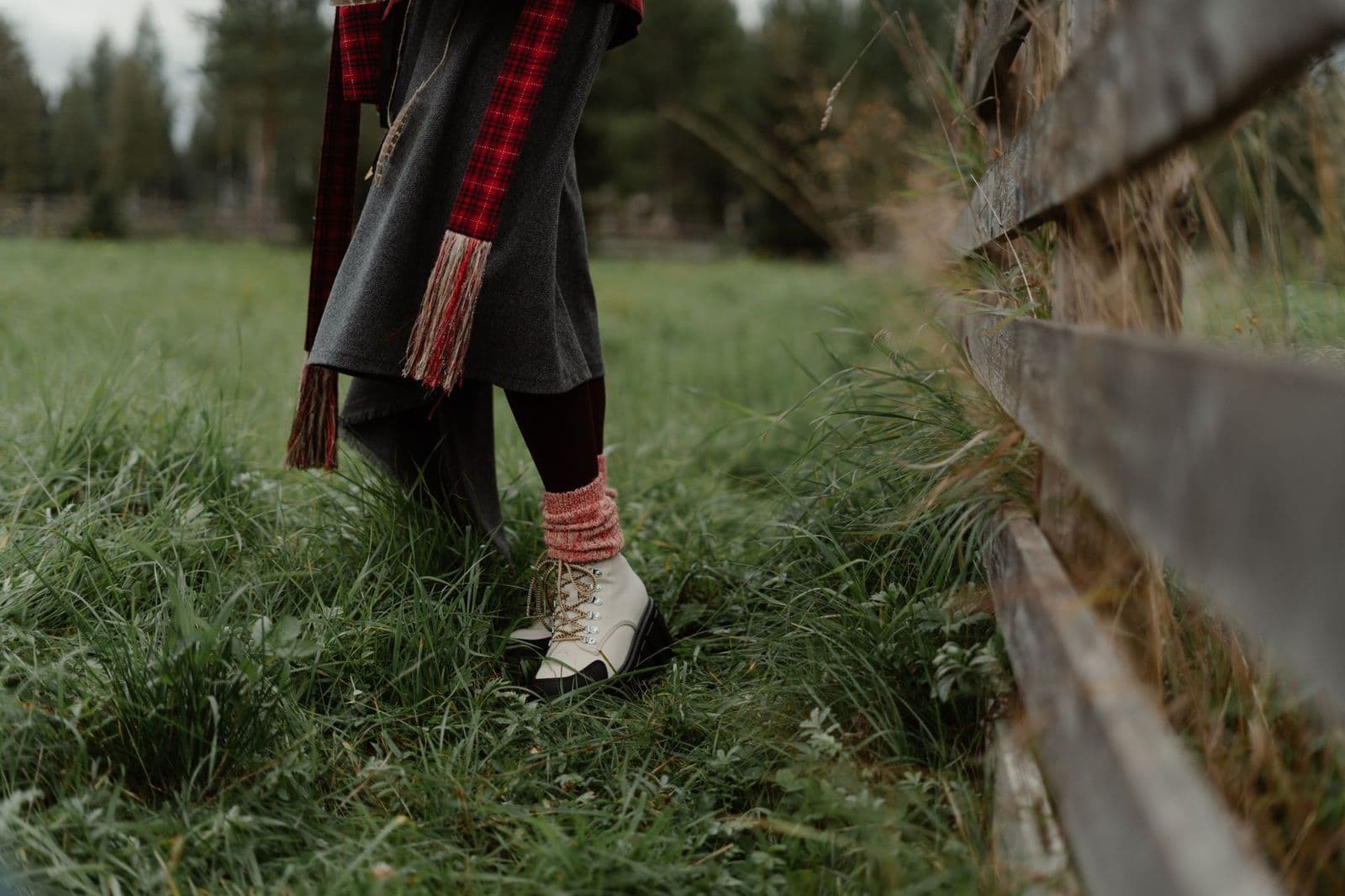
Compare the best clog boots by fit, arch support, traction and upper material, with sizing help, care tips and advice for work, garden and daily wear.
No single pair of clog boots suits every routine, because a garden morning, a long shift and a wet school run ask for different things. The best clog boots for you match your ground, your standing time and your foot shape. Use the checks in this guide to judge each pair against your needs.
This guide works by use case first. You will see which features matter for wet weather, which matter for hours on hard floors, and which you can skip. Fit comes before looks, since a boot you slip on in seconds still has to hold your foot steady.
Who Should Buy Which Clog Boots?
Start with the job you repeat most often. A pair built for mud feels heavy in a kitchen, and a light shift pair soaks through in a garden.
For Wet Weather, Gardens and Muddy Yards
You need a waterproof upper, a closed toe and an outsole that grips wet soil and slick stone. Molded synthetic uppers rinse clean under a tap and shed rain without soaking, which suits gardens and dog walks in poor weather. Look for deeper lugs that bite into soft ground. Cushioning matters less here than grip, because most trips outside are shorter than a full shift.
For Long Shifts on Hard Floors
You stand or walk for hours on tile, concrete or sealed floors, as in health care, kitchens, retail and workshops. Prioritize a contoured footbed with real arch support, steady cushioning that does not bottom out by midday, and an enclosed heel or a back strap that stops sliding as you move. A breathable lining helps, and fine tread grips flat floors better than deep lugs.
For First Time Buyers and Easy Weekend Wear
You want a simple pair for errands, short walks and time at home, and you have never worn a raised clog sole before. Choose a moderate heel height, a wide and stable base, and an upper that slips on easily. Most starter pairs cost about $50 to $100, enough for daily casual use without heavy duty protection you will not need.
Key Features to Compare
Compare these five factors in the same order for every pair. Ground and foot shape come first, because no upper can fix a boot that slides or squeezes your toes.
Arch Support and Foot Shape in Clog Boots
Arch support is the shaped rise under your midfoot, and it spreads load so your heel and forefoot do not take every step alone. Flat feet usually feel better with a firm contoured footbed that resists rolling inward, while high arches often need softer cushioning under the arch. A removable footbed helps if you use your own inserts. If you have ongoing foot pain, swelling that does not settle, or numbness, talk with your clinician about personal needs.
Fit, Sizing and Toe Box Room in Clog Boots
Clog boots should hold your midfoot and heel gently while your toes move freely inside a roomy toe box. Your longest toe should stop short of the front, with about a thumb width of space when you stand, because feet spread under your weight. Check instep height as well as length, since a high instep can feel tight under a stiff upper. Brands size clog lasts differently, so trust the fit checks below over your usual number.
Weight and Flexibility in a Clog Boot
A clog boot balances a stiff protective platform against the flex your forefoot needs to roll into each step. Heavy leather and wood style soles protect well on rough ground, but they tire your legs on long walks. Light molded pairs feel easier for shifts, yet a very soft sole can flex too much and leave your arch working harder.
Flex the boot by hand if you can. It should bend at the ball of the foot and stay firm through the middle.
Outsole Traction and Stability in Clog Boots
The outsole is your contact with the ground, so its pattern should match your surface. Shallow tread with broad flat contact grips tile and sealed concrete, while lugs of about 3 to 5 mm suit soil, gravel and wet grass. A wide base gives stability on a raised platform, and a modest heel to toe drop feels steadier than a tall heel with a thin forefoot. Rubber grips better than hard plastic on wet floors, so choose rubber for slick ground.
Upper Materials and Breathability in Clog Boots
Leather uppers are durable and shape to your foot with wear, but they need drying time after rain and regular care. Molded synthetic uppers are waterproof and rinse clean in seconds, yet they trap more heat. Knit and fabric uppers feel breathable and light in dry weather, but they soak quickly and offer less protection from knocks. Pick by your wettest normal day, since a breathable upper cannot be made waterproof later.
How to Measure Your Feet and Check Clog Boot Fit
Measure both feet late in the day, when they are at their largest, and wear the socks you plan to use most. Stand on paper, trace each foot, and note the length from heel to longest toe plus the width at the widest point. That quick check is the fastest way to narrow the best clog boots to pairs your feet will accept.
When you try a pair on, walk on a hard floor for several minutes instead of judging fit while seated. A small amount of heel movement is normal in a slip on style, but your heel should not lift clear of the footbed with each step.
Keep related footwear searches apart as you decide. If you mainly need warm indoor comfort with an open heel, see our guide to the best clog slippers for house use. If you want an open style for dry summer days, see our guide to the best clog sandals instead. A clog boot earns its place when you need closed toe coverage, ankle height and grip.
Common Mistakes to Avoid When Buying Clog Boots
These common errors can end a purchase within the first week.
- Ordering your usual shoe size without checking toe box width leaves your toes pressed against the sides all day.
- Choosing a tall platform for icy paths or steep uneven ground raises your fall risk with every step.
- Picking a smooth outsole for wet gardens or kitchen floors leaves you sliding on the surface you face most.
- Planning to wear thick winter socks in a pair fitted with thin socks makes the instep painfully tight.
- Ignoring the return window leaves you stuck with a fit problem you could have spotted in the first week.
Care and Maintenance for Clog Boots
Brush soil from the upper and outsole after outdoor use, then rinse molded pairs with plain water and wipe leather pairs with a damp cloth. Air dry wet boots away from direct heat, since radiators and strong sun can crack leather and warp molded soles. If you wear clog boots daily, rotate two pairs so each footbed has a day to dry and regain its cushion.
Clear stones and packed mud from the lugs each week, because blocked tread grips poorly even when the rubber is still sound. Check for smooth patches on the outsole and cracks at the flex point. Store your boots upright in a dry place, never sealed in a bag while damp.
Clog Boots: Your Questions Answered
How should clog boots fit on your feet?
Clog boots should feel secure at the midfoot, free at the toes and calm at the heel when you stand and walk. Fit the larger of your two feet, since most people have one foot slightly longer. If your toes curl to grip the footbed as you walk, the pair is too long or too loose at the instep.
Can you wear clog boots all day on hard floors?
Yes, you can wear clog boots all day on hard floors if the footbed supports your arch and the heel stays settled as you move. Build up your wear time during the first week, starting with a few hours and adding more each day, since a raised platform uses your calves differently than flat shoes.
How long is the break in period for clog boots?
The break in period for clog boots is usually about one to two weeks of regular wear for leather uppers, and only a few short wears for molded pairs. Leather softens at the ankle and flex points first, so short walks at home are the best early check. A fit that pinches hard will not fix itself, so return a pair that hurts from day one.
Are expensive clog boots worth the higher price?
Expensive clog boots are worth it only when the extra cost buys a replaceable footbed, a rubber outsole and a longer warranty. Those three points extend the useful life of the pair and lower your cost per wear. A higher price that pays only for color adds nothing under your foot, so compare the sole and footbed first.
How often should you replace clog boots?
You should replace clog boots when the footbed stays flat after a rest day and no longer springs back under your heel. Daily standing use often reaches that point in about 12 to 18 months, while weekend only pairs can last several years. A cracked upper that lets water reach your socks is also a clear end point.
Do you need waterproof clog boots for wet weather?
You need waterproof clog boots only if your routine includes standing water, soaked grass or long periods of rain. Water resistant leather sheds light showers and dries faster afterward, which is enough for brief trips between buildings. Fully waterproof molded pairs suit yard work, but they feel warmer, so weigh that heat against your usual rain.
Our Verdict
Match the outsole to your ground first, then confirm arch support and toe box room, and let upper material follow your wettest normal day. Readers on hard floors need support and a settled heel, garden users need grip and a rinse clean upper, and new buyers need a moderate platform. Check your shortlist against those points before you order.
Chosen that way, the best clog boots stop being a gamble and become the pair you reach for without thinking. Buy for the routine you repeat most.


