Best Closed Toe Sandals for Women: A Buyer Checklist for 2026
Disclosure: We may earn a commission when you buy through links on this page, at no extra cost to you. As an Amazon Associate I earn from qualifying purchases. Learn more

Use this checklist to choose closed toe sandals for women with the right fit, toe box, traction and breathability for walking, travel and everyday wear.
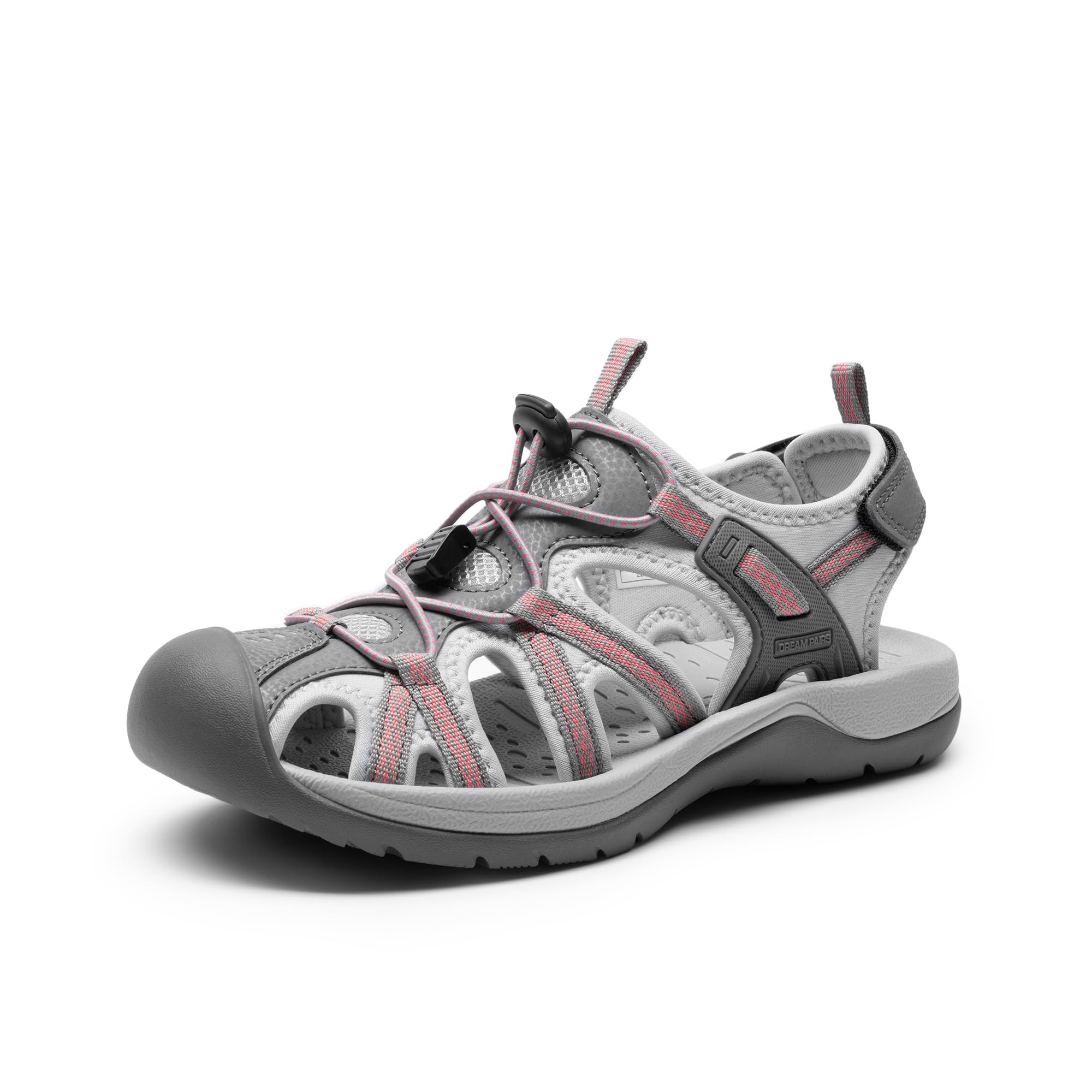
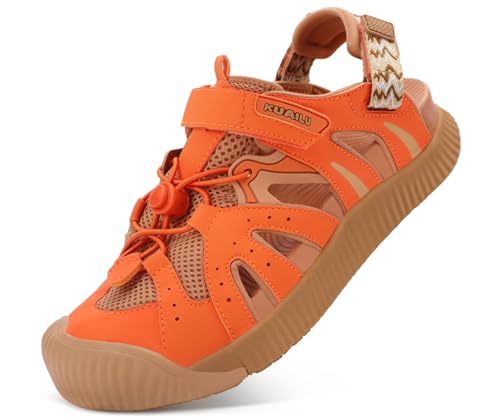
Shopping for best closed toe sandals for women is easier when you judge each pair against a short checklist instead of a long list of claims. A covered toe gives protection on paths, in gardens and around town, while an open heel and breathable upper keep the style cooler than a full shoe. The comparison table below shows the main types side by side so you can match a pair to the way you will actually wear it.
The right pair starts with fit, not fashion. Measure both feet in the afternoon, check the toe box shape against your own foot, and think about the surfaces you walk on most. A pair that feels fine for ten minutes in a shop may rub badly after a full day, so use the checklist in this guide before you decide.




Key Features to Compare in Closed Toe Sandals
Use these factors to compare pairs fairly. Each one affects comfort in a different way, and the best balance depends on whether you walk mainly on pavements, trails, wet ground or mixed surfaces.
What Women Should Look For
Women often need a narrower heel with a roomier forefoot, a lighter overall weight, and closures that are easy to adjust with one hand. Look for a heel cup that holds the foot without squeezing, a strap layout that does not cross a bunion or a sensitive spot, and a sole that flexes where the foot bends. If you have a high arch or a flat arch, check whether the footbed shape matches it, since a flat insole will not suit every foot. Colour and style matter too, but they should come after fit, support and grip.
Fit, Sizing, and Toe Box
Measure both feet standing up in the afternoon, when feet are slightly larger, and use the longer foot as your guide. The toe box should let your toes lie flat and spread a little, with a small gap ahead of the longest toe so the foot does not hit the front on downhill steps. If you are still deciding between covered and open styles, see our guide to best closed toe sandals for a side by side look at toe protection. Try a new pair on carpet first, walk around the house, and check for pressure on the little toe and the top of the foot before you commit.
Upper Materials and Breathability
Mesh uppers breathe best and dry fastest, leather uppers mould to the foot over time and look smarter, and knit uppers feel soft against the skin but may stretch with wear. A covered toe made from a stiff material can rub, so look for a soft lining or a padded edge around the toe area. Perforations and open panels help air move through the shoe, which matters on warm days and on longer walks. For wet weather use, a quick drying upper beats a thick absorbent one, and a pair made for water use will drain better than a general walking pair.
Outsole Traction and Terrain
Lug depth and rubber compound decide how well a sandal grips. Shallow lugs suit pavements and indoor floors, deeper lugs suit loose paths and mud, and a softer rubber compound grips wet stone better but wears faster. Look for a tread pattern with channels that shed water rather than a flat sole that can slide on wet tiles.
If most of your walking is on trails, see our guide to best closed toe hiking sandals for terrain specific tread advice. For everyday town walking, grip on wet pavements matters more than grip on loose gravel.
Break In Period and Comfort Out of the Box
Some pairs feel comfortable at once, while leather and stiffer fabric pairs may need several short wears before they soften. Wear a new pair for an hour at a time around the house, then for a short walk, before you take it on a long day out. Soreness on the top of the foot, behind the heel or between the toes is a sign the shape is wrong, not a sign you need to push through it. A pair that needs heavy breaking in may still suit you, but only if the length and width are already right.
Durability and Expected Lifespan
Check the stitching, the bond between upper and sole, and the heel area, since these are the first places to fail. A pair worn daily on pavements may last a year or more, while a pair used on rough trails will wear faster. Rotating two pairs extends the life of both, because foam and fabric recover between wears.
Replace a pair when the tread is smooth, the footbed is compressed flat, or the upper no longer holds the foot steady. Comfort that fades slowly is easy to miss, so compare a worn pair with a newer one now and then.
Spending Levels: What Each Budget Gets You
Price mostly buys better materials, stronger construction and more refined support. The tiers below describe what to expect, not specific products, so you can judge whether a higher price is worth it for your own use.
Lower Cost Pairs: Simple Comfort
Lower cost pairs, at around $30 to $60, usually offer a basic foam footbed, a simple strap system and a light outsole. They suit occasional wear, short walks and holidays where a pair may get wet or sandy. Support is often flatter and less shaped, and the upper may be a single layer of fabric or synthetic leather. Check the sizing carefully at this level, since returns for fit are more common when the last is generic.
Mid Cost Pairs: Better Support and Materials
Mid cost pairs, at about $60 to $120, usually add a shaped footbed, better arch support, deeper cushioning and stronger stitching. Uppers are more likely to mix mesh with leather or a durable fabric, and outsoles grip better on wet ground. This level suits daily walking, commuting and travel, where comfort over several hours matters. If you walk every day, this is often the level where extra spending shows up most clearly in comfort.
Higher Cost Pairs: Longer Wear and Finer Finishing
Higher cost pairs, at about $120 to $200, tend to offer premium leather or technical fabric, a more carefully shaped last, replaceable insoles and a sturdier sole unit. Finishing details such as padded edges, reinforced stitching and better hardware add to durability. This level suits people who walk long distances daily or who want one pair to last several seasons. Even here, fit comes first, and an expensive pair in the wrong size is still the wrong pair.
Quick Buyer Checklist
Run through these questions before you buy:
- Do my toes lie flat with room to spread in the toe box?
- Does the heel stay put without the strap digging in?
- Is the arch support shaped for my foot, not just flat foam?
- Does the outsole grip wet pavements as well as dry ones?
- Can I adjust the straps easily, even with tired hands?
- Is the upper breathable enough for warm weather walking?
- Does the pair suit the surfaces I walk on most?
Red Flags to Watch For
Watch for vague size charts with no foot length in inches or millimetres, since that makes a good fit hard to judge. Be wary of claims about medical benefits or pain relief, because a sandal can support comfort but cannot treat a condition. Very short warranties, missing care instructions and no information about the outsole material all suggest a maker that is hiding weak points.
Oddly uniform praise, with no mention of fit quirks, should also make you pause. Finally, if a listing cannot say whether the pair is meant for walking, water or light everyday use, it probably does the job poorly in all three.
Closed Toe Sandals for Specific Needs
Best Casual Closed Toe Sandals for Women
Casual pairs favour easy on and off, a soft footbed and a look that works with everyday clothes. Choose a flexible sole, a simple strap layout and an upper that does not need a long break in period. For walking focused pairs, see our guide to best closed toe sandals for walking, which covers longer distance comfort in more detail. A casual pair still needs a secure heel and a toe box that fits, since a loose casual sandal can cause just as much rubbing as a tight one.
Tips to Get the Most From Your Closed Toe Sandal
Air dry wet pairs away from direct heat, since radiators and strong sun can warp foam and stiffen leather. Rotate two pairs for daily wear so each one recovers its shape between uses. Replace a pair when the tread wears smooth or the footbed stays compressed, rather than waiting for the upper to fall apart.
For pairs used near water, see our guide to best closed toe water sandals for drainage and drying advice. On sunny days, use sunscreen on exposed skin, drink water regularly and take shade breaks, since a covered toe does not protect the rest of the foot and leg from the sun.
Closed Toe Sandals: Your Questions Answered
What makes closed toe sandals different for women?
They are built on lasts shaped for a narrower heel and a different forefoot width, with lighter materials and strap layouts that suit smaller feet. That shaping matters because a sandal built on a generic last can slip at the heel while squeezing the toes. Women specific pairs also tend to offer more colour and style choices, but the real difference is fit, not appearance. Always check the size chart for foot length rather than guessing from a dress shoe size.
How often should I replace my closed toe sandals?
Replace them when the tread is worn smooth, the footbed no longer springs back, or the upper stretches so much that the foot slides around. For daily walking, that may be after a year or so, while occasional wear can last much longer. Keep an old pair for comparison, since gradual wear is hard to notice day by day.
Do I need waterproof closed toe sandals?
You need water friendly pairs only if you regularly walk through streams, rain or wet grass, since a standard pair will stay damp and can rub. Water friendly pairs use quick drying uppers and outsoles that drain, while waterproof boots are a different product with sealed seams. For most town and garden use, a breathable pair that dries overnight is enough. If you do buy a water pair, rinse off sand and salt after use to protect the straps and sole bond.
How should closed toe sandals fit?
They should fit with the heel centred in the heel cup, the arch supported by the footbed shape, and the toes free to lie flat without touching the front. Straps should feel snug but not tight, and you should be able to wiggle your toes. Walk up and down a slope if you can, since a pair that fits on flat ground may push the toes forward downhill. If the little toe presses against the side, try a wider fit before you try a longer size.
Can I wear closed toe sandals all day?
You can wear a well fitting pair all day if the footbed supports your arch, the heel stays stable and the straps do not rub. Start with shorter wears and build up, especially with a new pair or a new style. Take the pair off for a break if you feel hot spots forming, and carry a second pair of shoes on long days out. If you feel pain that persists after you take the pair off, check the fit again rather than assuming your feet will adapt.
Final Thoughts
Fit, toe box shape and traction matter more than any single feature claim, and the best pair is the one that matches your foot and your usual surfaces. Use the checklist above, compare the spending levels honestly, and let the product table above guide your shortlist. With the right fit, best closed toe sandals for women can carry you comfortably through walking, travel and everyday wear for a long time.