The Best Closed Toe Sandals with Arch Support: A Buying Guide for 2026
Disclosure: We may earn a commission when you buy through links on this page, at no extra cost to you. As an Amazon Associate I earn from qualifying purchases. Learn more

Tired arches need the best closed toe sandals with arch support: this guide covers footbed shape, fit, cushioning and materials for all day comfort.
A flat sandal can feel fine for an hour and leave your arches aching by evening, especially on hard floors. The best closed toe sandals with arch support pair solves two problems at once, with a covered toe for protection and a shaped footbed that spreads pressure across your whole foot. This guide shows you how to judge support by shape and fit rather than by marketing words.
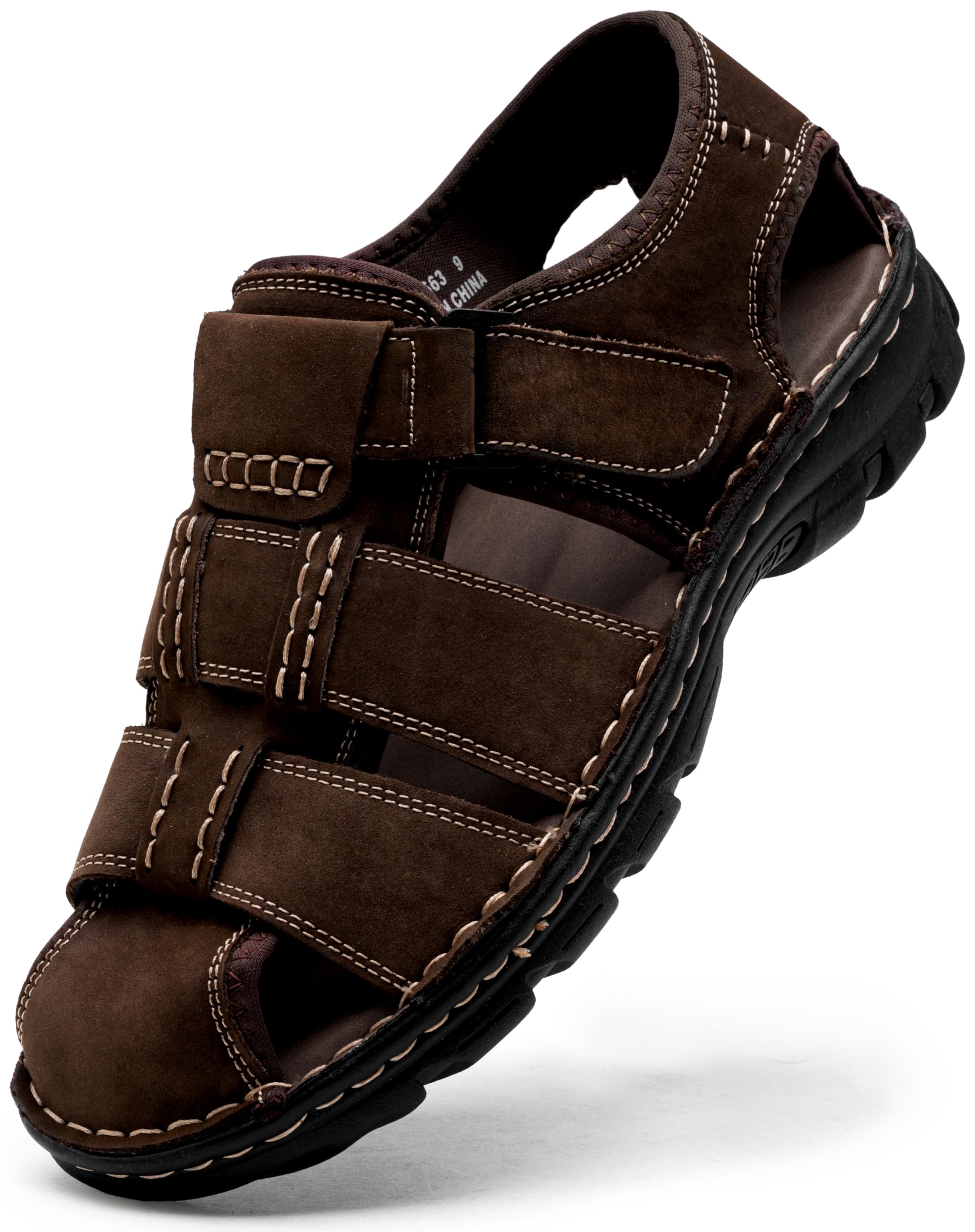
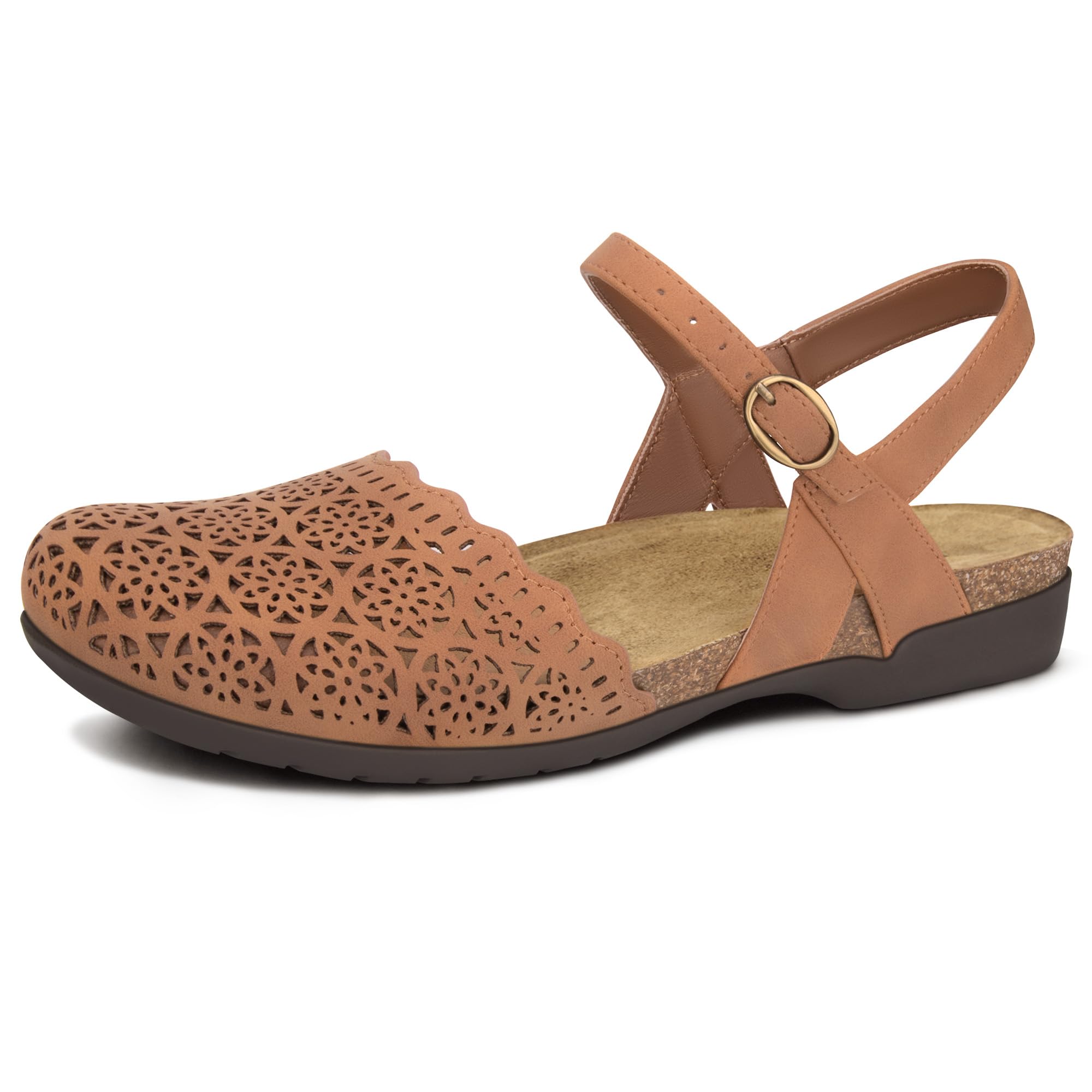
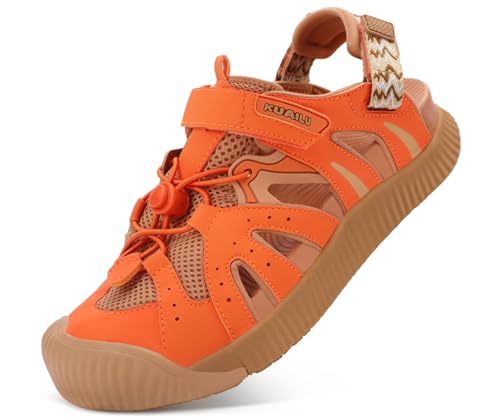
Use the comparison table below to compare footbed styles and price ranges, then read the sections that follow for the detail behind each feature. Support is personal, so the right choice depends on your arch height, your foot shape, and how long you stay on your feet.





Price Tiers at a Glance
Entry Tier, Around $40 to $70
Entry tier sandals with arch shaping usually have a molded foam footbed with a modest rise under the arch. They suit occasional wear, short outings, and people who simply find flat sandals tiring. The support softens as the foam packs down, often within a season of daily use. If you have ongoing arch or heel pain, this tier is a starting point for finding out whether shaped support helps you, but treat it as a trial rather than a long term answer.
Mid Tier, Around $70 to $120
Mid tier pairs use firmer footbed materials, deeper heel cups, and arch shapes that hold up through a full season or more. Many accept a removable insole, which lets you adjust the fit or use your own insert. Uppers and straps also improve at this level, holding the foot over the supportive part of the footbed instead of letting it slide off the rise. For most buyers with mild to moderate arch fatigue, this tier gives the best balance of support, durability, and price.
Premium Tier, Around $120 to $180
Premium supportive sandals focus on footbed quality above all. Expect dense, slow to compress materials, careful arch shaping for different foot types, and soles that stay stable on wet ground. Some styles offer more than one arch height or a footbed that molds with body heat over the first weeks.
This tier suits people who stand all day at work, walk long distances in summer, or have found that cheaper footbeds go flat quickly. The cost is justified by lifespan, not by looks.
How to Choose Supportive Sandals: A Buying Guide
Why Choose a Closed Toe Sandal With Arch Support
A raised, shaped arch area keeps your foot from rolling fully inward with each step and spreads load away from the heel and forefoot. A closed toe adds protection for commuting, travel, and workplaces that ban open toes. The limits matter too.
A sandal cannot lock your foot in place like a laced shoe, so very high support needs or ankle instability may still call for shoes. Support also has to match your arch, because a rise that is too high or placed too far forward can create a new pressure point.
Fit, Sizing, and Toe Box
Support only works if your foot lands on it in the right place. The arch rise should sit under your natural arch, not under your heel or the ball of your foot, so correct length is critical. Measure in the afternoon and leave a thumb width ahead of your longest toe.
The toe box should let your toes rest flat, because toes that curl or squeeze change how your arch loads. If you are between sizes, try both when possible, and judge by where the arch rise meets your foot while standing, not by toe room alone.
Arch Support and Foot Type
Flat feet usually do best with a firm, moderate rise and a deep heel cup that steadies the heel. High arches need a footbed that rises to meet them, filling the gap so pressure does not concentrate on the heel and forefoot. Neutral arches have the widest choice and should focus on comfort across a full day.
If you want a broader comparison of support levels, our guide to the best sandals with good arch support explains the differences in plain terms. Readers with very high arches may also want our guide to the best sandals with high arch support for taller footbed shapes.
One caution deserves emphasis. New pain, pain that keeps growing week after week, numbness, or pain that changes how you walk is not something to solve by shopping. See a doctor or a podiatrist for a proper assessment, and talk with your clinician about your personal needs before relying on any sandal for a medical problem.
Waterproofing and Membranes
Supportive sandals come in water ready and water resistant versions. Water ready pairs use synthetic footbeds and quick drying straps, so a soaking does not ruin the shape. Leather footbeds with cork or foam layers feel excellent when dry but can stiffen or crack if they are soaked often and dried badly.
If your summer includes boats, beaches, or garden work, pick the synthetic route. If your use is dry city walking and work, the classic footbed materials will usually feel better and last longer.
Cushioning and Support
Cushioning and support are different jobs. Cushioning softens impact, while support controls position. The best pairs layer both, with a shock absorbing base and a firm shaped top that your arch can feel.
A heel to toe drop of about 4 to 8 mm suits most walkers, while a very flat footbed can strain the calf if you are used to heeled shoes. Press your thumb into the footbed in the store or at home. If it collapses to the base with light pressure, the support will fade quickly in real use.
Break In Period and Comfort Out of the Box
A shaped footbed often feels strange for the first few days, like a gentle hand under your arch. That feeling should fade into the background within a week of growing wear time. Start with an hour or two a day, especially if you are moving from flat sandals.
Blisters on the arch itself mean the rise is too high or too far forward for your foot. Men comparing footbed shapes can also check our guide to the best men's sandals with arch support for notes on wider footbeds.
Types of Closed Toe Sandals
If you are still deciding on the basic style, our guide to the best closed toe sandals shows the main families side by side. Within supportive styles, these four types cover most needs.
Lightweight Supportive Sandals
Lightweight supportive sandals use foam footbeds and fabric uppers to keep weight down for travel and long summer days. They feel easy on the legs and pack flat. The compromise is support lifespan, since light foams pack down sooner. They suit moderate daily walking and people who value a barely there feel over maximum structure.
Neutral Supportive Sandals
Neutral styles offer a moderate arch rise without strong guidance for rolling feet. They are the safest first step into supportive sandals, because the shape rarely fights your natural stride. People with stable ankles and mild end of day fatigue usually do well here. If you already know you overpronate heavily, look at the stability styles below instead.
Rugged Outdoor Sandals
This group borrows from outdoor footwear, with rugged closed toes, sealed or synthetic uppers, and supportive footbeds made for rough ground. They protect well and grip in wet conditions, but they run warm and heavy for city use. Choose them for trails, campsites, and wet work outdoors. For pavement and indoor floors, a lighter style will feel better by midday.
Stability Sandals
Stability styles add a firmer section under the inner arch and a wider base to limit inward roll. They help tired flat feet stay aligned during long periods of standing. The firmer feel takes adjustment, and high arch feet may find the inner rise intrusive. Walkers who cover real distance in sandals often land here, and our guide to the best walking sandals with arch support goes deeper on distance needs.
Care and Maintenance Tips
- Rotate two pairs for daily wear. A rest day lets the footbed recover its shape and dry fully, which keeps support consistent.
- Air dry wet sandals away from direct heat. Heat warps molded footbeds and can crack cork and leather layers.
- Brush the footbed clean weekly. Grit ground into the arch area wears the surface and changes how it grips your foot.
- Store out of strong sun. Long sun exposure fades straps and dries footbed materials, shortening their useful life.
- Replace when the rise feels flat. Support you can no longer feel under your arch is support you are no longer getting, even if the sandal looks fine.
FAQs
How long is the break in period for supportive sandals?
Plan on about a week of gradually longer wear. Your feet need time to adapt to an arch rise they are not used to, and mild awareness under the arch is normal at first. A practical approach is to add an hour a day and keep an old pair handy for the rest of the day. Sharp or growing pain is not part of a normal break in, so stop and reassess the fit if that happens.
How should closed toe sandals with arch support fit?
They should fit so the arch rise meets the middle of your arch while your heel sits deep in its cup and your toes rest flat with space ahead. Strap tension matters more than in flat sandals, because a loose fit lets your foot slide forward off the supportive zone. Check the fit standing on a hard floor, and again after a short walk, since feet swell and settle as you move.
Are expensive closed toe sandals with arch support worth it?
They are worth it when the extra money buys a footbed that keeps its shape for seasons rather than weeks. For daily wear, cost per month often favors the premium tier. For holiday only use, a mid tier pair gives most of the benefit.
One point buyers miss is sizing help. Brands at higher prices often publish better foot length charts, which raises your chance of getting the arch placement right the first time.
Do I need waterproof shoes instead of sandals?
You need waterproof shoes only for steady wet work or cold rain, where open panels would leave your feet soaked and cold. For summer rain, splashes, and beach days, water ready supportive sandals dry fast and stay comfortable. Remember that a membrane cannot seal a sandal at its openings, so treat waterproof claims on sandals as splash protection. For anything involving standing water, choose enclosed footwear.
Can I wear closed toe sandals with arch support all day?
Yes, for most people, once the break in period is done. All day wear is exactly what a good footbed is for, since support matters more as fatigue builds. Standers should still shift weight and take short walks when they can, because no footbed replaces movement. If all day wear leaves you with new heel or knee pain after two weeks, the shape is wrong for you, and a clinician can help you work out why.
Wrapping Up
Match the arch rise to your foot type, get the length right so the rise lands in the correct place, and pick footbed materials that suit wet or dry use. Compare your shortlist with the product table above, and the best closed toe sandals with arch support pair for you will be the one your feet forget about by midday. If pain persists in any footwear, talk with your clinician about your personal needs.