Best Closed Toe Sandals of 2026: Complete Buying Guide
Disclosure: We may earn a commission when you buy through links on this page, at no extra cost to you. As an Amazon Associate I earn from qualifying purchases. Learn more

Choose the best closed toe sandals for walking, work, water and travel, with clear checks on toe protection, footbed support, straps and grip.
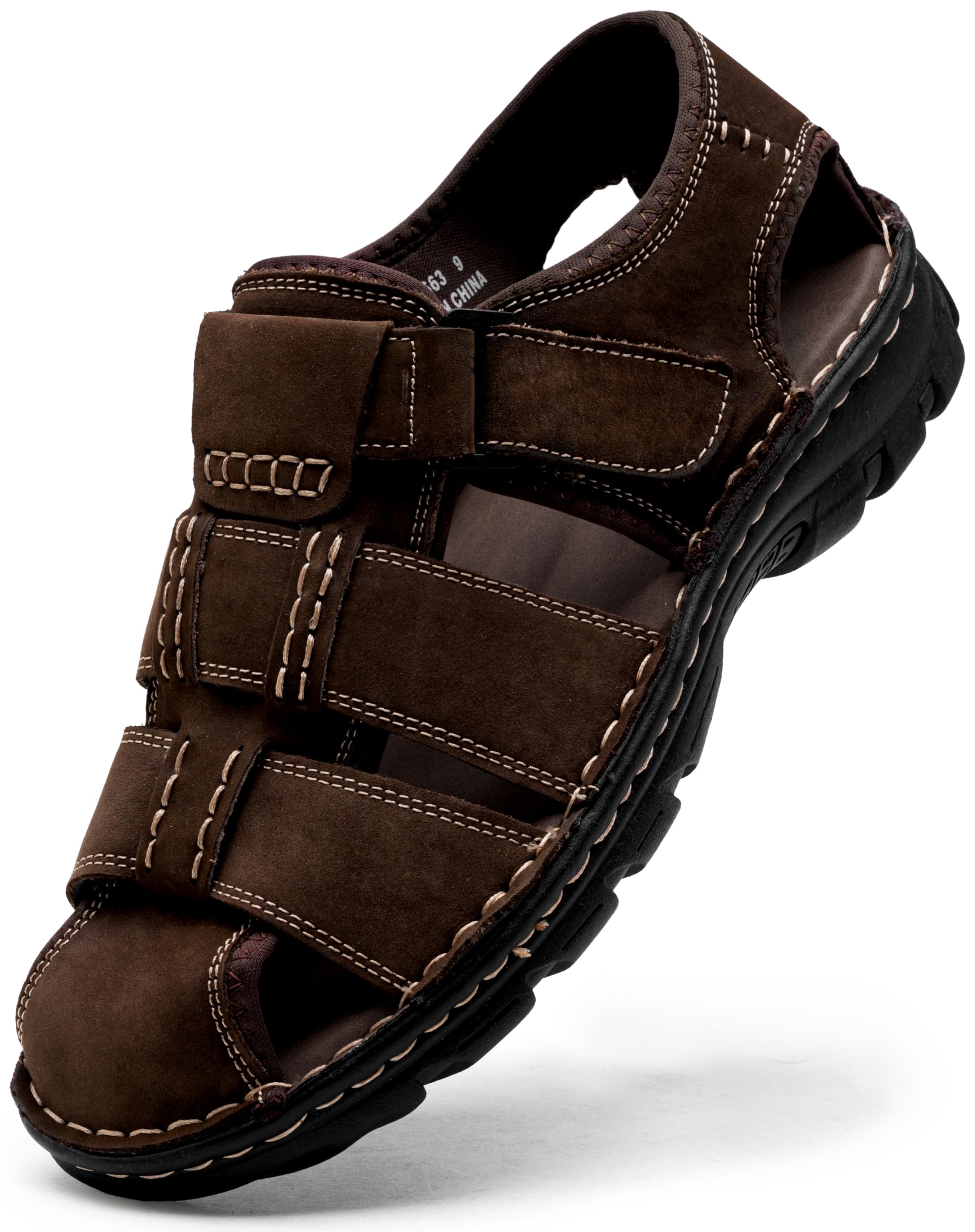
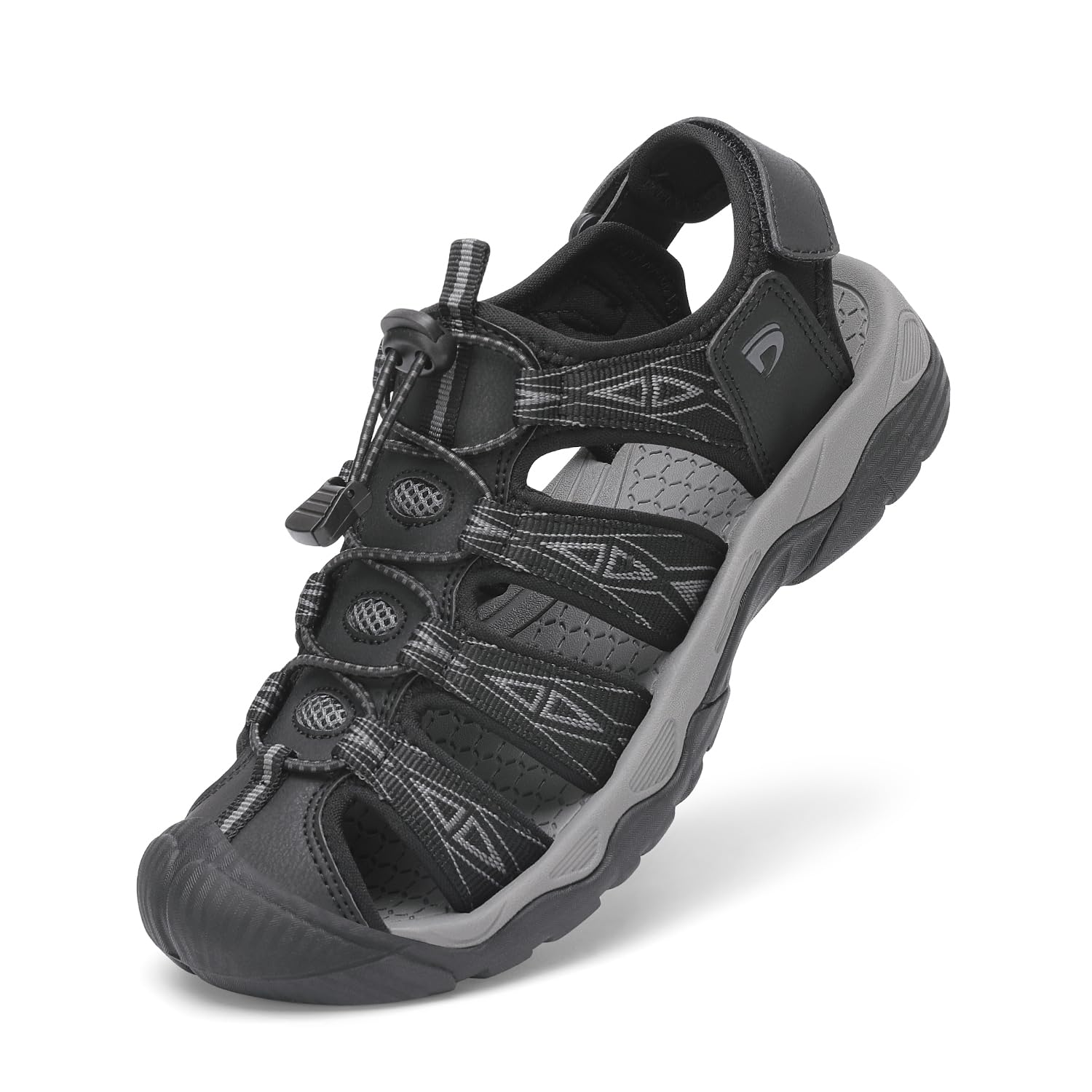
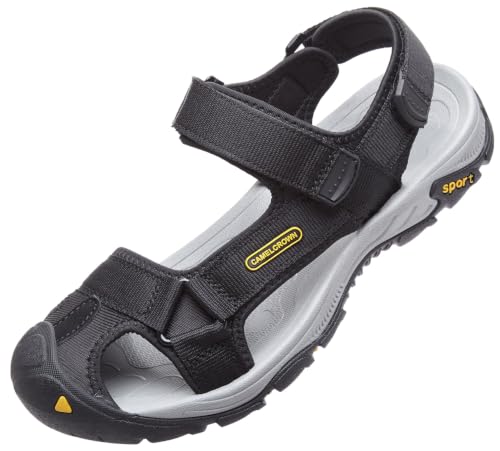
Open sandals leave your toes exposed to curbs, dropped tools and trail rocks, and full shoes turn hot by midday. A closed toe sandal covers the front of the foot with a rubber bumper while leaving the sides and heel open, which is why the style shows up on hiking trails, in gardens, on boat decks and in workplaces that require covered toes. The best closed toe sandals get three things right: a toe cap that protects without pinching, a footbed that supports the arch for a full day, and straps that hold the foot back from the bumper on slopes.
This guide explains how to judge those three parts, which style suits walking, hiking, water or work, and how to size a pair you cannot try on first. The comparison table below gathers the main options side by side.





Who Should Buy Closed Toe Sandals
Closed toe sandals suit anyone who wants airflow without leaving the toes exposed. Hikers on warm trails use them for creek crossings and dusty paths. Gardeners and dog walkers like a pair they can rinse under a tap.
Travelers choose one pair that works on a trail, in town and at dinner. Many warehouses, kitchens, tour sites and camps require a covered toe, and a closed toe sandal often passes where an open one would not.
They suit fewer people in cold rain or on steep, loose ground, where the open sides let in water and grit and offer no ankle support. They are also a poor match for formal dress codes, though a leather fisherman style passes in many casual offices.
Key Features to Compare in Closed Toe Sandals
The Toe Cap
The bumper should be firm rubber that holds its shape under thumb pressure, and it should extend past your longest toe with room to spare. A soft fabric toe wrap looks similar in photos but offers little protection. Check where the seam between the cap and the upper sits: above the toes is fine, across the toes rubs on long walks.
Footbed and Arch Support
A contoured footbed with a raised arch and a cupped heel keeps your foot centered and spreads pressure on long days. Molded foam feels soft at first and packs down sooner, while firmer polyurethane and cork keep their shape for seasons. If you use an orthotic, look for a removable footbed with enough depth to keep your heel in the cup once the insert is in place.
Straps and Closure
The straps have one job: holding your heel back so your toes never reach the bumper on a descent. Three adjustment points at the forefoot, instep and heel do that best. Bungee lace systems with a lock are fast and even, hook and loop straps adjust easily with wet hands, and buckles last longest. Padded or seamless webbing matters most where it crosses the top of the foot.
Outsole and Grip
Match the tread to your ground. Siped rubber with fine channels grips wet pavement, tile and boat decks. Lugs around 4 mm deep bite into dirt and gravel for trails but feel clumsy on smooth floors. A softer rubber compound grips wet rock better and wears faster on pavement, so trail pairs trade street life for traction.
Materials and Drying Time
Synthetic webbing and footbeds dry in an hour or two and rinse clean, which suits water, gardens and travel. Leather uppers look smarter and shape to the foot but soak through, dry slowly and need conditioning. Knit uppers feel soft and forgive bunions but stretch over time and protect less. Choose by your wettest normal day.
Types of Closed Toe Sandals
| Type | Best For | Trade Off |
|---|---|---|
| Walking sandals | Pavement, travel, errands | Lighter protection on rough ground |
| Hiking sandals | Trails, uneven ground, heavier packs | Heavier, sportier look |
| Water sandals | Rivers, beaches, boat decks | Softer soles wear faster on streets |
| Leather fisherman sandals | Casual offices, dinners, dry days | Need a break in period, slow to dry |
Walking sandals favor cushioning and a flexible forefoot for long pavement days. Hiking sandals add a stiffer midsole, deeper lugs and a stronger bumper. Water sandals focus on drainage, quick drying straps and siped soles. Leather fisherman styles trade quick drying for a smarter look and a footbed that molds to your foot.
How to Size a Closed Toe Sandal
- Measure both feet standing in the afternoon and use the longer foot against the brand chart.
- Leave about a thumb width between your longest toe and the inside of the bumper.
- Fasten the heel strap first so your foot sits back in the heel cup, then the instep and forefoot straps.
- Walk on a hard floor and down a step or slope; if your toes touch the cap, tighten the heel or size up.
- If the sides of your foot overhang the footbed, you need a wider fit, not a longer one.
Common Mistakes to Avoid
- Trusting your sneaker size, when sandal sizing varies more between brands than shoe sizing.
- Buying a soft fabric toe wrap and expecting it to stop a rock.
- Choosing deep trail lugs for a pair that lives on pavement, where they wear down fast.
- Wearing a new pair on a long day before two or three short walks.
- Ignoring the heel strap, so the foot slides forward into the bumper on every slope.
Care and When to Replace
Rinse grit from the straps and footbed after dusty, sandy or salty days, scrub with mild soap when odor builds, and dry in the shade rather than in direct sun or near a heater, which warps footbeds and weakens glue. Keep bungee locks and buckles free of sand, and check the strap anchors and the bumper seam before a long trip. Replace the pair when the tread is smooth under the ball of the foot, the footbed no longer springs back, or the straps slip out of adjustment.
Safety and Comfort Notes
Closed toe sandals protect the toes but leave the sides of the foot exposed and give no ankle support, so build up to longer walks and avoid steep, loose ground until you trust the grip. Persistent foot pain, numbness, swelling or skin breakdown are reasons to rest and talk with a clinician before continuing. This guide covers fit and comfort only.
Price and Value
Expect to pay about $35 to $60 for a basic synthetic pair with a molded footbed and a simple strap system, which suits occasional wear and light use. Pairs around $60 to $110 add contoured support, siped rubber outsoles, stronger bumpers and three point adjustment, and this is where most daily wearers get the best value. Above about $110 you pay for premium leather, more sculpted footbeds and outsoles that keep gripping wet rock for seasons. Fit still comes first at every price.
Frequently Asked Questions
Are closed toe sandals good for walking long distances?
Yes, when the footbed supports the arch, the straps hold the heel and the sole has enough cushioning for pavement. Build up gradually and carry a blister patch on the first long day. For pavement specific advice, see our guide to the best closed toe sandals for walking.
Can I hike in closed toe sandals?
Closed toe sandals handle moderate trails, creek crossings and dusty paths well. Very steep, loose or cold routes still call for boots. Our guide to the best closed toe hiking sandals explains the lugs, bumpers and midsoles that trail use demands.
Do closed toe sandals count as closed toe shoes at work?
Some employers accept them, since the toes are covered, while others require a fully enclosed shoe for insurance or hygiene reasons. Check your workplace policy before buying, and favor a closed heel or heel strap style for work.
How should closed toe sandals fit?
Heel seated in the cup, arch meeting the raised footbed, toes flat with a thumb width before the bumper, and straps snug without deep marks after ten minutes. If your toes touch the cap on a slope, adjust the heel strap or go up a size.
Are men's and women's closed toe sandals different?
Yes. Men's styles use a longer, wider last with straps set for a higher instep, while women's styles use a narrower heel and a different forefoot shape. Men can see our guide to the best men's closed toe sandals, and women can read the best closed toe sandals for women for fit notes. For river and beach use, the best closed toe water sandals covers drainage in more depth.
Final Thoughts
Judge the toe cap first, then the footbed, then the straps, and let the outsole and materials follow the ground and weather you face most. Measure in the afternoon, fasten the heel strap first and walk down a step before you decide. With those checks done, choosing the best closed toe sandals becomes a calm decision based on fit, protection and value rather than a guess from a photo. Talk with your clinician about any ongoing foot concern before relying on footwear alone.