
Best Closed Toe Hiking Sandals: How to Choose for 2026
Disclosure: We may earn a commission when you buy through links on this page, at no extra cost to you. As an Amazon Associate I earn from qualifying purchases. Learn more

Compare best closed toe hiking sandals the smart way, with clear guidance on fit, features, value, and long term care. Read the checks before you order.
A stubbed toe on a rocky descent is the fastest way to ruin a summer hike, and it is the reason the closed toe sandal exists. The best closed toe hiking sandals put a rubber bumper over your toes, a lugged outsole under your feet and quick drying straps around them, so you get the airflow of a sandal with most of the protection of a trail shoe. This guide explains how to judge the toe cap, the grip, the fit and the water handling, and the comparison table below puts the main options side by side.
Sizing and strap layout vary more between brands than in boots, so read the fit section closely before you order. A pair that fits well on flat ground can still push your toes into the bumper on a slope, and that is the fit failure that matters most on trails.


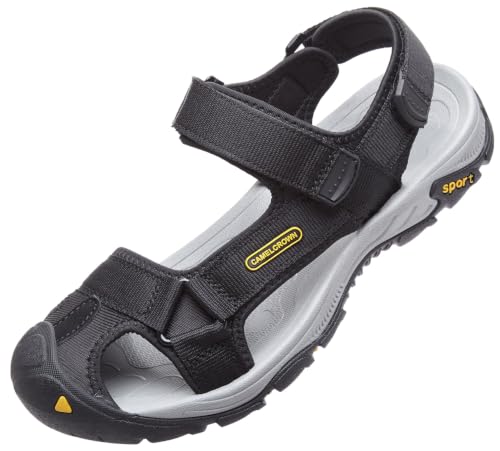


Who Should Buy Closed Toe Hiking Sandals
Warm Weather Trail Hikers
On hot, dusty trails a boot becomes an oven, and an open sandal leaves toes exposed to every rock and root. A closed toe sandal with a stiff bumper and a shaped footbed handles day hikes on moderate ground, and it dries fast if you step through a creek. Hikers who carry a light pack and stay on maintained trails get the most from this style.
Hikers Who Cross Water
Routes with stream crossings, slot canyons and lake shores punish boots and favor sandals that drain and grip wet rock. The closed toe protects against submerged stones you cannot see, while webbing straps and a synthetic footbed dry within an hour of walking. Look for siped tread, the fine slits in the rubber that channel water away from the contact patch.
Travelers Who Pack Light
One pair that works on a trail in the morning, in town in the afternoon and at camp in the evening saves weight and luggage space. A closed toe sandal with a plain colorway and a moderate sole does that job better than either a trail shoe or an open sandal. Pick a style with a pull on bungee if you plan to slip them on and off often.
Key Features to Compare
Toe Cap Design
The bumper should be rubber, not just a wrap of the upper fabric, and it should extend past your longest toe with a little room to spare. Press it with your thumb: a cap that flexes flat offers little protection, while one that holds its shape deflects a rock strike. The seam where the cap meets the upper is the spot that rubs first, so check that it sits above your toes rather than across them.
Outsole and Lugs
Lugs around 4 mm deep bite into dirt and gravel and shed mud, while shallow tread slides on loose ground. A softer rubber compound grips wet rock better and wears faster on pavement, so trail focused pairs trade some street life for grip. A defined heel edge helps you brake on steep descents. Avoid molded foam outsoles with a tread pattern pressed into them, because they wear smooth in a season.
Footbed and Midsole Support
A contoured footbed with a raised arch and a cupped heel keeps your foot centered over the sole on uneven ground. The midsole should flex at the ball of the foot and resist twisting through the middle; a sandal you can wring like a towel will roll on rocks. Firmer support suits heavier hikers and rocky routes, while a softer, more cushioned build suits smooth trails and long pavement approaches.
Straps and Adjustment
Three points of adjustment, at the forefoot, the instep and the heel, let you lock your foot back against the heel cup so it cannot slide forward into the bumper on a descent. Bungee lace systems with a lock are quick and even, hook and loop straps are easy to adjust with wet hands, and buckles last longest. Padded or seamless straps matter most where they cross the top of the foot.
Drying Time and Odor
Webbing and synthetic footbeds dry in an hour or two; leather straps and footbeds take much longer and can stiffen. Footbeds treated to resist odor help in hot weather, and a sandal you can rinse and scrub without harm will stay pleasant for seasons. Avoid absorbent padding under the straps if your route includes water.
Types of Closed Toe Hiking Sandals
| Type | Best For | Trade Off |
|---|---|---|
| Classic strap sandals with bumper | Day hikes, travel, mixed trails | Open heel lets grit in |
| Closed heel hybrids | Rocky ground, heavier packs | Warmer, slower to dry |
| Water focused sandals | Stream crossings and shore routes | Softer soles wear faster on pavement |
| Lightweight travel sandals | Easy paths and town walking | Thin protection on sharp rock |
Classic strap designs give the most airflow and the easiest on and off. Closed heel hybrids feel closer to a trail shoe and suit rough ground. Water focused models prioritize drainage and wet grip, and lightweight travel pairs trade protection for packability. Choose by your hardest regular trail, not your easiest.
How to Fit Closed Toe Hiking Sandals
- Measure both feet in the afternoon and compare the longer foot against the brand chart, not your usual size.
- Fasten the heel strap first so your foot sits back in the heel cup, then the instep, then the forefoot.
- Leave about a thumb width between your longest toe and the inside of the bumper.
- Walk down a slope or a few stairs: if your toes touch the bumper, size up or tighten the heel.
- Wear the socks you plan to hike in, if any, since they change the fit more than most people expect.
Common Mistakes to Avoid
- Choosing by the open toe photo and buying a sandal with a soft fabric toe wrap that offers no protection.
- Sizing up for toe room without tightening the heel, so the foot slides into the bumper anyway.
- Picking deep lugs for a route that is mostly pavement, where they wear down quickly.
- Wearing a new pair on a long hike before two or three short break in walks.
- Ignoring the wet grip of the outsole when the route includes stream crossings.
Care and Long Term Use
Rinse the sandals after muddy, sandy or salty hikes, scrub the footbed with mild soap when it smells, and let them dry in the shade rather than in direct sun or beside a heater, which can warp the footbed and weaken the glue. Check the strap anchors and the bumper seam before a long trip, and keep the bungee or buckle hardware free of grit. Most trail sandals give about 300 to 500 miles before the tread smooths and the footbed packs flat, and a worn pair can retire to camp and garden duty.
Safety Notes
Sandals protect less than boots on steep, loose or cold ground, and they offer no ankle support, so build up to longer routes gradually and carry a blister patch on the first hikes. Trail falls and twisted ankles need prompt attention, especially if swelling, severe pain or an inability to bear weight follows. Talk with a clinician about persistent foot or ankle pain, and choose footwear that supports your feet rather than pushing through discomfort.
Related Guides
Fit differs by gender more than most brands admit, so men with wider feet can read our guide to the best men's closed toe hiking sandals, and women who find unisex pairs slip at the heel will find narrower lasts in the best closed toe hiking sandals women's guide. If your walking is mostly in town, the best closed toe sandals overview and the best closed toe sandals for women cover lighter everyday pairs, and the best closed toe sandals for walking focuses on pavement comfort over trail grip.
Frequently Asked Questions
Are closed toe hiking sandals safe for rocky trails?
Yes on moderate rocky trails, when the bumper is firm rubber, the outsole has real lugs and the straps lock your heel back. They protect the toes far better than open sandals, though they still leave the sides of the foot exposed, so very technical or scree covered routes remain boot territory.
Can I hike long distances in sandals?
Many hikers cover ten to fifteen miles a day in closed toe sandals once their feet adapt. Start with shorter hikes, watch for hot spots under the straps, and choose a sturdier model with a firm midsole for longer distances and heavier packs.
Do they work for water crossings?
Water focused models drain quickly and grip wet rock, and the closed toe protects against stones you cannot see under the surface. Check that the footbed is synthetic, since a leather footbed soaks up water and takes hours to dry.
Should I wear socks with hiking sandals?
Socks reduce strap rub and add warmth on cool mornings, but they hold water after a crossing and can slip inside some footbeds. Thin synthetic or wool socks work best. Try your chosen combination on a short hike before committing to a long one.
When should I replace hiking sandals?
Replace them when the lugs are smooth at the forefoot, the footbed no longer springs back, the straps slip out of adjustment or the bumper seam starts to separate. Worn sandals lose protection and grip exactly when the trail gets rough.
Final Thoughts
Start with the toe cap and the outsole, then lock in the fit with the heel strap, and let drying time and weight settle the final choice. The product table above gives a quick overview, and the checks in this guide show what each listing needs to prove. Choose the best closed toe hiking sandals for your hardest regular trail, break them in on short walks, and talk with your clinician about any ongoing foot or ankle concern before a long trip.


